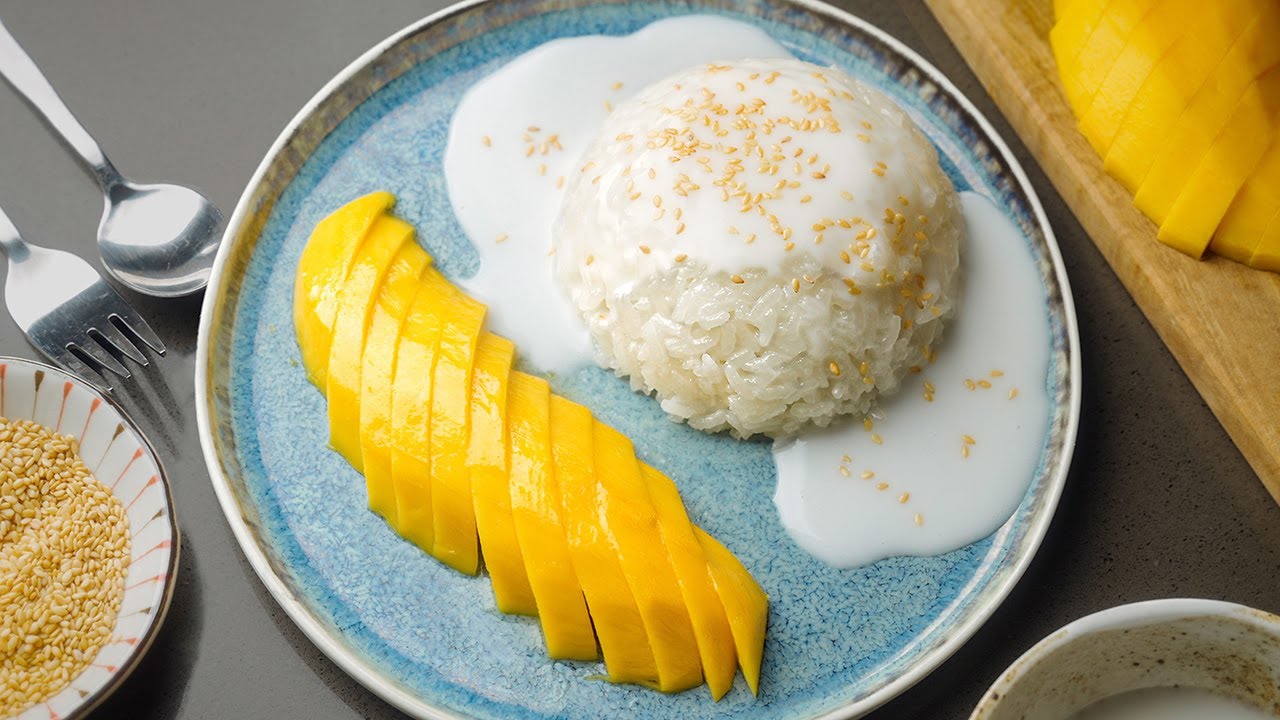
Thai Mango Sticky Rice Recipe: If there’s one dessert that captures the heart and soul of Thai cuisine, it’s got to be Mango Sticky Rice. Known as Khao Niew Mamuang in Thai, this tropical treat is a heavenly combination of soft, warm glutinous rice soaked in sweet coconut cream, served alongside juicy, golden mango slices. It’s more than just a dessert—it’s an experience. Whether you’ve tasted it in a Thai street market or a fancy restaurant, chances are, you’ve fallen in love with it. In this guide, you’ll learn exactly how to make it at home using authentic ingredients and techniques.
Mango Sticky Rice might seem like a simple dish, but nailing the texture and flavor balance takes some practice and precision. That’s why we’ve put together this detailed, step-by-step recipe to help you recreate the magic in your own kitchen—no matter where you are in the world. From choosing the right rice to getting that perfectly rich coconut sauce, we’ve covered every detail. So, let’s get started and bring a bit of Thailand to your table.
Why Thai Mango Sticky Rice is So Popular
You don’t need to be a foodie to know that Thai Mango Sticky Rice is loved worldwide. But what makes it so incredibly popular?
First, it’s the contrast of flavors and textures. You’ve got the warm, chewy, slightly salty sticky rice paired with cold, sweet, and juicy mango slices. Then there’s the creamy, rich coconut sauce that ties everything together. It’s the kind of combination that wakes up your taste buds and leaves you craving more.
Second, it’s naturally gluten-free and easy to adapt to various dietary needs, making it an inclusive dessert for many people. Plus, mangoes are widely available in tropical and subtropical regions, so it’s a dish that’s not only delicious but also accessible.
Lastly, it holds cultural significance. Mango Sticky Rice is often served during the Thai New Year (Songkran) in April, when mangoes are in season. It’s more than just a sweet treat—it’s a celebration of the season and of Thai heritage.
Health Benefits of Mango Sticky Rice
Believe it or not, this indulgent dessert comes with a few surprising health benefits—especially when made with fresh, whole ingredients.
- Mangoes are rich in Vitamin C, A, and antioxidants. They support skin health, boost immunity, and help in digestion.
- Sticky rice, while high in carbohydrates, provides energy and is easier to digest than regular white rice.
- Coconut milk contains healthy fats (MCTs) that may help with metabolism and energy levels.
Of course, it’s still a dessert, so moderation is key—but if you’re looking for a naturally sweet and refreshing treat that doesn’t rely on artificial ingredients, Mango Sticky Rice is a solid choice.
List of Ingredients You’ll Need
Before you dive into cooking, make sure you’ve got all the ingredients on hand. Here’s what you’ll need to create this iconic dish:
Sticky (Glutinous) Rice
- Also called sweet rice or Thai sticky rice. It’s the base of the dish and absolutely essential. Do not substitute with sushi rice or jasmine rice—you won’t get the same sticky texture.
Fresh Ripe Mangoes
- Go for yellow mangoes like Ataulfo, Nam Dok Mai, or Honey mangoes. They should be ripe, sweet, and slightly soft to the touch.
Coconut Milk
- Use full-fat coconut milk for the creamiest result. Avoid coconut cream or reduced-fat versions, as they won’t give you the right consistency.
Sugar
- White granulated sugar is standard. You can substitute with palm sugar for a more traditional taste.
Salt
- Just a pinch enhances the flavor and balances the sweetness.
Optional Toppings
- Toasted mung beans (crunchy texture)
- White sesame seeds
- Coconut cream drizzle
Having fresh and high-quality ingredients is the key to success with this recipe. Don’t cut corners—each component adds to the final magic.
Kitchen Tools You’ll Need
Before cooking, gather the necessary kitchen tools. These will help streamline the process:
- Steamer or bamboo steamer
- Cheesecloth (if using traditional steaming method)
- Mixing bowls
- Saucepan
- Wooden spoon
- Sharp knife
- Rice spatula or large spoon for scooping
A rice cooker won’t work for sticky rice unless it has a specific sticky rice setting—steaming is the traditional and best way to get the perfect texture.
Where to Buy the Ingredients
If you live near an Asian market, you’re in luck! Most of the ingredients—especially glutinous rice and full-fat coconut milk—can be found there. Otherwise, you can find them online through stores like:
- Amazon
- Thai Food Online
- Asian Food Grocer
Make sure to check labels carefully, especially for the rice and coconut milk. You want glutinous rice (not regular rice) and full-fat, unsweetened coconut milk.
Step-by-Step Guide to Making Thai Mango Sticky Rice
Let’s dive into the heart of this guide. Follow these detailed steps, and you’ll be making restaurant-quality Thai Mango Sticky Rice in no time.
Step 1: Soak the Sticky Rice
Rinse glutinous (sticky) rice under cold water until the water runs clear. Soak the rice in plenty of water for at least 4 hours or overnight. This step is essential for achieving the soft, chewy texture sticky rice is known for.
Step 2: Steam the Rice Properly
Drain the soaked rice and place it in a steamer lined with cheesecloth or a clean kitchen towel. Steam over boiling water for 20–25 minutes, flipping the rice halfway through to ensure even cooking. The rice should be tender and translucent when done.
Step 3: Prepare the Coconut Sauce
In a saucepan, gently heat coconut milk with sugar and a pinch of salt over low heat. Stir continuously until the sugar dissolves completely. Do not let the mixture boil, as this can cause the coconut milk to separate.
Step 4: Sweeten the Cooked Sticky Rice
Transfer the hot, steamed rice to a bowl. Pour about two-thirds of the warm coconut sauce over the rice and gently fold it in. Cover and let it sit for 10–15 minutes so the rice absorbs the sauce and becomes rich and creamy.
Step 5: Slice the Mangoes
Peel ripe mangoes and slice the flesh into thin, even pieces. Choose sweet, fragrant mangoes for the best flavor contrast with the creamy rice.
Step 6: Assemble and Serve
Spoon the sticky rice onto serving plates, arrange mango slices on the side, and drizzle with the remaining coconut sauce. Garnish with toasted sesame seeds or mung beans if desired. Serve slightly warm or at room temperature and enjoy this classic Thai dessert.
Tips for Perfect Mango Sticky Rice
Let’s be honest—Mango Sticky Rice looks simple, but a few expert tips can make all the difference between “pretty good” and “mind-blowing.”
Choosing the Right Mango
- Go for mangoes that are in season and golden yellow in color.
- Avoid stringy or fibrous mangoes—they ruin the smooth mouthfeel.
- Ataulfo, Honey, or Nam Dok Mai mangoes are ideal.
Getting the Perfect Texture
- Never skip the soaking and steaming process. Boiling sticky rice won’t give you the same result.
- Don’t over-steam—the grains should be tender and sticky, not mushy.
Balancing the Sweet and Salty
- A little salt in the coconut sauce elevates the sweetness and keeps the dish from being too sugary.
- Taste the sauce before adding it to the rice, and adjust sugar/salt based on your preference.
Remember, texture and balance are everything in Thai cuisine. With a little care, your mango sticky rice will rival what you’d find on the streets of Bangkok.
Common Mistakes to Avoid
Even the best intentions can go sideways if you’re not careful. Here are some common pitfalls:
- Using the wrong rice: Only use glutinous rice (also called sticky rice). Jasmine rice or sushi rice won’t work.
- Boiling instead of steaming: Sticky rice must be steamed to get the right consistency.
- Overcooking the coconut sauce: This can make the oil separate from the milk—just warm it gently.
- Serving immediately after mixing: Give the rice time to absorb the sauce; rushing will leave you with soggy or dry patches.
- Unripe mangoes: Even perfectly cooked rice can’t make up for tart, green mango. Always check ripeness.
Avoid these mistakes, and you’re golden.
Storing Leftover Mango Sticky Rice
Got leftovers? Good news—it stores surprisingly well!
- Store the rice and mango separately in airtight containers.
- Keep the coconut sauce in a small container to reheat separately before serving again.
- Refrigerate for up to 2 days.
To keep the mango fresh, sprinkle it with a few drops of lemon or lime juice before storing. This prevents browning and preserves flavor.
How to Reheat Mango Sticky Rice
Want to enjoy it again the next day? Here’s how to revive that deliciousness:
- Add a few tablespoons of water or coconut milk to the rice.
- Microwave on medium for 30–45 seconds, covered.
- Stir and repeat if needed until warm and soft again.
Reheat the coconut sauce separately and pour over the rice just before serving. Add fresh mango slices and it’ll taste just as good as day one.
Vegan and Dairy-Free Variations
Good news—traditional mango sticky rice is already vegan and dairy-free. Just be sure to:
- Use plant-based sugar (some refined sugars use animal bone char).
- Check your coconut milk brand to ensure there are no animal-based additives.
If you’re going for extra health-conscious, you can even use a natural sweetener like maple syrup or coconut sugar, though it will alter the flavor slightly.
Fun Topping Ideas
Want to add a personal twist or wow your guests? Here are some fun toppings:
- Toasted sesame seeds – adds crunch and a nutty aroma
- Crushed peanuts or almonds
- Toasted mung beans – authentic and traditional
- Coconut flakes – for extra tropical vibes
- Mint leaves – a fresh garnish that adds color and contrast
Feel free to mix and match based on what you like or what you have at home. This dish is versatile and open to creativity.
Serving Suggestions
Thai Mango Sticky Rice is best served:
- Slightly warm (not hot or cold)
- With freshly sliced mango
- Topped with coconut sauce and optional garnishes
- As a dessert or a midday snack
You can even serve it in small cups for parties or in banana leaves for an authentic presentation.
FAQs about Thai Mango Sticky Rice Recipe
1. Can I use jasmine rice instead of glutinous rice?
No—jasmine rice doesn’t have the sticky texture required. Only glutinous (sweet) rice will work for authentic results.
2. Can I make mango sticky rice ahead of time?
Yes! Prepare the rice and coconut sauce ahead. Store them separately and assemble with fresh mango just before serving.
3. What if I can’t find fresh mangoes?
Frozen mango slices can work in a pinch. Just make sure they’re fully thawed and sweet.
4. Can I use light coconut milk?
You can, but the sauce won’t be as creamy or rich. Full-fat coconut milk is strongly recommended.
5. Is this dish gluten-free?
Yes! Thai Mango Sticky Rice is naturally gluten-free, making it a great dessert option for those with gluten intolerance.
Conclusion
Thai Mango Sticky Rice is more than a dessert—it’s a piece of Thai culture, bursting with flavor, texture, and vibrant color. With this step-by-step guide, you now have all the tools you need to make this classic dish at home, the right way. Whether you’re impressing dinner guests or treating yourself to something sweet, this recipe will never disappoint.
It’s all about balance—the creamy coconut, the sticky rice, the sweet mango. When done right, it’s pure magic on a plate.