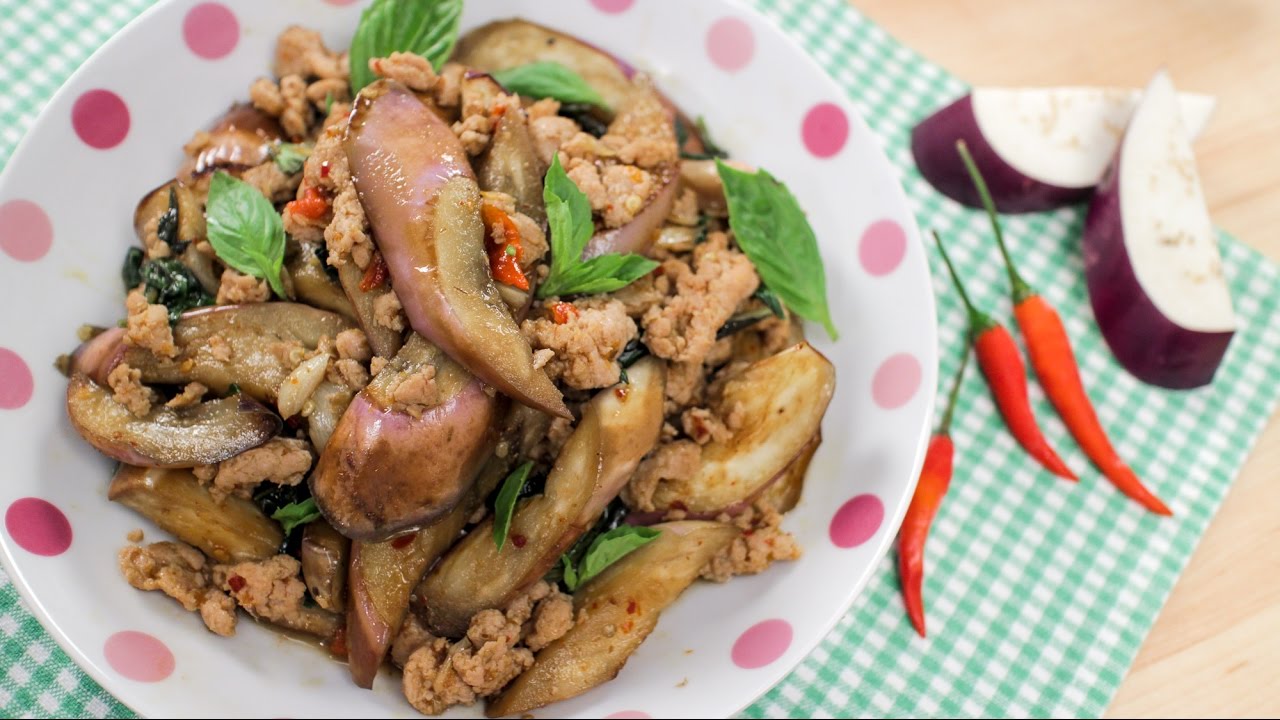
Thai Eggplant Recipe: Thai eggplant is one of those vegetables that instantly transports you to the streets of Bangkok with just one bite. Small, round, and slightly crunchy, it’s a staple ingredient in authentic Thai cuisine. If you’ve ever enjoyed Thai green curry or spicy stir-fries, chances are you’ve tasted this unique vegetable without even realizing it.
Unlike the large purple eggplants commonly found in Western kitchens, Thai eggplants are smaller and often green with white stripes. They have a mild bitterness and a firm texture that holds up beautifully in curries and stir-fries. That slight bitterness? It balances rich coconut milk and bold spices perfectly.
This guide walks you through a simple and classic Thai eggplant recipe that’s easy to follow, beginner-friendly, and packed with flavor. Whether you’re cooking for your family or just experimenting with Thai flavors at home, this step-by-step guide will help you create a dish that tastes authentic and satisfying.
Ready to bring Thai flavors into your kitchen? Let’s dive in.
What Makes Thai Eggplant Unique?
Appearance and Taste
Thai eggplants are typically small, round, and about the size of a golf ball. Their color ranges from pale green to deep green with white stripes. When you cut into them, you’ll notice firm white flesh with small edible seeds.
Flavor-wise, they’re slightly bitter but not overpowering. That mild bitterness actually enhances savory dishes. When cooked properly, they absorb sauces beautifully while keeping a subtle crunch. Think of them as little flavor sponges.
Nutritional Value
Thai eggplants are low in calories and rich in fiber. They also contain antioxidants, vitamins A and C, and potassium. Adding them to your meals not only boosts flavor but also contributes to a balanced diet.
Why You’ll Love This Thai Eggplant Recipe
This recipe is simple, classic, and packed with bold Thai flavors. It uses fresh ingredients, basic cooking techniques, and requires minimal preparation time.
Here’s why it stands out:
- Quick and easy to prepare
- Perfect balance of sweet, salty, and savory
- Customizable with chicken, tofu, or shrimp
- Great as a main dish or side
You don’t need fancy equipment or hard-to-find ingredients. Once you cook this once, it might become a regular on your weekly menu.
Ingredients You’ll Need
Main Ingredients
- 8–10 Thai eggplants (cut into quarters)
- 1 cup coconut milk
- 1 tablespoon vegetable oil
- 1 cup sliced chicken (or tofu for vegetarian option)
Aromatics and Seasonings
- 2 cloves garlic (minced)
- 1 tablespoon Thai red curry paste
- 1 tablespoon fish sauce
- 1 teaspoon soy sauce
- 1 teaspoon sugar
- Fresh Thai basil leaves
- 1 red chili (sliced, optional)
Optional Add-Ins
- Bell peppers
- Bamboo shoots
- Kaffir lime leaves
These ingredients create that authentic Thai flavor profile—spicy, savory, slightly sweet, and aromatic.
Kitchen Tools Required
Before you begin, make sure you have:
- Sharp knife
- Cutting board
- Large skillet or wok
- Wooden spoon or spatula
- Measuring spoons
A wok works best because it distributes heat evenly, but a deep skillet works just as well.
Preparing Thai Eggplant Before Cooking
Washing and Cutting
Rinse the eggplants thoroughly under cold water. Trim off the stems and cut them into quarters. If they’re slightly larger, cut them into six pieces.
Preventing Browning
Eggplants can brown quickly once cut. To prevent this, place the cut pieces in a bowl of water with a little salt. This keeps them fresh and reduces bitterness.
Drain before cooking.
How to Make Thai Eggplant – Step by Step Guide
Step 1: Preparing the Sauce
Start by heating your wok or skillet over medium heat. Add one tablespoon of vegetable oil.
Once heated, add the Thai red curry paste. Stir it gently for about 1–2 minutes. This step is important because frying the paste releases its aroma and deepens the flavor.
Next, pour in half of the coconut milk. Stir continuously until the mixture becomes smooth and slightly thick. The oil from the paste will begin separating slightly—this is exactly what you want.
This base creates a rich and flavorful sauce that will coat the eggplants beautifully.
Step 2: Sautéing Aromatics
Add minced garlic to the curry mixture. Stir for about 30 seconds until fragrant. Be careful not to burn it.
If you’re using chicken, add it at this stage. Cook for 3–4 minutes until it turns white and is partially cooked.
The aroma at this point will be incredible—spicy, creamy, and garlicky all at once.
Step 3: Cooking the Thai Eggplant
Drain the eggplants and add them directly to the wok.
Stir well so they’re coated in the curry sauce. Pour in the remaining coconut milk and a splash of water if needed.
Bring everything to a gentle simmer. The eggplants will start absorbing the flavors immediately.
Cook for about 8–10 minutes, stirring occasionally. They should become tender but not mushy.
Step 4: Simmering for Perfect Texture
Lower the heat slightly and cover the pan for 5 minutes.
This helps the eggplants cook evenly and soften while maintaining a slight bite. You don’t want them too soft—they should still hold their shape.
Check tenderness by piercing with a fork. If it slides in easily but the eggplant doesn’t fall apart, it’s perfect.
Step 5: Final Seasoning and Garnishing
Add fish sauce, soy sauce, and sugar. Stir well.
Taste and adjust seasoning. Want it saltier? Add a bit more fish sauce. Sweeter? A pinch of sugar.
Turn off the heat and stir in fresh Thai basil leaves. The residual heat will release their fragrance.
Top with sliced red chili for a touch of heat.
Tips for Perfect Thai Eggplant Every Time
- Don’t overcook the eggplants
- Use fresh Thai basil for authentic flavor
- Always fry curry paste first
- Taste and adjust seasoning at the end
Cooking is about balance. Trust your taste buds.
Common Mistakes to Avoid
- Skipping the sautéing step
- Overcrowding the pan
- Using too much water
- Overcooking the eggplant
Simple adjustments make a huge difference in the final result.
Serving Suggestions
Serve hot with:
- Steamed jasmine rice
- Brown rice
- Rice noodles
You can also pair it with a light cucumber salad for freshness.
Variations of Thai Eggplant Recipe
You can easily customize this dish:
- Vegetarian: Replace chicken with tofu
- Spicy: Add extra chili
- Creamier: Increase coconut milk
- Low-carb: Serve without rice
Thai cuisine is flexible—make it your own.
Health Benefits of Thai Eggplant
Thai eggplants are rich in fiber and antioxidants. Coconut milk provides healthy fats, while herbs like basil offer anti-inflammatory properties.
This dish is nourishing, satisfying, and balanced.
Storing and Reheating Leftovers
Store leftovers in an airtight container in the refrigerator for up to 3 days.
Reheat gently on the stove over low heat. Add a splash of water or coconut milk to loosen the sauce.
Avoid microwaving too long to prevent overcooking the eggplant.
FAQs about Thai Eggplant Recipe
1. Can I use regular eggplant instead of Thai eggplant?
Yes, you can substitute regular eggplant if Thai eggplant isn’t available. Keep in mind that the texture will be softer, so cut it into small, even cubes for the best results.
2. Is this recipe very spicy?
It depends on the type and amount of curry paste you use. Some pastes are quite spicy, while others are milder. You can easily adjust the heat by reducing or increasing the chili content.
3. Can I make it vegan?
Absolutely. Use tofu instead of meat and replace fish sauce with soy sauce or tamari. The dish will still be rich, flavorful, and satisfying.
4. Where can I buy Thai eggplant?
Thai eggplants are commonly found in Asian grocery stores, especially in the fresh produce section.
5. Can I freeze this dish?
Freezing is not recommended because eggplant tends to become mushy when thawed, which can affect the overall texture of the dish.
Conclusion
This simple and classic Thai eggplant recipe brings authentic Thai flavors into your home kitchen without complicated steps. With creamy coconut milk, aromatic curry paste, and fresh basil, every bite delivers a perfect balance of flavor and texture.
Whether you’re new to Thai cooking or already a fan, this dish is easy, versatile, and satisfying. Once you try it, you’ll realize how simple ingredients can create something truly special.