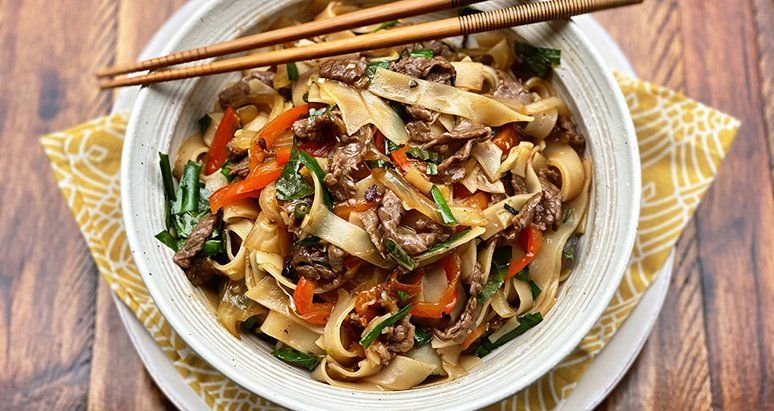
Thai Drunken Noodles Recipe: Thai cuisine is well-loved around the world for its bold flavors, vibrant colors, and perfect balance of sweet, sour, salty, and spicy notes. Among the most popular dishes, Thai Drunken Noodles—also known as Pad Kee Mao—stands out as a true comfort food. Despite its curious name, this dish doesn’t actually contain alcohol. Instead, it refers to the idea that the dish is so spicy, it could “wake up a drunk person” or that it pairs wonderfully with a cold beer after a long night out.
What makes drunken noodles so special is their versatility. You can prepare them with chicken, beef, shrimp, tofu, or even just vegetables, and they’ll still turn out delicious. Plus, the spice level can be easily adjusted to suit your preference. Whether you enjoy mild heat or fiery chili, this recipe adapts beautifully.
Before diving into the step-by-step guide, let’s look at the essential ingredients you’ll need to recreate this restaurant-quality dish right in your own kitchen.
Ingredients You’ll Need
The magic of Thai drunken noodles lies in the ingredients. Each one contributes to the harmony of flavors that makes this dish so irresistible. To make it easier, let’s break them down into categories:
Main Ingredients for the Noodles
- Wide rice noodles (fresh or dried): These are the heart of the dish. Their chewy texture and ability to soak up sauce are what make drunken noodles stand out from other Thai stir-fries. If you can’t find fresh noodles, dried ones work well after soaking.
- Cooking oil (vegetable or peanut): A neutral, high-heat oil works best for stir-frying.
Vegetables to Enhance Flavor
- Onion or shallots: Adds a sweet, aromatic base.
- Bell peppers (red, green, or yellow): Brightens the dish with crunch and sweetness.
- Broccoli, baby corn, or carrots: Optional but great for extra color and nutrition.
- Thai basil (holy basil if available): Gives the dish its signature fragrance and slightly peppery taste.
Proteins: Chicken, Shrimp, or Tofu
- Chicken breast or thighs: Classic and juicy option.
- Shrimp: Adds a seafood richness that balances well with chili and garlic.
- Firm tofu: Perfect for vegetarians or anyone looking for a lighter protein source.
Key Sauces and Seasonings
- Soy sauce (light and dark): Creates depth and umami.
- Oyster sauce: Adds a savory-sweet richness.
- Fish sauce: Provides the salty, authentic Thai flavor.
- Chili paste or fresh Thai chilies: Brings the signature heat.
- Garlic: A must-have for its sharp, aromatic punch.
- Sugar (palm sugar if possible): Balances out the saltiness.
Optional Garnishes
- Lime wedges: A squeeze of lime adds freshness.
- Crushed peanuts: Adds crunch and nuttiness.
- Fresh cucumber slices: Helps cool down the heat.
Having these ingredients prepped and ready makes the cooking process fast and smooth since stir-frying moves quickly once you start.
Kitchen Tools and Preparation
Before firing up the stove, let’s make sure you have the right tools on hand. Drunken noodles are all about quick cooking at high heat, so preparation is key.
Essential Cooking Utensils
- Wok or large skillet: A wok is ideal for even heat distribution and quick stir-frying, but a wide skillet can also work.
- Sharp knife: Essential for slicing vegetables and proteins thinly.
- Cutting board: A sturdy surface to prep all your ingredients.
- Mixing bowls: Useful for combining sauces ahead of time.
- Tongs or spatula: Helps with tossing noodles evenly in the wok.
Prepping Ingredients the Right Way
Since stir-frying happens quickly, having everything ready before cooking is crucial. Slice your protein into bite-sized strips, chop your vegetables uniformly, and soak or boil your noodles according to the package instructions. Prepare your sauce mixture in advance by combining soy sauce, oyster sauce, fish sauce, and sugar in a bowl. This way, you won’t need to fumble with bottles while your wok is on high heat.
Tips for Working with Rice Noodles
- If using fresh rice noodles, separate them gently before cooking to avoid clumping.
- If using dried noodles, soak them in warm water until pliable but not mushy. They will finish cooking in the wok.
- Avoid overcooking noodles beforehand since they can easily turn mushy when stir-fried.
Preparation may feel like an extra step, but it saves time and ensures your drunken noodles come out perfectly balanced and flavorful.
Step-by-Step Cooking Guide
Now comes the fun part—bringing everything together. Follow these simple steps to make authentic Thai drunken noodles at home.
Step 1: Preparing the Noodles
Start by soaking dried rice noodles in warm water for about 30 minutes, or cook fresh noodles briefly until they’re soft but still chewy. Drain and set aside. This ensures they won’t break apart during stir-frying.
Step 2: Stir-Frying the Aromatics
Heat oil in your wok over high heat. Add garlic and Thai chilies, stirring quickly to release their fragrance. Be careful—this step is where the heat really kicks in, so you might want to open a window!
Step 3: Cooking the Protein
Add your choice of chicken, shrimp, or tofu. Stir-fry until the protein is cooked through and lightly browned. This layer builds the heartiness of the dish.
Step 4: Adding Vegetables
Toss in your sliced onions, bell peppers, and any additional vegetables. Cook until they’re just tender but still crisp. This maintains the texture balance of the noodles.
Step 5: Mixing Sauces and Noodles Together
Pour in your pre-mixed sauce, then add the drained noodles. Use tongs or a spatula to toss everything together, ensuring the sauce evenly coats the noodles. Finish by adding Thai basil leaves and giving it one final stir before removing from the heat.
At this point, your kitchen will smell heavenly, and your noodles will be ready to serve hot and fresh!
Serving Suggestions
Once your Thai Drunken Noodles are sizzling and ready, the next step is presentation. While the dish is naturally bold and flavorful, a few thoughtful serving ideas can take it from delicious to unforgettable. In Thailand, this street-food favorite is often served casually in a paper box or a bowl with a simple garnish. But at home, you have the freedom to make it as elegant or as relaxed as you like.
Traditional Thai Accompaniments
In Thailand, drunken noodles are usually paired with cooling and refreshing sides to balance the spice. Fresh cucumber slices, tomato wedges, or even a light Thai salad work perfectly. A wedge of lime is also traditional, allowing each diner to squeeze a burst of acidity over the noodles to brighten the flavors.
If you enjoy bold heat, keep a small dish of sliced fresh chilies in fish sauce on the table. This condiment, known as Prik Nam Pla, is a staple in Thai dining culture. Guests can drizzle it over their noodles to dial up the spice level according to their taste.
Beverage Pairings
The name “drunken noodles” hints at the fact that this dish is often enjoyed with drinks. In Thailand, it’s commonly eaten late at night with a cold beer. The spice from the noodles pairs beautifully with crisp, refreshing beverages.
If you’re not a beer drinker, consider:
- Thai iced tea: Its creamy sweetness balances the heat.
- Sparkling water with lime: Cleanses the palate between bites.
- Chilled white wine (like Riesling or Sauvignon Blanc): Its light fruitiness complements the bold sauce.
Creative Serving Ideas
Want to impress guests at a dinner party? Serve drunken noodles in a large platter garnished with extra Thai basil and chili slices for a vibrant look. For individual servings, try shallow bowls that allow the sauce and noodles to spread out evenly, making every bite saucy and flavorful.
For a more casual approach, scoop noodles into takeout-style boxes for a fun, street-food-inspired presentation. Pair with chopsticks or forks depending on your guests’ comfort level.
However you serve them, remember—drunken noodles are best enjoyed fresh, straight from the wok. The flavors are bold, the texture chewy yet tender, and the aroma irresistible.
Tips for Perfect Drunken Noodles
Even though this recipe is straightforward, small details can make a big difference. Here are some pro tips to ensure your noodles turn out restaurant-quality every single time.
Control the Heat
Drunken noodles are meant to be spicy, but the level of heat is up to you. If you’re cooking for a crowd with mixed preferences, start mild. You can always add chili flakes or fresh sliced chilies later. Thai bird’s eye chilies are traditional, but you can substitute with serrano or jalapeños if needed.
Don’t Overcook the Noodles
One of the most common mistakes is overcooking rice noodles. Since they cook further when stir-fried with the sauce, keep them slightly firm when soaking or boiling. This prevents them from becoming mushy and helps them hold their chewy texture.
Work Quickly
Stir-frying happens fast. Make sure everything—protein, vegetables, sauce, and noodles—is prepped and within arm’s reach before you start. High heat is essential for that smoky “wok hei” flavor, but it also means things can burn quickly if you’re not ready.
Balance the Sauce
Thai cuisine is all about balance: sweet, salty, sour, and spicy. Taste your sauce before adding it to the noodles. Too salty? Add a pinch of sugar. Too sweet? Splash in more soy sauce. Too spicy? A little lime juice can mellow it out.
Use Fresh Thai Basil
Regular Italian basil won’t give the same flavor. Thai holy basil has a peppery kick that’s essential for authentic drunken noodles. If you can’t find it, Thai sweet basil is the next best choice.
With these tips in mind, your noodles will not only taste authentic but will also impress anyone lucky enough to share the meal with you.
Variations of Drunken Noodles
One of the best things about drunken noodles is how versatile they are. You can switch up the ingredients to suit your taste, dietary needs, or simply what you have in your pantry.
Vegetarian or Vegan Version
Skip the fish sauce and oyster sauce, replacing them with soy sauce or a vegan “fish” sauce alternative. Use tofu or mushrooms as your protein. The flavors will still be robust and satisfying.
Seafood Lover’s Drunken Noodles
Instead of just shrimp, try adding a mix of squid, scallops, and mussels. Seafood adds natural sweetness and a rich umami that pairs beautifully with the spicy sauce.
Beef Drunken Noodles
Thinly sliced flank steak or sirloin works wonderfully. Cook it quickly in the wok to keep it tender. Beef brings a heartier, richer flavor compared to chicken or tofu.
Low-Carb Drunken Noodles
If you’re watching carbs, try using zucchini noodles, shirataki noodles, or even spaghetti squash. While it won’t be exactly the same, the sauce and toppings carry the flavor well.
Extra Spicy “Authentic Street Style”
For those who love real heat, double the amount of Thai chilies, add chili flakes, and drizzle chili oil over the finished dish. Just be prepared—it’s not for the faint of heart!
These variations make drunken noodles endlessly adaptable. Whether you’re cooking for a family dinner, a vegetarian friend, or someone who loves spice, there’s a version for everyone.
Health Benefits of Thai Drunken Noodles
While drunken noodles are often seen as indulgent comfort food, they also pack several health benefits, especially when prepared thoughtfully.
Protein-Rich Options
Adding chicken, shrimp, or tofu boosts the protein content, making this dish filling and nutritious. Protein supports muscle growth and repair, and it keeps you satisfied longer.
Vegetable Power
The colorful mix of bell peppers, onions, and optional broccoli or baby corn provides fiber, vitamins A and C, and antioxidants. These help strengthen the immune system and improve digestion.
Spicy Goodness
Chilies contain capsaicin, which not only adds heat but may also boost metabolism, reduce inflammation, and improve heart health.
Balanced Energy
Rice noodles are gluten-free and provide a quick source of energy. Combined with protein and vegetables, they make for a well-rounded meal.
Of course, portion size matters. While drunken noodles can be calorie-dense due to the sauces, making them at home allows you to control oil, sugar, and sodium levels. That way, you can enjoy this dish guilt-free while reaping its benefits.
Common Mistakes to Avoid
Cooking Thai drunken noodles may seem straightforward, but there are a few pitfalls that can ruin the dish if you’re not careful. Knowing what to avoid will help you get that authentic, restaurant-quality flavor and texture.
Using the Wrong Noodles
Not all noodles work for drunken noodles. Wide rice noodles are essential for the chewy, slightly slippery texture that holds onto the sauce. Substituting with thin noodles or wheat-based pasta changes the dish completely. If wide noodles aren’t available, medium rice noodles are acceptable, but avoid spaghetti or glass noodles.
Overcrowding the Wok
When too many ingredients are crammed into the wok, the heat drops, and instead of stir-frying, your food steams. This results in soggy noodles and limp vegetables. Always cook in batches if your wok is small to maintain that high heat needed for perfect stir-fry.
Skipping the Sauce Prep
Some cooks make the mistake of pouring sauces directly into the wok one by one. This wastes time and can lead to uneven flavors. Always mix your sauce ahead of time in a small bowl so you can add it quickly and evenly coat the noodles.
Forgetting the Basil
Thai holy basil (or Thai sweet basil as a substitute) is what gives drunken noodles their distinct aroma and slightly peppery taste. Skipping it makes the dish feel incomplete, like pizza without cheese.
Overcooking Proteins
Whether it’s chicken, shrimp, or beef, overcooking your protein makes it tough and chewy. Stir-fry it just until it’s done, then move on to the next step. The quick, high heat of the wok locks in flavor and tenderness.
By keeping these mistakes in mind, you’ll ensure your drunken noodles turn out perfectly balanced, flavorful, and true to their Thai street-food roots.
Storing and Reheating Drunken Noodles
Drunken noodles are best enjoyed fresh, but sometimes you’ll have leftovers. Luckily, they store and reheat fairly well if you handle them properly.
How to Store
- Allow the noodles to cool completely before storing.
- Transfer them into an airtight container.
- Store in the refrigerator for up to 3 days.
If you’ve added seafood, it’s best to eat within 1–2 days for maximum freshness.
How to Reheat
- Stovetop method (best option): Heat a wok or skillet with a little oil, then add the noodles. Stir-fry on medium-high heat until warmed through. Add a splash of water or broth if they seem dry.
- Microwave method (quick option): Place the noodles in a microwave-safe dish, cover with a damp paper towel, and heat in 30-second bursts, stirring in between.
Avoid reheating multiple times, as the noodles can lose their texture and the basil flavor fades.
Freezing Drunken Noodles
While not ideal, you can freeze drunken noodles. Portion them into freezer bags or containers, squeeze out excess air, and store for up to 2 months. Thaw in the fridge overnight before reheating on the stove. However, frozen rice noodles may become softer than fresh.
With proper storage, your drunken noodles can still taste nearly as good the next day, making them a practical meal prep option.
Pairing Thai Drunken Noodles with Other Dishes
While drunken noodles shine on their own, pairing them with complementary Thai dishes can turn your meal into a feast.
Appetizers
- Spring Rolls: Crispy and light, they balance the spiciness of drunken noodles.
- Satay Skewers: Grilled chicken or beef skewers with peanut sauce add richness.
- Papaya Salad (Som Tum): A refreshing, tangy starter that cuts through the heat.
Soups
- Tom Yum Soup: Spicy and sour with shrimp, it pairs wonderfully with noodles.
- Tom Kha Gai: Creamy coconut chicken soup provides a cooling contrast.
Side Dishes
- Jasmine Rice: Helps soak up extra sauce and tones down spice for those with milder tastes.
- Thai Omelette (Khai Jiao): Fluffy, golden eggs with a crisp edge—perfect with noodles.
Desserts
- Mango Sticky Rice: Sweet and cooling, it’s a perfect ending after spicy noodles.
- Coconut Ice Cream: Creamy and refreshing, it balances the heat beautifully.
By pairing drunken noodles with other Thai favorites, you create a well-rounded dining experience that celebrates the best of Thai cuisine.
Cultural Significance of Drunken Noodles in Thailand
Drunken noodles aren’t just a dish; they’re part of Thailand’s vibrant street-food culture. Known locally as Pad Kee Mao, they’re sold in bustling night markets, roadside stalls, and casual eateries across the country.
The Name’s Origins
There are several theories about why they’re called “drunken” noodles:
- They’re so spicy, they can wake up a drunk person.
- They’re often eaten after late-night drinking sessions.
- The bold, fiery flavors pair perfectly with alcohol.
Regardless of the exact story, the name has stuck and is now famous worldwide.
Street Food Vibe
In Thailand, drunken noodles are often cooked in woks over high flames right in front of you. The sizzle, the smoke, and the quick tossing of noodles create a lively atmosphere that makes the dish even more enjoyable.
Global Popularity
Thanks to Thai restaurants around the world, drunken noodles have become a global favorite. Each country puts its own twist on the dish, from using locally available vegetables to adjusting spice levels. But no matter where you try it, the soul of the dish remains unmistakable.
Eating drunken noodles isn’t just about satisfying hunger—it’s about experiencing a piece of Thai culture, history, and culinary artistry in every bite.
FAQs about Thai Drunken Noodles Recipe
1. Do Thai drunken noodles contain alcohol?
No, despite the name, there’s no alcohol in the recipe. The “drunken” name refers to how well the dish pairs with drinks or its ability to wake someone up with spice.
2. Can I make drunken noodles less spicy?
Yes! Simply reduce the number of chilies or use a milder chili variety. You can also balance spice with extra lime juice or sugar.
3. What’s the difference between Pad Kee Mao and Pad Thai?
Pad Thai is sweeter, tangier, and uses tamarind sauce, while drunken noodles are savory, spicy, and rely on soy, oyster, and fish sauces.
4. Can I use spaghetti instead of rice noodles?
It’s possible in a pinch, but it won’t taste authentic. Rice noodles are key to achieving the right texture.
5. How long does it take to cook drunken noodles?
Once everything is prepped, the actual cooking takes less than 15 minutes—making it a quick and easy weeknight meal.
Conclusion
Thai Drunken Noodles (Pad Kee Mao) are more than just a meal—they’re an experience. With their bold flavors, spicy kick, and comforting texture, they’ve earned their spot as one of Thailand’s most beloved street foods. By following this step-by-step guide, you can bring the taste of authentic drunken noodles into your kitchen, customizing them with your choice of proteins, spice levels, and vegetables.
Whether enjoyed with friends, served at a family dinner, or eaten solo after a long day, this dish never disappoints. It’s quick, versatile, and packed with flavor, making it a must-try for anyone who loves Thai cuisine.
So grab your wok, prep your ingredients, and get ready to create a restaurant-worthy dish at home. Your taste buds—and your dinner guests—will thank you.