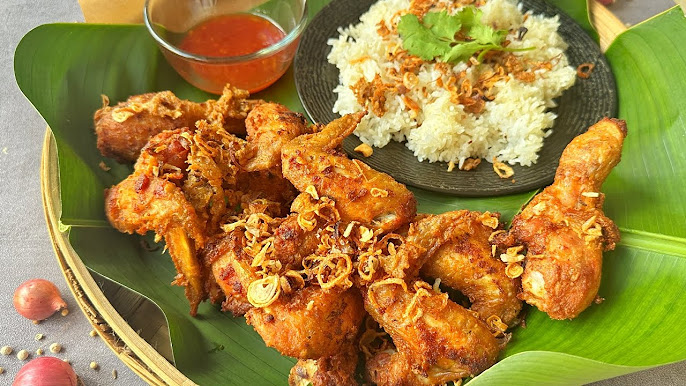
Thai Chicken Recipe: Thai cuisine is a beautiful blend of sweet, sour, salty, and spicy flavors, and one of the most loved dishes in this category is Thai Chicken. It’s a dish that instantly brings the taste of Thailand into your kitchen, offering a burst of flavors in every bite. What makes this dish even more exciting is how simple it is to prepare at home when you know the right steps and ingredients. Unlike other cuisines that might require advanced skills, Thai cooking is about balance, freshness, and bold flavors. Whether you’re new to cooking or already a foodie experimenting with international flavors, this recipe will guide you from start to finish.
When you think of Thai Chicken, you might picture fragrant basil, a rich soy and fish sauce blend, and tender chicken coated in savory, slightly spicy gravy. The truth is, Thai Chicken is not just one dish—it can be made in several variations such as Thai Basil Chicken, Thai Chicken Curry, or Thai Chicken Stir Fry. In this guide, we’ll go over a basic yet authentic Thai Chicken stir-fry recipe that’s easy to follow, delicious, and perfect for a weeknight dinner.
What Makes Thai Chicken Unique?
Thai chicken dishes are famous worldwide because of their ability to balance four essential flavors: sweet, salty, spicy, and sour. This balance is the heart of Thai cooking. For instance, sweetness comes from palm sugar or honey, saltiness from soy sauce or fish sauce, spiciness from chilies, and sourness from lime juice or tamarind. Together, these flavors dance on your taste buds, creating a harmony that keeps you craving more.
Unlike Western-style chicken recipes that often rely heavily on herbs like rosemary or thyme, Thai chicken emphasizes fresh herbs like basil, cilantro, and kaffir lime leaves. This freshness not only adds flavor but also provides a light, refreshing aroma.
Another thing that makes Thai chicken unique is the cooking method. Quick stir-frying over high heat keeps the chicken juicy while locking in the flavors of garlic, onion, and chili. In Thai homes and street food stalls, you’ll often see chefs working with sizzling hot woks that create a smoky, charred flavor called wok hei. That’s what we’re aiming for in this recipe.
Why You Should Try Cooking Thai Chicken at Home
You might be wondering, “Why should I try making Thai chicken at home when I can order it from a restaurant?” The answer is simple: homemade Thai chicken tastes fresher, is healthier, and costs a fraction of what you’d spend dining out. Plus, you have full control over the spice levels, portion sizes, and ingredients.
Cooking Thai chicken at home also allows you to experiment with different flavors. Want it spicier? Add extra chilies. Prefer a sweeter dish? A spoon of honey can do the trick. This flexibility makes it perfect for family dinners, especially if you’re cooking for people with different tastes.
Most importantly, cooking Thai food at home brings joy. There’s something incredibly satisfying about the aroma of garlic sizzling in hot oil, the sound of chicken searing in the wok, and the burst of flavor when you take that first bite. With the right recipe (like this one), anyone can master it.
Ingredients You’ll Need
Essential Ingredients for Authentic Flavor
To make authentic Thai chicken, you’ll need a handful of must-have ingredients that define its taste. Don’t worry, they’re simple and easily available in most grocery stores or Asian supermarkets:
- Chicken – Boneless, skinless chicken thighs are best because they stay juicy and tender. Chicken breast works too if you prefer leaner meat.
- Garlic – Freshly minced garlic gives that bold aroma Thai food is famous for.
- Chilies – Thai bird’s eye chilies are traditional, but you can use red chili flakes or jalapeños for a milder version.
- Soy Sauce – For the salty umami base.
- Fish Sauce – A must-have for authentic Thai flavor. It adds depth and savoriness.
- Oyster Sauce – Adds richness and a slight sweetness.
- Sugar or Honey – Balances out the saltiness and spice.
- Basil Leaves – Thai holy basil if available, or sweet basil as an alternative.
- Vegetable Oil – For stir-frying.
These are the non-negotiable basics that give your Thai chicken its signature taste.
Optional Ingredients for Extra Taste
If you want to take your dish to the next level, consider adding these optional extras:
- Onions or Shallots – For extra sweetness and crunch.
- Bell Peppers – Adds color and texture.
- Ginger or Galangal – A zesty kick that complements garlic.
- Lime Juice – Adds a refreshing sour note.
- Kaffir Lime Leaves – Traditional in Thai cuisine for fragrance.
Substitutions for Common Allergies or Preferences
Don’t worry if you can’t find every ingredient or have dietary restrictions. Here are some smart substitutions:
- Gluten-Free: Swap soy sauce with tamari.
- Vegetarian: Replace chicken with tofu and fish sauce with soy sauce.
- Low-Sodium: Use reduced-salt soy sauce.
- Less Spicy: Remove chili seeds or replace them with bell peppers.
The beauty of Thai chicken is its adaptability—it’s easy to modify without losing its deliciousness.
Tools and Equipment Required
Kitchen Essentials for Thai Cooking
Cooking Thai chicken doesn’t require fancy equipment. Here’s what you need:
- Wok or Large Skillet: Essential for stir-frying at high heat.
- Sharp Knife and Cutting Board: For prepping chicken and veggies.
- Mixing Bowls: To marinate chicken and mix sauces.
- Spatula or Wooden Spoon: For stirring without damaging the wok.
- Measuring Spoons and Cups: To keep flavors balanced.
Useful Tips for Preparing Ingredients
- Always slice chicken thinly against the grain so it cooks quickly and stays tender.
- Chop garlic and chilies just before cooking to keep their aroma strong.
- If using basil, wash and pat dry the leaves so they don’t wilt too quickly in the wok.
- Prepare all ingredients ahead of time—Thai cooking is fast-paced, and you won’t have time to chop once the wok is hot.
Preparing Your Ingredients
Cleaning and Cutting the Chicken
Start by rinsing the chicken thoroughly under cold water and patting it dry with paper towels. This step ensures the chicken doesn’t release too much water during cooking. Next, trim off excess fat if you prefer leaner bites. Cut the chicken into thin, bite-sized strips. Cutting thin helps the chicken cook evenly and absorb the marinade faster.
Pro tip: Place your chicken in the freezer for about 10 minutes before cutting. This makes slicing thin strips much easier.
Prepping Vegetables and Herbs
Wash and chop your vegetables. For bell peppers, remove the seeds and slice into thin strips. Onions or shallots should be sliced thinly to caramelize quickly. For garlic, mince it finely for an even distribution of flavor.
When it comes to herbs, keep basil leaves whole instead of chopping them. This preserves their aroma and adds a beautiful finish to the dish.
Making the Sauce Base
In a small bowl, mix 2 tablespoons soy sauce, 1 tablespoon fish sauce, 1 tablespoon oyster sauce, 1 teaspoon sugar (or honey), and 1 tablespoon water. Stir well until the sugar dissolves. This sauce is the heart of the dish, giving it that sweet-salty balance.
If you prefer more spice, add chili flakes or minced chilies to the sauce. For a tangy kick, squeeze in half a lime. Adjust to taste—it should have a balanced flavor before you even add it to the chicken.
Step-by-Step Guide to Cooking Thai Chicken
Step 1: Marinate the Chicken
The first step in making flavorful Thai chicken is marination. While some recipes skip this step, marinating enhances the taste and ensures that every bite of chicken is juicy and well-seasoned.
Place the sliced chicken strips into a bowl and add 1 tablespoon soy sauce, 1 teaspoon fish sauce, a pinch of sugar, and a drizzle of oil. Mix everything together until the chicken is coated evenly. If you like your chicken more flavorful, you can also add a teaspoon of minced garlic or ginger into the marinade.
Cover the bowl and let the chicken rest for at least 15–20 minutes. If you have time, marinate it for an hour in the refrigerator. This allows the flavors to soak deep into the meat.
Why is this step important? Because marinating makes a huge difference in taste and tenderness. Instead of bland chicken, you’ll have perfectly seasoned pieces that burst with flavor even before adding the sauce.
Step 2: Stir-Frying the Aromatics
Now comes the part where your kitchen will start smelling amazing! Heat about 2 tablespoons of oil in a wok or large skillet over medium-high heat. When the oil is hot, add minced garlic and sliced chilies.
Stir-fry them for 30–40 seconds until fragrant. Be careful not to burn the garlic, as it can turn bitter. The aroma of garlic and chili is the soul of Thai chicken—it sets the stage for all the flavors to come.
At this stage, you can also add onions or shallots if you’re using them. They’ll soften slightly and add a hint of natural sweetness to balance the dish.
Step 3: Cooking the Chicken Properly
Once your aromatics are sizzling, add the marinated chicken strips to the wok. Spread them out so they cook evenly instead of steaming.
Stir-fry on high heat for about 5–7 minutes, or until the chicken turns golden brown and is cooked through. Keep tossing the chicken so it absorbs the garlic-chili flavors.
Pro tip: Don’t overcrowd the pan. If you’re making a large portion, cook the chicken in batches. Overcrowding traps steam and prevents the chicken from getting that delicious seared flavor.
To check if the chicken is done, cut a piece—it should be white inside, not pink.
Step 4: Adding the Sauce and Veggies
When the chicken is nearly cooked, pour in the prepared sauce mixture. Stir well so every piece of chicken gets coated with the glossy, flavorful sauce. The sauce should thicken slightly as it cooks.
Now add your vegetables—bell peppers, onions, or any optional veggies you prefer. Stir-fry for another 2–3 minutes until the vegetables are tender but still crisp. This step keeps the dish colorful, healthy, and balanced.
The trick here is timing: add the veggies towards the end so they don’t overcook. Thai dishes are meant to have a bit of crunch, not mushy vegetables.
Step 5: Final Touches and Garnishing
Finally, toss in a generous handful of fresh basil leaves. Stir just until they wilt and release their fragrance. Turn off the heat immediately—you don’t want to overcook the basil.
For garnish, sprinkle some chopped cilantro and add a squeeze of fresh lime juice for brightness. If you love spice, add a few extra chili slices on top.
And just like that, your homemade Thai Chicken is ready to be served! It’s fragrant, flavorful, and bursting with authentic Thai taste.
Serving Suggestions
Best Side Dishes to Pair With Thai Chicken
Thai chicken is versatile and pairs beautifully with a variety of sides. Here are some ideas:
- Steamed Jasmine Rice: The classic pairing, perfect for soaking up the rich sauce.
- Sticky Rice: Popular in Northern Thailand, this adds a chewy texture.
- Fried Rice: Turn it into a full meal with Thai-style fried rice on the side.
- Rice Noodles: A great alternative if you want something lighter than rice.
- Fresh Cucumber Salad: A refreshing side to balance the spiciness.
If you’re entertaining guests, serve Thai chicken with multiple sides for a complete Thai dining experience.
Presentation Tips to Impress Guests
- Serve the chicken in a decorative bowl or plate with jasmine rice on the side.
- Garnish with extra basil leaves, lime wedges, or sesame seeds.
- For an authentic touch, place the dish on banana leaves or in a traditional Thai serving bowl.
- Pair with a chilled Thai iced tea or coconut water for the perfect meal combination.
Presentation isn’t just about looks—it enhances the dining experience. When your dish looks beautiful, it makes the flavors even more enjoyable.
Tips for Perfect Thai Chicken
Balancing Sweet, Sour, Salty, and Spicy Flavors
Thai food is all about balance. If your dish tastes too salty, add a bit of sugar or lime juice. If it’s too sweet, increase the soy sauce or fish sauce. Too spicy? Balance it with honey or more vegetables.
Remember, the perfect Thai chicken should have all four flavors working together—not one overpowering the other.
Common Mistakes to Avoid
- Overcooking the chicken: This makes it dry. Keep the heat high and cooking time short.
- Adding basil too early: It will wilt and lose its flavor. Always add it at the end.
- Skipping fish sauce: It may smell strong, but it’s the backbone of Thai cooking. Without it, the dish will taste incomplete.
- Overcrowding the wok: Cook in batches if necessary to keep the stir-fry texture.
By avoiding these mistakes, you’ll end up with restaurant-quality Thai chicken right in your kitchen.
Variations of Thai Chicken
Thai Basil Chicken (Pad Krapow Gai)
One of the most popular street foods in Thailand, Pad Krapow Gai is a fiery stir-fry made with chicken, Thai holy basil, garlic, and chilies. It’s traditionally served with steamed jasmine rice and a fried egg on top. The egg yolk runs into the rice, creating a creamy texture that perfectly balances the spicy chicken.
If you want a truly authentic experience, make sure to use holy basil instead of sweet basil. Holy basil has a slightly peppery flavor that gives the dish its signature kick. It’s simple to make yet full of bold flavors that will remind you of Bangkok’s street food stalls.
Thai Chicken Curry
Another favorite variation is Thai Chicken Curry. This dish combines chicken with coconut milk, curry paste, and fresh herbs, resulting in a rich, creamy curry with layers of flavor. Depending on your taste, you can choose between red curry, green curry, or yellow curry paste.
The coconut milk balances the heat from the curry paste, creating a smooth sauce that pairs beautifully with rice or noodles. Vegetables like bamboo shoots, bell peppers, and carrots often find their way into the curry, making it a wholesome one-pot meal.
Thai Chicken Soup (Tom Kha Gai)
For a lighter option, try Tom Kha Gai, a coconut milk–based chicken soup flavored with lemongrass, galangal, kaffir lime leaves, and lime juice. It’s creamy, tangy, and slightly spicy—a comforting bowl of Thai flavors.
This soup is not only delicious but also soothing when you’re feeling under the weather. It’s like the Thai version of chicken noodle soup, but with a refreshing, fragrant twist.
Health Benefits of Thai Chicken
Nutritional Value of the Ingredients
Thai chicken isn’t just tasty—it’s also packed with nutrients. Chicken provides a lean source of protein, which helps in muscle growth and repair. Fresh herbs like basil and cilantro are rich in antioxidants that support immune health. Garlic and chili boost metabolism and aid digestion, while vegetables like bell peppers add a dose of vitamin C.
Fish sauce and soy sauce contain important minerals, but they can be high in sodium. That’s why balancing them with lime juice, honey, and vegetables makes the dish not only delicious but also nutritionally balanced.
Why It’s a Healthy Choice
Unlike deep-fried dishes, Thai chicken is stir-fried quickly with minimal oil, making it a lighter choice. The inclusion of fresh herbs and spices means you’re eating clean, natural flavors instead of relying on heavy cream or artificial seasonings.
Another health benefit is that Thai food often uses chili peppers, which contain capsaicin—a compound that helps with weight management and improves heart health. Combined with lean protein and veggies, Thai chicken is a well-rounded meal suitable for anyone looking to eat healthier without sacrificing flavor.
Storage and Reheating
How to Store Leftovers Properly
If you’ve made a big batch of Thai chicken, don’t worry—it stores beautifully. Once the chicken has cooled down, transfer it to an airtight container and refrigerate. It will stay fresh for up to 3–4 days.
For longer storage, you can freeze it. Place the chicken in freezer-safe bags or containers, removing as much air as possible. Frozen Thai chicken lasts up to 2 months.
Best Ways to Reheat Without Losing Flavor
The best way to reheat Thai chicken is on the stovetop. Simply heat a wok or skillet, add a splash of water or chicken broth, and stir-fry the leftovers until heated through. This keeps the chicken juicy and prevents it from drying out.
If you’re in a hurry, you can use the microwave. Just cover the dish with a lid or microwave-safe wrap to lock in moisture. Stir halfway through to ensure even heating.
Avoid reheating too many times, as this can make the chicken tough and the herbs lose their flavor.
FAQs about Thai Chicken Recipe
1. Can I make Thai chicken without fish sauce?
Yes, you can replace fish sauce with soy sauce or tamari. While it won’t have the same depth of flavor, it’s a good alternative for those with allergies or dietary restrictions.
2. What type of chicken is best for this recipe?
Boneless, skinless chicken thighs are ideal because they stay tender and juicy. Chicken breast works too, but it may dry out faster if overcooked.
3. Is Thai chicken always spicy?
Not necessarily. You can adjust the spice level to your liking. Reduce or remove chilies for a milder version, or add extra for a fiery kick.
4. Can I prepare this dish ahead of time?
Yes! You can marinate the chicken and prepare the sauce in advance. Cook everything just before serving to keep it fresh and flavorful.
5. What’s the best rice to serve with Thai chicken?
Jasmine rice is the most traditional choice. Its fragrant aroma pairs perfectly with the bold flavors of Thai chicken. Sticky rice and rice noodles are also great options.
Conclusion
From marinating the chicken to stir-frying the aromatics and finishing with fresh basil, each step adds a layer of flavor that makes Thai cuisine so unique. Plus, with all the variations—like Thai basil chicken, chicken curry, or Tom Kha Gai—you’ll never run out of ways to enjoy this versatile dish.
Whether you’re cooking for yourself, your family, or entertaining guests, Thai chicken is guaranteed to impress. So grab your wok, gather your ingredients, and give this recipe a try. Once you do, it’ll likely become one of your go-to meals for busy weeknights or special dinners.