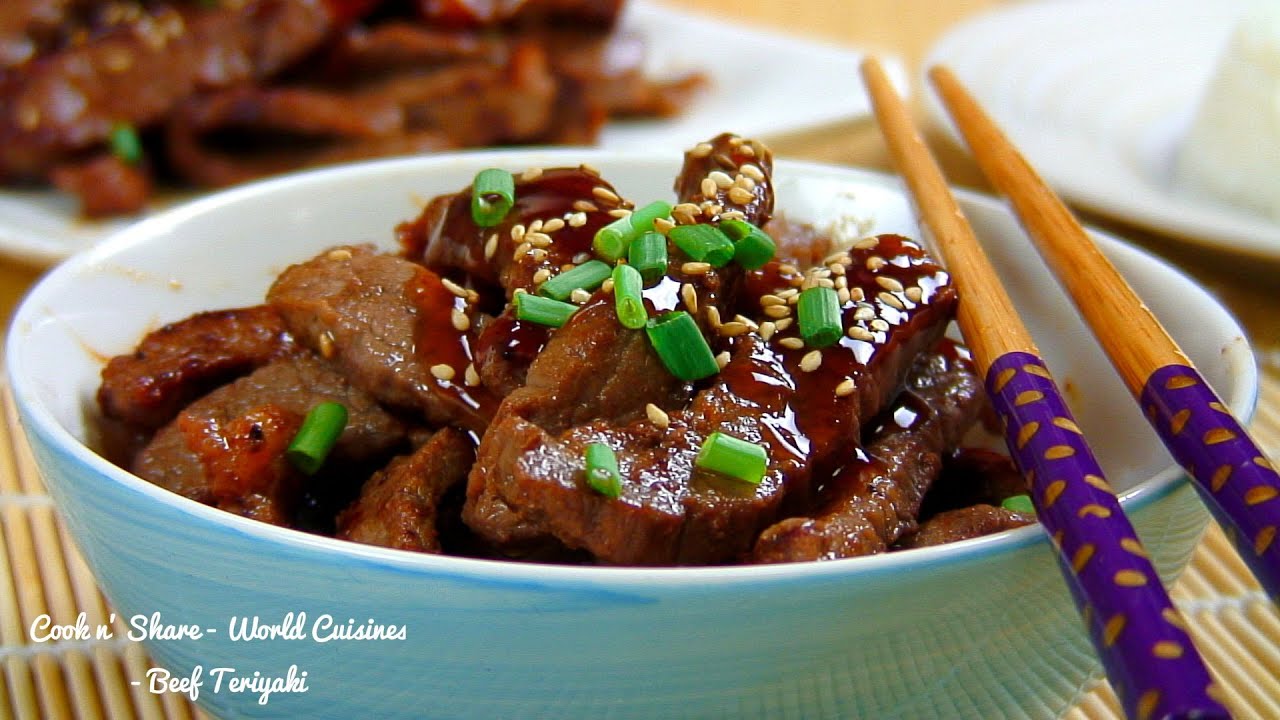
Teriyaki Steak Recipe: There’s something incredibly satisfying about a perfectly cooked teriyaki steak. The rich aroma of soy sauce, the subtle sweetness of brown sugar, and the deep umami flavor that coats every slice of tender beef—it’s comfort food with a bold personality. If you’ve ever ordered teriyaki steak at a Japanese restaurant and wondered how to recreate that magic at home, you’re in the right place.
The beauty of teriyaki steak lies in balance. Sweet meets salty. Savory meets smoky. Tender meat meets sticky glaze. And when cooked properly, the steak remains juicy inside while coated in a glossy, flavorful sauce outside.
In this professional step-by-step guide, you’ll learn exactly what ingredients you need, how to prepare the perfect marinade, and how to cook your steak to perfection. Whether you’re using a grill, cast-iron skillet, or stovetop pan, this guide will walk you through every detail—simply and clearly.
Let’s start with what you’ll need.
Ingredients You’ll Need
Before you turn on the stove or fire up the grill, gather your ingredients. A well-prepared kitchen makes cooking smoother and more enjoyable. The good news? Teriyaki steak requires simple pantry staples.
Main Ingredients
- 2 ribeye, sirloin, or New York strip steaks (about 1 inch thick)
- Salt (to taste)
- Black pepper (to taste)
- 1 tablespoon vegetable oil (for cooking)
Teriyaki Marinade Ingredients
- ½ cup soy sauce (low sodium preferred)
- ¼ cup brown sugar
- 2 tablespoons honey
- 2 cloves garlic (minced)
- 1 tablespoon fresh ginger (grated)
- 2 tablespoons rice vinegar
- 1 tablespoon sesame oil
- 1 tablespoon cornstarch (optional, for thickening)
- 2 tablespoons water (if thickening sauce)
Optional Garnishes
- Sesame seeds
- Chopped green onions
- Steamed broccoli
- White or jasmine rice
Each ingredient plays a role. Soy sauce provides saltiness and umami depth. Brown sugar and honey add sweetness and help create that signature glaze. Garlic and ginger bring warmth and aroma. Rice vinegar balances everything with a slight tang. Sesame oil adds a nutty finish that elevates the entire dish.
Keep the ingredient list simple and classic. There’s no need to overcomplicate it. The magic comes from technique as much as from ingredients.
Now that everything is ready, let’s talk about choosing the right steak.
Choosing the Right Cut of Steak
The cut of beef you choose can make or break your teriyaki steak. While the marinade adds flavor, the texture and tenderness come from the meat itself.
Best Steak Cuts for Teriyaki
Ribeye is often considered the best choice. It’s rich, well-marbled, and incredibly juicy. The fat melts during cooking, keeping the steak tender and flavorful.
Sirloin is a leaner option but still works beautifully. It absorbs marinade well and remains tender when not overcooked.
New York strip offers a perfect balance between tenderness and firmness. It has a satisfying bite and holds up well under high heat.
Avoid very thin cuts unless you’re aiming for quick stir-fry style cooking. For this classic teriyaki steak recipe, aim for steaks about one inch thick. This thickness allows you to develop a caramelized crust without overcooking the inside.
How to Select Fresh, High-Quality Beef
When shopping, look for bright red meat with good marbling—those thin white lines of fat throughout the steak. Avoid meat that looks dull or has excessive liquid in the packaging.
If possible, buy from a trusted butcher. Fresh beef should have a clean smell and firm texture.
Choosing quality steak sets the foundation. Everything else builds on this.
Preparing the Teriyaki Marinade
The marinade is where the flavor truly begins. A good teriyaki marinade should taste slightly salty, gently sweet, and deeply savory. When you mix it together, you should smell garlic and ginger immediately—that’s when you know you’re on the right track.
In a medium bowl, combine soy sauce, brown sugar, honey, minced garlic, grated ginger, rice vinegar, and sesame oil. Whisk until the sugar dissolves completely. Taste it. Does it feel balanced? It should not be overly sweet or aggressively salty. If needed, adjust slightly—but keep it simple.
If you prefer a thicker glaze later, reserve a small portion of the marinade before adding it to raw meat. This portion can be simmered with cornstarch and water to create a glossy sauce for finishing.
Homemade marinade always tastes fresher than store-bought versions. It allows you to control sodium levels and sweetness. Plus, it only takes five minutes to prepare.
This mixture is what transforms a simple steak into a teriyaki masterpiece.
Marinating the Steak
Marinating is not just about soaking meat in sauce. It’s about allowing flavors to penetrate while tenderizing the surface.
Place the steaks in a shallow dish or resealable bag. Pour the marinade over them, ensuring each side is well coated. Seal and refrigerate.
How Long Should You Marinate?
For best results, marinate for at least 30 minutes. If you have time, 2 to 4 hours is ideal. Avoid marinating overnight, especially with thinner cuts, as the salt can start to alter the texture too much.
Tips for Maximum Flavor Absorption
- Turn the steaks halfway through marinating.
- Bring them to room temperature 20–30 minutes before cooking.
- Pat them lightly dry before searing to ensure a good crust.
Marinating is where patience pays off. Don’t rush it.
Step-by-Step Guide to Cooking Teriyaki Steak
Now comes the exciting part—cooking the steak. This is where flavor meets technique. The goal? A beautifully seared exterior, a juicy interior, and that glossy teriyaki glaze clinging to every bite. Whether you’re using a grill or stovetop, the process is straightforward if you follow each step carefully.
Step 1: Preparing the Steak
Remove the steak from the marinade and let any excess drip off. Pat it lightly with paper towels. This step is crucial. Too much liquid on the surface prevents proper browning. Season both sides lightly with salt and black pepper. Even though the marinade contains soy sauce, a small touch of seasoning enhances the crust.
Let the steak sit at room temperature for about 20–30 minutes before cooking. Cold steak placed directly into a hot pan can cook unevenly. Room-temperature meat cooks more consistently and develops a better sear.
Step 2: Heating the Pan or Grill
Heat a cast-iron skillet or heavy pan over medium-high heat. Add one tablespoon of vegetable oil and allow it to shimmer but not smoke. If grilling, preheat your grill to high and lightly oil the grates to prevent sticking.
High heat is key. That sizzling sound when the steak hits the pan? That’s flavor forming. A proper sear locks in juices and creates a caramelized crust.
Step 3: Cooking the Steak to Perfection
Place the steak in the hot pan and do not move it for the first 3–4 minutes. Let it develop a deep golden-brown crust. Flip once and cook the other side for another 3–4 minutes for medium-rare. Adjust cooking time based on your preferred doneness:
- Rare: 125°F (about 3 minutes per side)
- Medium-rare: 130–135°F (4 minutes per side)
- Medium: 140–145°F (5 minutes per side)
- Medium-well: 150°F (6 minutes per side)
Use a meat thermometer for precision. Guesswork often leads to overcooking.
Step 4: Adding the Teriyaki Glaze
If you reserved marinade earlier, now is the time to turn it into a glaze. In a small saucepan, combine the reserved marinade with 1 tablespoon cornstarch mixed with 2 tablespoons water. Simmer until thickened and glossy.
During the last minute of cooking, brush the glaze onto both sides of the steak. Let it caramelize slightly. Be careful not to burn the sugars.
Step 5: Resting and Slicing the Steak
Remove the steak from heat and let it rest for 5–10 minutes. Resting allows juices to redistribute throughout the meat. Skipping this step causes juices to run out when sliced.
Slice against the grain into thin strips. This shortens muscle fibers, making every bite tender and easy to chew.
Your teriyaki steak is now perfectly cooked—juicy, flavorful, and beautifully glazed.
Serving Suggestions
Presentation enhances the overall experience. Teriyaki steak is bold in flavor but pairs beautifully with simple sides.
Best Side Dishes
- Steamed jasmine or white rice
- Stir-fried vegetables (broccoli, bell peppers, snap peas)
- Garlic butter green beans
- Asian cucumber salad
- Mashed potatoes for a fusion twist
Rice is the classic choice. It absorbs the extra glaze and balances the savory sweetness of the steak.
Plating Like a Pro
Arrange sliced steak neatly over a bed of rice. Drizzle extra glaze on top. Sprinkle sesame seeds and chopped green onions for freshness and texture. Keep it clean and minimal. Sometimes simplicity speaks loudest.
The contrast of glossy sauce, vibrant green onions, and perfectly cooked beef makes the dish visually appealing and restaurant-worthy.
Common Mistakes to Avoid
Even a simple recipe can go wrong without attention to detail. Here are common pitfalls and how to avoid them:
- Over-marinating – Too much time in soy sauce can affect texture.
- Cooking on low heat – Prevents proper searing and caramelization.
- Skipping the resting period – Results in dry steak.
- Using cold steak straight from the fridge – Leads to uneven cooking.
- Burning the glaze – Sugar burns quickly; add glaze toward the end.
Avoiding these mistakes ensures consistent, professional-quality results every time.
FAQs about Teriyaki Steak Recipe
1. Can I use store-bought teriyaki sauce?
Yes, you can use store-bought teriyaki sauce for convenience. However, a homemade marinade allows you to control sweetness, saltiness, and thickness, resulting in a fresher and more balanced flavor.
2. What is the best steak doneness for teriyaki?
Medium-rare is ideal. It keeps the steak juicy and tender while allowing the teriyaki glaze to caramelize beautifully on the surface without overcooking the meat.
3. Can I cook teriyaki steak in the oven?
Yes. Start by searing the steak on the stovetop to lock in flavor, then transfer it to a preheated 400°F (200°C) oven until it reaches your desired doneness.
4. How do I store leftovers?
Store leftover teriyaki steak in an airtight container in the refrigerator for up to 3 days. Reheat gently on the stovetop or in the microwave to prevent drying out.
5. Can I freeze marinated steak?
Absolutely. Freeze the steak directly in the marinade for up to 2 months. Thaw overnight in the refrigerator before cooking for best results.
Conclusion
Teriyaki steak proves that bold flavor doesn’t require complicated techniques. With the right cut of beef, a balanced homemade marinade, and proper cooking methods, you can create a dish that rivals your favorite restaurant. The key lies in preparation, high heat for searing, and patience during resting.
This recipe is simple, classic, and reliable. It works for casual dinners, special occasions, or whenever you crave something rich yet balanced. Once you master this step-by-step guide, you’ll find yourself making teriyaki steak again and again.
Cooking should feel enjoyable, not stressful. Follow the steps, trust the process, and let the flavors shine.