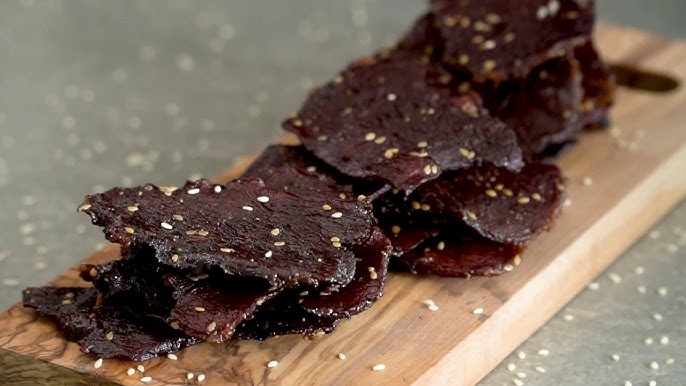
Teriyaki Jerky Recipe: If you’ve never made jerky at home, you’re seriously missing out—especially when it’s teriyaki-flavored. Teriyaki jerky combines that iconic sweet-savory kick with the chewy satisfaction of dried meat. It’s not just a snack; it’s the kind of thing you reach for after the gym, during a road trip, or when you’re just too lazy to cook. Plus, it tastes way better and is more customizable than store-bought options.
Think about it—no weird additives, no preservatives, and you can tweak the sweetness, spice level, and saltiness exactly how you want. Whether you like your jerky thin and dry or a bit more moist and chewy, this step-by-step guide will walk you through everything. The bonus? You’ll save money over time and impress literally anyone you share it with.
What Makes Teriyaki Jerky Special?
Teriyaki jerky stands out because of its rich, complex flavor. The classic teriyaki profile—soy sauce, sugar, garlic, and ginger—hits all the right notes. It’s savory with a little sweetness, and that makes it super addictive.
Unlike plain salted jerky, teriyaki brings that extra umami boost. The soy sauce provides a deep, salty base, while the sugar or honey balances it out with just enough sweetness. Garlic and ginger add that punchy aroma and warmth that keeps you reaching back for more. Whether you’re meal-prepping, hiking, or just snack-attacking at midnight, teriyaki jerky checks all the boxes.
List of Ingredients You’ll Need
Making teriyaki jerky starts with a solid ingredient list. Here’s everything you’ll need to get going:
Main Ingredients for the Jerky:
- 2 pounds of lean beef (eye of round, top round, flank steak, or sirloin tip)
- 1/2 cup soy sauce
- 1/4 cup brown sugar or honey
- 1/4 cup pineapple juice (adds a tropical kick and tenderizes the meat)
- 2 tablespoons mirin (Japanese sweet rice wine – optional but recommended)
- 1 tablespoon sesame oil
- 1 teaspoon garlic powder
- 1 teaspoon onion powder
- 1 teaspoon ground ginger
- 1/2 teaspoon black pepper
- 1/2 teaspoon red pepper flakes (optional – if you want a spicy kick)
- 1 tablespoon Worcestershire sauce (optional but adds depth)
Optional Add-ons:
- Toasted sesame seeds (for sprinkling)
- Liquid smoke (for that smoked flavor without a smoker)
- Fresh minced garlic or ginger (for a stronger flavor punch)
You probably already have most of these in your pantry, and if not, they’re easy to grab at any grocery store.
Choosing the Right Meat for Jerky
The meat you pick sets the tone for your jerky. Here’s how to make the best choice:
Best Cuts of Beef for Jerky:
- Eye of Round: Lean, affordable, and easy to work with.
- Top Round: Slightly more marbling but still lean enough.
- Bottom Round: Also good, though a bit tougher.
- Flank Steak: More flavorful, but a little pricier.
- Sirloin Tip: Lean and tender—great option if you can find it.
The most important rule? Go lean. Fat goes rancid over time, and it doesn’t dry out like muscle does. Trim off any visible fat before slicing.
Can You Use Other Meats?
Absolutely. You can make teriyaki jerky using:
- Turkey or chicken breast (just watch the drying time)
- Venison (if you hunt or have access to game meat)
- Pork loin (lean and flavorful)
Just remember—fat is not your friend in jerky-making. Lean meats are key.
Preparing the Meat
Prepping the meat might feel tedious, but it makes a huge difference in texture and flavor.
- Trim the fat: Use a sharp knife and remove all visible fat from your meat.
- Freeze it slightly (about 1-2 hours): Makes it way easier to slice evenly.
- Slice evenly (about 1/8” to 1/4” thick):
- With the grain: Chewier texture (more traditional jerky).
- Against the grain: Easier to chew and tear (better for kids or softer texture).
Consistency is key here. Uneven slices = uneven drying.
Making the Teriyaki Marinade
This is where the magic happens. The marinade is what infuses your jerky with that bold, unforgettable teriyaki flavor.
Core Ingredients Breakdown:
- Soy sauce: The salty, umami base.
- Brown sugar/honey: Sweet balance to the saltiness.
- Pineapple juice: Adds sweetness and breaks down proteins (tenderizing).
- Sesame oil: A little goes a long way for aroma.
- Garlic + ginger: Must-haves for classic teriyaki flavor.
- Mirin/Worcestershire sauce: Boosts complexity.
How to Make It:
- Combine all marinade ingredients in a large mixing bowl or zip-top bag.
- Whisk well until the sugar dissolves completely.
- Taste it! Want more sweetness? Add a little more sugar or honey. Need more salt? Add a splash of soy sauce.
Marinating the Meat
This step decides how flavorful your jerky will be.
How Long Should You Marinate?
- Minimum: 6 hours
- Ideal: 12–24 hours
- Pro Tip: 24 hours in the fridge delivers the richest flavor
Make sure your meat is completely submerged in the marinade. Use a zip-top bag to press the marinade against every slice, or a covered container with occasional stirring.
Tips:
- Label the bag with the date and time.
- Rotate or shake the bag every few hours.
- Keep the fridge temp steady.
Drying Methods Explained
Once your meat is marinated and full of flavor, it’s time to dry it out.
1. Dehydrator Method (Best Option):
- Set temp to 160°F (71°C).
- Lay meat strips in a single layer, not overlapping.
- Dry for 4–6 hours, depending on thickness.
2. Oven Method:
- Preheat to 170°F (or lowest temp).
- Place strips on wire racks over baking sheets.
- Leave oven door slightly ajar to allow moisture escape.
- Dry for 4–7 hours.
3. Air Fryer or Smoker:
- Great if your device has a dehydration function.
- Drying time varies—watch closely.
Step-by-Step Guide to Making Teriyaki Jerky
Now that you’ve got all the details, let’s walk through the complete process of turning flavorful marinated meat into perfectly chewy teriyaki jerky.
Step 1: Slice the Meat
Start with semi-frozen meat to make slicing easier and more precise. Using a sharp knife, cut the meat into strips about 1/8 to 1/4 inch thick. Slice with the grain for a tougher, chewier jerky or against the grain for a softer, easier-to-chew texture.
Step 2: Mix the Marinade
In a large bowl, combine 1/2 cup soy sauce, 1/4 cup brown sugar, 1/4 cup pineapple juice, 1 tablespoon sesame oil, and 1 teaspoon each of garlic powder, onion powder, and ground ginger. Optional additions include Worcestershire sauce, red pepper flakes for heat, or mirin for extra richness. Stir well until the sugar fully dissolves.
Step 3: Marinate the Meat
Place the sliced meat into a zip-top bag or glass container. Pour the marinade over the meat, ensuring all pieces are coated. Seal and refrigerate for 12–24 hours, stirring or flipping the meat occasionally to distribute flavor evenly.
Step 4: Drain and Pat Dry
Remove the meat from the marinade and pat each strip dry with paper towels. This step is crucial, as excess marinade can lead to sticky jerky and uneven drying.
Step 5: Arrange for Drying
Lay the meat strips in a single layer on dehydrator trays, oven racks, or an air fryer basket. Avoid overlapping to allow proper airflow.
Step 6: Dry the Jerky
- Dehydrator: 160°F for 4–6 hours
- Oven: Lowest setting (about 170°F) with the door slightly open, 4–7 hours
- Air Fryer: Use the dehydrate setting and work in small batches
Step 7: Check Doneness
Jerky is done when it bends and cracks slightly but doesn’t snap. If it feels soft or moist, continue drying.
Step 8: Cool and Store
Allow jerky to cool completely before storing. Keep in an airtight container. Refrigerate for up to 1 month or freeze for up to 6 months for longer storage.
How to Tell When Your Jerky is Done
The biggest question when making jerky is knowing when it’s perfectly dried. Here’s how you can tell:
Look for These Signs:
- Color should be dark and uniform—no wet spots.
- Texture should be firm and dry, not sticky or wet.
- Try the Bend Test:
- Bend a piece in half.
- It should bend and crack slightly but not break in two.
- If it snaps, it’s too dry.
- If it bends like rubber, it needs more drying.
Remember, jerky continues to dry a bit as it cools, so don’t overdo it. It’s better to slightly under-dry than to turn your meat into a crunchy chip.
Storing Your Teriyaki Jerky
Homemade jerky doesn’t contain preservatives, so proper storage is key to making it last.
Short-Term Storage (1–2 weeks):
- Store in a zip-top bag or airtight container.
- Keep at room temperature in a cool, dark place.
Medium-Term Storage (up to 1 month):
- Store in the refrigerator.
- Use vacuum-sealed bags or containers with tight lids.
Long-Term Storage (up to 6 months):
- Freeze in vacuum-sealed bags.
- Label with date and type.
Extra Tips:
- Don’t store warm jerky—it can build up moisture inside the bag.
- Add a small packet of food-grade desiccant to extend shelf life.
- Always use clean hands or utensils when handling jerky to avoid bacteria growth.
Common Mistakes to Avoid
Even a great recipe can go wrong with a few simple mistakes. Here are the most common pitfalls and how to dodge them.
1. Over-Marinating
- While long marinating adds flavor, over 24 hours can cause the meat to break down too much and become mushy.
2. Cutting Meat Unevenly
- Uneven slices dry at different rates.
- Thicker slices may stay undercooked while thinner ones become brittle.
- Use a meat slicer or a very sharp knife for precision.
3. Not Drying the Strips Before Dehydrating
- Too much surface moisture can lead to uneven texture and may even cause bacterial growth.
- Always pat meat dry after marinating.
4. Storing While Still Warm
- Packing warm jerky traps steam, which causes moisture buildup and potential spoilage.
5. Skipping the Taste Test
- Before drying the whole batch, cook a small piece in a pan to taste the marinade.
- Adjust salt, sugar, or spice as needed.
Health Benefits of Homemade Jerky
When most people think of jerky, they think of a salty, chewy, store-bought snack packed with preservatives. But homemade teriyaki jerky is a whole different story. You control every ingredient, and that means you’re not just making something delicious—you’re making something nutritious, too.
1. High in Protein
- One of the biggest benefits of jerky is its high protein content.
- Just a few pieces give you a solid protein boost, making it ideal for:
- Post-workout fuel
- Low-carb diets
- Busy schedules when meals aren’t an option
2. No Preservatives or Fillers
- Unlike store-bought brands that sneak in artificial preservatives, flavorings, or MSG, homemade jerky is clean eating at its best.
- You get real ingredients like soy sauce, garlic, ginger, and lean meat. That’s it.
3. Low in Sugar (If You Want It That Way)
- While traditional teriyaki sauce can be sweet, you can easily adjust the sugar level in your marinade.
- Use honey, maple syrup, or coconut sugar for more natural options.
4. Gluten-Free Friendly
- Use tamari instead of soy sauce and you’ve got a gluten-free jerky.
- That’s something you don’t always find in store-bought snacks.
5. Long-Lasting and Travel-Friendly
- Jerky doesn’t need refrigeration (short term), making it perfect for:
- Road trips
- Camping
- Lunchboxes
- Backpacking adventures
You’re not just making a snack—you’re making a portable source of clean protein that’s cheaper, healthier, and tastier than anything in a bag from the gas station.
Serving Suggestions
Teriyaki jerky isn’t just a “grab-and-go” snack (though it’s great for that too). There are lots of creative ways to use it in your meals or share it with others.
1. As a Snack
- The classic way: straight from the container.
- Toss a few pieces in your gym bag, hiking backpack, or lunchbox.
- Great substitute for chips or candy when you’re craving something savory.
2. In Meals
- Salads: Chop up the jerky and sprinkle it over mixed greens for a flavorful protein crunch.
- Rice bowls: Mix into stir-fries or rice bowls for a smoky, sweet protein topping.
- Omelets and Scrambles: Cut it into small bits and toss it into eggs—trust us on this one.
- Ramen or Noodles: Add it to instant noodles for a gourmet twist.
3. For Entertaining
- Make a DIY snack board with teriyaki jerky, cheese cubes, nuts, dried fruits, and crackers.
- Use jerky as a unique gift—vacuum-sealed and labeled in mason jars, it makes a thoughtful homemade treat.
FAQs about Teriyaki Jerky Recipe
1. How long does homemade teriyaki jerky last?
Homemade jerky lasts 1–2 weeks at room temperature, up to 1 month in the fridge, and up to 6 months in the freezer. Always store it in airtight containers and let it cool fully before packing to avoid moisture buildup.
2. Can I use store-bought teriyaki sauce instead of making my own marinade?
Yes, but homemade is usually better. Store-bought sauces often contain preservatives and high fructose corn syrup. If you do use it, add a splash of pineapple juice and a pinch of ginger or garlic powder to level up the flavor.
3. What’s the best cut of beef for teriyaki jerky?
Eye of round is a favorite because it’s lean, affordable, and easy to slice. Top round, bottom round, flank steak, and sirloin tip also work well. Just make sure you trim off all visible fat.
4. Can I make teriyaki jerky without a dehydrator?
Absolutely. Use your oven set to the lowest temp (usually 170°F), place meat strips on wire racks over baking sheets, and keep the door slightly ajar. It may take a bit longer, but it works just fine.
5. Is teriyaki jerky a healthy snack?
Yes—especially when you make it yourself. It’s high in protein, low in carbs, and free from preservatives or processed ingredients. You can also control the sugar and sodium content to fit your diet.
Conclusion
Making teriyaki jerky at home isn’t just a fun kitchen project—it’s a game-changer. You get full control over the flavor, the ingredients, and the texture. Whether you like it chewy or crisp, sweet or spicy, you can tweak the marinade to match your cravings. Plus, it’s way more affordable (and healthier) than buying it pre-packaged.
Once you’ve tried it, you’ll never go back to store-bought again. All it takes is some lean meat, a killer marinade, and a bit of patience. The reward? A batch of mouthwatering, protein-packed jerky that you’ll want to make again and again.