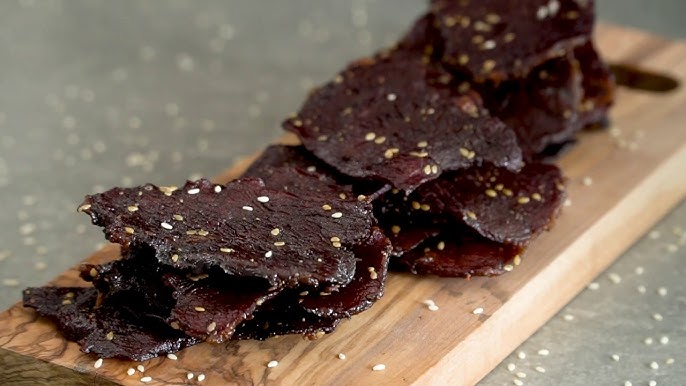
Teriyaki Beef Jerky Recipe: Let’s be honest—there’s something incredibly satisfying about biting into a chewy, flavor-packed strip of beef jerky. It’s the perfect on-the-go snack: high in protein, low in fat, and super convenient. Among all the different flavors out there, Teriyaki Beef Jerky easily ranks as a fan favorite. That sweet-meets-savory combo with a hint of garlic and ginger? Absolutely unbeatable.
But here’s the deal: store-bought jerky can be pricey and full of preservatives, excess sodium, or ingredients you can’t pronounce. That’s why learning how to make your own teriyaki beef jerky at home is a total game-changer. Not only is it more affordable, but you also get full control over flavor, texture, and quality. Whether you’re prepping for a camping trip, looking for healthier snacks, or just love a good kitchen project, this guide will walk you through everything you need to know to create the perfect homemade teriyaki jerky.
So roll up your sleeves—let’s get into it.
Ingredients You’ll Need
When it comes to homemade jerky, simple, high-quality ingredients go a long way. Below is a list of everything you’ll need, broken down by meat and marinade:
Beef Cuts Ideal for Jerky
Choosing the right cut of beef is crucial. You want something lean (fat spoils faster), easy to slice, and flavorful. Here are the top choices:
- Top Round – Affordable, lean, and easy to find.
- Eye of Round – Extra lean and uniform in shape, great for slicing.
- Sirloin Tip – Slightly more tender, a bit pricier but still excellent.
- Flank Steak – Great flavor, but can be tough if not sliced right.
- Brisket (Trimmed) – Rich flavor, though higher in fat and more work to prepare.
Aim for 2 to 3 pounds of beef to make a decent batch.
Teriyaki Marinade Ingredients
Here’s the secret sauce—literally. A good teriyaki marinade strikes the balance between sweet, salty, and umami.
- 1/2 cup soy sauce (low sodium preferred)
- 1/4 cup brown sugar
- 1/4 cup pineapple juice (tenderizes meat and adds sweetness)
- 2 tablespoons honey
- 1 tablespoon rice vinegar (for tang)
- 1 teaspoon garlic powder
- 1 teaspoon ground ginger
- 1 teaspoon onion powder
- 1/2 teaspoon black pepper
- Optional: red pepper flakes for a spicy kick, or sesame oil for richness
Mix everything well until the sugar is dissolved. You can tweak the amounts depending on your taste preferences—more honey for sweetness, more soy sauce for salt, or more pineapple juice for a fruity note.
Essential Equipment for Making Jerky
You don’t need a bunch of fancy gear to make jerky at home, but a few key tools will make your life a lot easier.
What You’ll Need:
- Sharp knife or meat slicer: You’ll need to cut uniform thin slices of beef—aim for 1/8 to 1/4 inch.
- Cutting board: Preferably large enough to handle a full cut of meat.
- Ziplock bags or airtight containers: For marinating the beef overnight.
- Dehydrator, oven, or smoker: Any of these will work. A dehydrator is the easiest for jerky, but the oven does the job well too.
- Baking sheets + wire racks (if using an oven): These help air circulate around the meat.
- Paper towels: For blotting excess marinade before drying.
Having these on hand before you start will keep the process smooth from prep to finished product.
How to Choose the Right Beef for Jerky
Let’s dig deeper into picking the best beef for jerky. This is one of the most important steps for ensuring a delicious final result.
Go Lean or Go Home
Fat may be flavor, but not when it comes to jerky. Fat doesn’t dehydrate well and can go rancid faster. That’s why when it comes to jerky. Fat doesn’t dehydrate well and can go rancid faster. That’s why lean cuts like top round and eye of round are so popular—they’re mostly muscle with minimal fat.
Slice Against the Grain
Want tender jerky? Then always slice against the grain. This means cutting perpendicular to the direction of the muscle fibers. If you cut with the grain, your jerky will be tough and stringy—not fun to chew.
Thickness Matters
Aim for slices that are about 1/8 to 1/4 inch thick. Too thin and they’ll get crispy like chips; too thick and they’ll take forever to dry—or worse, not dry evenly. If you’re struggling to get even slices, freeze the meat for about 1-2 hours first. It firms it up and makes slicing way easier.
Step-by-Step Guide to Make Teriyaki Beef Jerky
Here comes the fun part: transforming those simple ingredients into mouthwatering jerky. Follow this step-by-step guide, and you’ll be snacking in no time.
Step 1: Trim the Fat and Slice the Meat
Start with lean beef such as top round, bottom round, or flank steak. Trim off all visible fat, as fat can cause jerky to spoil faster. Slice the meat into thin strips (⅛–¼ inch thick) against the grain for tender jerky or with the grain for a chewier texture. Slightly freezing the meat for 30 minutes makes slicing easier.
Step 2: Prepare the Teriyaki Marinade
In a bowl, combine soy sauce, brown sugar or honey, minced garlic, grated ginger, a splash of rice vinegar, and a little sesame oil. Add black pepper or red pepper flakes if you like mild heat. Stir until the sugar dissolves completely.
Step 3: Marinate the Beef Slices
Place the beef slices into a zip-top bag or shallow container. Pour the marinade over the meat, ensuring all slices are well coated. Seal and refrigerate for at least 6 hours, preferably overnight, for maximum flavor.
Step 4: Drain and Pat Dry the Beef
Remove the beef from the marinade and let excess liquid drip off. Pat each slice dry with paper towels. This step helps the meat dry evenly and speeds up dehydration.
Step 5: Arrange the Slices for Drying
Lay the beef slices in a single layer on dehydrator trays, oven racks, or smoker racks. Make sure the slices do not overlap to allow proper airflow.
Step 6: Dehydrate the Meat (Time & Temperature Guidelines)
- Dehydrator: 160°F (71°C) for 4–6 hours
- Oven: 170°F (lowest setting) for 4–6 hours, door slightly open
- Smoker: 160–175°F for 4–5 hours using mild wood like apple or hickory
Step 7: Check for Doneness and Texture
Properly dried jerky should bend and crack but not snap in half. There should be no visible moisture when torn.
Step 8: Cool and Store Properly
Allow the jerky to cool completely before storing. Keep in an airtight container at room temperature for up to 1 week, or refrigerate for up to 1 month for longer freshness.
Tips for the Best Homemade Teriyaki Jerky
Making jerky isn’t rocket science, but a few insider tips can take your batch from average to amazing.
1. Don’t Rush the Marinade
Letting your beef slices marinate for at least 12 hours gives them time to soak up all that teriyaki goodness. Overnight marinating is best, and 24 hours? Even better.
2. Dry Evenly
Whether you’re using a dehydrator or oven, space out your slices. Airflow is key. If your oven has hot spots, rotate trays halfway through drying.
3. Watch the Salt
Soy sauce is salty, and some store-bought teriyaki sauces pack a punch. If you’re watching your sodium intake, opt for low-sodium soy sauce and don’t add extra salt.
4. Play with Flavors
Want it spicy? Add sriracha, cayenne pepper, or red chili flakes. Prefer it sweeter? A splash of maple syrup or extra honey does the trick.
5. Keep Notes
Every time you make a batch, jot down your marinade tweaks, drying times, and what you’d improve next time. It’s the best way to create your perfect personal recipe.
How Long Does Homemade Jerky Last?
Shelf life is a big deal when it comes to jerky—especially if you’re making it in big batches.
Here’s a quick breakdown:
| Storage Method | Shelf Life |
|---|---|
| Room temperature (airtight) | 1 to 2 weeks |
| Refrigerator (airtight) | Up to 3 months |
| Freezer (vacuum sealed) | 4 to 6 months or longer |
If you’re planning to make jerky regularly, consider investing in a vacuum sealer. It keeps your jerky fresh for much longer and protects against moisture and freezer burn.
Nutrition Facts of Teriyaki Beef Jerky
Jerky might be a snack, but it packs some serious nutritional power—especially for those on the go.
Here’s an average breakdown per 1-ounce (28g) serving:
- Calories: 80–110
- Protein: 10–14g
- Fat: 1–3g
- Carbs: 6–10g (depending on sugar)
- Sugar: 4–6g (from teriyaki marinade)
- Sodium: 400–600mg
Health Benefits:
- High in protein – great for muscle recovery or post-workout snacks.
- Low in fat – especially when trimmed properly.
- Long-lasting energy – perfect for hiking, travel, or school snacks.
Just watch your portions—some store-bought versions are high in sugar and salt. When you make your own, you’re in total control of the ingredients.
Common Mistakes to Avoid
Everyone makes mistakes, but avoiding these can save your jerky batch from disaster.
1. Using Fatty Cuts
Fat = spoilage. It won’t dehydrate well and ruins shelf life. Always trim fat and use lean cuts.
2. Not Marinating Long Enough
A quick dip in the marinade won’t cut it. You need at least 6–12 hours to let the flavors really soak in.
3. Cutting Meat Too Thick or Thin
Thick slices dry unevenly. Thin ones get crispy instead of chewy. Aim for 1/8 to 1/4 inch thickness.
4. Over-drying
Jerky shouldn’t be rock-hard or brittle. You want it chewy with a nice snap. Check frequently after 4 hours of drying.
5. Skipping the Cool Down
Storing hot jerky creates condensation—aka trapped moisture. Always cool jerky to room temperature before sealing it up.
Different Variations of Teriyaki Beef Jerky
Once you’ve mastered the basic recipe, don’t be afraid to get creative! Here are some fun and tasty variations:
Spicy Teriyaki Jerky
- Add 1–2 teaspoons of sriracha, chili flakes, or hot sauce to the marinade.
- Use a few slices of fresh jalapeño in the bag while marinating.
Sweet Pineapple Teriyaki
- Increase pineapple juice to 1/2 cup.
- Add 2 tablespoons of brown sugar or honey for a tropical sweetness.
Garlic Lover’s Teriyaki
- Add 2 teaspoons of fresh minced garlic and a dash of garlic chili paste.
Low-Sodium Teriyaki Jerky
- Use low-sodium soy sauce.
- Skip added salt or seasoning blends that contain sodium.
Customizing your flavor means you’re never stuck with one kind of jerky—and that’s half the fun.
Can You Make Teriyaki Jerky with Ground Beef?
Absolutely, you can make teriyaki jerky using ground beef, and it’s a great alternative if you don’t want to deal with slicing meat or if you prefer a softer, easier-to-chew jerky. The process is a little different from traditional jerky, but it still results in a flavorful, protein-rich snack—perfect for kids, older adults, or anyone who loves jerky but dislikes the chewiness.
Why Use Ground Beef?
- Easier prep – No slicing or trimming required
- Cost-effective – Ground beef is often cheaper than whole cuts
- More tender – Great for those who find classic jerky too tough
- Customizable texture – You control the thickness with jerky guns or rolling techniques
How to Make Ground Beef Teriyaki Jerky:
Ingredients:
- 1 lb lean ground beef (at least 90% lean)
- 1/4 cup teriyaki sauce (homemade or store-bought)
- 1 tablespoon soy sauce
- 1/2 teaspoon garlic powder
- 1/2 teaspoon ground ginger
- 1 tablespoon brown sugar or honey
- 1/4 teaspoon black pepper
You’ll also need a jerky gun (basically like a meat caulking gun) or a rolling pin and parchment paper to shape the jerky.
Steps:
- Mix your beef and seasoning – In a bowl, combine the ground beef with your teriyaki marinade ingredients. Mix thoroughly until fully incorporated. Chill for 30 minutes for easier handling.
- Form the jerky – Using a jerky gun, pipe the meat into strips directly onto your dehydrator tray or lined baking sheet. If you don’t have a jerky gun, roll the meat out between two sheets of parchment to 1/8 inch thick and slice into strips with a pizza cutter.
- Dry it out – Dehydrate at 160°F (71°C) for 4–6 hours, flipping halfway if needed. In the oven, bake on low heat with the door cracked open. The jerky is done when it’s firm, dry, but still a bit pliable.
- Cool and store – Let cool fully before transferring to airtight containers.
Pro Tip: Because ground beef retains more moisture, it’s extra important to dry it thoroughly and store it in the fridge or freezer if you’re keeping it for more than a few days.
Is It Cheaper to Make Jerky at Home?
You bet! Let’s break it down and see just how much you save by making homemade teriyaki beef jerky vs buying it at the store.
Cost Breakdown:
| Item | Store-Bought | Homemade (per lb of jerky) |
|---|---|---|
| Beef Jerky (1 lb) | $25–$35 | $10–$15 |
| Flavor Control | Limited | Full control |
| Preservatives | Often present | Optional |
| Customization | None | Endless options |
So yes, you might spend a little upfront on a dehydrator or ingredients, but over time, you save a ton. Plus, you’re getting better quality and no sketchy additives. That’s a win in any kitchen.
Best Cuts of Meat Ranked for Jerky
If you’re new to jerky making or just wondering what cut will give you the best texture and taste, here’s a quick ranking from best to decent:
- Top Round – Most popular, lean, affordable, and easy to work with.
- Eye of Round – Super lean and consistent in thickness, perfect for uniform jerky.
- Sirloin Tip – A little more tender and flavorful; great for premium batches.
- Flank Steak – High flavor, but needs precise slicing to avoid chewiness.
- Brisket (Trimmed) – Rich, fatty flavor but requires more effort to trim properly.
Avoid:
- Ribeye, chuck, or any heavily marbled cut. Too much fat = fast spoilage.
Homemade vs Store-Bought Teriyaki Jerky
Let’s settle this debate. Is homemade jerky really better than the shiny packaged stuff on grocery shelves?
Homemade Pros:
- Fresh, real ingredients – You know exactly what’s going into it.
- Customizable flavor – Make it sweeter, spicier, less salty—however you like.
- More bang for your buck – Lower cost per ounce.
- Fun to make – It’s actually a cool weekend project or hobby.
Store-Bought Pros:
- Convenience – Just grab and go, no prep needed.
- Longer shelf life – Preservatives make it last months on the shelf.
The Verdict:
If you’ve got the time, homemade teriyaki jerky wins hands-down in terms of quality, flavor, and cost. Plus, it’s way more satisfying knowing you made it yourself.
FAQs about Teriyaki Beef Jerky Recipe
1. Can I make teriyaki jerky without a dehydrator?
Yes! Your oven works just fine. Set it to the lowest temperature, crack the door open, and dry your beef for 4–6 hours. Just be sure to use a wire rack so air can circulate.
2. How long should I marinate the beef?
For the best flavor, marinate the beef for at least 12 hours. Overnight is ideal. The longer it sits, the deeper the flavor.
3. What if I want it spicier?
Add red pepper flakes, sriracha, or cayenne pepper to the marinade. You can adjust the heat level to match your taste.
4. Can I freeze teriyaki beef jerky?
Absolutely. Once fully dried and cooled, place it in a vacuum-sealed bag or airtight container and freeze for up to 6 months.
5. Why did my jerky turn out too tough?
It could be from slicing with the grain instead of against it. Or, it might have dried too long. Try thinner slices next time and monitor more closely.
Conclusion
There you have it—a complete, step-by-step guide to making mouthwatering teriyaki beef jerky right in your own kitchen. From choosing the right cut of meat to mixing the perfect marinade, drying techniques, and even ground beef options, you’re now fully equipped to make jerky like a pro.
Sure, it takes a little time, but trust us—the taste, savings, and satisfaction of DIY jerky are totally worth it. So next time you’re craving that sweet and savory bite, skip the store and make your own. Your taste buds (and your wallet) will thank you.