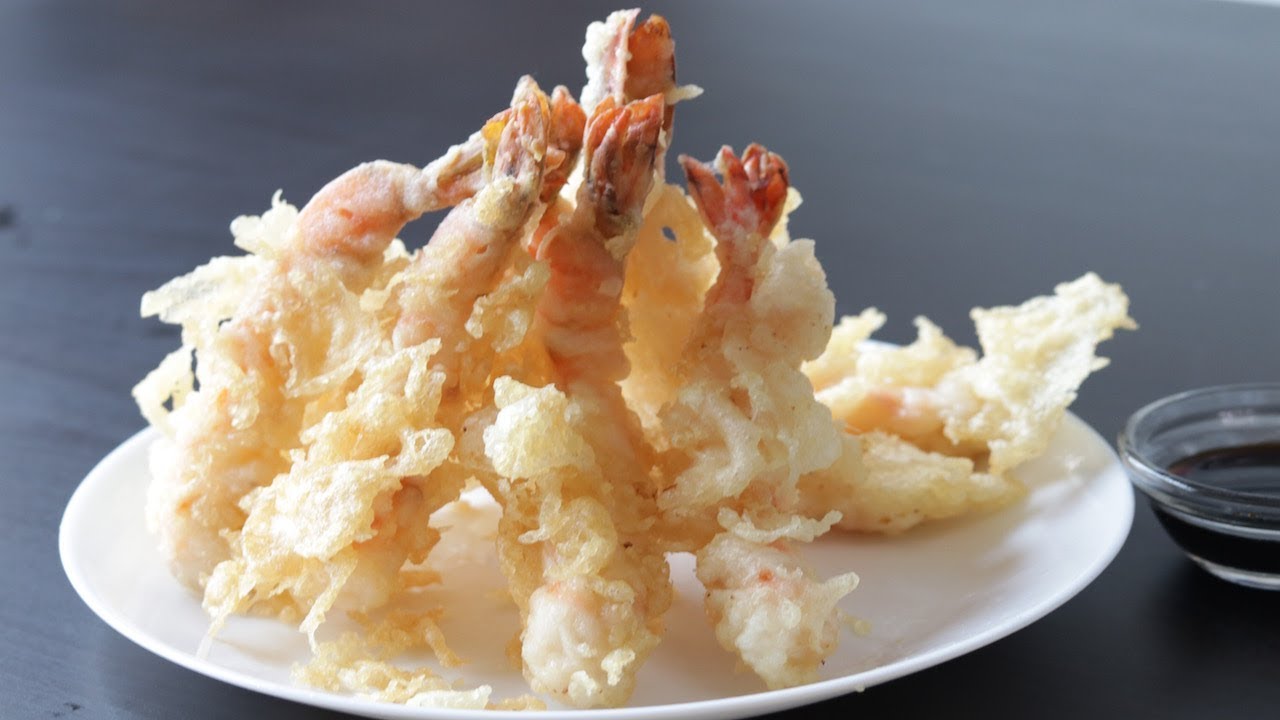
Tempura Recipe: Tempura is a traditional Japanese dish known for its light, crispy texture. It features vegetables, seafood, or even meat, coated in a delicate batter and deep-fried until golden and airy. The magic of tempura lies in its simplicity. It’s not heavily spiced or complicated; instead, it celebrates the natural flavors of the ingredients. When done right, each bite offers a crunchy exterior that gives way to a moist and flavorful inside.
Unlike western-style frying, tempura isn’t greasy. It’s meant to be light and clean, often served with a dipping sauce like tentsuyu—a mix of soy sauce, dashi, and mirin—or simply with a pinch of salt. Whether you’re making a weeknight dinner or preparing a festive platter, tempura brings elegance and taste to the table.
The Origins of Tempura
Tempura might be one of Japan’s signature dishes, but it actually has Portuguese roots. Introduced by missionaries and traders in the 16th century, it quickly adapted into Japanese cuisine. The name “tempura” is said to derive from the Latin word “tempora,” referring to “times” of fasting when the Catholic missionaries avoided meat and ate fish or vegetables.
Over time, the Japanese refined the cooking method, leading to the creation of the uniquely airy and crisp tempura we love today. It’s now a cornerstone of Japanese culinary art, from street stalls in Tokyo to upscale restaurants worldwide.
Essential Ingredients for Tempura
Fresh Vegetables and Seafood
Tempura is all about showcasing fresh ingredients. Popular vegetable choices include:
- Sweet potatoes
- Zucchini
- Eggplant
- Bell peppers
- Mushrooms
- Green beans
- Carrots
Each of these should be sliced thinly and evenly to ensure they cook quickly and uniformly.
Seafood also shines in tempura. Shrimp is a classic, but other options include:
- Squid rings
- White fish fillets (like cod or haddock)
- Scallops
Make sure the seafood is as fresh as possible. Clean it thoroughly and pat it dry before coating it in batter.
The secret to exceptional tempura is contrast—soft, juicy interiors encased in a crunchy shell. This means moisture content, thickness, and ingredient prep all play key roles.
Tempura Batter Ingredients
Here’s what you’ll need for authentic tempura batter:
- 1 cup all-purpose flour
- 1 egg (cold)
- 1 cup ice-cold water
Optional:
- Cornstarch or rice flour (to make the batter lighter)
- Baking soda (tiny pinch, for extra crispiness)
What makes this batter special is its simplicity. Unlike Western batters that often include breadcrumbs, beer, or spices, tempura batter is deliberately basic. This allows the flavor of the vegetables or seafood to shine through.
The batter must be mixed gently and kept cold. Overmixing can create gluten, which makes the coating heavy and chewy instead of crisp and airy.
Tools You’ll Need
Kitchen Tools for Frying
To prepare tempura at home, having the right tools makes a big difference. Here’s a list of must-haves:
- Deep frying pot or wok: Should be wide and deep to accommodate enough oil.
- Cooking thermometer: Essential to monitor oil temperature (ideal is 170–180°C / 340–360°F).
- Wire rack or paper towels: For draining the tempura after frying.
- Tongs or chopsticks: For safely turning and removing tempura pieces.
- Mixing bowls: Keep one in the fridge for chilling the batter.
Using the correct equipment not only improves the result but ensures safety, especially when dealing with hot oil.
Tips for Safe and Clean Frying
Frying can be intimidating, but these tips help minimize the mess and risk:
- Never overcrowd the pot—it lowers the oil temperature and causes soggy tempura.
- Use a splatter guard if needed, but don’t cover the pot entirely.
- Drain used oil and clean your pot immediately after it cools.
- Work near a sink or have a towel handy to manage spills.
Also, make sure kids and pets are kept out of the kitchen while you’re frying. Safety first!
Preparing the Ingredients
Cleaning and Slicing Vegetables
Proper prep is essential. Wash all vegetables thoroughly to remove dirt and pesticides. Peel if necessary—especially root vegetables like carrots or sweet potatoes. Then, slice them into uniform pieces. Aim for thin strips or slices about 1/4 inch thick.
Why uniformity? Because uneven cuts mean some pieces overcook while others stay raw. A sharp knife or mandoline makes this job easier and faster.
After slicing, pat the vegetables dry. Moisture causes the batter to slip off and also leads to splattering in hot oil. You can even dust them lightly with flour before dipping into batter to help it stick better.
Prepping Seafood the Right Way
Seafood needs a bit more care. Here’s how to prep shrimp, the most popular tempura item:
- Peel and devein the shrimp.
- Make 3–4 shallow cuts on the underside to prevent curling during frying.
- Pat dry completely with a paper towel.
For fish, remove any bones and skin, then slice into bite-sized pieces. Avoid fatty fish, as lean white fish holds up better in frying and doesn’t overpower the tempura flavor.
A quick tip: always keep the prepared seafood cold before frying. This helps the batter stick better and ensures even cooking.
Making the Perfect Tempura Batter
The Role of Cold Water
One of the golden rules of tempura batter? Always keep it cold. Ice-cold water is critical in achieving that signature light, crispy texture. When the batter hits the hot oil, the sudden temperature contrast creates a puffed, crispy coating that doesn’t absorb too much oil.
Why does cold water matter so much?
- Less gluten formation: Cold temperatures slow the development of gluten, preventing the batter from becoming doughy.
- Lighter texture: It helps create a lacy, airy crust rather than a heavy shell.
- Crispier finish: The temperature shock when the cold batter meets hot oil leads to that satisfying crunch.
Here’s a pro tip: use a bowl over another bowl filled with ice to keep the batter cold while you work. Some chefs even chill their flour in the fridge before mixing to maintain consistency.
Mixing Techniques for Light Batter
Mixing tempura batter is more of an art than a science. The goal is to barely combine the ingredients.
Follow these steps:
- Beat the egg in a chilled bowl.
- Add ice-cold water to the egg and stir gently.
- Add flour (and any optional rice flour or cornstarch) in one go.
- Mix with chopsticks or a fork in a quick zig-zag motion. Do not overmix. Lumps are okay—actually, they’re ideal!
The batter should be thin, not thick. If it’s too thick, you’ll end up with a bready coating. If too thin, it won’t stick well to the ingredients. You want a consistency similar to heavy cream.
Once mixed, use the batter immediately. Don’t let it sit too long—it’ll lose its crisping power. Always stir gently between dips to maintain texture.
The Frying Process: Timing and Temperature
Heating the Oil
Heat your oil to 170–180°C (340–360°F). A thermometer is best, but if you don’t have one, test it with a drop of batter. If it sinks then rises quickly with small bubbles, it’s ready. If it burns fast or doesn’t bubble, adjust the heat.
Recommended oils include:
- Vegetable oil
- Canola oil
- Sesame oil (a few drops for flavor)
Use enough oil to fully submerge the tempura. Fry in small batches to maintain temperature and avoid soggy results.
Frying the Tempura to Perfection
Follow this method for beautiful, crispy tempura:
- Dip each piece in batter. Shake off the excess.
- Slide it gently into the hot oil.
- Fry for 2–3 minutes or until golden. Lighter ingredients like herbs cook faster.
- Remove with tongs or chopsticks and place on a rack or paper towels.
Avoid turning tempura too often. Let it cook undisturbed for the first minute to develop its coating.
Remember: the batter should puff slightly but remain light-colored—not brown or heavy. That’s when you know you’ve nailed it.
Serving Tempura Like a Pro
Dipping Sauces and Seasonings
Tempura is usually served with a dipping sauce called tentsuyu, made of:
- 1/2 cup dashi
- 2 tablespoons soy sauce
- 2 tablespoons mirin
Warm it slightly and serve with grated daikon radish on the side. You can also serve tempura with just salt or flavored salts (matcha salt, yuzu salt, etc.).
If you’re going all out, serve tempura with:
- Steamed white rice
- Pickled vegetables
- A side of miso soup
This turns it into a full, balanced Japanese meal.
Presentation and Pairing Ideas
Presentation is part of the tempura experience. Arrange items by color and shape—mix a golden shrimp with green beans, purple eggplant, and orange carrot for a vibrant plate.
Pair with:
- Light Japanese beer
- Cold sake
- Green tea
These clean, crisp drinks balance the subtle flavors of tempura.
Common Mistakes to Avoid
Overmixing the Batter
One of the most common pitfalls is overmixing the batter. Many people instinctively want a smooth, lump-free mix—but that’s the opposite of what tempura needs. Overmixing creates gluten, making the batter thick, heavy, and chewy.
Here’s how to avoid it:
- Mix for no more than 10–15 seconds.
- Don’t worry about lumps—they help create texture.
- Use chopsticks or a fork instead of a whisk for a gentler touch.
Another bonus? Less mixing saves time and keeps the batter cold, which is essential for success.
Using Wet Ingredients
Moisture is your enemy in frying. It leads to splattering oil, a soggy coating, and uneven frying. To get that delicate crisp, all your ingredients must be as dry as possible.
Tips to manage moisture:
- Pat vegetables and seafood thoroughly with paper towels.
- Don’t wash right before frying—give them time to air dry.
- Dust ingredients lightly with flour before dipping them in batter. This helps the batter stick and creates an even coating.
Always double-check for excess water, especially with seafood like shrimp and fish fillets.
Variations of Tempura
Vegetarian Tempura Ideas
Tempura isn’t just for seafood lovers. Vegetarian versions are just as satisfying and colorful.
Top veggie picks:
- Pumpkin: Sweet and tender.
- Asparagus: Long and crispy.
- Lotus root: Adds crunch and a unique pattern.
- Shiso leaves: Paper-thin and aromatic.
You can even try fruits like avocado (not traditional, but tasty!). Keep the slices thin, and serve with a tangy sauce for balance.
For a full vegetarian meal, serve these with soba noodles or over a rice bowl with a light soy dressing.
Seafood and Meat Alternatives
While shrimp is a favorite, other seafood options include:
- Soft-shell crab: A gourmet choice.
- Eel (unagi): For a richer taste.
- Salmon strips: Less traditional but flavorful.
For meat lovers, chicken tempura (cut into thin strips) is a solid option. Even beef slices can work if thin and tender. These options bring a hearty twist to the classic dish.
Just make sure to adjust frying time—meat takes slightly longer to cook than vegetables or shrimp.
How to Store and Reheat Tempura
Storing Leftovers
While fresh tempura is always best, you might have some leftovers. Here’s how to store them:
- Let them cool completely before storing.
- Place them in a paper towel-lined container to absorb moisture.
- Refrigerate for up to 2 days.
Never store hot or warm tempura, as steam will make the batter soggy.
Best Reheating Methods
To bring back that crispy texture:
- Oven or toaster oven: Heat at 375°F (190°C) for 10 minutes.
- Air fryer: A quick, effective way to revive the crisp.
- Pan fry (dry): Reheat in a non-stick pan without oil for a few minutes per side.
Avoid microwaving—it turns the batter rubbery and ruins the texture.
Tempura for Special Occasions
Tempura Bento Boxes
Tempura is a favorite in Japanese bento boxes. Add a couple of shrimp tempura pieces, veggie tempura, a boiled egg, steamed rice, and some pickled vegetables, and you’ve got a stunning meal to go.
Perfect for:
- Office lunches
- Picnics
- School meals
Just be sure to cool the tempura before packing to keep it crisp.
Party Platters and Buffets
Hosting a party? Tempura makes a great finger food option. Serve a variety—shrimp, zucchini, sweet potatoes, and bell peppers—with dipping sauces and flavored salts on the side.
Display on a large tray with decorative paper or banana leaves. Provide chopsticks or skewers for easy handling. It’s always a crowd-pleaser and looks incredibly impressive.
FAQs about Tempura Recipe
Q1: Can I make tempura batter in advance?
A: It’s best to make tempura batter right before frying. If you must prepare ahead, mix the wet and dry ingredients separately and combine just before cooking.
Q2: What kind of oil is best for frying tempura?
A: Neutral oils with high smoke points, like vegetable, canola, or sunflower oil, work best. Add a touch of sesame oil for flavor.
Q3: Can I freeze tempura?
A: Fresh is best, but you can freeze cooked tempura. Reheat in an oven or air fryer for best results. Avoid microwaving.
Q4: Why does my tempura turn out greasy?
A: Greasy tempura usually means your oil temperature is too low. Make sure it stays between 170–180°C (340–360°F).
Q5: Can I use gluten-free flour for tempura?
A: Yes! Rice flour is an excellent gluten-free option and gives an even lighter texture than regular flour.
Conclusion
Tempura might look like a gourmet challenge, but with the right techniques and fresh ingredients, it’s surprisingly easy to make at home. From prepping your veggies to mixing that perfect cold batter and mastering the fry, every step matters. The key is to keep things simple, work quickly, and focus on freshness.
Whether you’re making shrimp tempura for a romantic dinner or veggie tempura for a cozy family lunch, this Japanese delicacy brings elegance and crunch to the table like nothing else. Try it once, and you’ll be hooked.