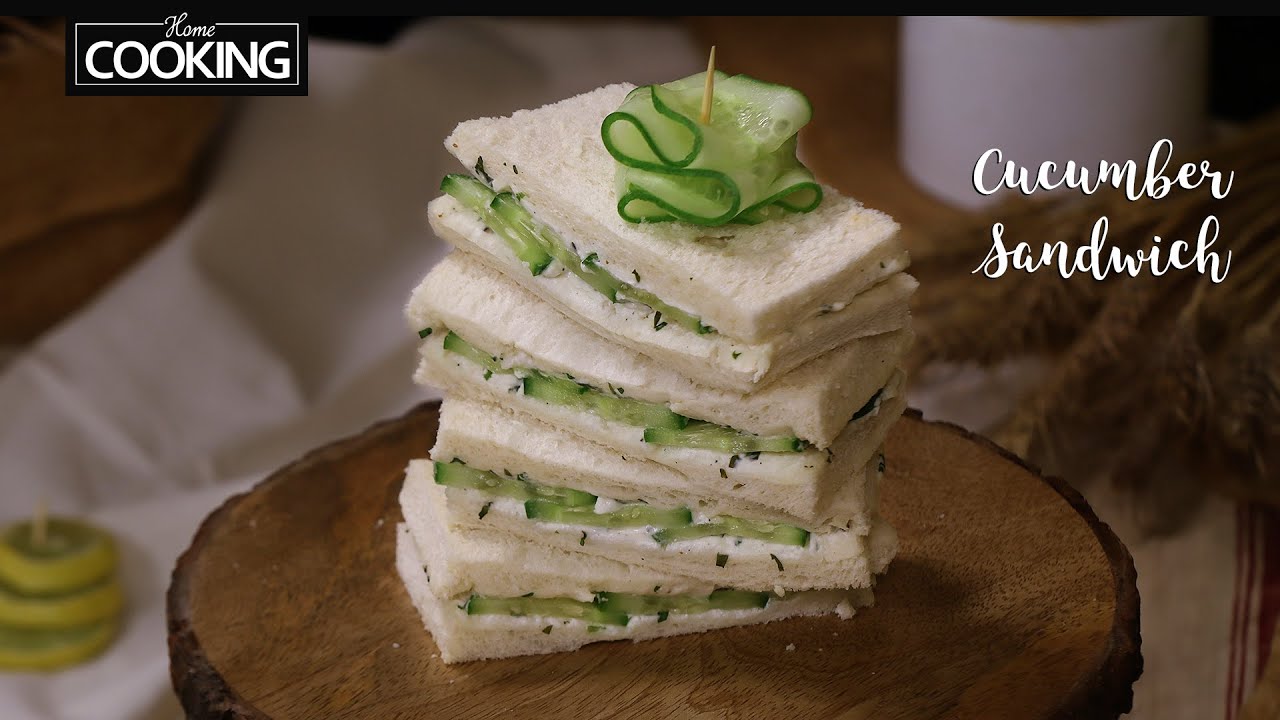
Teatime Sandwiches Recipe: There’s something undeniably charming about teatime sandwiches. They’re small, dainty, and absolutely delicious. But what truly makes them special is their simplicity and elegance. Served during afternoon tea, these bite-sized delights are typically crustless and carefully arranged on delicate plates or tiered trays. Whether you’re having a casual catch-up with friends or hosting a classy high tea, these sandwiches elevate the moment.
What’s great about teatime sandwiches is that they’re super versatile. You can make them as simple or as fancy as you like. Whether you’re in the mood for classic cucumber slices with cream cheese or feeling adventurous with smoked salmon and dill, there’s a combination to suit every palate. Plus, because they’re finger-sized, they let you sample a variety of flavors in one sitting. It’s like a little party for your taste buds.
The elegance of teatime sandwiches isn’t just in the taste, but in the presentation. Each sandwich is usually cut into neat fingers or delicate triangles, served crustless, and arranged beautifully. It’s not just food—it’s an experience, one that reminds us to slow down, sip some tea, and enjoy the finer things in life.
History of Afternoon Tea and Sandwiches
Afternoon tea and sandwiches go hand in hand, and the tradition dates back to early 19th-century England. The origin of afternoon tea is widely credited to Anna, the 7th Duchess of Bedford. In her time, it was customary to have only two meals a day—breakfast and dinner. Naturally, the Duchess found herself hungry in the long hours between meals. So, she began requesting a light snack of tea and bread with butter in the late afternoon.
Soon, this practice became a social event. Friends were invited to join, and the menu expanded to include small cakes, pastries, and yes—tea sandwiches. It didn’t take long for the trend to catch on among the British elite. Eventually, it became a fashionable pastime among the upper class.
The sandwiches served during afternoon tea were designed to be light, easy to eat, and beautifully presented. Common fillings included cucumber, egg salad, and smoked salmon—ingredients that remain popular to this day. Over time, teatime sandwiches evolved to include more international flavors, catering to modern tastes while still retaining their traditional elegance.
Ingredients You’ll Need
Classic Sandwich Base Ingredients
To create the perfect teatime sandwich, you don’t need an overflowing pantry. Start with these basic ingredients:
- Bread – White, whole wheat, multigrain, or rye; soft and fresh.
- Butter or Cream Cheese – For spreading and adding richness.
- Cucumber – Thinly sliced for a crisp, refreshing bite.
- Eggs – Boiled and mashed for classic egg salad.
- Mayonnaise – For mixing into fillings like egg or chicken salad.
- Smoked Salmon – For a more luxurious flavor.
- Cooked Chicken – Diced or shredded for chicken salad variations.
- Fresh Herbs – Like dill, parsley, or chives to add flavor.
- Lettuce or Rocket (Arugula) – For freshness and crunch.
Stick to fresh, high-quality ingredients—since the sandwiches are simple, the flavor depends entirely on ingredient quality.
Optional Ingredients for Variations
Want to take your sandwiches to the next level or add a creative twist? Consider these additions:
- Avocado – Mashed or sliced for a creamy texture.
- Pickles or Gherkins – Finely chopped for a tangy punch.
- Red Onion – Thinly sliced or pickled for flavor depth.
- Horseradish Cream – Pairs well with smoked salmon.
- Cranberry Sauce – Works wonderfully in chicken sandwiches.
- Roasted Peppers – Add sweetness and color.
- Mustard or Aioli – Adds complexity to simple fillings.
Kitchen Tools and Utensils
While you don’t need fancy equipment to make teatime sandwiches, having the right tools can make the process easier and neater:
- Sharp Bread Knife – For cleanly cutting off crusts.
- Cutting Board – Use a clean one specifically for sandwich prep.
- Spreading Knife or Spatula – For applying butter or spreads evenly.
- Small Bowls – For mixing fillings like egg or chicken salad.
- Serrated Knife – Best for slicing delicate ingredients like tomatoes or eggs.
- Tea Set or Tiered Tray – Optional, but makes the presentation extra elegant.
Step-by-Step Guide to Making Teatime Sandwiches
Step 1: Choosing the Right Bread
The bread you use can make or break your sandwich. Soft, thinly sliced bread works best. Think white, whole wheat, or multigrain—just make sure it’s fresh and easy to bite into. Avoid crusty or artisan loaves; they might taste great, but they can be too chewy or rough for delicate teatime bites.
Here’s a tip: Always trim the crusts before assembling. This not only makes them look more refined but also improves the texture and bite. For added elegance, lightly butter both slices before adding the filling—this prevents the bread from getting soggy and adds a subtle richness.
Also, consider how the bread complements your filling. For example:
- White Bread – Best for cucumber, salmon, or egg salad.
- Whole Wheat – Pairs well with chicken, lettuce, or avocado.
- Rye or Pumpernickel – Adds depth to smoked meats or strong cheeses.
And don’t forget—if you’re making sandwiches for a crowd, use different bread types to add variety and visual appeal.
Step 2: Prepping the Fillings
When it comes to teatime sandwiches, the filling is where the magic happens. While the bread lays the foundation, it’s the fillings that truly bring the flavor. And because these sandwiches are often made in bulk, prepping the fillings ahead of time can save a ton of hassle.
Start by deciding on the types of sandwiches you want to serve—maybe a mix of vegetarian and meat-based ones. For a classic touch, go for egg salad, cucumber and cream cheese, and smoked salmon. Here’s how to prep them:
- Egg Salad: Hard boil eggs (usually 6-8 for a small batch), then cool, peel, and mash them. Mix with a bit of mayonnaise, salt, pepper, and chopped chives. For a twist, you can add a tiny bit of mustard or a dash of paprika.
- Cucumber & Cream Cheese: Peel and thinly slice your cucumbers. Lay them out on a paper towel and sprinkle with a bit of salt. This draws out excess moisture so your sandwich doesn’t become soggy. Spread cream cheese on both slices of bread and layer with the cucumber slices.
- Smoked Salmon & Dill: Mix softened cream cheese with a little lemon juice and chopped fresh dill. Spread generously on bread, then layer smoked salmon and a touch of black pepper.
Don’t overdo the fillings. Teatime sandwiches are meant to be light and not overly stuffed. The goal is balance—enough filling for flavor but not so much that it spills out when you take a bite.
A pro tip? Prepare all your fillings and store them in airtight containers in the fridge. This way, when you’re ready to assemble, it’s quick and clean.
Step 3: Spreading and Layering Techniques
Let’s talk about layering—because how you build the sandwich matters almost as much as what you put in it.
The first step? Always spread a thin layer of butter or cream cheese on the bread. This acts like a barrier and helps prevent moisture from fillings (like cucumber or tomato) from soaking through. Plus, it adds a subtle richness to every bite.
When layering your fillings, the trick is to go thin and even. For example:
- For egg salad, use a spoon or small spatula to spread it evenly across the bread.
- For sliced items like cucumber or tomato, layer them in a single line without overlapping too much.
- For meats or salmon, place them neatly so every bite gets a bit of everything.
If you’re using leafy greens, place them directly on top of the buttered bread to act as a barrier and keep things crisp. Always pat greens dry with a paper towel first to remove excess moisture.
Remember—don’t pile on the fillings like a deli sandwich. These are meant to be elegant and dainty, not overflowing with ingredients.
And if you’re using spreads like mustard, horseradish, or aioli, apply them sparingly. A little goes a long way in enhancing flavor without overpowering the sandwich.
Step 4: Cutting and Presentation Tips
You’ve built your sandwich—now let’s talk about turning it into something truly Instagram-worthy. Presentation is a huge part of the teatime sandwich experience. Here’s how to make it look as good as it tastes.
First, trim the crusts using a sharp bread knife. Don’t try to cut all sides at once—go slowly, one side at a time. You want clean, even lines, not jagged or squished edges.
Next, cut the sandwich into small, manageable pieces. The traditional shapes include:
- Fingers (rectangles): The most common and elegant cut.
- Triangles: Diagonally sliced for a classic look.
- Squares: Perfect for thick fillings or soft breads.
Use a clean, sharp knife and wipe it between cuts to prevent smearing.
Now, arrange them on a serving tray or cake stand. Tiered trays are ideal if you’re serving a variety of sandwiches. Group them by type and garnish with herbs or edible flowers for a touch of sophistication.
If you’re hosting guests, consider adding labels or small place cards to indicate each type of sandwich. It’s a simple touch that guests appreciate—especially those with dietary restrictions.
And finally, cover your tray with a damp (not wet) paper towel and plastic wrap if you’re not serving immediately. This keeps everything fresh without drying out.
Step 5: Serving Suggestions
Presentation done, it’s time to serve! Teatime sandwiches are best enjoyed fresh, ideally within 1–2 hours of making. That said, there are several ways to elevate the experience when it’s finally time to dig in.
- Pair with a pot of freshly brewed tea—Earl Grey, Darjeeling, or English Breakfast are great options.
- Add small pastries or scones with jam and cream to complete the spread.
- Use elegant serving ware, like porcelain plates, tiered trays, and vintage teacups to create a true afternoon tea ambiance.
You can also consider seasonal garnishes. For instance, serve cucumber sandwiches with mint sprigs in the summer, or egg salad with microgreens in the spring. These little touches make a big difference.
If you’re hosting a themed event—like a bridal shower or baby shower—match the sandwich presentation to your decor. Use color-coordinated napkins, floral arrangements, and even custom name cards.
And don’t forget to enjoy the process. There’s something incredibly relaxing about assembling a beautiful tea tray, sipping a warm cup of tea, and savoring a perfectly made sandwich.
Popular Teatime Sandwich Varieties
Cucumber and Cream Cheese Sandwich
This is the quintessential teatime sandwich—light, crisp, and refreshingly simple. The beauty of the cucumber and cream cheese sandwich lies in its subtle flavors and delicate texture. It’s the sandwich that epitomizes British afternoon tea.
To make this classic:
- Start with soft white or whole wheat bread, crusts removed.
- Spread a generous but even layer of plain or herbed cream cheese on both slices.
- Thinly slice peeled cucumbers, pat them dry with a paper towel, and layer them across the bottom slice.
- Add a light sprinkle of salt, pepper, or even fresh dill for an herbal note.
The cream cheese balances the cucumber’s watery crunch with creamy smoothness, and the result is utterly refreshing. It’s especially lovely during warmer months or when served with iced tea and lemon.
Pro tip: For an elegant twist, you can add thinly sliced radishes or mint leaves. Also, choose English cucumbers if possible—they’re seedless and have thinner skins, perfect for sandwiches.
Egg Salad and Watercress Sandwich
The egg salad sandwich is another staple of traditional afternoon tea. Creamy, rich, and slightly tangy, it pairs beautifully with peppery watercress or even arugula.
Here’s how to make it perfect:
- Hard-boil 6 large eggs, peel them, and mash in a bowl.
- Add 2–3 tablespoons of mayonnaise, a teaspoon of Dijon mustard, and season with salt, pepper, and a pinch of paprika or curry powder for depth.
- Mix in some finely chopped chives or parsley for a touch of freshness.
- Spread the egg mixture onto white or whole grain bread, and top with a handful of fresh watercress before placing the second slice on top.
Watercress adds a slightly bitter, peppery edge that cuts through the creaminess of the egg. The sandwich is soft, satisfying, and packed with flavor—perfect alongside a cup of strong black tea.
If you want to make this even more indulgent, try grating a little aged cheddar into the mix or using truffle mayo for a gourmet flair.
Smoked Salmon and Dill Sandwich
Smoked salmon sandwiches bring a touch of luxury to your teatime spread. Silky, salty, and full of umami, salmon pairs beautifully with creamy spreads and fresh herbs.
To prepare:
- Choose rye or dark brown bread for a deep, nutty base.
- Spread with a mix of cream cheese, lemon juice, and chopped fresh dill.
- Layer with thin slices of high-quality smoked salmon.
- Add a crack of black pepper and a few capers if you like a bit of briny tang.
Cut into fingers or triangles for a refined presentation. This sandwich is not only flavorful but also visually stunning with its vibrant salmon color.
For extra elegance, top each piece with a small sprig of dill or a paper-thin slice of lemon. Serve with a glass of bubbly or a delicate green tea.
Chicken Mayo and Rocket Sandwich
If you’re looking for a hearty option without overwhelming richness, the chicken mayo and rocket (arugula) sandwich is your go-to. It’s a great way to use leftover roasted or grilled chicken and turns it into something chic.
To make it:
- Shred or finely dice cooked chicken breast.
- Mix with mayonnaise, a dash of lemon juice, salt, pepper, and optionally some crushed garlic or herbs.
- Spread on soft whole wheat or sourdough bread, then top with a handful of fresh rocket.
Rocket brings a peppery, fresh crunch that contrasts beautifully with the creamy chicken. You can also add thin slices of tomato or avocado for a different dimension.
This sandwich is filling but still delicate enough to sit comfortably alongside lighter options on a traditional afternoon tea tray.
Tips for the Perfect Teatime Sandwich
Keeping Bread Fresh
The number one enemy of a good teatime sandwich? Dry bread. It can ruin the whole experience. Luckily, there are a few tricks to keep your bread as fresh and soft as possible:
- Store bread in a sealed container or bag until you’re ready to use it. Exposure to air is what dries it out.
- Butter both slices of bread lightly before adding fillings—this adds flavor and creates a moisture barrier.
- Cover prepped sandwiches with a damp paper towel and plastic wrap if you’re making them ahead. This keeps the moisture in without making the bread soggy.
If you’re making a large batch, don’t leave the bread sitting out uncovered. Only prep a few at a time and keep the rest sealed.
Ideal Fillings Combinations
Part of the fun of teatime sandwiches is playing with flavor combinations. Here are a few pairings that always work:
- Cucumber + Cream Cheese + Mint
- Egg Salad + Watercress + Chive
- Chicken Mayo + Cranberry + Arugula
- Ham + Dijon Mustard + Cheddar
- Goat Cheese + Roasted Red Pepper + Basil
Think about contrasting textures and complementary flavors. Creamy + crunchy, salty + sweet, mild + peppery—these are the combinations that make every bite interesting.
Don’t go overboard, though. Teatime sandwiches aren’t about piling on ingredients—they’re about balance, refinement, and subtlety.
Presentation Ideas for Afternoon Tea
Presentation is everything. It’s what transforms a basic sandwich into an elegant treat. Here are a few ideas to take your teatime to the next level:
- Use tiered cake stands to display a variety of sandwiches.
- Garnish with herbs or edible flowers—lavender, violets, or pansies look stunning.
- Use cookie cutters to create fun shapes for themed events or kids’ parties.
- Line trays with doilies or pretty parchment paper for a vintage vibe.
- Label sandwich types with mini chalkboards or place cards.
And always serve with real napkins and tea cups—ditch the paper and plastic if you want the full teatime experience.
Make-Ahead and Storage Tips
How Far in Advance Can You Make Them?
Teatime sandwiches are best enjoyed fresh, but with proper preparation, you can absolutely make them ahead of time—especially helpful if you’re hosting a gathering and want to avoid last-minute stress.
Here’s a general timeline to follow:
- 1 Day Before: Prepare all your fillings (egg salad, chicken mix, spreads). Store each filling separately in airtight containers in the fridge.
- Morning of the Event: Assemble your sandwiches, trim the crusts, and cut them into desired shapes. Immediately cover with damp paper towels, then wrap the entire tray with plastic wrap. This helps prevent the bread from drying out without letting it go soggy.
- 1–2 Hours Before Serving: Arrange the sandwiches on your serving tray, garnish, and let them come to room temperature slightly before serving.
Pro tip: For extra freshness, assemble the sandwiches as close to serving time as possible—but having everything else prepped means it only takes a few minutes.
Best Ways to Store Without Getting Soggy
No one likes a soggy sandwich. Moisture is the main culprit—often from wet ingredients like cucumbers, tomatoes, or even mayonnaise.
Here’s how to keep them crisp and clean:
- Use butter or cream cheese as a moisture barrier. Spread it on both slices of bread before adding fillings. This technique keeps the liquids from seeping into the bread.
- Avoid watery fillings. Pat ingredients like cucumbers, tomatoes, or leafy greens dry with paper towels before assembling.
- Store in a single layer. If you’re stacking sandwiches, place parchment or wax paper between layers to avoid squishing.
- Use airtight containers or wrap trays tightly in plastic wrap.
- Refrigerate promptly, especially if using meat or egg-based fillings.
For ultra-soggy-prone ingredients (like cucumbers or tomatoes), consider storing them separately and adding them right before serving.
Gluten-Free and Vegan Options
Gluten-Free Bread Choices
Gluten sensitivity or celiac disease shouldn’t keep anyone from enjoying teatime! There are many gluten-free bread options available that make delicious sandwich bases:
- Gluten-Free White or Multigrain Bread – Widely available and neutral in taste.
- Seeded Gluten-Free Bread – Adds texture and flavor.
- Homemade Almond or Coconut Flour Bread – A great option for those following paleo diets.
- Lettuce Wraps – For an ultra-light, carb-free option, use crisp romaine or iceberg leaves as the “bread.”
The key is to choose a gluten-free bread that’s soft enough to slice and doesn’t crumble. Always slice carefully and trim crusts like traditional sandwiches for a polished look.
To keep them fresh, gluten-free bread often benefits from being lightly toasted before assembling. This helps with structure and prevents sogginess.
Plant-Based Filling Alternatives
Making teatime vegan-friendly is easier than ever thanks to a growing variety of plant-based ingredients. Here are some delicious vegan sandwich ideas that everyone will love:
- Cucumber and Vegan Cream Cheese – Use dairy-free cream cheese (made from almonds, cashews, or soy).
- Chickpea “Egg” Salad – Mash chickpeas with vegan mayo, turmeric, black salt (for eggy flavor), and chopped celery.
- Roasted Veggie & Hummus – Layer grilled zucchini, bell peppers, and eggplant with your favorite hummus.
- Avocado and Tomato – Mashed avocado with lemon juice, topped with thin tomato slices and fresh basil.
- Vegan “Chicken” Mayo – Use shredded jackfruit or store-bought vegan chicken mixed with vegan mayo and herbs.
Vegan options aren’t just for dietary needs—they’re full of flavor and add variety to your spread. Serve them with herbal teas like chamomile or rooibos for a complete plant-based experience.
Pairing Teatime Sandwiches with Beverages
Best Teas to Serve
No teatime is complete without a pot of freshly brewed tea. The right tea can elevate your sandwich experience from simple to sublime. Here are a few classic pairings:
- Cucumber Sandwiches – Pair with Earl Grey or Jasmine Green Tea for a floral contrast.
- Egg Salad – Best served with English Breakfast Tea or Darjeeling to cut through the creaminess.
- Smoked Salmon – Try with a light Oolong or White Tea for balance.
- Chicken Sandwiches – Go bold with Assam or Spiced Chai for extra warmth.
Brewing tips:
- Always use filtered water for a clean taste.
- Brew loose-leaf tea for the best flavor (but high-quality tea bags work too).
- Serve in a porcelain or ceramic teapot to retain heat, and always offer milk, lemon, and sugar on the side.
Alternative Drink Pairings
Not a fan of tea? No problem. There are plenty of beverages that complement teatime sandwiches beautifully:
- Sparkling Water with Lemon or Cucumber Slices
- Light White Wine or Rosé – For elegant afternoon parties.
- Iced Tea – Sweetened or unsweetened, with herbal or fruit infusions.
- Fresh Lemonade – A bright and tangy option, especially in summer.
- Fruit-Infused Water – Add strawberries, mint, or citrus for a refreshing sip.
For a festive occasion, a glass of Prosecco or Champagne can be a luxurious upgrade. Just be sure to balance the flavors—bubbly goes best with mild, creamy fillings like cucumber or egg salad.
Common Mistakes to Avoid
Overstuffing the Sandwiches
It’s tempting to pile on the fillings, especially when you want your sandwiches to be flavorful and satisfying. But when it comes to teatime sandwiches, less is more. Overstuffing doesn’t just make them messy—it takes away from the elegance and balance that makes them so enjoyable.
Here’s why you should resist the urge to overfill:
- Dainty Size: Teatime sandwiches are meant to be small and neat. Thick layers of filling will spill out when cut or bitten into, making them difficult to eat.
- Bread Integrity: Too much filling can cause the bread to become soggy or fall apart. You want your sandwich to hold its shape without squishing.
- Flavor Balance: A thin layer of filling allows each ingredient to shine. Overstuffed sandwiches can overwhelm the palate, masking the subtle flavors that teatime food is known for.
Keep fillings light, spread evenly, and always aim for symmetry. A thin layer of egg salad or a few slices of cucumber is all you need for the perfect bite.
Using the Wrong Bread Type
Bread plays a starring role in teatime sandwiches, and choosing the wrong type can ruin the entire experience. The biggest mistake? Using bread that’s too thick, crusty, or chewy.
Avoid:
- Artisan sourdoughs – While delicious, they are too tough for delicate sandwiches.
- Overly dense whole grains – They can overpower the subtle fillings.
- Stale or dry bread – This makes every bite feel rough and unpleasant.
Instead, go for:
- Soft white or whole wheat sandwich bread – Ideal for cucumber and cream cheese, egg salad, or smoked salmon.
- Rye or pumpernickel – Great for stronger flavors like salmon or roast beef.
- Crustless bread – Available pre-sliced at some stores, saving you trimming time.
And don’t forget to trim the crusts. This step might seem fussy, but it adds elegance and consistency to your sandwiches. Always use a sharp bread knife for clean cuts and avoid squishing the bread while slicing.
Hosting a Full Afternoon Tea
Other Dishes to Include
If you’re going all out and hosting a full afternoon tea, sandwiches are just one piece of the puzzle. A traditional spread includes a balance of savory, sweet, and sippable delights.
Here’s what else to include:
Savory Items
- Mini quiches
- Cheese and crackers
- Savory scones with cream cheese or chutney
Sweet Treats
- Fruit tarts
- Macarons
- Mini cupcakes
- Petit fours
- Shortbread cookies
Scones (a category of their own!)
- Plain or raisin scones
- Served with clotted cream and strawberry jam
Tea and Drinks
- Classic teas like Earl Grey, English Breakfast, and Darjeeling
- Non-caffeinated options like herbal or fruit teas
- Sparkling water, lemonade, or champagne for a twist
Make sure to present everything on tiered trays—sweets on top, scones in the middle, and sandwiches on the bottom. This isn’t just tradition—it helps keep flavors and textures separate, too.
Decorating the Table
Presentation is everything when hosting afternoon tea. A well-decorated table sets the mood and adds charm to the whole experience.
Here are some easy but impactful ways to elevate your tea table:
- Table Linens: Use a pretty tablecloth or lace runner. Napkins (cloth if possible) instantly upgrade the vibe.
- Floral Arrangements: A small bouquet of fresh flowers adds color and a soft fragrance.
- China and Glassware: Use matching cups, saucers, plates, and tiered trays. Don’t forget the teapot!
- Name Cards or Menus: Especially fun for parties or themed events.
- Candles or Fairy Lights: Perfect for cozy indoor setups.
And don’t forget background music! Classical, jazz, or soft acoustic tunes help set a relaxed, elegant tone.
Whether it’s a fancy bridal shower or a casual catch-up with friends, these little touches make your teatime feel like a truly special event.
FAQs about Teatime Sandwiches Recipe
1. Can I make teatime sandwiches the night before?
Yes, you can! Just prep your fillings ahead and assemble the sandwiches in the morning. Keep them covered with damp paper towels and plastic wrap to retain freshness.
2. What’s the best bread for tea sandwiches?
Soft white or whole wheat sandwich bread works best. Avoid crusty or overly dense breads, and always trim the crusts for a traditional look.
3. Can I freeze these sandwiches?
It’s not recommended. The texture of the bread and freshness of the fillings are best enjoyed fresh. Freezing may make them soggy or rubbery.
4. Are these suitable for kids’ parties?
Absolutely! Just cut them into fun shapes using cookie cutters and use kid-friendly fillings like ham and cheese or peanut butter and jelly.
5. How can I make these sandwiches look fancy?
Use tiered trays, edible flowers, and fresh herbs for garnish. Cut sandwiches into neat fingers or triangles and serve with elegant tea cups and linens.
Conclusion
From choosing the perfect bread and prepping delicious fillings to slicing and serving with style, every step in this guide helps you create a beautiful teatime spread that’s both impressive and comforting.
With classic options like cucumber and cream cheese, indulgent varieties like smoked salmon, and thoughtful alternatives for vegan and gluten-free guests, you can craft a menu that delights every palate. Just remember—balance, freshness, and elegance are key.
Now it’s your turn to brew the tea, lay out your finest plates, and enjoy the timeless joy of teatime sandwiches.