Tea Cakes Recipe: Tea cakes—soft, sweet, and buttery—are one of those classic baked treats that evoke cozy afternoons and warm cups of tea. Despite their name, tea cakes aren’t necessarily cakes in the traditional sense. In the Southern U.S., tea cakes are more like cookies—soft, thick, and sugar-dusted. In the UK, they resemble sweet buns, sometimes filled with dried fruit. Regardless of their form, they’re designed to be the perfect companion to tea.
You can think of tea cakes as a nostalgic bite of history wrapped in a doughy delight. They’re often passed down through generations, with each family having its own treasured version. And the best part? They’re incredibly simple to make. Whether you’re a baking newbie or a seasoned pro, this step-by-step recipe will help you create the perfect batch.
A Brief History of Tea Cakes
Tea cakes have roots stretching back hundreds of years. They became popular in Europe during the time of afternoon tea rituals—an elegant British tradition introduced in the 1840s by Anna, the Duchess of Bedford. Over time, as tea drinking became a social norm, light baked treats like scones and tea cakes became synonymous with teatime.
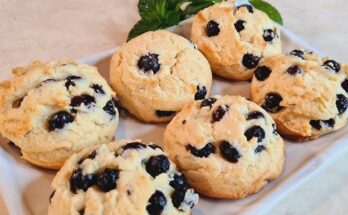
In the American South, African American cooks adapted the recipe using what was available—flour, sugar, eggs, and butter—creating a cookie-like version that’s now a cherished part of Southern cuisine. These Southern tea cakes are soft, slightly crisp on the edges, and taste like a warm hug.
Ingredients for Traditional Tea Cakes
Basic Pantry Ingredients You’ll Need
You don’t need anything fancy to make a delicious batch of tea cakes. Most of these ingredients are probably already in your kitchen:
- 1 cup (2 sticks) unsalted butter, softened
- 1½ cups granulated sugar
- 2 large eggs
- 1 tsp vanilla extract
- 3 cups all-purpose flour
- 1 tsp baking soda
- ½ tsp salt
- ½ tsp nutmeg (optional for added depth)
These simple ingredients come together to create something magical. The key is using room-temperature butter and eggs so everything blends smoothly and evenly.
Optional Add-Ins for Flavor
Want to get a little creative? Here are some optional add-ins that can enhance your tea cakes:
- Lemon zest – adds brightness and a citrusy kick
- Cinnamon – brings warmth and a cozy flavor
- Chopped pecans or walnuts – for a little crunch
- Raisins or dried cranberries – if you want a fruity twist
Remember, traditional recipes are great—but don’t be afraid to make them your own. Add your favorite flavors and make each batch special.
Equipment You’ll Need
Kitchen Tools That Make the Job Easier
No need for fancy baking gear here. Just a few essential tools:
- Mixing bowls (one large, one medium)
- Electric hand mixer or stand mixer
- Measuring cups and spoons
- Rubber spatula
- Baking sheet
- Parchment paper
- Cookie cutter (or just use a drinking glass for rustic charm)
- Cooling rack
A rolling pin can be handy if you want perfectly uniform cookies, but it’s not absolutely necessary. You can also pat the dough down with your hands—just make sure it’s even.
Step-by-Step Instructions to Make Tea Cakes
Step 1: Prepping Your Ingredients
Start by gathering all your ingredients. Let the butter and eggs come to room temperature—it helps with mixing. Preheat your oven to 350°F (175°C). Line your baking sheets with parchment paper or a silicone baking mat for easy cleanup and even baking.
In one bowl, whisk together your dry ingredients—flour, baking soda, salt, and nutmeg (if using). Set this aside.
Step 2: Mixing the Dough
In a large mixing bowl, cream together the softened butter and sugar until light and fluffy. This usually takes about 2–3 minutes with an electric mixer. Add the eggs one at a time, beating well after each. Mix in the vanilla extract.
Slowly add the dry ingredients to the wet mixture. Use a spatula or mixer on low speed to combine until a soft dough forms. Don’t overmix—it can make the cookies tough.
If the dough is too sticky, cover it and chill it in the refrigerator for about 30 minutes. This makes it easier to roll and cut.
Step 3: Shaping and Baking
Dust your countertop lightly with flour. Roll out the dough to about ¼-inch thickness. Use a cookie cutter to cut out rounds (2–3 inches in diameter works best).
Place the cookies on the prepared baking sheet, leaving about 2 inches between each one. Bake for 8–10 minutes or until the edges are just starting to turn golden. Keep a close eye—they bake quickly!
Step 4: Cooling and Serving
Once baked, let the cookies rest on the baking sheet for a couple of minutes before transferring them to a wire rack. Let them cool completely. Serve with your favorite tea—Earl Grey, chamomile, or English breakfast all pair beautifully.
You can dust them with powdered sugar or glaze them for a sweeter finish, but they’re delicious just as they are.
Pro Tips for the Perfect Tea Cakes
Making tea cakes is simple, but a few tips can elevate them from good to unforgettable. First and foremost—don’t skip the creaming process. Creaming butter and sugar properly incorporates air, giving your cookies that soft, tender texture we all love. Use unsalted butter so you can control the salt levels in your dough. And if you want that perfect bakery-style flavor? A tiny splash of almond extract alongside the vanilla goes a long way.
Chilling the dough isn’t just optional—it’s strategic. It helps prevent the cookies from spreading too much in the oven and gives the flavors time to meld. Even 20–30 minutes in the fridge makes a big difference. When rolling out the dough, keep it cool and lightly floured so it doesn’t stick to the rolling pin or surface. Rotate the dough as you roll to keep the thickness even.
Also, keep an eye on your oven! Ovens vary, and an extra minute can be the difference between soft and overbaked. Tea cakes should be lightly golden on the edges, not browned all over. Lastly, let them cool completely before storing to maintain that perfect texture.
Common Mistakes to Avoid
Even with simple recipes, a few missteps can trip you up. One of the most common mistakes is using cold butter or over-softened (nearly melted) butter. Either one can ruin the dough texture—cold butter won’t cream properly, and melted butter can make the cookies greasy and flat.
Another big one? Overmixing the dough. Once the flour goes in, stir just until the dough forms. Overworking it activates the gluten, leading to tough, chewy cookies instead of soft tea cakes.
Skipping the chill time is also a rookie mistake. Warm dough spreads in the oven, resulting in flat cookies with crispy edges. You want plump, pillowy cookies—not pancakes.
Measuring ingredients inaccurately can also cause problems. Spoon the flour into your measuring cup and level it off rather than scooping directly from the bag (which packs the flour and adds too much). And don’t forget to check that your baking soda is fresh—expired leavening means flat, dense cookies.
Variations of Tea Cakes Around the World
Southern American Tea Cakes
Southern tea cakes are a staple in many households, especially in African American communities. These cookies are typically flavored with vanilla or nutmeg, with a soft, tender crumb. They’re often served at family gatherings, holidays, and Sunday dinners—deeply tied to tradition and memories.
They’re usually cut into simple round shapes and dusted with a little sugar or glazed. Sometimes, you’ll find recipes that call for buttermilk or sour cream for added moisture and tang. They aren’t overly sweet, which makes them perfect for pairing with sweet tea or coffee.
Russian Tea Cakes
Russian tea cakes, also known as snowball cookies or Mexican wedding cookies, are a completely different take. These little round cookies are made with ground nuts (like pecans or walnuts), flour, and butter, then rolled in powdered sugar after baking.
They’re rich, crumbly, and melt-in-your-mouth good. They’re particularly popular during holidays and celebrations, and while they’re called “tea cakes,” they’re closer to shortbread in texture.
British Tea Cakes
In the UK, tea cakes are more like soft, sweet yeast buns rather than cookies. Often studded with dried fruits like currants or raisins, these buns are served warm with butter and sometimes topped with jam. They’re a common treat during afternoon tea or breakfast.
British tea cakes have a lovely light texture from the yeast and a subtle sweetness that balances beautifully with the richness of butter. They’re often toasted and enjoyed alongside a steaming cup of English breakfast tea.
Storing and Freezing Tea Cakes
Freshly baked tea cakes store well in an airtight container at room temperature for up to a week. If you want to keep them soft, toss a slice of bread into the container—it helps maintain moisture. For a crisper texture, store them in a cookie tin without the bread.
Freezing? Absolutely. You can freeze the raw dough or baked cookies. If freezing dough, shape it into a log, wrap tightly in plastic wrap and foil, and freeze for up to 3 months. When you’re ready to bake, let the dough thaw slightly before slicing and baking.
To freeze baked tea cakes, let them cool completely, then place them in a single layer in a freezer-safe container. Use parchment between layers to prevent sticking. They’ll last up to 3 months. Thaw at room temp or reheat briefly in the oven for that just-baked warmth.
FAQs about Tea Cakes Recipe
1. Can I use margarine instead of butter for tea cakes?
You can, but the flavor and texture won’t be the same. Butter gives a richer taste and better crumb. If using margarine, make sure it’s the baking kind, not a spread.
2. Why did my tea cakes come out flat?
Most likely, your butter was too soft or your dough wasn’t chilled. Also check your baking soda—expired soda can cause flat cookies.
3. Can I make tea cakes gluten-free?
Yes! Substitute with a 1:1 gluten-free flour blend designed for baking. You might need to tweak liquid ratios slightly, so test a small batch first.
4. How can I add more flavor to my tea cakes?
Try adding almond extract, lemon zest, cinnamon, or even a pinch of cardamom. Dried fruits or nuts also add delicious texture and taste.
5. Are tea cakes supposed to be soft or crunchy?
Southern tea cakes are soft with crisp edges, while Russian tea cakes are crumbly and British ones are bun-like. Texture depends on the version you’re baking!
Conclusion
Tea cakes may be humble, but they’re anything but boring. They carry history, tradition, and the sweet simplicity of home-baked goodness. Whether you stick to a Southern classic or experiment with global variations, making tea cakes is a joyful, rewarding process. From mixing the dough to pulling warm cookies from the oven, each step brings a little comfort to your kitchen. So, roll up your sleeves, preheat the oven, and start your own tea cake tradition today.