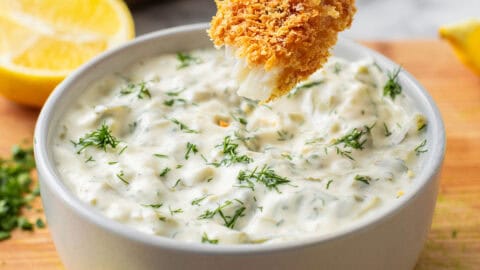
Tarter Sauce Recipe: Tartar sauce is a creamy, tangy, and delicious condiment that perfectly complements seafood dishes like fish and chips, fried shrimp, or crab cakes. It’s a simple emulsion made primarily with mayonnaise, chopped pickles or relish, and seasonings. Some variations add capers, lemon juice, or herbs for extra zest. Known for its rich yet sharp flavor, tartar sauce enhances the taste of fried and grilled seafood, offering a refreshing contrast to the oily texture of these dishes.
The beauty of tartar sauce lies in its versatility. It’s not just a side dip—it can be used in sandwiches, wraps, or even as a salad dressing when thinned out. Whether you’re serving a big family meal or just want to spice up your lunchtime fish sandwich, having tartar sauce on hand adds that perfect gourmet touch.
History and Origins of Tartar Sauce
The origins of tartar sauce trace back to French cuisine. The name “tartar” is believed to be derived from the Tatar people of Central Asia. French chefs, inspired by the Tatars’ love for finely chopped meat and condiments, created this sauce to accompany their version of steak tartare.
Over time, the sauce was modified and tailored to suit seafood. In the U.S. and U.K., tartar sauce became widely known as the go-to condiment for fried fish. It gained prominence during the post-war era when fish and chips became a popular staple meal in households and diners.
What started as a niche French sauce evolved into a global staple, particularly loved in Western cuisines. Today, every country adds its own twist—some adding Dijon mustard, others using yogurt instead of mayo—but the core essence remains unchanged: creamy, tangy, and irresistible.
Why Make Tartar Sauce at Home?
Health Benefits of Homemade Tartar Sauce
Making tartar sauce at home gives you control over the ingredients. Store-bought versions often contain preservatives, excess sugar, and artificial flavor enhancers. When you whip it up in your own kitchen, you decide what goes in and what stays out.
For instance, homemade tartar sauce can be made with organic mayonnaise, fresh herbs, and low-sodium pickles. You can avoid added sugars entirely or substitute with healthier alternatives. Want to make it vegan or keto-friendly? Easy—you can switch up the base and tailor it to your diet without sacrificing taste.
Not only is it healthier, but it’s also fresher. You can use natural, whole ingredients that pack more nutritional value than their processed counterparts. Plus, there are no hidden allergens when you know every ingredient you used.
Taste and Freshness Advantages
There’s something magical about freshly made sauces. The punch of fresh lemon, the crunch of just-chopped pickles, and the smooth blend of creamy mayo create a depth of flavor that store-bought versions just can’t match.
Homemade tartar sauce has a vibrant, lively flavor profile. You get the tangy kick of lemon juice and pickles, balanced by the smooth richness of the mayo. You can taste the texture—the chopped ingredients stand out in every bite rather than getting lost in a paste-like processed mix.
And the best part? You can customize it to your liking. Want it spicier? Add chili flakes or jalapeños. Craving more acidity? Up the lemon or vinegar. Once you try the homemade version, the jarred stuff just won’t cut it anymore.
Key Ingredients in Tartar Sauce
Must-Have Ingredients
A classic tartar sauce is made with just a handful of ingredients that you likely already have in your kitchen:
- Mayonnaise: The creamy base of the sauce. You can use regular, light, or even vegan mayo depending on your preference.
- Pickles or Relish: Adds the essential tang and crunch. Dill pickles are most common, but sweet pickles can be used for a twist.
- Lemon Juice: Brings brightness and acidity to balance the richness of the mayo.
- Dijon Mustard (optional but popular): Enhances the depth of flavor with a slight spice.
- Salt and Pepper: For basic seasoning and taste balance.
Each ingredient plays a critical role, but together they create a sauce that’s more than the sum of its parts—an explosion of flavor in every dollop.
Optional Add-ins for Extra Flavor
If you want to level up your tartar sauce, here are some optional add-ins that can take it from classic to gourmet:
- Capers: Adds a briny, salty complexity.
- Fresh Dill or Parsley: Brings herbaceous freshness.
- Garlic or Shallots: For a little extra bite and depth.
- Hot Sauce or Chili Flakes: If you like a bit of heat.
- Greek Yogurt or Sour Cream: To lighten the texture and add a tangy creaminess.
These add-ins allow you to tailor the tartar sauce exactly to your dish or personal preference. Whether you want something bold, zesty, or just plain comforting, a few tweaks can create the perfect blend.
Step-by-Step Guide to Making Tartar Sauce
Step 1: Gathering the Ingredients
Before you begin, gather everything you need. Here’s a simple recipe to start with:
Ingredients:
- 1 cup mayonnaise
- 1/4 cup finely chopped dill pickles (or 2 tbsp sweet relish)
- 1 tablespoon lemon juice
- 1 teaspoon Dijon mustard
- Salt and pepper to taste
Optional:
- 1 tablespoon chopped capers
- 1 tablespoon minced fresh dill
- 1 teaspoon minced garlic or shallots
Make sure all ingredients are fresh and of good quality. The better your base ingredients, the tastier your tartar sauce will be.
Step 2: Prepping and Mixing
Start by finely chopping the pickles, capers, herbs, and any other solid ingredients. You want them small enough to mix evenly but not so small that they turn into mush.
In a mixing bowl, add the mayonnaise first. Then stir in the chopped pickles and lemon juice. Add mustard, capers, and any herbs you’re using. Mix gently but thoroughly, ensuring every bite will have a bit of everything.
Taste the mixture as you go. Need more tang? Add more lemon. Too thick? A splash of pickle juice or vinegar can help. Want it bolder? A small dash of hot sauce can spice things up.
Step 3: Adjusting Flavors to Taste
Once your tartar sauce is mixed, it’s time to fine-tune the flavor. This is the most critical step because taste can vary based on the brand and intensity of your ingredients. Grab a spoon and sample a small amount.
Ask yourself:
- Is it tangy enough?
- Does it need more salt?
- Would a little sugar balance it out better?
- Is there a strong enough pickle punch?
If the sauce feels flat or bland, add a bit more lemon juice or pickle juice to boost acidity. A pinch of sugar can mellow out an overly tangy batch. For a stronger punch, increase the amount of pickles, relish, or mustard.
This is where the magic happens. Everyone’s palate is different, so don’t be afraid to play around until you find the perfect balance. That’s the true joy of homemade cooking—it’s yours to shape.
Let the sauce sit for at least 15 minutes before serving. This short resting period lets the flavors meld beautifully, transforming a mix of ingredients into a unified, vibrant sauce.
Tips for the Best Homemade Tartar Sauce
Storage Tips
Proper storage is key to maintaining the freshness and flavor of your tartar sauce. Once you’ve made a batch, transfer it to an airtight container—preferably a glass jar. Refrigerate immediately and keep it chilled when not in use.
Homemade tartar sauce typically lasts about one week in the fridge. Since it contains fresh ingredients and no preservatives, you should check it for spoilage before each use. If it smells sour, changes color, or develops a weird texture, it’s time to toss it.
To extend shelf life, avoid double-dipping utensils into the container. Always use a clean spoon to scoop what you need. This prevents bacteria from contaminating the sauce and helps it stay fresh longer.
Flavor Enhancement Tricks
Want to wow your guests or just enjoy a next-level dip? Here are some expert tricks to make your tartar sauce pop:
- Let It Sit Overnight: Like chili or curry, tartar sauce gets better with time. Making it the night before allows the flavors to deepen and blend more harmoniously.
- Add a Hint of Umami: A dash of soy sauce or Worcestershire sauce can bring out hidden depths without overpowering the original flavor.
- Smoked Elements: A pinch of smoked paprika or a few drops of liquid smoke can create a unique, unforgettable twist.
- Texture Play: Add finely chopped celery or onions for a crunchier bite. This works especially well if you’re using it in sandwiches.
- Experiment with Acids: Swap lemon juice for lime, apple cider vinegar, or even white wine vinegar for different layers of tang.
With these tricks up your sleeve, even a basic batch of tartar sauce can feel like a gourmet dip from a five-star kitchen.
FAQs about Tarter Sauce Recipe
1. How long does homemade tartar sauce last in the fridge?
Homemade tartar sauce typically lasts up to 7 days when stored in an airtight container in the refrigerator. Be sure to use clean utensils to scoop it to avoid contamination.
2. Can I freeze tartar sauce?
Freezing is not recommended for tartar sauce because mayonnaise tends to separate and become grainy once thawed. It’s best enjoyed fresh or within the week.
3. What can I use instead of pickles in tartar sauce?
If you don’t have pickles, try using capers, chopped olives, or even a bit of vinegar with some chopped cucumbers for a similar tangy effect.
4. Is there a vegan version of tartar sauce?
Absolutely! Use vegan mayonnaise as your base and ensure all your add-ins (like pickles and mustard) are plant-based. The rest of the recipe stays the same.
5. Can tartar sauce be made without mayonnaise?
Yes, you can substitute mayo with Greek yogurt, sour cream, or even mashed avocado for a different texture and flavor. Just adjust seasonings accordingly.
Conclusion
Tartar sauce may seem like a simple condiment, but when you make it from scratch, it becomes something special—fresh, flavorful, and uniquely yours. From selecting high-quality ingredients to customizing it for your personal taste, the process is not only easy but rewarding.
Whether you’re preparing it for a classic fish and chips dinner or using it as a dip, sandwich spread, or salad topping, homemade tartar sauce brings unmatched taste and satisfaction. Ditch the store-bought versions, and in just a few minutes, you’ll have a rich, creamy, zesty sauce that elevates your dishes to the next level.
Remember: the best meals are made with love—and a killer sauce on the side.