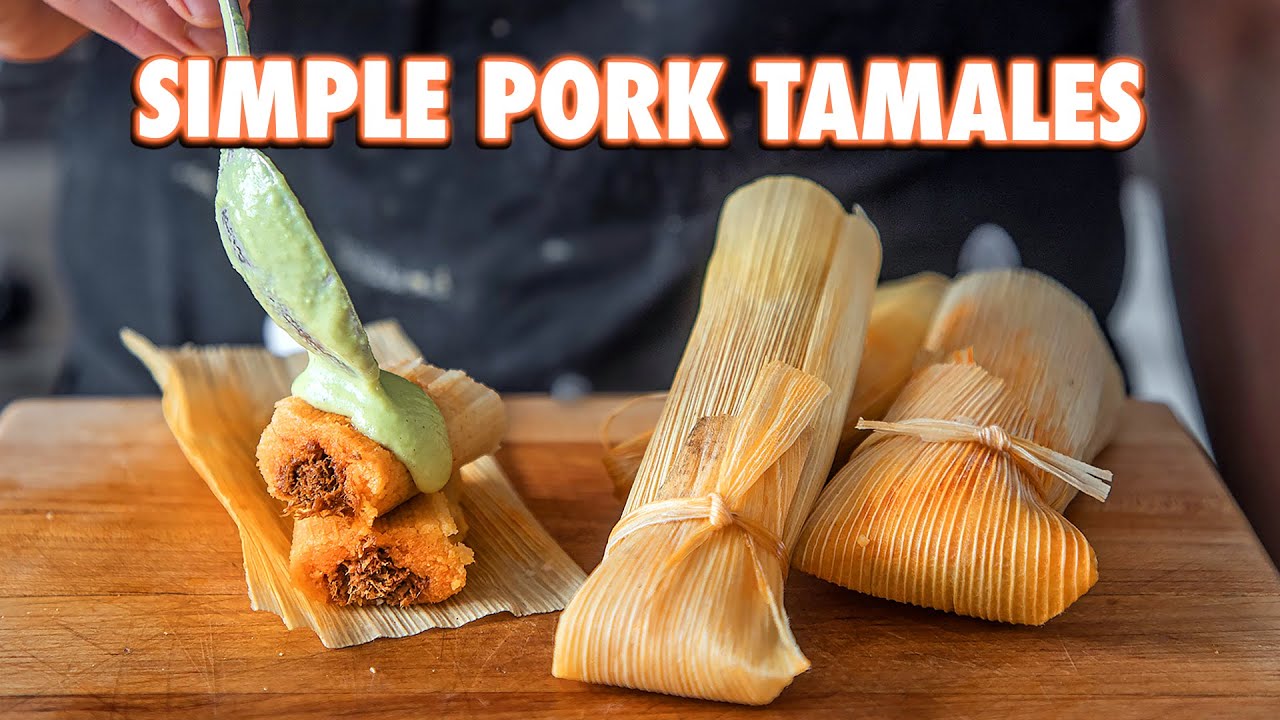
Tamale Masa Recipe: Tamales are a cherished tradition in many Latin American homes, especially around holidays and family gatherings. At the heart of every great tamale lies the masa—the dough that holds the filling together and gives tamales their signature texture and taste.
In this guide, we’ll break down everything you need to know to make perfect tamale masa from scratch. Whether you’re new to tamales or just want to perfect your dough, this step-by-step guide has got you covered.
What is Tamale Masa?
Tamale masa is a soft, pliable dough made primarily from corn. It acts as the foundation of tamales, wrapping around various fillings like meats, cheese, or vegetables, then steamed in corn husks until tender. The word “masa” means “dough” in Spanish, and in this context, it typically refers to dough made from nixtamalized corn—corn that has been treated with an alkaline solution to enhance its flavor and nutritional value.
There are two main ways to make tamale masa: from freshly ground nixtamalized corn (wet masa) or from masa harina, a dry corn flour that’s rehydrated. Both methods can yield fantastic results, but using high-quality ingredients is essential. Tamale masa should be light, airy, and spreadable, not heavy or dry. A well-made masa enhances the flavor and texture of tamales, making them truly irresistible.
Importance of Masa in Tamales
If tamales were a song, masa would be the melody. It’s not just a container for the fillings—it’s an integral part of the experience. The flavor, texture, and moisture of the masa can make or break a tamale. Well-prepared masa is fluffy and tender, offering the perfect balance to savory or spicy fillings.
Moreover, masa plays a cultural role. The process of making it, often done with family or friends, is deeply rooted in Latin American traditions. Preparing masa from scratch connects you to generations of cooks before you, making each bite more meaningful. That’s why understanding how to make the perfect tamale masa is so important—it’s about honoring a tradition as much as it is about creating a delicious dish.
Ingredients You’ll Need
Key Components of Masa Dough
Creating great tamale masa starts with gathering the right ingredients. Here’s what you’ll typically need:
- Masa Harina or Fresh Masa: Masa harina is the dry version and needs rehydration; fresh masa is ready to go.
- Lard (or substitute): Traditional tamales use pork lard for flavor and fluffiness. Alternatives include vegetable shortening or oil for vegetarian versions.
- Broth or Water: Chicken or vegetable broth adds flavor and moisture. Water works in a pinch but is less flavorful.
- Salt: Enhances all the flavors in the dough.
- Baking Powder (optional): Adds a bit of lift to make the masa lighter.
Each of these ingredients plays a specific role. The masa harina provides the corn base, the lard or fat adds richness and tenderness, and the broth ensures your masa is moist and flavorful. Baking powder isn’t traditional in all recipes, but it can help achieve a lighter texture, which many people prefer.
Choosing the Right Corn Masa (Fresh or Masa Harina)
You have two solid options when it comes to choosing masa:
- Fresh Masa: Often found in Latin markets, fresh masa is made from ground nixtamalized corn and has a rich, authentic flavor. It’s already hydrated and usually only needs the addition of lard and seasoning.
- Masa Harina: A more accessible option, this is a dry corn flour made by drying and grinding nixtamalized corn. Brands like Maseca and Bob’s Red Mill are popular choices. Masa harina must be rehydrated with liquid to form the dough.
While fresh masa is ideal for traditionalists, masa harina is incredibly convenient and still makes delicious tamales. Just make sure you’re buying masa harina para tamales, which is coarser and better suited for the texture of tamale dough.
The quality of your masa, whether fresh or rehydrated, will determine the flavor and mouthfeel of your tamales. Look for products labeled specifically for tamales, as they tend to be more textured and provide a heartier result.
Prepping Your Workspace and Tools
Kitchen Tools for Masa Preparation
Before diving into masa-making, it helps to have a few essential tools at the ready:
- Large Mixing Bowl: You’ll need ample space to mix the dough thoroughly.
- Stand Mixer (Optional): If you’re making a big batch, this can save your arms a lot of work.
- Wooden Spoon or Spatula: For hand-mixing, a sturdy utensil is key.
- Measuring Cups and Spoons: Precision matters—especially with hydration and salt levels.
- Clean Towels: To cover the dough and keep it from drying out as you work.
Having the right tools not only makes the job easier but also ensures your dough turns out just right. It’s like setting the stage before a performance—you want everything in place so you can focus on nailing the recipe.
Organizing Ingredients for Smooth Workflow
Masa-making, like any cooking task, is smoother when you’re organized. Lay out your ingredients ahead of time and measure them before you start mixing. Here’s a good checklist:
- Pre-measure your masa harina (or prep your fresh masa)
- Warm your broth or water slightly for better absorption
- Soften or melt your lard if needed
- Set out salt and baking powder in small bowls
By organizing your ingredients mise en place style, you eliminate stress and make it easier to focus on technique. It’s also a good idea to do a quick mental checklist: “Do I have everything? Is my mixing bowl big enough? Do I need more broth just in case?”
Being prepared allows you to really get into the rhythm of making masa. And once you’re in that rhythm, the process becomes enjoyable—even therapeutic.
Step-by-Step Tamale Masa Recipe
Step 1: Rehydrating Masa Harina (If Used)
If you’re starting with masa harina, the first crucial step is to rehydrate it properly. This process brings the corn flour to life, giving it the soft, doughy texture needed for tamales.
Start by measuring out your masa harina into a large mixing bowl. For every 4 cups of masa harina, you’ll need about 3 to 4 cups of warm liquid—either water, chicken broth, or vegetable broth. Warm broth is preferred because it enhances the flavor of the masa.
Slowly pour the liquid into the masa harina while mixing with a wooden spoon or your hands. The goal is to hydrate all the flour without overmixing. The consistency should resemble thick cookie dough—soft but not sticky, pliable but not runny.
Let the dough rest for about 10 minutes. This waiting period allows the masa to fully absorb the moisture and results in a smoother, more workable dough. Some people skip this step and end up with a gritty texture, so don’t rush it.
You can check if the dough is hydrated enough by pinching off a small amount and pressing it between your fingers. It should be smooth and cohesive, not crumbly or overly sticky. If needed, add more broth or water one tablespoon at a time.
Step 2: Mixing the Fat (Lard or Alternatives)
Now it’s time to work in the fat. Traditional tamales use pork lard, which gives a rich, savory flavor and helps achieve that sought-after fluffy texture. However, for those avoiding animal products, vegetable shortening or refined coconut oil are great alternatives.
Take your softened lard and whip it until fluffy. If you’re using a stand mixer, beat the lard for about 5 minutes until it becomes light in color and airy. This step is key—it incorporates air into the fat, which helps lighten the masa during steaming.
Next, begin adding the whipped fat to the hydrated masa gradually. Mix thoroughly after each addition to ensure even distribution. This is where patience and thoroughness matter most. Under-mixed masa can result in greasy, uneven tamales.
You want to achieve a uniform dough where the fat is fully incorporated but not overworked. The masa should be light and spreadable, with a slight sheen from the fat.
Keep in mind, if your fat is too cold or solid, it won’t blend properly with the dough. Always use softened (but not melted) lard or shortening for best results.
Step 3: Combining Ingredients
Once your fat is fully incorporated, it’s time to add the remaining dry ingredients: salt and baking powder. These seasonings bring out the flavor of the corn and give the masa a slight lift during steaming.
A good starting ratio is:
- 1½ teaspoons of salt
- 2 teaspoons of baking powder
Sprinkle these evenly across the masa and mix thoroughly. If you’re making a large batch, double or triple these quantities accordingly.
This is also the perfect moment to add any optional seasonings, such as cumin, garlic powder, or chili powder, depending on your filling. Just a dash of cumin or smoked paprika can give your masa a unique signature twist.
Taste a small piece of dough (yes, it’s safe to eat raw) to check the seasoning. The masa should taste slightly salty and flavorful on its own.
Remember, the masa will balance the boldness of your filling, so it’s okay if it’s a touch more seasoned than you think it needs to be.
Step 4: Achieving the Right Masa Consistency
One of the most important aspects of tamale masa is getting the consistency right. The dough should be soft, airy, and easily spreadable on a corn husk without tearing it.
Here are some tips to ensure perfect texture:
- If your masa feels too stiff or dry, add warm broth or water, one tablespoon at a time.
- If it’s too wet or greasy, mix in a little more masa harina until the texture improves.
Your goal is to reach a smooth, moist consistency—similar to thick hummus or whipped mashed potatoes.
To test if your masa is ready, perform the “float test.” Take a small ball of masa and drop it into a cup of cold water. If it floats, it’s ready! This means enough air has been incorporated and the fat is distributed properly. If it sinks, beat the masa a little more and try again.
This float test is a centuries-old trick used by generations of tamaleras—and it works like magic every time.
Once your masa passes the float test, cover it with a damp towel or plastic wrap to prevent it from drying out as you assemble your tamales.
Testing and Storing the Masa
The Float Test – How to Know Masa is Ready
The float test is more than just a cool trick—it’s a tried-and-true way to know if your masa is perfectly prepared. Here’s how to do it:
- Pinch off a small ball of masa, about the size of a walnut.
- Gently drop it into a cup of cold water.
- Watch what happens.
- If it floats: Congratulations! Your masa is airy and well mixed. You’re ready to start assembling tamales.
- If it sinks: No worries—just mix or beat the masa a bit more. You may need to add a touch more fat or rework it to incorporate more air.
Don’t skip this step. It’s the best indicator of fluffy tamales that hold their shape and deliver the perfect bite.
How to Store Masa Before and After Making Tamales
Once your masa is ready, you can use it immediately or store it for later use.
- Short-term storage (up to 24 hours): Cover the dough with plastic wrap or a damp cloth and keep it in the refrigerator.
- Freezing: Tamale masa freezes beautifully. Store it in an airtight container or heavy-duty freezer bag for up to 3 months. When ready to use, thaw overnight in the fridge and re-whip with a little warm broth if needed.
Proper storage helps preserve flavor and texture. Always keep masa covered to prevent it from drying out. If you notice any separation (like fat pooling), just stir or re-whip before using.
Making masa in advance can be a huge time-saver during busy holiday tamale-making sessions!
How Much Masa Do You Need Per Tamale?
If you’re planning a tamale-making session, figuring out how much masa you’ll need is essential to avoid running out mid-process—or ending up with enough dough to feed a small army. Fortunately, calculating the right amount is pretty straightforward once you know a few basics.
Average Masa Per Tamale
For most standard-sized tamales, you’ll use about ¼ to ⅓ cup of masa per tamale. This depends on the size of the corn husk and how thick you want the masa layer to be. A thinner masa layer allows more of the filling flavor to shine, while a thicker layer makes a heartier tamale.
Here’s a quick guide:
- Small tamales (snack size) – 2 to 3 tablespoons masa
- Medium tamales (standard size) – ¼ cup masa
- Large tamales (loaded with filling) – ⅓ cup masa or more
So, if you’re making:
- 12 tamales – plan for 3 to 4 cups of masa
- 24 tamales – 6 to 8 cups
- 50 tamales – 12 to 16 cups
This estimate doesn’t include filling, so plan your other ingredients accordingly. Always make a little extra masa, just in case your husks are larger or you want to play with different thicknesses.
Batch Size Considerations
When you’re cooking for a big event or holiday, doubling or tripling your masa recipe is common. But remember—mixing large amounts of masa by hand can be labor-intensive. If possible, use a stand mixer for efficiency and consistency, especially for batches larger than 8 cups.
Also, think ahead: tamales freeze incredibly well. Making more than you need isn’t a bad idea—future you will thank you.
Pro Tip: Keep Masa and Filling Balanced
One of the biggest rookie mistakes is making too much masa and not enough filling, or vice versa. If you’re experimenting with new tamale fillings, it’s helpful to do a test tamale or two before committing to a full batch. That way, you can adjust the ratio of dough to filling for your desired flavor and texture.
Gluten-Free and Vegan Masa Options
Tamale masa is naturally gluten-free, thanks to its corn base. But if you or someone you’re cooking for has dietary restrictions like gluten sensitivity or prefers a plant-based diet, a few adjustments can help you make delicious gluten-free and vegan tamales without sacrificing taste.
Gluten-Free Considerations
Corn is gluten-free, but you should still double-check labels when buying masa harina. Some brands may be processed in facilities that handle wheat. Look for a certified gluten-free label for peace of mind.
Also, verify that any added seasonings (like baking powder or spice blends) are gluten-free. Most are, but it’s best to check if you’re cooking for someone with celiac disease or serious gluten intolerance.
Vegan Masa Tips
Traditional tamale masa is made with lard, but it’s easy to swap in vegan alternatives. Here are some effective substitutes:
- Vegetable shortening – Mimics lard’s texture and richness.
- Refined coconut oil – Neutral flavor and firm texture make it an excellent alternative.
- Olive oil or avocado oil – Healthier options, but they can make the dough denser and affect the flavor slightly.
To boost the richness of vegan masa, consider adding a small spoonful of nutritional yeast or a splash of non-dairy milk. These ingredients help mimic the umami of lard.
Recipe Example for Vegan Masa
- 4 cups masa harina
- 1½ cups vegetable shortening (or 1 cup coconut oil)
- 3½ to 4 cups warm vegetable broth
- 2 teaspoons baking powder
- 1½ teaspoons salt
Mix as directed in earlier steps, and enjoy a 100% plant-based tamale that’s just as tasty as the original.
Pairing Masa with Different Tamale Fillings
The flavor and texture of your masa should complement the filling, not overpower it. This is where creativity meets tradition—there are endless ways to pair masa with both savory and sweet fillings.
Savory Pairings
- Red Chile Pork: A classic tamale filling with bold flavors. Pair with slightly spiced masa.
- Green Chile Chicken: Light and tangy, works great with traditional masa or masa seasoned with a pinch of cumin.
- Cheese and Jalapeño: A favorite vegetarian option. Keep the masa plain or add garlic powder for extra flavor.
- Beans and Vegan Cheese: Perfect for plant-based eaters. Add smoked paprika or chipotle to your masa for a flavor boost.
Sweet Pairings
Yes, tamales can be sweet too! In Mexico and Central America, sweet tamales are made with masa that includes sugar, cinnamon, and sometimes food coloring. Popular fillings include:
- Raisins and Cinnamon: Classic and comforting.
- Pineapple and Coconut: Tropical and refreshing.
- Strawberry or Guava Jam: Bright, fruity, and kid-approved.
Sweet masa usually swaps broth for milk or coconut milk and incorporates sugar and flavorings like vanilla or cinnamon. The result? A dessert tamale that’s both nostalgic and satisfying.
How to Match Masa to Filling
The key is balance. Bold fillings like spiced pork need a more neutral masa. Lighter or sweeter fillings benefit from subtly flavored or even slightly sweetened masa. Don’t be afraid to experiment and taste as you go. After all, half the fun of tamale-making is finding your personal favorite combo.
FAQs about Tamale Masa Recipe
1. Can I make tamale masa ahead of time?
Absolutely! Tamale masa can be made a day or even two in advance. Simply store it in an airtight container in the refrigerator. When you’re ready to assemble your tamales, allow the masa to come to room temperature, then re-whip it to restore its soft, airy texture. If it feels dry, add a splash of warm broth or water while mixing.
2. What’s the best fat to use in tamale masa?
Traditionally, pork lard is the gold standard—it provides unmatched flavor and lightness. However, for vegetarian or vegan versions, vegetable shortening, refined coconut oil, or even avocado oil can work well. Avoid butter or unrefined coconut oil unless you’re making sweet tamales, as they can overpower the masa’s flavor.
3. Why is my masa too dry or crumbly?
Dry or crumbly masa usually means it’s under-hydrated or lacks enough fat. Add more warm broth or water, a tablespoon at a time, and knead or mix until the dough becomes smooth and spreadable. Also, check your ratios—too much masa harina and not enough fat can make the dough dense.
4. How do I fix masa that’s too wet or greasy?
Overly wet or greasy masa is usually caused by too much liquid or fat. To fix it, sprinkle in a little more masa harina and knead gently until it thickens. Be cautious—adding too much at once can swing it back to being too dry.
5. Can I freeze leftover masa?
Yes, tamale masa freezes very well. Store it in a sealed container or freezer bag, label it with the date, and it will keep for up to 3 months. When you’re ready to use it, thaw it overnight in the fridge, then re-whip with a little warm broth if needed to refresh its texture.
Conclusion
Tamale masa may seem like a simple dough, but it’s truly the soul of every tamale. Whether you’re crafting savory pork tamales, sweet holiday treats, or modern vegan versions, the quality of your masa will define the final product. With the right ingredients, proper techniques, and a bit of patience, you can create masa that’s light, fluffy, and full of flavor—just like the ones made by abuelas for generations.
So go ahead—gather your ingredients, set up your kitchen, and dive into the rich, flavorful world of tamale-making. With this guide in hand, you’re well on your way to creating tamales that wow at any gathering. Happy cooking!