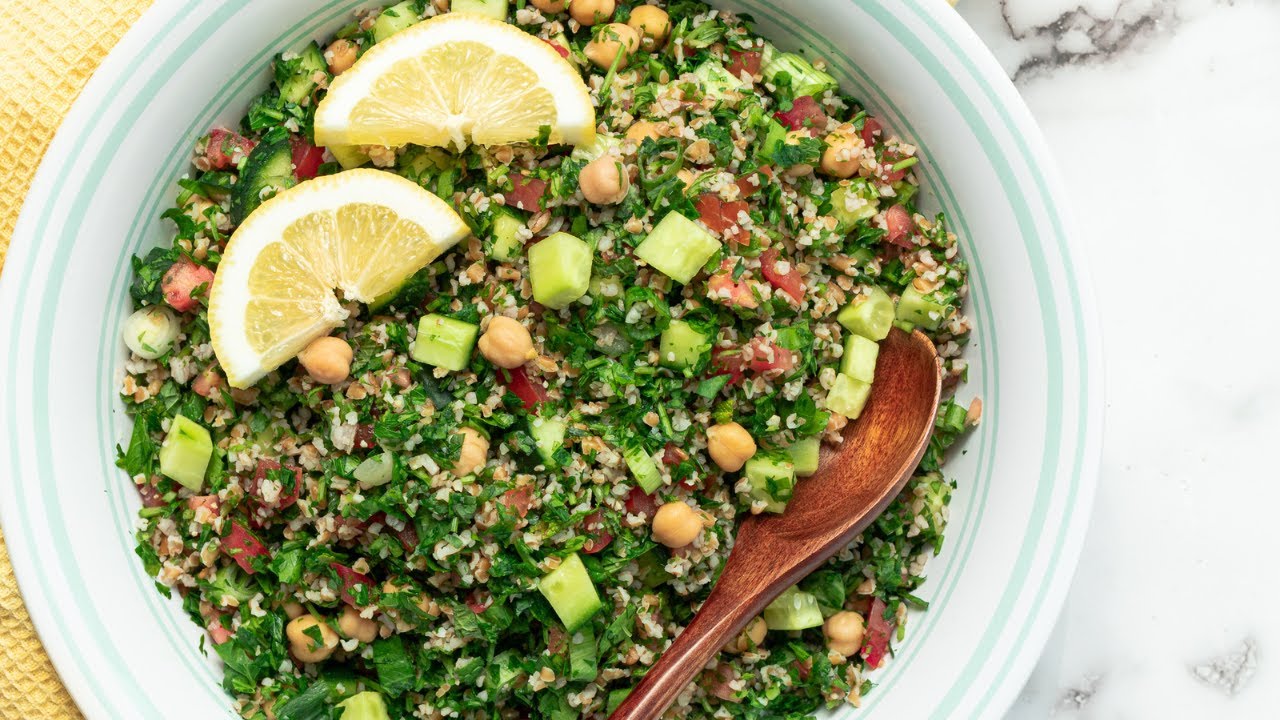
Tabouli Salad Recipe: Tabouli (or Tabbouleh) Salad is a fresh, flavorful, and vibrant Middle Eastern dish that has taken over global cuisine by storm. It’s light, healthy, incredibly delicious, and surprisingly easy to make at home. Whether you’re looking for a new side dish or a refreshing main meal, Tabouli fits perfectly into just about any menu. Packed with finely chopped parsley, bulgur wheat, tomatoes, mint, green onions, lemon juice, and olive oil—this salad is more than just a pretty dish; it’s a celebration of freshness.
Once you learn how to make it the right way (yes, there’s a right way!), you’ll want to keep this recipe in your rotation. This step-by-step guide will walk you through the process from start to finish—ingredient picking, prepping, mixing, and storing. By the end, you’ll be a Tabouli pro.
What is Tabouli Salad?
Tabouli is a classic Levantine salad, best known in Lebanese and Syrian cuisine. The name comes from the Arabic word “taabil,” meaning “to season” or “to spice.” It’s a traditional part of the mezze (small appetizer dishes) spread, often served alongside hummus, baba ghanoush, falafel, and pita.
While many people outside the Middle East think of Tabouli as a grain-heavy salad, authentic Tabouli is actually herb-based, with finely chopped parsley making up most of the salad. The bulgur wheat plays a supporting role, soaking up all the flavors and adding a gentle chewiness. It’s this balance—freshness, acidity, and texture—that makes it so irresistible.
There are regional variations, of course. Some include cucumbers, some don’t. Some use more lemon juice or less bulgur, depending on family tradition or regional styles. The beauty of Tabouli lies in its adaptability.
Health Benefits of Tabouli Salad
Let’s be real—Tabouli isn’t just delicious, it’s a powerhouse of nutrition. Loaded with fresh herbs and vegetables, it’s naturally low in fat and calories, yet high in fiber and essential vitamins.
Here are a few health benefits:
- Parsley is rich in vitamin C, vitamin K, and antioxidants that support immune health and fight inflammation.
- Bulgur wheat is a whole grain packed with fiber and plant-based protein. It keeps you full and supports digestive health.
- Tomatoes provide lycopene, which has been linked to reduced risk of heart disease and cancer.
- Olive oil is a heart-healthy fat loaded with monounsaturated fats and anti-inflammatory compounds.
It’s naturally vegan and can easily be made gluten-free by substituting quinoa or millet for bulgur. It’s a smart, satisfying addition to any healthy diet.
When to Serve Tabouli Salad
Tabouli Salad is one of those dishes that shines in almost any situation. It’s light enough for summer but hearty enough for any season. Here’s when and how to serve it:
- At barbecues and picnics: Tabouli is refreshing and holds up well, even at room temperature.
- As a side dish: Pairs wonderfully with grilled meats, kabobs, or fish.
- As part of a mezze spread: With hummus, baba ghanoush, olives, and warm pita.
- In wraps or pitas: Add falafel or grilled chicken and you’ve got a perfect wrap.
- Meal prep: Make a big batch and enjoy it for days—it tastes even better the next day!
Ingredients You’ll Need
Ready to gather your ingredients? Here’s everything you’ll need to make a traditional Tabouli salad (serves about 4–6 people):
- 1 cup fine bulgur wheat
- 4 bunches of fresh flat-leaf parsley (about 3 cups chopped)
- 2 medium ripe tomatoes, finely diced
- 1 small cucumber (optional), diced
- ½ cup fresh mint leaves, chopped
- 3–4 green onions, chopped
- Juice of 2 lemons (about ⅓ cup)
- ¼ cup extra virgin olive oil
- Salt and pepper to taste
Make sure everything is fresh and high quality—this salad depends entirely on the flavor of its raw ingredients.
Breakdown of Tabouli Salad Ingredients
Let’s go a little deeper into each ingredient and how to choose the best ones for your salad.
Parsley
The star of the show. Go for flat-leaf (Italian) parsley if possible—it has a smoother texture and stronger flavor than curly parsley. Wash thoroughly and chop finely using a sharp knife to avoid bruising the leaves.
Bulgur Wheat
Fine bulgur (#1 grade) is best for Tabouli. It doesn’t need to be cooked—just soaked in hot water until soft. Don’t confuse it with cracked wheat or coarse bulgur; those are better for pilafs, not salads.
Tomatoes
Use ripe, firm tomatoes like Roma or vine-ripened. Avoid juicy or watery types like beefsteak—they’ll make the salad soggy. Dice them small to match the texture of the other ingredients.
Cucumbers (Optional)
Though not traditional, cucumbers add a refreshing crunch. Choose seedless Persian or English cucumbers. Peel if the skin is tough.
Mint
Always use fresh mint for the best flavor. A little goes a long way, so don’t overdo it. Dried mint is a no-go here.
Green Onions
They’re milder and more herb-like than yellow or red onions. Chop them finely, including the green tops.
Lemon Juice
Freshly squeezed only. Bottled lemon juice won’t give you the brightness Tabouli needs.
Olive Oil
Use a good quality extra virgin olive oil. Its peppery, fruity notes enhance the salad’s richness and balance the acidity.
Salt and Pepper
Simple but essential. Season gradually and taste as you go.
How to Choose the Best Ingredients
When it comes to Tabouli Salad, freshness is everything. Since this is a raw salad, there’s nowhere for low-quality or old ingredients to hide. Here’s how to choose the best ingredients to make sure your salad is bursting with flavor:
- Parsley: Look for vibrant green bunches with no yellowing or wilting. They should smell fresh and earthy when you break a leaf.
- Mint: The leaves should be bright and crisp, not droopy or dried out.
- Tomatoes: Choose tomatoes that are ripe but firm. Avoid ones that are overripe, soft, or watery inside.
- Green Onions: They should have a nice white base and healthy green tops. Avoid those with slimy or dried ends.
- Lemons: Heavy lemons with a smooth skin usually mean juicier fruit. Roll them on the counter before juicing for more juice.
- Olive Oil: Always use extra virgin olive oil. It should have a golden-green color and a fruity aroma.
- Bulgur Wheat: Fine bulgur is best. If it’s labeled as #1 grind, you’re good. It should have a fresh, nutty scent.
Avoid ingredients that have been sitting in the fridge too long. And if you’re getting herbs from the garden or farmer’s market? Even better. The flavor difference is real!
Step-by-Step Guide to Making Tabouli Salad
Ready to make the perfect bowl of Tabouli? Follow this step-by-step guide, and you’ll end up with a salad that’s crisp, tangy, and balanced—just like the ones served at traditional Lebanese tables.
Step 1: Preparing the Bulgur
Place fine bulgur wheat in a bowl and cover it with boiling water. Let it soak for about 10–15 minutes until tender. Once softened, drain any excess water and gently squeeze to remove moisture. The bulgur should be fluffy, not soggy.
Step 2: Washing and Chopping the Herbs
Wash fresh parsley and mint thoroughly to remove dirt and grit. Dry them well using a salad spinner or paper towels—dry herbs are essential for a fresh, light salad. Finely chop the herbs using a sharp knife to avoid bruising and release their aroma.
Step 3: Dicing Tomatoes and Cucumbers
Dice ripe tomatoes into small pieces, removing excess seeds to prevent the salad from becoming watery. Finely chop the cucumber for crunch and freshness. Keep the cuts small so the vegetables blend seamlessly with the herbs.
Step 4: Mixing Everything Together
In a large bowl, combine the bulgur, chopped herbs, tomatoes, and cucumber. Add fresh lemon juice, olive oil, salt, and a pinch of black pepper. Toss gently until everything is evenly coated and vibrant.
Step 5: Letting It Rest for Flavor
Let the tabouli rest for 10–15 minutes before serving. This allows the flavors to meld and the bulgur to absorb the lemony dressing. Taste and adjust seasoning if needed, then serve chilled or at room temperature for best flavor.
Tips for Perfect Tabouli Every Time
Want your Tabouli to turn out amazing every time? Here are some golden tips:
- Chop by hand: It takes more time but gives the salad the right texture and prevents sogginess.
- Balance the lemon and oil: Too much lemon? It’ll be sour. Too much oil? It’ll feel heavy. Stick with a 2:1 lemon-to-oil ratio.
- Drain wet ingredients: Tomatoes and cucumbers should be dry. Extra moisture dilutes the flavor.
- Serve cold or room temp: It tastes best after chilling a bit but don’t serve it icy cold—it dulls the flavors.
- Use fine bulgur only: Coarser grains don’t soften properly without boiling.
If you follow these, your Tabouli will be restaurant-quality, every time.
Common Mistakes to Avoid
Even though Tabouli seems simple, there are a few mistakes that can ruin it:
- Over-soaking bulgur: This turns it mushy. Stick to hot water and short soaking time.
- Using curly parsley: It’s not bad, but flat-leaf has better flavor and texture.
- Chopping herbs with a food processor: It bruises them and makes the salad wet and muddy.
- Too much bulgur: Remember, this is an herb salad with grains—not the other way around.
- Not letting it rest: Don’t skip this step; it’s when the magic happens!
Avoid these, and you’re golden.
Variations of Tabouli Salad
Want to mix things up? Here are a few fun and healthy Tabouli variations:
Quinoa Tabouli
- Substitute cooked and cooled quinoa for bulgur to make it gluten-free.
- It adds a nutty flavor and is packed with protein.
Cauliflower Rice Tabouli
- Low-carb alternative by using finely grated raw cauliflower instead of bulgur.
- Great for keto and paleo diets.
Spicy Tabouli
- Add diced jalapeños or Aleppo pepper flakes for a little heat.
Pomegranate Tabouli
- Toss in pomegranate seeds for bursts of sweetness and a gorgeous color contrast.
Lebanese vs. Syrian Style
- Lebanese Tabouli tends to use more parsley and lemon.
- Syrian versions may include more bulgur and sometimes pomegranate molasses.
How to Store Leftover Tabouli
Tabouli actually tastes better the next day, making it perfect for leftovers. Here’s how to store it:
- Use an airtight container and refrigerate for up to 3–4 days.
- If it gets a little watery, just stir before serving to mix the juices back in.
- Want to refresh the flavor? Add a squeeze of lemon and a drizzle of olive oil before eating.
Avoid freezing—it ruins the texture of the herbs and tomatoes.
Serving Suggestions
Wondering how to enjoy your freshly made Tabouli? Here are some tasty ideas:
- On its own: As a light lunch or snack.
- With grilled meat: Lamb kebabs, chicken shawarma, or fish.
- Part of a mezze platter: Alongside hummus, baba ghanoush, olives, and warm pita.
- In wraps or pitas: Stuff it with falafel or grilled veggies.
- Over greens: Serve it on top of lettuce or spinach for an herby twist on salad.
Make-Ahead Tips for Meal Prepping
Tabouli Salad is one of those dream recipes for meal preppers. It’s fresh, easy, and actually tastes better the next day once the flavors meld together. But if you want to prep it ahead of time and still get the best taste and texture, here are a few pro tips:
1. Prep Ingredients Separately
Instead of mixing everything in one go, you can chop and store the ingredients individually:
- Parsley and mint: Wash, dry, and chop. Store them in an airtight container with a paper towel to absorb moisture.
- Tomatoes and cucumbers: Dice them and store separately to prevent them from making other ingredients soggy.
- Bulgur: Soak and store once it cools.
- Dressing: Mix lemon juice, olive oil, salt, and pepper in a small jar and shake well before adding.
Assemble the salad just before serving for maximum freshness.
2. Make a Big Batch
Tabouli keeps well in the fridge for up to 4 days, so making a larger portion at once saves time. The lemon juice and olive oil help preserve the herbs and keep them from wilting quickly.
3. Refresh Before Serving
After sitting in the fridge, the salad might settle a bit or release some liquid. Just give it a good toss, and if needed, add a bit more lemon juice and olive oil to wake it up.
Tabouli is a true hero when it comes to healthy meal prepping—it’s fresh, flavorful, and holds up like a champ.
FAQs about Tabouli Salad Recipe
1. Can I freeze Tabouli Salad?
No, it’s not recommended. Freezing Tabouli damages the texture of the herbs and vegetables, leaving them mushy and watery once thawed. It’s best enjoyed fresh or stored in the fridge for up to 4 days.
2. What can I use instead of bulgur wheat?
If you’re looking for a gluten-free alternative, you can substitute quinoa, cauliflower rice, or millet. Quinoa is the most popular option—it’s protein-packed and holds the dressing well.
3. How long does Tabouli stay fresh?
Tabouli stays fresh for about 3 to 4 days in the refrigerator when stored in an airtight container. For best results, stir before serving and add a touch of lemon juice if the flavor has mellowed.
4. Can I make Tabouli without mint?
Yes, you can—but it will taste different. Mint adds a unique cool freshness that balances the parsley and lemon. If you’re out of mint, you can skip it or try a small amount of basil for a twist.
5. Is Tabouli Salad vegan?
Absolutely! Traditional Tabouli is naturally vegan and dairy-free, as it’s made with plant-based ingredients like herbs, vegetables, bulgur, lemon juice, and olive oil.
Conclusion
The secret to an amazing Tabouli is all in the quality of the ingredients and the care you put into chopping and mixing. Don’t rush it—chop everything finely, season well, and let it rest before digging in.
Whether you’re a long-time lover of Middle Eastern cuisine or just looking for a way to add more greens to your diet, Tabouli is an excellent go-to. It’s great for gatherings, meal prep, light lunches, or even just a big bowl on a hot day.
So grab your sharpest knife, gather those fresh herbs, and let’s make this vibrant salad a staple in your kitchen. Once you make it once, you’ll want to make it again and again.