Syrup Recipe: Ever wondered what makes those café drinks so irresistible or how restaurants get their pancakes to taste extra indulgent? The secret often lies in something so simple yet so versatile—syrup. Whether you’re sweetening up your morning coffee, drizzling over pancakes, or infusing cocktails with something special, syrup is your best friend in the kitchen.
But here’s the thing: store-bought syrups are often loaded with preservatives, artificial flavors, and more sugar than necessary. So, what’s the better option? Making your own at home! And trust me, it’s easier than you think. In this guide, you’ll get a detailed, step-by-step breakdown of how to make your own syrup from scratch—with minimal ingredients and zero fuss.
We’ll start with the basic syrup recipe, dive into flavor variations, discuss how to store it, and even explore healthier alternatives. Plus, I’ll answer some frequently asked questions at the end.
Let’s get into it—because once you make your own syrup, you’ll never go back to the bottled stuff again.
List of Ingredients You’ll Need
Let’s keep things simple. You don’t need any fancy ingredients to make delicious syrup at home. Most of the items you need are probably already sitting in your pantry. Here’s what you’ll want to grab:
Basic Ingredients for Simple Syrup
- Granulated sugar – White sugar is most commonly used, but you can also use brown sugar for a richer flavor.
- Water – Fresh, filtered water is best for a clean taste.
That’s literally it for basic syrup. Two ingredients. Easy, right?
Optional Add-Ins for Flavor Variations
Want to give your syrup a unique twist? Here are some tasty options you can toss in:
- Vanilla bean or extract
- Fresh herbs (like mint, rosemary, thyme)
- Fruit zests (lemon, orange, lime)
- Spices (cinnamon sticks, star anise, cardamom)
- Fresh or frozen fruits (berries, mango, peach)
Tools & Equipment Needed
You don’t need any high-end kitchen gadgets, but having the right tools makes the process smoother.
- Medium saucepan
- Wooden spoon or silicone spatula
- Measuring cups
- Fine mesh strainer
- Glass bottle or jar for storage
- Funnel (optional, but useful for pouring)
With your ingredients and tools ready, you’re all set to start making your own syrup. But before we jump into the step-by-step process, let’s quickly look at why homemade syrup is totally worth it.
Benefits of Making Syrup at Home
Making your own syrup isn’t just a fun kitchen experiment—it comes with a ton of benefits that’ll make you wonder why you didn’t start sooner. From better flavor to full control over ingredients, homemade syrup is a total win for anyone who loves to cook, bake, or sip on custom drinks.
1. Healthier than Store-Bought
Most commercial syrups are loaded with high-fructose corn syrup, artificial flavors, colors, and preservatives. Making it at home means you control exactly what goes into it. Want it less sweet? Add less sugar. Avoiding refined sugar? Try honey, maple syrup, or coconut sugar. It’s all up to you.
When you create your own syrup, you’re cutting out the junk and focusing on real, whole ingredients. That’s especially helpful if you have dietary concerns like allergies, diabetes, or just want to reduce your sugar intake.
2. Customizable to Your Taste
Want your syrup to taste like lavender? Or maybe a bold cinnamon vanilla blend? No problem. Making it yourself means you’re the boss of flavor. You can get creative with herbs, spices, fruits, and even florals. Add more, add less—it’s all about what your taste buds love.
For example:
- Add orange zest and clove for a holiday twist.
- Try basil and strawberry for a fresh summer syrup.
- Vanilla and almond extract together? Pure magic for lattes and pancakes.
3. Cost-Effective and Fresh
Think about how much you spend on premium flavored syrups or those fancy coffee shop pumps. A single bottle can cost more than a week’s worth of homemade syrup!
With just sugar and water, you can make cups of syrup for mere cents. And since you’re using it fresh, you get better flavor without the stale aftertaste some store-bought options have after sitting on shelves for months.
Plus, you can make just the amount you need, no waste involved. Need a small batch for weekend brunch? Done. Want to bottle a few for gifts? You can scale the recipe easily.
Types of Syrups You Can Make
Before we dive into the actual steps of syrup-making, it helps to know what kind of syrups are out there. While the basic simple syrup is a go-to, the possibilities don’t stop there. Let’s look at the most popular types you can whip up in your kitchen.
1. Simple Syrup (The Classic Base)
This is the standard syrup used in cocktails, iced coffees, teas, and even baking. Made from equal parts sugar and water, it’s the starting point for nearly all syrup recipes.
- Regular Simple Syrup: 1:1 ratio of sugar to water.
- Rich Simple Syrup: 2:1 ratio for a thicker, sweeter syrup with a longer shelf life.
2. Flavored Syrups
Once you’ve nailed the base, you can get creative by adding in flavors. These syrups are perfect for customizing your drinks or desserts.
- Vanilla Syrup: Add real vanilla bean or extract.
- Fruit Syrups: Add fresh berries, peaches, or citrus zest during simmering.
- Herbal Syrups: Infuse with mint, rosemary, basil, or lavender.
3. Thick Syrups (Maple-Inspired or Honey-Based)
Some syrups go beyond just sugar and water. Think of syrups that are thicker, like:
- Brown sugar syrup
- Molasses syrup
- Maple-style syrup using brown sugar, vanilla, and butter
- Honey or agave-based syrups for natural sweetness
These are perfect for pancakes, waffles, or baking.
4. Sugar-Free Syrups
Trying to cut back on sugar? You can make keto, diabetic-friendly, or low-carb syrups using alternatives like:
- Erythritol
- Stevia
- Xylitol
- Monk fruit sweetener
Just be sure to adjust ratios since some of these don’t behave exactly like sugar when heated. But don’t worry—we’ll cover more on this later.
Step-by-Step Guide to Making Basic Simple Syrup
Ready to make your first batch? Let’s walk through the easiest syrup recipe ever. This will serve as the foundation for nearly any flavored version you want to try later.
Step 1: Gather Ingredients and Equipment
Here’s what you need:
- 1 cup granulated sugar
- 1 cup water
- Medium saucepan
- Wooden spoon
- Glass bottle or jar for storage
Optional:
- Funnel
- Fine mesh strainer (if infusing with fruit or herbs)
Step 2: Measure and Combine Sugar and Water
In your saucepan, pour in the sugar and water. Use a 1:1 ratio for standard simple syrup. Want a thicker syrup? Use a 2:1 sugar-to-water ratio.
Don’t turn the heat on yet. Just mix the sugar and water together gently to begin dissolving.
Step 3: Heat and Stir the Mixture
Turn your stove to medium heat. Stir continuously as the sugar dissolves into the water. This step usually takes 3–5 minutes. The goal is to combine the sugar and water until it’s completely clear—no grains left.
Important: Do NOT let it boil!
Step 4: Bring to a Simmer (But Avoid Boiling)
Once the sugar is fully dissolved, you can let it lightly simmer for 1–2 minutes. This helps with texture and flavor. Again, no need to boil—just a gentle simmer.
If you’re adding herbs, spices, or fruits, this is the time to toss them in and let them infuse during the simmer. Then remove from heat and let it sit.
Step 5: Cool and Bottle the Syrup
Once done, remove from heat and let it cool for 20–30 minutes. If you’ve added any solids (like herbs or zest), strain them out with a mesh sieve.
Use a funnel to pour the cooled syrup into a clean glass jar or bottle. Seal it up and store in the fridge.
And there you go—homemade simple syrup in less than 15 minutes!
How to Add Flavors to Your Syrup
Now that you’ve got the basic simple syrup down, it’s time to take things up a notch. Flavored syrups are what make your coffee shop drinks, cocktails, and even desserts extra special. The best part? Making them at home is super easy and customizable.
Infusing with Herbs or Spices
Herbs and spices give your syrup a sophisticated twist, perfect for elevating both sweet and savory dishes.
Here are some great combinations to try:
- Mint syrup – Great for mojitos, lemonade, or iced tea.
- Rosemary or thyme – Perfect for holiday cocktails and savory glazes.
- Cinnamon and clove – Ideal for autumn drinks, apple cider, or holiday baking.
How to infuse:
- Add your chosen herbs or spices to the sugar and water mixture during simmering.
- Simmer for 5–10 minutes to let the flavors infuse.
- Let the syrup cool completely before straining.
- Bottle as usual.
Keep in mind: Strong herbs and spices can overpower quickly. Start with small amounts and adjust to taste.
Adding Fresh Fruits or Zests
Want a fruit-forward syrup to pour over pancakes or swirl into your lemonade? Fresh or frozen fruit works beautifully.
Popular fruity additions:
- Strawberries, blueberries, raspberries
- Peach or mango chunks
- Citrus zest (lemon, lime, orange)
How to do it:
- Add about ½ cup of fruit to the sugar-water mixture.
- Simmer until the fruit breaks down and the color deepens.
- Strain out the solids through a fine mesh sieve for a smooth finish.
You’ll end up with a gorgeous, vibrantly colored syrup packed with natural flavor.
Using Extracts (Vanilla, Almond, Coconut, etc.)
If you want a fast, no-fuss way to flavor syrup, extracts are the way to go.
- Add ½ to 1 tsp of extract (like vanilla, almond, coconut) after the syrup has cooled slightly but is still warm.
- Stir well and bottle.
This method is especially handy for when you’re short on time or ingredients.
You can even mix and match flavors. Try vanilla and cinnamon together for a cozy syrup or almond and orange zest for something citrusy and nutty.
Storage Tips for Homemade Syrup
One of the most important parts of making syrup is making sure it lasts. Luckily, with proper storage, your homemade syrup can stay fresh for weeks—or even months.
How to Store Properly
- Use airtight glass containers: Mason jars, swing-top bottles, or any clean glass jar with a tight seal will work.
- Let the syrup cool before sealing: Hot syrup can create condensation, which shortens shelf life.
- Keep refrigerated: Syrups should always be stored in the fridge unless you’re preserving them for long-term storage.
Optional pro tip: Add 1 tablespoon of vodka to the finished syrup (per 1 cup) to help extend its shelf life. It won’t affect the flavor but acts as a natural preservative.
How Long It Lasts
- Basic simple syrup (1:1 ratio) – Up to 1 month in the fridge
- Rich syrup (2:1 ratio) – Up to 3 months
- Flavored syrups – 1 to 3 weeks, depending on ingredients
Always label your bottles with the date you made them!
Signs Your Syrup Has Gone Bad
If you’re unsure whether your syrup is still safe to use, check for these signs:
- Cloudiness or mold
- Off smell or sour taste
- Fizzing or bubbling (a sign of fermentation)
When in doubt, throw it out. Fresh syrup is always better than taking risks.
How to Use Homemade Syrup
You’ve made it. You’ve stored it. Now… what do you do with it?
The real fun begins when you start incorporating your syrup into everyday meals and drinks. Let’s look at some delicious ways to use your homemade syrup.
1. In Drinks
This is probably the most popular use for syrup—and for good reason.
- Coffee or lattes: Add vanilla, hazelnut, or caramel syrup to your morning brew.
- Iced tea or lemonade: Sweeten your iced drinks with fruit syrups like peach, berry, or mint.
- Cocktails: Syrup is essential in drinks like mojitos, daiquiris, margaritas, and old fashioneds.
- Mocktails and sodas: Mix with sparkling water or tonic for a refreshing non-alcoholic drink.
Just add 1–2 tablespoons, stir, and enjoy!
2. On Breakfast Foods
Start your day off sweet with a drizzle of syrup on:
- Pancakes, waffles, or French toast
- Oatmeal or porridge
- Yogurt and granola
Try pairing flavors:
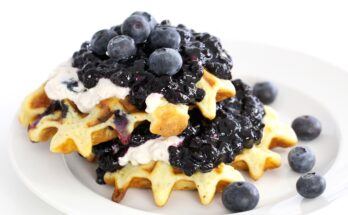
- Blueberry syrup on lemon pancakes
- Brown sugar cinnamon syrup on oatmeal
- Strawberry vanilla syrup on waffles
3. In Desserts and Baking
Syrups are amazing in the baking world. Use them to:
- Soak cake layers to keep them moist (a trick pastry chefs swear by)
- Drizzle over cheesecake or ice cream
- Brush over pastries or tarts for a shiny glaze
- Mix into whipped cream or frosting for added flavor
Sugar Alternatives and Healthier Syrup Options
If you’re trying to cut down on refined sugar or follow a special diet like keto or low-carb, you don’t have to give up syrup. You can still make delicious, naturally sweetened, or sugar-free syrups with a few simple swaps.
Using Natural Sweeteners
Natural sweeteners can be a healthier choice and often bring extra flavor to the mix. Here are a few top options:
- Honey – Rich and floral, great for teas, lemonades, and baking.
- Maple syrup – Deep, earthy sweetness, excellent for breakfast dishes.
- Agave nectar – Smooth and sweet with a mild flavor, ideal for cocktails or fruit syrups.
- Coconut sugar – Has a rich, almost caramel-like flavor. Best for brown sugar or spiced syrups.
How to substitute:
Use the same volume of these sweeteners in place of white sugar, but skip the heating step when possible. Just stir them directly into warm water or heat gently until blended—no need for full simmering.
Making Keto or Low-Carb Syrups
Low-carb diets? No problem. You can still enjoy sweet syrups with sugar alternatives like:
- Erythritol – A zero-calorie sugar alcohol that doesn’t spike blood sugar.
- Xylitol – Similar to sugar in sweetness and behavior but must be used with care (especially around pets).
- Monk fruit sweetener – Natural, zero-calorie, and very sweet (a little goes a long way).
- Stevia – Plant-based and calorie-free, though it can have a slight aftertaste.
Tips for success:
- Sugar alcohols sometimes crystallize after cooling. To avoid this, try blending with a bit of xanthan gum or a few drops of vegetable glycerin.
- Adjust ratios—some sweeteners are more concentrated than sugar.
By customizing your syrup with these options, you get all the sweetness without the crash.
Troubleshooting Common Syrup Issues
Sometimes syrup-making doesn’t go perfectly, and that’s okay! Here’s how to fix or prevent some of the most common issues.
Why Your Syrup Crystallized
This is probably the #1 syrup-making issue. Crystals form when undissolved sugar clings to the sides of your pan or when the syrup sits too long.
Fix it:
- Gently reheat the syrup and stir until crystals dissolve.
- Add a tiny splash of lemon juice or cream of tartar during cooking to help prevent crystallization.
Prevent it:
- Wipe down the inside walls of the pot with a wet pastry brush while cooking.
- Don’t stir once the syrup starts to simmer.
Syrup Too Thick or Too Thin?
This comes down to your sugar-to-water ratio and cooking time.
If it’s too thick:
- Add a splash of water and gently reheat.
- Stir to thin it out.
If it’s too thin:
- Simmer longer to evaporate more water.
- Use a 2:1 sugar-to-water ratio next time for a rich syrup.
Flavor Is Too Weak or Too Strong
If your syrup tastes bland, you probably didn’t simmer your ingredients long enough—or used too little flavoring.
To boost flavor:
- Add more herbs, fruit, or extract during simmering.
- Let it steep longer while cooling, then strain.
If it’s too strong:
- Dilute with a bit more plain simple syrup or water.
It’s all about balance. Taste as you go and adjust to get it just right.
Creative Syrup Flavor Ideas to Try
Looking to go beyond vanilla and cinnamon? Get inspired with these fun and flavorful syrup ideas that’ll level up your kitchen game.
1. Lavender & Lemon
This floral-citrus blend is amazing in iced tea or cocktails. Use fresh or dried lavender buds and lemon zest.
2. Spiced Orange
Combine orange zest, clove, and cinnamon for a warm, cozy flavor that’s perfect in coffee or over French toast.
3. Brown Sugar Cinnamon
Think of this as liquid snickerdoodle. Use dark brown sugar and whole cinnamon sticks for a rich, dessert-like syrup.
4. Blueberry Basil
Yes, this combo works—and it’s delicious. Great in sparkling water, lemonades, or spooned over cheesecake.
5. Ginger Lime
This zesty duo is excellent for sodas, Thai-inspired cocktails, or drizzling over grilled fruit.
The possibilities are endless. Once you understand the basic method, you can dream up any flavor combination you like.
Syrup Recipe Variations by Season
Why not match your syrup flavors with the time of year? Seasonal ingredients can make your syrups feel fresh, festive, and fun.
Spring-Inspired Syrups
- Lavender honey
- Rhubarb vanilla
- Strawberry mint
Summer Fresh Fruit Syrups
- Peach basil
- Blackberry lemon
- Watermelon lime
Fall Spiced Syrups
- Apple cinnamon
- Pumpkin spice
- Brown butter maple
Winter Comfort Syrups
- Gingerbread
- Cranberry orange
- Peppermint mocha
Change up your flavors each season to keep your recipes and drinks exciting all year long.
Making Syrup as a Gift
Homemade syrup makes a thoughtful, affordable, and customizable gift—perfect for birthdays, holidays, or as a hostess present.
Bottling Ideas
- Use swing-top glass bottles for a rustic feel.
- Repurpose small jars or bottles with corks.
- Add a funnel to each gift so it’s easy to use.
Labeling Tips
- Make handwritten or printed labels with:
- Flavor name
- Ingredients
- Best-by date
- Serving suggestions
Preserving for Longer Shelf Life
- For flavored syrups, consider adding 1 tbsp vodka per cup to act as a natural preservative.
- Store in the fridge until gifting, and tell recipients to do the same.
Pair your syrup gifts with a recipe card (like how to make a vanilla latte or mint lemonade) for extra charm.
FAQs about Syrup Recipe
1. How long does homemade syrup last?
Basic syrup lasts about 1 month in the fridge. Rich syrups or those made with a 2:1 ratio can last up to 3 months. Always refrigerate and use clean utensils.
2. Can I freeze syrup for long-term storage?
Yes! Syrup freezes well. Store in airtight containers, leaving some room at the top for expansion. Thaw in the fridge before using.
3. What’s the ratio of sugar to water for syrup?
Standard simple syrup is a 1:1 ratio. Rich syrup is 2:1 (sugar to water) for a thicker consistency and longer shelf life.
4. How do I prevent syrup from crystallizing?
Use clean tools, avoid stirring once simmering, and add a tiny splash of lemon juice or cream of tartar to help prevent crystals from forming.
5. Is homemade syrup better than store-bought?
Absolutely. It’s fresher, customizable, and free from preservatives or artificial flavors. Plus, you can tailor it exactly to your taste and dietary needs.
Conclusion
And there you have it—everything you need to know to master homemade syrup. From a basic two-ingredient recipe to fruity, spiced, or sugar-free variations, syrup is one of the most versatile things you can make in your kitchen.
Once you start making your own, you’ll see just how easy, fun, and rewarding it can be. Whether you’re sweetening your morning coffee, baking up a storm, or surprising someone with a homemade gift, your DIY syrup will take things to the next level.
So grab that sugar, turn on the stove, and start experimenting—because with just a few ingredients, you’re in for a sweet success.