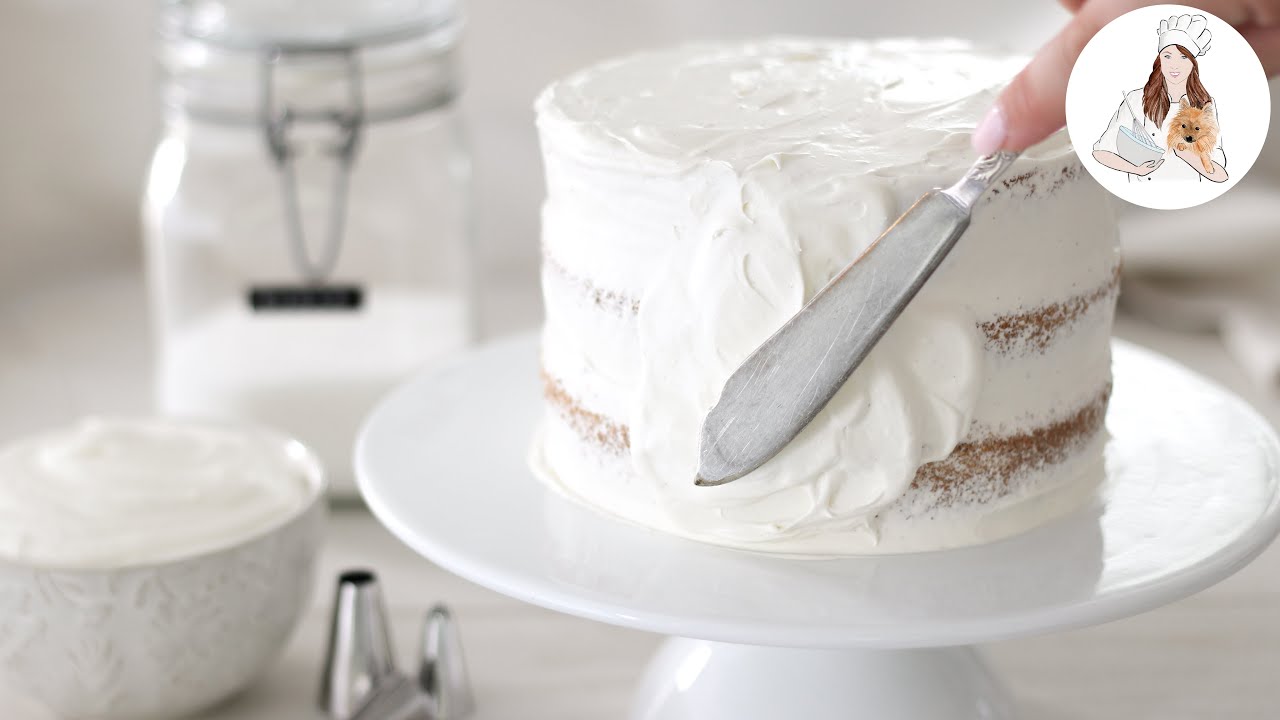
Swiss Meringue Buttercream Recipe: Swiss Meringue Buttercream (SMBC) is the silky, smooth, and elegant frosting that turns cakes and cupcakes into bakery-worthy masterpieces. It’s not your average buttercream—it’s luxurious, rich, and melts delicately on your tongue. If you’ve ever tasted a frosting that made you go, “What is this magic?” chances are, it was Swiss Meringue Buttercream.
Unlike the sugary punch of American buttercream, SMBC offers a much lighter sweetness balanced with a satiny texture. It’s made by cooking egg whites and sugar together, whipping them into glossy peaks, and then adding butter until it transforms into a luscious, spreadable frosting. Sounds like a lot? It might seem intimidating, but once you’ve tried it, there’s no turning back.
So why choose SMBC over the traditional frostings? Because it’s the stuff that dream cakes are made of. It’s stable, pipes beautifully, takes on flavors and colors wonderfully, and—bonus—it’s less cloyingly sweet. Whether you’re a home baker or a professional pastry chef, mastering SMBC is like unlocking the next level of baking.
Ingredients You’ll Need
The beauty of Swiss Meringue Buttercream lies in its simplicity. You only need five ingredients, but the quality and balance of each one makes a world of difference in your final product.
Basic Ingredients Overview
- Egg Whites (5 large eggs): The backbone of the meringue. Use fresh or carton egg whites, but ensure there’s absolutely no yolk—any fat will prevent your meringue from forming.
- Granulated Sugar (1 ¼ cups): Sweetens and stabilizes the meringue when cooked. Don’t substitute with powdered sugar or other types.
- Unsalted Butter (1 ½ cups, room temperature): Adds richness and volume. Use high-quality butter for the best flavor.
- Salt (a pinch): Balances the sweetness.
- Vanilla Extract (1 tablespoon): Adds that warm, comforting flavor.
Optional add-ins include chocolate, freeze-dried fruit powders, or citrus zest to change up the flavors.
Tips on Choosing High-Quality Ingredients
- Eggs: Organic, free-range eggs tend to whip better and taste richer.
- Butter: European-style butters have a higher fat content, making your SMBC even creamier.
- Vanilla: Always opt for pure vanilla extract or vanilla bean paste—imitation won’t do this frosting justice.
- Sugar: Regular white granulated sugar dissolves perfectly into egg whites.
Even though the ingredient list is short, skimping on quality can lead to lackluster results. In Swiss Meringue Buttercream, every component shines—so make each one count.
Tools and Equipment Required
Before you even crack an egg, set yourself up for success by assembling the right tools. Trust me, trying to make this frosting without the proper equipment is a headache waiting to happen.
Essential Kitchen Tools for Success
- Stand Mixer with Whisk Attachment: This is a non-negotiable. Hand mixers can’t deliver the consistency and speed needed.
- Heatproof Bowl or Stand Mixer Bowl: Needs to fit snugly over a saucepan for the double boiler method.
- Saucepan (for double boiler): To gently heat your egg whites and sugar.
- Digital Thermometer: Ensures your mixture hits the safe temperature zone (160°F/71°C).
- Rubber Spatula: For scraping down the sides.
- Piping Bags and Tips: Optional, but great if you’re decorating cupcakes or cakes.
How Each Tool Affects Your Results
- Digital Thermometer: Essential. Undercooked egg whites won’t be safe to eat, and overcooked ones won’t whip.
- Whisk Attachment: Creates that signature glossy, stiff-peak meringue—don’t use the paddle attachment for this stage.
- Room-Temp Butter: Not a tool, but just as important. If your butter is too cold or too warm, your frosting won’t emulsify properly.
Now that your tools and ingredients are ready, it’s time to get into the nitty-gritty of making this heavenly buttercream.
Step-by-Step Instructions for Making Swiss Meringue Buttercream
Alright, now we’re cooking—literally. Follow these steps carefully, and you’ll end up with the silkiest, most stable frosting you’ve ever made. Ready? Let’s whip it good.
Step 1: Preparing the Egg Whites and Sugar
Combine the egg whites and sugar in your heatproof bowl. Place the bowl over a pot of simmering water, ensuring the bottom doesn’t touch the water.
- Stir constantly with a whisk.
- Heat until the sugar is fully dissolved and the mixture reaches 160°F (71°C).
- Rub a little between your fingers—it should feel smooth, not gritty.
This step is crucial because it pasteurizes the eggs and helps form a stable meringue.
Step 2: Whisking Over a Double Boiler
Whisk the egg white-sugar mixture continuously to avoid scrambling. Once it hits the right temp, remove from heat and transfer to the stand mixer.
Start whipping on medium-high until stiff, glossy peaks form and the bowl feels cool to the touch—this can take 10–15 minutes.
Step 3: Whipping to Stiff Peaks
This is where the magic begins. Once the egg white and sugar mixture is in the mixer bowl, start on medium speed and gradually increase to high. You’ll notice the mixture go from frothy to glossy. Your goal is stiff peaks—meaning, when you lift the whisk, the peaks should stand tall without drooping.
This stage is crucial. If the meringue is too soft, your buttercream will collapse. If your bowl is still warm from the double boiler, keep whipping until it cools. The bowl should feel neutral to the touch. Patience pays off here.
Once you hit stiff peaks and the meringue is room temperature, it’s time for the butter.
Step 4: Adding Butter Gradually
Switch to the paddle attachment if you have one—this helps incorporate the butter smoothly and reduces air bubbles.
Start adding your softened butter one tablespoon at a time. Don’t rush. Let each chunk fully incorporate before adding the next. During this process, your gorgeous meringue might look like a hot mess. It could deflate, become soupy, or even look curdled. That’s totally normal—just keep mixing.
The temperature plays a role too. If your butter is too cold, you’ll get lumps. If it’s too warm, the mixture may turn runny. But the mixer is your friend. It’ll all come together with enough whipping—about 5–10 minutes.
When it’s ready, the buttercream will suddenly become thick, smooth, and creamy. Like frosting clouds in a bowl.
Step 5: Mixing Until Smooth and Creamy
Now it’s time to flavor and smooth it out. Add your vanilla extract (or any other flavoring you’re using) and continue beating for another 1–2 minutes.
You can also switch back to the whisk attachment at the end to give it one final whip. This introduces just enough air to lighten the texture without making it too fluffy.
The finished product should be:
- Silky and smooth
- Pipeable but not stiff
- Not too sweet
- With a subtle buttery finish
And just like that—you’ve made real-deal Swiss Meringue Buttercream!
Troubleshooting Common Problems
Let’s be honest. Even seasoned bakers hit snags with Swiss Meringue Buttercream. Here’s how to fix common issues without throwing out the whole batch.
Buttercream is Too Runny or Soupy
This usually happens if the butter was added too soon (before the meringue cooled) or it was too warm.
Fix it: Pop the mixing bowl in the fridge for 10–15 minutes. Then whip it again until it thickens. Don’t add more sugar or ingredients—it just needs to firm up.
Buttercream Looks Curdled
Curdled SMBC looks like scrambled eggs. Scary? Sure. Fatal? Not at all.
Fix it: Keep mixing. Seriously. It might take up to 10 minutes, but it will come together. If it’s stubborn, a brief warm water bath on the bowl (followed by more whipping) usually does the trick.
Grainy Texture After Mixing
Graininess means the sugar wasn’t fully dissolved before whipping the meringue.
Fix it: Unfortunately, you can’t fix this once the butter is in. But it’s a great reminder to heat your egg white-sugar mix slowly and test it with your fingers to ensure it’s smooth before moving on.
Flavor Variations and Add-ins
Swiss Meringue Buttercream is like a blank canvas—perfectly neutral, buttery, and ready to be dressed up. Once you master the base, you can let your creativity run wild with flavors. Here are some delicious variations and how to make them without compromising the texture.
Popular Flavor Ideas
- Chocolate Swiss Meringue Buttercream: Melt 6–8 oz of dark or semi-sweet chocolate, let it cool, and whip it into your finished buttercream. It adds depth and richness without making it overly sweet.
- Strawberry or Raspberry: Add 2–3 tablespoons of freeze-dried fruit powder or a concentrated fruit puree (reduce it on the stove first to remove excess moisture). You’ll get vibrant color and real fruit flavor.
- Lemon or Orange Zest: Add a teaspoon or two of citrus zest and a dash of extract for a bright, tangy twist.
- Coffee or Espresso: Dissolve 1 tablespoon of instant espresso powder in a teaspoon of hot water, cool it, and whip it into the buttercream for a mocha kick.
- Salted Caramel: Swirl in ¼ cup of homemade or store-bought caramel. Use less butter if your caramel is particularly soft.
Tips for Flavor Add-ins
- Always add flavorings at the very end, once your buttercream is smooth and stable.
- Use concentrated or reduced versions of wet ingredients (like fruit puree or caramel) to prevent thinning the frosting.
- Start with small amounts and taste as you go—flavoring buttercream is more about balance than boldness.
SMBC is incredibly versatile, making it ideal for everything from wedding cakes to kids’ birthday cupcakes. You can even make multiple flavors in one batch by dividing it and customizing each portion separately.
How to Store and Use Swiss Meringue Buttercream
Now that you’ve made this heavenly frosting, let’s talk about how to store it and use it wisely. Unlike American buttercream, SMBC is more delicate but still surprisingly resilient if handled properly.
Storage Tips for Freshness
- Room Temperature: You can leave SMBC out for up to 4 hours at room temp, thanks to the cooked egg whites. It’s safe for short events like parties or cake decorating sessions.
- Refrigerator: Store in an airtight container for up to 5 days. Bring to room temp before using—it will harden when cold.
- Freezer: Yes, it freezes beautifully! Place it in a sealed container or freezer bag, and it’ll last up to 3 months. Thaw overnight in the fridge, then re-whip before using.
Re-whipping and Reviving Buttercream
Once cold SMBC reaches room temperature, it will look separated or curdled when you start mixing. Don’t panic.
- Let it sit out until soft.
- Beat on medium-high until it comes back together—this could take several minutes.
- If it still doesn’t cooperate, give it a quick 5-second zap in the microwave and whip again.
Best Uses in Cakes and Cupcakes
- Layer Cakes: SMBC holds up well between cake layers and under fondant.
- Cupcakes: It pipes beautifully into tall, elegant swirls.
- Filling: Use it between cookies, macarons, or even whoopie pies.
- Decorating: Its smooth texture makes it ideal for sharp-edged cakes and intricate piping designs.
Whether you’re icing a rustic naked cake or a multi-tiered wedding showstopper, Swiss Meringue Buttercream is up for the job.
Nutritional Information
While no buttercream will ever be considered “health food,” it’s helpful to know what you’re working with, especially if you’re baking for a crowd or tracking macros.
| Nutrient | Per 2 Tbsp (approx. 30g) |
|---|---|
| Calories | 190 |
| Total Fat | 16g |
| Saturated Fat | 10g |
| Cholesterol | 60mg |
| Carbohydrates | 12g |
| Sugars | 12g |
| Protein | 1g |
| Sodium | 10mg |
Healthier Substitutes and Tips
- Use Less Sugar: While you can’t skip sugar entirely, a slight reduction still yields good results.
- Swap Butter: Try replacing part of the butter with whipped avocado or a plant-based spread (though results will vary).
- Use Natural Flavorings: Skip artificial extracts and dyes for a cleaner ingredient list.
Let’s be honest—Swiss Meringue Buttercream is a treat. Enjoy it in moderation, and it’s totally worth the splurge.
Final Tips for Perfect Swiss Meringue Buttercream
Even if you’ve followed the recipe to the letter, there are always little tricks and techniques that can elevate your Swiss Meringue Buttercream from good to bakery-level great. These final tips are what experienced bakers swear by—and once you’ve got them down, you’ll be frosting like a pro.
Pro Secrets for a Perfect Finish
- Temperature is Everything: Always ensure your meringue is completely cool before adding butter. Likewise, your butter should be room temperature—not melted, not cold, just soft enough to leave a dent when you press it.
- Whip Long Enough: Don’t be afraid to whip for a good 10-15 minutes. It’s what gives SMBC its signature texture. Under-whipping leaves it soft and unstable.
- Use a Paddle Attachment at the End: After you’ve whipped in all the butter, switch to the paddle attachment to smooth out any air bubbles for a creamy, satin-like finish.
- Don’t Rush the Process: Every step in SMBC takes time—from dissolving the sugar to whipping the meringue. This isn’t the buttercream you whip up in five minutes, but it’s worth every second.
- Color Wisely: Use gel or powder food coloring to maintain the buttercream’s consistency. Liquid color can alter the texture and cause separation.
Decorating Tips Using This Buttercream
- Smooth Finishes: Use a bench scraper and turntable to get those razor-sharp edges on your cakes. Chill the cake between layers of frosting for best results.
- Piping Work: Because it holds shape so well, SMBC is perfect for intricate piping—flowers, borders, ruffles—you name it.
- Fondant Friendly: SMBC forms a great base for fondant. Just chill the frosted cake for 30 minutes before covering.
Want a glossy, professional sheen? Gently warm a spatula or offset knife and run it over the frosted surface—this melts just the outer layer, giving a polished finish.
FAQs about Swiss Meringue Buttercream Recipe
1. Can I make Swiss Meringue Buttercream ahead of time?
Absolutely! You can make it up to 5 days in advance and store it in the fridge. Just bring it to room temperature and re-whip before using.
2. Can I freeze this buttercream?
Yes! It freezes well for up to 3 months. Store in an airtight container, thaw overnight in the fridge, and re-whip to restore its smooth texture.
3. Why did my buttercream separate?
Separation is usually due to temperature issues. Either your meringue was too warm when you added butter, or your butter was too cold. Keep whipping—it often fixes itself with time.
4. How long can it sit out?
Swiss Meringue Buttercream can safely sit out at room temperature for up to 4 hours. Beyond that, refrigerate it, especially in warmer climates.
5. Can I color Swiss Meringue Buttercream?
Yes! Use gel or powder-based food colorings for the best results. Liquid dyes may thin the frosting and alter its texture.
Conclusion
Swiss Meringue Buttercream is the gold standard in the world of frostings. It’s not just a topping—it’s an experience. Rich but not overly sweet, smooth yet stable, and endlessly customizable, SMBC gives you the freedom to create beautiful, delicious cakes that taste as good as they look.
Yes, it’s a bit of work. Yes, it takes a little patience. But the moment you taste that first silky spoonful or pipe that perfect rosette onto a cupcake, you’ll realize—it’s all worth it.
So roll up your sleeves, grab your whisk, and get ready to fall in love with the most elegant buttercream around.