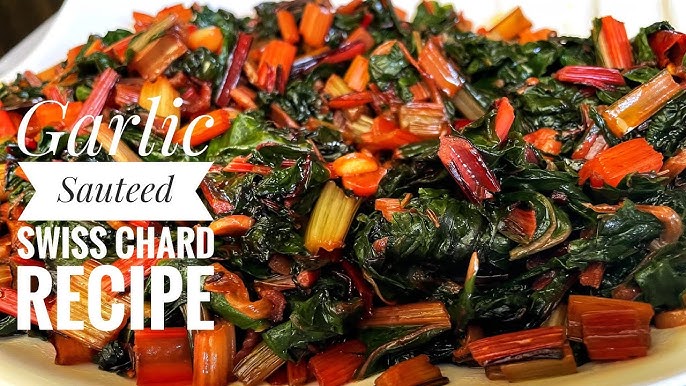
Swiss Chard Recipe: Swiss chard is one of those underrated leafy greens that many people pass by at the grocery store without realizing how versatile and delicious it can be. It belongs to the beet family but is grown for its large, colorful leaves and crunchy stems rather than its root. You’ll often see it with vibrant stems ranging from ruby red to bright yellow, giving your dish not only great flavor but also a stunning pop of color.
What is Swiss Chard?
Swiss chard is a leafy vegetable that thrives in Mediterranean climates, which explains why it’s often used in Italian, Greek, and Middle Eastern cooking. Its stems are crunchy and slightly sweet, while the leaves are tender with a mild, earthy taste. Unlike spinach, Swiss chard holds up well to heat and doesn’t wilt down to nothing, making it perfect for sautés, soups, and stir-fries.
Why Cook with Swiss Chard?
If you’re bored of the usual greens like spinach or kale, Swiss chard is an excellent alternative. It offers a unique flavor profile that can be adapted to both mild and bold seasonings. You can keep it simple with garlic and olive oil or get creative with spices, cheese, or even cream-based sauces. Its sturdy stems make it great for adding texture, while the leaves soak up flavors beautifully.
Health Benefits of Swiss Chard
Not only is Swiss chard delicious, but it’s also a powerhouse of nutrition. It’s loaded with vitamins A, C, and K, along with minerals like magnesium, potassium, and iron. The antioxidants in Swiss chard help support your immune system, reduce inflammation, and even promote heart health. It’s low in calories but high in fiber, which makes it a filling and nutritious addition to any meal.
Ingredients You’ll Need
Cooking with Swiss chard doesn’t require a long shopping list. Most of the ingredients you’ll need are probably already in your pantry.
Fresh Swiss Chard Selection
The star of this dish is, of course, Swiss chard. When buying, look for:
- Crisp, vibrant leaves without yellowing or wilting.
- Firm, colorful stems that aren’t mushy.
- Organic options if possible, as leafy greens tend to absorb pesticides easily.
A typical bunch of Swiss chard is enough for 2–3 servings once cooked.
Pantry Staples for Flavor
To bring out the best flavors in Swiss chard, you’ll need some basic seasonings and oils:
- Olive oil or avocado oil (for sautéing)
- Garlic cloves (freshly minced for the best taste)
- Onion or shallots (optional, for sweetness)
- Salt and pepper (to taste)
Optional Additions for Variation
Depending on your taste, you can elevate your Swiss chard with extra ingredients:
- Red pepper flakes for a kick of spice
- Lemon juice for brightness
- Parmesan or feta cheese for creaminess
- Nuts like pine nuts or almonds for crunch
- Cream or coconut milk for a rich version
These optional ingredients allow you to customize the dish to suit your preference.
Kitchen Tools and Preparation
Even the best ingredients won’t shine if you’re not properly prepared in the kitchen. Luckily, this recipe doesn’t require fancy gadgets—just a few basics.
Essential Cooking Tools
Here’s what you’ll need before getting started:
- A large skillet or sauté pan
- A sharp knife for chopping stems and leaves
- A sturdy cutting board
- A colander for washing greens
- A wooden spoon or spatula
Prepping Your Swiss Chard Properly
Swiss chard has two distinct parts: the stems and the leaves. Treat them separately since they cook at different rates. The stems are fibrous and need a little extra time to soften, while the leaves cook quickly.
- Start by trimming the ends of the stems.
- Slice the stems into small pieces (similar to celery).
- Roughly chop the leaves into strips for easy cooking.
Tips for Washing and Cutting Swiss Chard
Because chard is grown close to the ground, it often has dirt and grit stuck in the leaves. To wash it properly:
- Fill a large bowl or sink with cold water.
- Submerge the leaves and swish them around.
- Let any grit sink to the bottom, then lift the leaves out.
- Repeat if necessary, then pat dry with a kitchen towel.
This step ensures your final dish won’t have unpleasant sandy bits.
Step-by-Step Guide to Cooking Swiss Chard
Now that everything is ready, let’s dive into the cooking process.
Step 1 – Cleaning and Prepping Swiss Chard
Make sure the chard is thoroughly cleaned and chopped into stems and leaves. Prepping correctly is key because cooking both together at the same time will result in either undercooked stems or overcooked leaves.
Step 2 – Heating Your Pan and Adding Oil
Place your skillet over medium heat. Add two tablespoons of olive oil and let it warm up. The oil not only prevents sticking but also adds depth of flavor.
Step 3 – Adding Aromatics for Flavor
Toss in minced garlic and chopped onions or shallots. Sauté until fragrant and golden brown. This step lays the flavor foundation of the dish.
Step 4 – Cooking the Swiss Chard Stems
Add the chopped stems first and cook for 3–4 minutes. This softens them while keeping a slight crunch.
Step 5 – Adding the Swiss Chard Leaves
Once the stems are partly cooked, add the leaves. Stir frequently as they wilt down and absorb the garlic-infused oil.
Step 6 – Seasoning and Finishing Touches
Finish off with salt, pepper, and a squeeze of lemon juice. For extra flair, sprinkle with Parmesan or add red pepper flakes.
Variations of Swiss Chard Recipes
Swiss chard is one of those vegetables that adapts beautifully to different cooking styles. Once you master the basic sauté, you can take it in multiple directions depending on your taste buds or the occasion. Here are a few variations to inspire you.
Sautéed Garlic Swiss Chard
This is the most classic way to prepare Swiss chard and the version most people fall in love with first. The trick is to use plenty of fresh garlic sautéed in olive oil, letting it infuse the dish with a warm, savory aroma. Once the garlic turns golden, toss in the stems followed by the leaves, and finish with a light sprinkle of sea salt. It’s simple, quick, and incredibly satisfying. The garlic enhances the earthy flavor of the chard while the olive oil provides a smooth, velvety mouthfeel. Pair it with crusty bread or grilled chicken, and you’ve got yourself a restaurant-worthy side dish in minutes.
Swiss Chard with Lemon and Olive Oil
If you prefer something lighter and fresher, this version is perfect. The lemon juice cuts through the natural bitterness of Swiss chard and adds a zesty brightness. After sautéing with garlic, drizzle fresh lemon juice over the cooked leaves and stems, then finish with an extra splash of good-quality olive oil. This preparation works wonders as a refreshing side to grilled fish, roasted chicken, or even vegetarian grain bowls. It’s a recipe that highlights how just a few simple tweaks can completely transform the character of a dish.
Creamy Swiss Chard with Cheese
Want something a little more indulgent? Enter the creamy version. After cooking the stems and leaves, stir in a splash of heavy cream or coconut milk along with grated Parmesan, feta, or even cream cheese. The cream coats the chard, turning it into a rich, luscious side dish that feels almost decadent. This variation pairs beautifully with roasted meats or can even be served over pasta for a comforting vegetarian dinner. If you’re looking for something to wow guests at a dinner party, creamy Swiss chard will definitely do the trick.
Spicy Swiss Chard Stir-Fry
For those who love a bit of heat, a spicy stir-fry version is the way to go. Swap the olive oil for sesame oil, add a splash of soy sauce, and toss in some crushed red pepper flakes or fresh chili. You can even throw in ginger for a punchy, aromatic kick. This variation pairs well with steamed rice or noodles and makes for a quick, satisfying weeknight meal. It’s proof that Swiss chard isn’t limited to Mediterranean-style cooking—it can shine in Asian-inspired dishes too.
Serving Suggestions
Swiss chard is versatile, so it doesn’t have to play just one role on your dinner table. Whether you’re aiming for a light lunch, a hearty dinner, or a colorful side dish, it can adapt beautifully.
As a Side Dish with Meat or Fish
Swiss chard makes a fantastic companion to proteins. If you’re serving grilled salmon, roasted chicken, or even a juicy steak, sautéed chard provides a fresh and earthy balance. The greens add color and nutrition to your plate without overshadowing the main star. You can keep it simple with garlic and olive oil or dress it up with cream or cheese, depending on the richness of your main dish.
Paired with Rice or Quinoa
For a vegetarian-friendly meal, pair Swiss chard with grains like rice, quinoa, or farro. The greens provide fiber and flavor, while the grains make the dish filling and satisfying. You can stir the chard directly into the grains or serve it on top as a warm garnish. Adding chickpeas or lentils can make this combination a complete meal loaded with protein, vitamins, and minerals.
As a Base for Eggs or Tofu
Another fun way to use Swiss chard is as a base for breakfast or brunch dishes. Picture soft scrambled eggs over garlicky sautéed chard or poached eggs sitting on a bed of creamy chard with a drizzle of hollandaise sauce. For a plant-based twist, you can pair the greens with crispy tofu or tempeh. These combinations are hearty, nutrient-rich, and delicious at any time of the day.
Storage and Leftovers
If you’ve made more Swiss chard than you can eat in one sitting, don’t worry—it stores well with just a little care.
How to Store Cooked Swiss Chard
Once cooled, store cooked Swiss chard in an airtight container in the refrigerator. It will stay fresh for about 3 to 4 days. To prevent sogginess, avoid storing it while it’s still warm, as the condensation can make the leaves watery.
Best Ways to Reheat Without Losing Flavor
When reheating, avoid using the microwave if possible, as it can make the greens mushy. Instead, reheat in a skillet over low heat with just a drizzle of olive oil. This method brings back the flavors while maintaining the right texture. If you’re short on time, the microwave works, but reheat in short bursts and stir occasionally.
Freezing Swiss Chard for Later
Yes, you can freeze Swiss chard! To do this, blanch the leaves and stems separately in boiling water for 2 minutes, then transfer them immediately into ice water. Drain and dry thoroughly before packing into freezer-safe bags. Frozen Swiss chard will last for up to 6 months and can be added directly into soups, stews, or stir-fries without thawing.
Common Mistakes to Avoid
Even though Swiss chard is easy to cook, there are a few common mistakes that can ruin the dish. Knowing what to avoid can make a big difference in the final result.
Overcooking the Leaves
One of the biggest mistakes is overcooking the leaves until they become mushy and lose their vibrant color. Swiss chard leaves only need a few minutes in the pan. Cook them just until wilted to preserve their flavor and nutrients.
Skipping the Stems
Many people throw away the stems, thinking they’re too tough. Big mistake! The stems are crunchy, slightly sweet, and add a wonderful contrast to the tender leaves. Just give them a few extra minutes of cooking time, and they’ll be perfectly tender.
Using Too Much Salt
Swiss chard already has a naturally earthy, slightly salty flavor. Adding too much salt can overpower the dish and make it unpleasant. Always season lightly at first, then adjust after tasting. If you’re adding cheese or soy sauce, keep in mind that these already add saltiness.
Nutritional Value of Swiss Chard
Swiss chard is not only a colorful and flavorful vegetable—it’s also one of the most nutrient-dense leafy greens you can add to your diet. Eating Swiss chard regularly is like giving your body a natural multivitamin, packed with vitamins, minerals, antioxidants, and fiber. Let’s take a closer look at what makes this leafy green so special.
Vitamins and Minerals
Swiss chard is loaded with essential vitamins that support your body’s daily functions:
- Vitamin A: Supports vision, immunity, and skin health.
- Vitamin C: Boosts your immune system, helps with collagen production, and acts as a powerful antioxidant.
- Vitamin K: Crucial for bone health and blood clotting.
- Folate: Helps with cell growth and repair, especially important for pregnant women.
- Iron: Supports red blood cell production and prevents fatigue.
- Magnesium & Potassium: Keep your muscles and nerves functioning properly while supporting heart health.
With just one cup of cooked Swiss chard, you can cover more than half your daily needs for vitamin A and vitamin K, making it a superfood in every sense.
Calories and Macronutrients
If you’re watching your weight or trying to eat light without sacrificing nutrition, Swiss chard is a dream come true. One cup of cooked chard contains only about 35 calories, making it perfect for low-calorie meals. Despite being low in calories, it’s rich in fiber, which keeps you feeling full and satisfied. It also contains small amounts of protein and healthy carbs that give you an energy boost.
Comparison with Other Leafy Greens
How does Swiss chard stack up against other leafy greens like spinach or kale?
- Spinach: Higher in iron but more delicate and prone to wilting quickly.
- Kale: Similar in nutrient density but has a tougher texture that requires longer cooking.
- Swiss Chard: Strikes a balance—it has the sturdiness of kale but cooks faster, and it offers colorful stems that bring variety to your plate.
This means you can easily swap Swiss chard into recipes where you’d normally use spinach or kale and enjoy the same nutritional benefits with a slightly different taste and texture.
Tips and Tricks for Perfect Swiss Chard Every Time
Even though cooking Swiss chard is simple, a few little tricks can elevate your dish from good to absolutely delicious. Whether you’re making it for a quick weeknight meal or as part of a fancy dinner, these tips will help you nail it every time.
Balancing Flavors with Acidity
Swiss chard has a mild earthiness that can sometimes taste slightly bitter, especially in the stems. Adding a touch of acidity, like lemon juice, balsamic vinegar, or even a splash of apple cider vinegar, balances out the flavors beautifully. Acidity brightens the dish and keeps it from tasting heavy.
Enhancing with Herbs and Spices
Don’t limit yourself to just garlic and olive oil. Fresh herbs like parsley, dill, or basil can bring new layers of flavor. Spices like nutmeg, paprika, or cumin can give the dish a warm and exciting twist. The great thing about Swiss chard is that it’s a blank canvas—it absorbs flavors like a sponge, so you can experiment freely.
Cooking for Different Dietary Needs
Another reason Swiss chard is so versatile is that it fits into almost every dietary plan:
- For vegans and vegetarians: Use olive oil, garlic, and lemon as your base.
- For keto or low-carb diets: Add cream and cheese for a rich, low-carb side dish.
- For Mediterranean-style eating: Pair with olive oil, nuts, and fish.
- For high-protein needs: Combine with eggs, beans, or tofu.
No matter what your dietary preference, Swiss chard can adapt to your lifestyle.
FAQs about Swiss Chard Recipe
1. Can I eat Swiss chard raw?
Yes! Swiss chard can be eaten raw in salads or smoothies. Just slice the leaves thinly and mix with other greens for a crunchy, colorful salad.
2. How do I reduce the bitterness of Swiss chard?
Cooking it with garlic, olive oil, and a splash of lemon juice helps cut through any bitterness. You can also blanch the stems briefly before sautéing to mellow out their flavor.
3. What can I use as a substitute for Swiss chard?
If you don’t have Swiss chard, you can use spinach, kale, collard greens, or beet greens. Each has a slightly different texture, but they all work well in similar recipes.
4. Is Swiss chard safe for everyone to eat?
Yes, though people on blood-thinning medications should be mindful of its high vitamin K content. Otherwise, it’s safe and very healthy for most people.
5. Can I use frozen Swiss chard for this recipe?
Absolutely. Frozen Swiss chard works well for sautés, soups, and stews. Just make sure to thaw and drain it properly to avoid excess water in your dish.
Conclusion
Swiss chard might not get as much attention as kale or spinach, but it’s just as deserving of a place on your table. With its vibrant colors, mild yet earthy flavor, and incredible nutritional profile, it’s a vegetable that can be enjoyed in countless ways. From a simple garlic sauté to creamy, cheesy, or spicy stir-fry variations, Swiss chard is versatile enough to suit any mood or meal.
Whether you’re serving it as a quick side dish, pairing it with grains, or making it the star of a vegetarian entrée, this leafy green never disappoints. Plus, with the right tips and tricks, you’ll be able to cook it perfectly every single time. So next time you see Swiss chard at the market, don’t walk past it—grab a bunch and give this step-by-step recipe a try. Your taste buds (and your body) will thank you!