Sweet Rice Recipe: Sweet rice is one of those comfort dishes that instantly brings warmth to the heart and soul. Known by different names around the world, this delightful dessert combines the richness of rice with the sweetness of sugar and the creaminess of milk. It’s not just a dish—it’s a memory for many, often tied to festivals, family gatherings, and childhood nostalgia.
What is Sweet Rice?
At its core, sweet rice is a dish made by cooking rice in milk or coconut milk and sweetening it with sugar or jaggery. Spices like cardamom, cinnamon, or saffron are added to enhance the flavor. Depending on where you are, sweet rice can be creamy like rice pudding, sticky like Asian desserts, or festive with nuts and dried fruits.
History and Origin of Sweet Rice in Different Cultures
Sweet rice has been around for centuries. In India, it’s often known as kheer or payasam; in Thailand, the famous mango sticky rice uses glutinous rice with coconut milk; in Middle Eastern countries, variations include saffron and rose water. Each culture has its unique twist, but the core idea remains the same: rice, sweetness, and celebration.
Why Sweet Rice is a Must-Try Dessert
This dish is versatile, comforting, and budget-friendly. Whether served warm during winter or chilled in summer, sweet rice can adapt to every season. It’s also a vegetarian-friendly dish that can easily be made vegan or gluten-free, making it perfect for almost any diet.
Ingredients You’ll Need for Sweet Rice
Making sweet rice doesn’t require fancy ingredients. In fact, most of what you need is already in your pantry. Here’s a breakdown:
Core Ingredients for Authentic Sweet Rice
- Rice (Basmati or glutinous rice work best)
- Milk (whole milk or coconut milk for creaminess)
- Sugar (white sugar, brown sugar, or jaggery)
- Cardamom pods (for flavor)
- Saffron strands (optional, but adds color and aroma)
Optional Add-ons to Enhance Flavor
- Dry fruits like raisins, almonds, pistachios, and cashews
- Coconut flakes for a tropical taste
- Rose water or vanilla extract for aroma
- Cinnamon sticks for warmth
Ingredient Substitutes for Dietary Preferences
- Use almond milk, soy milk, or oat milk instead of dairy milk for a vegan version.
- Replace sugar with honey, maple syrup, or stevia if you prefer a healthier alternative.
- For nut allergies, skip the dry fruits and add dried berries instead.
Kitchen Tools Required
Before you start cooking, make sure you have the right tools ready. This makes the whole process smoother and more enjoyable.
Essential Cooking Utensils
- A heavy-bottomed saucepan or pot (prevents burning and sticking)
- A wooden spoon or spatula for stirring
- Measuring cups and spoons for accuracy
- A strainer for rinsing the rice
Recommended Cookware for Best Results
- If you want to keep it traditional, use a clay pot—it adds an earthy aroma.
- For quick cooking, a pressure cooker or Instant Pot can cut down cooking time.
- Serving bowls with a lid help retain the warmth and aroma until served.
Step-by-Step Guide to Making Sweet Rice
Now comes the exciting part—cooking! Making sweet rice is a straightforward process, but each step plays an important role in achieving the right taste and texture.
Step 1 – Rinsing and Preparing the Rice
Start by rinsing your rice thoroughly. This helps remove excess starch and prevents the dish from turning overly sticky. If you’re using basmati rice, soak it for 20–30 minutes before cooking. For glutinous rice, soaking overnight is recommended for the perfect chewy texture.
Step 2 – Cooking the Rice Properly
Cook the rice in water or milk, depending on your preference. Keep the flame low to medium to allow the rice to cook evenly without burning. Stir occasionally to avoid sticking. If using a pressure cooker, just one whistle is enough.
Step 3 – Adding Milk, Sugar, and Flavorings
Once the rice is half-cooked, add warm milk and sugar. Stir continuously to dissolve the sugar and prevent lumps. This is when you add cardamom pods, saffron, or any flavoring of your choice. The aroma will start filling your kitchen, and that’s when you know the magic is happening.
Step 4 – Simmering for Perfect Texture
The key to great sweet rice is patience. Let it simmer on low heat until the milk thickens and the rice absorbs all the sweetness. Stir occasionally so the bottom doesn’t burn.
Step 5 – Garnishing and Serving
Turn off the heat and let it rest for a few minutes. Garnish with roasted nuts, raisins, or a sprinkle of cinnamon. Serve it warm for cozy comfort or chilled for a refreshing dessert.
Tips and Tricks for Perfect Sweet Rice Every Time
Sweet rice might seem simple, but achieving that perfect creamy texture and balanced sweetness requires a few smart tricks. Whether you’re a beginner or a seasoned cook, these tips will help you avoid common pitfalls and create a dish that impresses every time.
Avoiding Common Mistakes
One of the most frequent issues people face is rice sticking to the bottom of the pot. To prevent this, always use a heavy-bottomed pan and stir occasionally while cooking. Another mistake is adding cold milk directly to hot rice, which can sometimes curdle. Instead, warm the milk slightly before adding it to the pot. Overcooking the rice can also make it mushy instead of creamy, so keep an eye on the texture and stop simmering once it reaches the right consistency.
Enhancing the Aroma with Spices
Cardamom and saffron are classic additions, but don’t be afraid to experiment. A pinch of nutmeg adds warmth, while cinnamon gives a festive feel. If you want a floral hint, a few drops of rose water can elevate the flavor. The secret is balance—too much of any spice can overpower the delicate sweetness of the dish.
Another pro tip: toast your nuts and dry fruits in a little ghee or butter before adding them to the sweet rice. This step enhances their flavor and gives the dish a richer, more indulgent taste.
Different Variations of Sweet Rice
One of the best things about sweet rice is its versatility. Across cultures, this dessert takes on many different forms, each with unique ingredients and preparation methods.
Coconut Sweet Rice
This tropical twist replaces dairy milk with coconut milk, creating a rich and creamy base with a hint of nuttiness. Coconut flakes or freshly grated coconut are often added for extra flavor. This version is particularly popular in Southeast Asia and among those following a dairy-free diet.
Mango Sticky Rice
A beloved Thai dessert, mango sticky rice is made using glutinous rice cooked in coconut milk and sugar, then paired with ripe, juicy mango slices. It’s the perfect combination of creamy, sweet, and fruity. Drizzling a little coconut cream on top before serving makes it even more luxurious.
Festive Sweet Rice with Dry Fruits
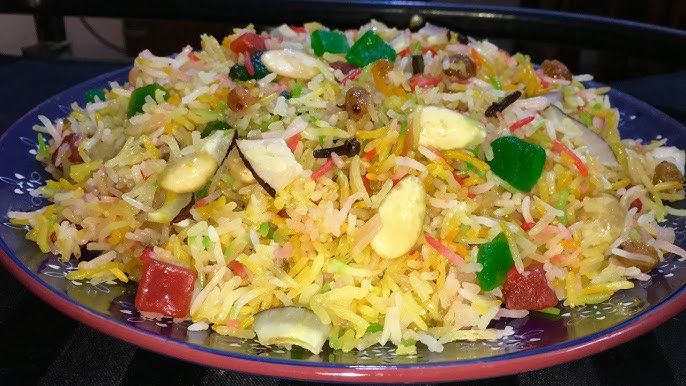
In South Asian traditions, sweet rice often becomes the centerpiece of festivals and celebrations. This version includes saffron, cardamom, raisins, cashews, and pistachios, sometimes even a touch of edible silver leaf for decoration. The result is a colorful, aromatic dish that feels truly festive.
Nutritional Value of Sweet Rice
While sweet rice is a treat, it also has some nutritional benefits when consumed in moderation. Let’s break it down.
Calories and Macronutrients
A typical serving of sweet rice (about 1 cup) contains:
- Calories: 200–250
- Carbohydrates: 40–50g (from rice and sugar)
- Protein: 4–6g (mainly from milk)
- Fat: 5–10g (depending on milk and added nuts)
The exact numbers vary depending on the recipe, especially if you’re using coconut milk, sweeteners, or additional toppings.
Health Benefits and Concerns
Sweet rice provides quick energy because of its high carbohydrate content. The milk adds protein and calcium, while nuts contribute healthy fats, vitamins, and minerals. However, it’s also high in sugar, so moderation is key.
For a healthier version, you can use brown rice instead of white, natural sweeteners instead of refined sugar, and low-fat milk instead of full cream. This way, you still enjoy the flavors while making it more nutritious.
Serving Suggestions for Sweet Rice
Presentation and pairing can make sweet rice even more enjoyable.
Best Occasions to Serve Sweet Rice
- Festivals and Celebrations: Sweet rice is a traditional dish during Diwali, Eid, and other cultural celebrations.
- Family Gatherings: It’s a perfect dessert to serve after a hearty meal.
- Casual Weekends: Serve it warm on a cozy evening, or chilled for a refreshing summer treat.
Pairing Sweet Rice with Other Dishes
Sweet rice pairs beautifully with spicy dishes. In many cultures, it’s served alongside savory curries, balancing the meal with sweetness. It also works well as a dessert after barbecue or grilled foods, providing a cooling effect after rich, smoky flavors. A cup of chai or green tea is a great beverage companion.
Storage and Reheating Instructions
Sweet rice is best enjoyed fresh, but if you have leftovers, proper storage is important.
Storing in Refrigerator and Freezer
- In the refrigerator, sweet rice lasts 3–4 days. Store it in an airtight container to retain freshness.
- In the freezer, you can store it for up to a month. Divide it into smaller portions before freezing for easier reheating.
Reheating Without Losing Texture
To reheat, add a splash of milk or water to restore creaminess. Warm it on the stovetop over low heat or microwave it in short intervals, stirring in between. Avoid overheating, as it can dry out the dish.
FAQs about Sweet Rice Recipe
Q1: Can I make sweet rice without milk?
Yes! You can substitute dairy milk with coconut milk, almond milk, or soy milk for a vegan or lactose-free option.
Q2: How long can I store sweet rice?
Refrigerated sweet rice lasts 3–4 days, while frozen portions can be kept for up to a month.
Q3: What type of rice works best?
Basmati rice is great for a light, fragrant version, while glutinous rice is best for sticky, chewy textures like Thai desserts.
Q4: Can I make sweet rice vegan?
Absolutely. Use plant-based milk and sweeteners like maple syrup or coconut sugar, and skip ghee or butter in garnishing.
Q5: Why is my sweet rice sticky?
Excess starch causes stickiness. Rinse the rice thoroughly before cooking and avoid overcooking.
Conclusion
Sweet rice is more than just a dessert—it’s a dish that brings comfort, joy, and a sense of tradition. With just a few simple ingredients, you can create a creamy, flavorful treat that suits every occasion. Whether you stick to the classic recipe or experiment with variations like coconut or mango sticky rice, the possibilities are endless. Follow the steps carefully, use the right tips, and you’ll have a bowl of sweet rice that’s sure to delight everyone at your table.