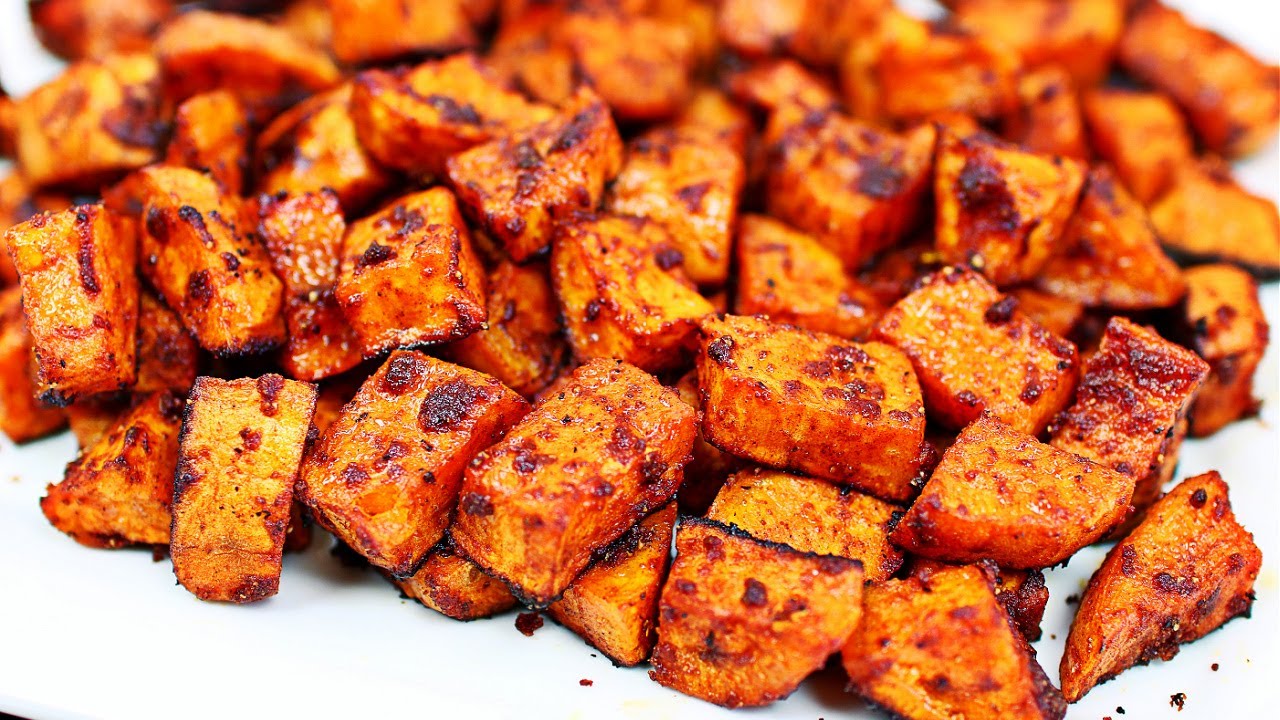
Sweet Potato Baked Recipe: Sweet potatoes are the ultimate comfort food—nutritious, naturally sweet, and incredibly versatile. Whether you’re roasting them as a side dish, stuffing them with toppings, or just want something healthy and delicious, baked sweet potatoes are a winner every single time.
Why are they so popular? Simple. They’re easy to cook, packed with vitamins, and taste absolutely amazing with minimal ingredients. Plus, they’re budget-friendly and can be seasoned in endless ways.
This guide is designed to walk you through every single step of baking sweet potatoes perfectly—whether you’re aiming for crispy cubes, whole baked goodness, or soft slices ready to serve.
Let’s dive right into what makes sweet potatoes so great and why this step-by-step baked sweet potato recipe should be your next go-to!
Health Benefits of Sweet Potatoes
Before we start cooking, let’s talk health. Sweet potatoes are more than just tasty—they’re a powerhouse of nutrients.
- Rich in Vitamins & Minerals: They’re loaded with Vitamin A (in the form of beta-carotene), Vitamin C, potassium, manganese, and fiber. One sweet potato gives you over 400% of your daily Vitamin A needs!
- Great for Gut Health: Thanks to the fiber and antioxidants in sweet potatoes, they help promote good gut bacteria and support a healthy digestive system.
- Supports Weight Loss: Because of their fiber content, sweet potatoes help you feel fuller for longer, which may reduce overall calorie intake.
- Low on the Glycemic Index: Despite their natural sweetness, sweet potatoes don’t spike your blood sugar the way white potatoes can.
So yes, you’re not only cooking something delicious—you’re nourishing your body at the same time.
Ingredients You’ll Need
Let’s keep it simple to start. Here’s a list of the core ingredients you’ll need for a basic baked sweet potato recipe, plus some optional add-ons if you want to jazz things up.
Basic Ingredients:
- 2–4 medium sweet potatoes (organic if possible)
- 2 tablespoons olive oil (or avocado oil)
- 1 teaspoon sea salt
- ½ teaspoon black pepper
Optional Seasonings (for extra flavor):
- 1 teaspoon garlic powder
- 1 teaspoon smoked paprika
- ½ teaspoon cinnamon (for sweet version)
- 1 tablespoon maple syrup or honey (optional, for sweet dish)
- Fresh herbs like rosemary or thyme
Substitute Ideas:
- Oil-free: Use vegetable broth or a light spray of water for roasting.
- Low sodium: Skip the salt and focus on herbs for flavor.
- Spicy kick: Add cayenne or chili flakes.
Gather all your ingredients before you start—mise en place makes cooking stress-free.
Tools and Equipment Required
Here’s what you’ll need to make the magic happen:
Must-Have Tools:
- Oven (conventional or convection)
- Cutting board
- Sharp knife
- Baking sheet or roasting pan
- Parchment paper or silicone mat
- Mixing bowl
Nice-to-Have Extras:
- Vegetable peeler (if peeling)
- Tongs or spatula for flipping
- Food thermometer (for exact doneness)
- Silicone brushes (for spreading oil evenly)
These tools will help you prepare and bake the perfect sweet potatoes without stress.
Prepping the Sweet Potatoes
The key to a perfect bake? Great prep work.
Step 1: Picking the Right Sweet Potatoes
Look for medium-sized sweet potatoes with smooth, firm skin. Avoid ones that are wrinkled or have soft spots.
Step 2: Wash Thoroughly
Sweet potatoes grow underground—so you’ll need to scrub them really well under cold water using a veggie brush. Dirt tends to stick in the crevices.
Step 3: To Peel or Not to Peel
If you love the earthy flavor and extra nutrients, leave the skin on. It crisps up nicely in the oven. But if you prefer a smoother texture, go ahead and peel them with a veggie peeler.
Then dry the potatoes thoroughly with a clean kitchen towel. Moisture = soggy potatoes. And we’re going for crispy edges here.
To Peel or Not to Peel?
This is a legit question when it comes to sweet potatoes. The peel is totally edible and even offers extra nutrients and fiber. But depending on your texture preference, there are pros and cons to both options.
Why You Should Keep the Skin:
- Extra Fiber: The skin boosts the fiber content, which supports digestion and helps you feel fuller.
- More Antioxidants: A lot of the beneficial plant compounds are concentrated in the skin.
- Crispy Texture: If baked right, the skin can get delightfully crispy, adding texture to your dish.
When You Might Want to Peel:
- If you’re going for a super-smooth texture (especially in mashed or puréed dishes).
- When serving to picky eaters or kids who don’t like the skin.
- If the skin is thick or damaged—it can taste tough or bitter.
There’s no right or wrong here—it’s totally about personal preference. For wedges or cubes, skin-on is popular. For stuffed or mashed versions, most people peel them.
How to Season Your Sweet Potatoes
This is where you can get creative. Seasoning is everything when it comes to flavor—and the good news? Sweet potatoes are extremely versatile.
Classic Savory Seasoning:
This combo works every single time:
- Olive oil
- Sea salt
- Black pepper
- Garlic powder
- Smoked paprika
Sweet and Spicy Vibes:
Want something with a kick and a hint of sweet?
- Cinnamon
- Cayenne pepper or chili powder
- Maple syrup or honey drizzle
- A pinch of nutmeg
Herb-Infused Flavors:
If you want something that smells and tastes like the holidays:
- Rosemary
- Thyme
- Sage
- A touch of butter
Just toss your prepped sweet potato slices or cubes in a large bowl with oil and your chosen seasoning. Make sure every piece is evenly coated for balanced flavor.
Step-by-Step Guide to Baking Sweet Potatoes
Let’s get to the main event—baking your sweet potatoes to perfection. Here’s how you do it:
Step 1: Preheat Your Oven
Preheat your oven to 400°F (200°C). A hot oven is key to getting sweet potatoes that are tender on the inside and lightly caramelized on the outside.
Step 2: Slice or Cube Your Sweet Potatoes
Wash and scrub the sweet potatoes well. Peel if desired, then slice into rounds, wedges, or cubes. Try to keep the pieces evenly sized so they bake at the same rate and don’t burn or undercook.
Step 3: Toss with Oil and Seasonings
Place the sweet potatoes in a large bowl. Drizzle with olive oil and season with salt, black pepper, and optional spices like paprika, garlic powder, or cinnamon. Toss well until every piece is evenly coated—this helps them roast instead of steam.
Step 4: Arrange on Baking Sheet
Spread the sweet potatoes in a single layer on a lined baking sheet. Make sure they’re not overcrowded; giving them space allows heat to circulate and creates better browning.
Step 5: Bake to Perfection
Bake for 25–35 minutes, flipping halfway through. They’re done when golden brown on the edges and fork-tender in the center. Serve hot as a side dish, salad base, or healthy snack.
Baking Times and Temperatures
Getting your sweet potatoes just right comes down to time + temp. Here’s a quick table to help you:
| Style | Temperature | Time |
|---|---|---|
| Whole | 400°F | 45–60 minutes |
| Cubed (1-inch) | 400°F | 25–35 minutes |
| Wedges | 425°F | 30–35 minutes |
| Thin slices/rounds | 375°F | 20–30 minutes |
Tips for Success:
- Always preheat the oven first.
- Turn pieces halfway through baking.
- Use foil tenting for whole potatoes if they brown too fast.
- Want extra crispiness? Broil the last 3–5 minutes.
How to Know When Sweet Potatoes Are Done
Here’s what to look for:
- Whole sweet potatoes should be fork-tender all the way through.
- Cubed or sliced potatoes should have crispy edges and soft, fluffy centers.
- The skin may puff or split slightly when they’re fully cooked.
The Fork Test:
Grab a fork and gently press into the thickest part. If it slides in easily, you’re good to go. If there’s resistance, give it a few more minutes.
Don’t rely just on the timer—trust your eyes and your fork.
Serving Suggestions
Baked sweet potatoes are incredibly versatile. You can enjoy them as a snack, side, or even the centerpiece of a full meal. Depending on how you prepare and season them, they can be savory or sweet, light or hearty.
As a Side Dish
This is the most common use. Pair your baked sweet potatoes with:
- Grilled chicken or steak
- Roasted vegetables
- A fresh garden salad
- BBQ ribs or pulled pork
Cubes or wedges seasoned with herbs and sea salt are perfect for adding color, flavor, and nutrients to any meal.
As a Main Course Base
Want to make it a full meal? Try stuffed sweet potatoes. Here’s how:
- Slice a whole baked sweet potato lengthwise.
- Mash the inside gently to make space.
- Add toppings like:
- Black beans, avocado, and salsa for a Mexican vibe
- Shredded chicken and BBQ sauce
- Chickpeas and tahini for a Mediterranean flavor
- Spinach, mushrooms, and feta cheese
Boom—you’ve got a full, satisfying, protein-packed dinner.
As a Sweet Treat or Dessert
Sweet potatoes have a natural caramel flavor when roasted. You can lean into the sweetness with toppings like:
- Cinnamon and maple syrup
- Chopped nuts and dried cranberries
- A dollop of Greek yogurt and honey
- Marshmallows (hello, Thanksgiving vibes!)
This makes for a comforting, guilt-free dessert option that still packs in nutrition.
Pro Tip: Serve hot, directly from the oven. The warmth enhances the sweetness and texture.
Storage and Reheating Tips
Got leftovers? Great! Sweet potatoes store and reheat really well if done right.
How to Store:
- Let the sweet potatoes cool to room temperature before storing.
- Transfer them to an airtight container.
- Refrigerate for up to 4–5 days.
- You can also freeze baked sweet potato cubes or whole potatoes for up to 3 months.
Avoid storing them uncovered in the fridge—they’ll dry out and lose flavor.
How to Reheat:
- Oven (best method): Preheat to 375°F and bake for 10–15 minutes.
- Microwave (quick fix): Cover with a damp paper towel and heat for 2–3 minutes.
- Air fryer: Reheat at 375°F for 5–7 minutes to get them crispy again.
Try to avoid overcooking during reheating or the texture can turn mushy. Always reheat until they’re warm all the way through.
Common Mistakes to Avoid
Even a simple recipe like baked sweet potatoes has a few traps. Don’t worry—I’ve got your back with the most common slip-ups and how to dodge them.
1. Overcrowding the Pan
This is a big one. When pieces are too close together, they steam instead of roast. That means soft, soggy sweet potatoes instead of crispy perfection.
Fix: Use a large baking tray and spread them out evenly in a single layer. If needed, use two trays.
2. Skipping the Preheat
Putting your sweet potatoes into a cold oven delays cooking time and ruins the roasting process. Always let your oven preheat fully.
Fix: Turn on the oven before you start prepping anything.
3. Using Too Much Oil
While oil helps with crisping, too much can make them greasy and heavy.
Fix: Stick to 1–2 tablespoons of oil per batch. A light toss is all you need.
4. Not Flipping Midway
If you want even browning, don’t forget to flip halfway through. Otherwise, you’ll get one side that’s crispy and one that’s undercooked.
5. Cutting Uneven Pieces
This leads to uneven cooking. Small pieces burn, big ones stay raw.
Fix: Use a sharp knife and try to keep all pieces the same size—roughly 1-inch cubes or even wedges.
Avoid these mistakes, and you’ll bake sweet potatoes like a pro every single time.
Variations to Try
Want to keep things interesting? Try switching up how you bake and season your sweet potatoes. These fun variations keep the flavor fresh and exciting.
1. Baked Sweet Potato Fries
- Cut potatoes into thin matchsticks or wedges.
- Toss with olive oil, sea salt, pepper, paprika, and a bit of cornstarch for extra crisp.
- Bake at 425°F for 30–35 minutes, flipping halfway through.
Serve with ketchup, garlic aioli, or spicy mayo.
2. Stuffed Baked Sweet Potatoes
Turn a whole baked potato into a full meal. Once baked, slice it open and stuff it with your favorite toppings like:
- Taco-seasoned ground beef + cheese
- Buffalo chicken + ranch dressing
- Sautéed kale + goat cheese
Perfect for meal prepping or weeknight dinners.
3. Sweet Potato Nachos
Yes, really! Swap out chips for baked sweet potato rounds. Top with:
- Melted cheese
- Black beans
- Jalapeños
- Avocado
- Sour cream
It’s the perfect game-day snack or party dish with a healthy twist.
4. Sweet Potato Breakfast Hash
Cube leftover baked sweet potatoes and pan-fry them with:
- Bell peppers
- Onions
- Sausage or bacon
Top with a fried egg for a super-satisfying breakfast.
Sweet potatoes are incredibly flexible—you can make dozens of dishes just by tweaking the cut, seasoning, and toppings.
FAQs about Sweet Potato Baked Recipe
1. Can I bake sweet potatoes without oil?
Yes! You can roast sweet potatoes without oil, though they won’t be as crispy. Try using parchment paper to prevent sticking and roast at a slightly lower temperature (375°F) to keep them from drying out.
2. How long can I store baked sweet potatoes?
Properly stored in an airtight container, baked sweet potatoes last 4–5 days in the refrigerator. You can also freeze them for up to 3 months.
3. Can I use aluminum foil when baking?
Absolutely. Wrapping whole sweet potatoes in foil can help them steam and cook evenly. However, if you’re going for crispy skin or edges, it’s better to leave them unwrapped and roast directly on a baking sheet.
4. What’s the best dip for baked sweet potatoes?
It depends on your flavor choice! For savory potatoes, garlic aioli or chipotle mayo is awesome. For sweet versions, try honey cinnamon butter or vanilla yogurt.
5. Are baked sweet potatoes better than boiled?
Both methods have their perks, but baking enhances the natural sweetness and retains more nutrients, especially when the skin is left on. Boiling is quicker but can lead to a mushier texture.
Conclusion
Baking sweet potatoes is one of the easiest, healthiest, and most delicious ways to enjoy this naturally sweet root veggie. Whether you’re making them crispy and savory as a side dish, loading them up for a hearty meal, or sweetening them up for dessert, the possibilities are endless.
With the tips, techniques, and step-by-step guide we’ve covered, you now have everything you need to master the art of baking sweet potatoes. Just remember: don’t overcrowd your pan, don’t skip seasoning, and always preheat your oven!
So go ahead—pick up a few sweet potatoes and give this recipe a shot. Once you taste that perfect caramelized flavor, you’ll be hooked for life.