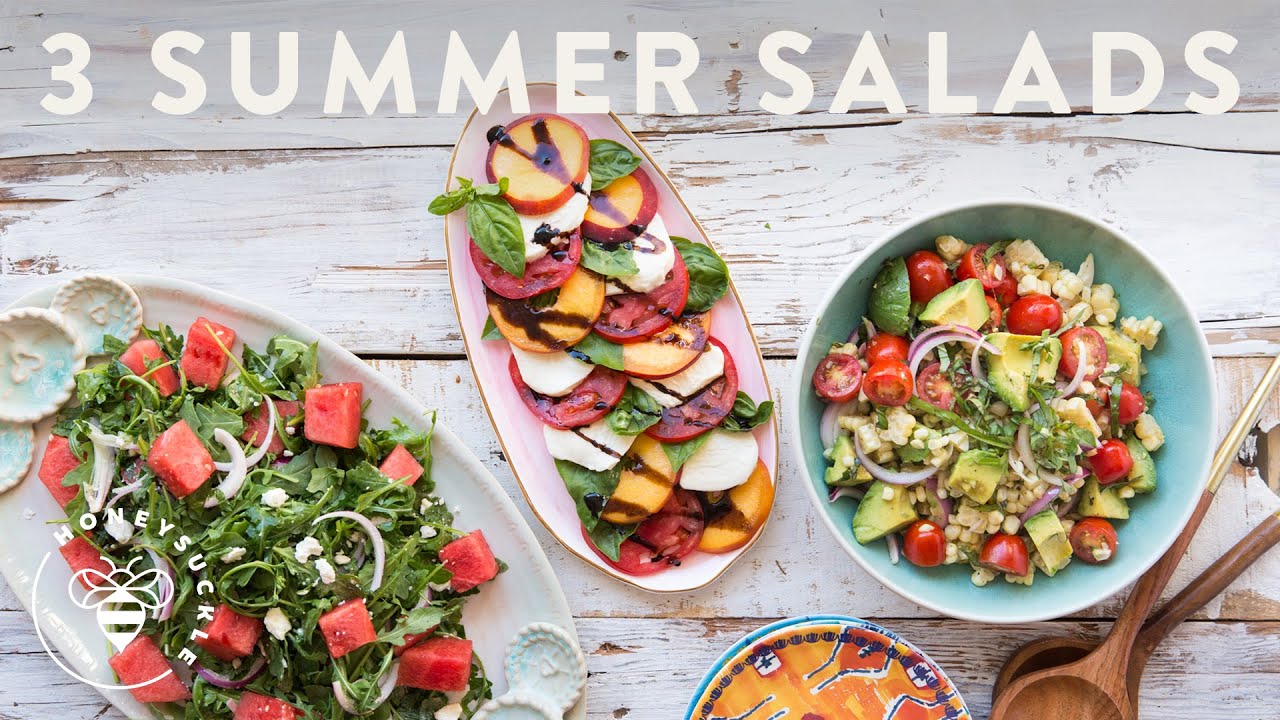
Summer Salad Recipe: There’s just something magical about summer and fresh salads. When the sun’s out, and the heat hits, the last thing anyone wants is a heavy, greasy meal. That’s where summer salads come to the rescue. Crisp, colorful, and bursting with flavor, they’re a quick and easy way to eat well without sweating over the stove.
This step-by-step guide will walk you through everything you need—from choosing ingredients to mastering the perfect dressing. Whether you’re whipping one up for a backyard BBQ, a light lunch, or a potluck dinner, you’ll be creating salads that scream summer freshness.
Why Summer Salads Are a Must-Have
Ever notice how your appetite changes with the seasons? In the heat of summer, your body craves hydration, lighter meals, and cool, refreshing foods. That’s why summer salads are an ideal choice. They pack in hydration (thanks to water-rich veggies like cucumbers and lettuce), provide a boost of vitamins and antioxidants, and are super easy to customize based on what’s in season or what’s left in your fridge.
Salads are also a clever way to sneak in more veggies without even trying. Leafy greens like spinach or arugula are loaded with nutrients, while crunchy cucumbers and juicy tomatoes bring both flavor and texture. Toss in some nuts, fruits, or protein, and you’ve got a meal that’s balanced, beautiful, and incredibly satisfying.
Choosing the Right Ingredients
Picking your ingredients wisely can turn a good salad into a great one. The secret? Balance. A perfect salad combines sweet, savory, tangy, and crunchy all in one bite. When choosing your components, think about color (greens, reds, yellows, purples), texture (crunchy, creamy, juicy), and taste (sweet berries, salty feta, tangy vinaigrette).
Go for seasonal produce—it’s cheaper, fresher, and tastier. In summer, you’ve got a goldmine of options: corn, cucumbers, tomatoes, peaches, berries, bell peppers, zucchini, and more. Don’t be afraid to experiment or swap things out based on availability or dietary needs.
List of Ingredients You’ll Need
Let’s get into the nitty-gritty. Below is a general list of ingredients you’ll need to whip up a delicious, nutrient-packed summer salad. Remember, everything’s optional and customizable:
Base (Choose one or mix):
- Romaine lettuce
- Baby spinach
- Arugula
- Kale (massaged for tenderness)
- Mixed greens
Vegetables:
- Cherry tomatoes
- Cucumbers
- Bell peppers (any color)
- Red onion (thinly sliced)
- Avocado
- Sweet corn (grilled or boiled)
- Carrots (shredded)
Proteins (Optional):
- Grilled chicken breast
- Hard-boiled eggs
- Tuna
- Chickpeas or black beans
- Tofu or tempeh
Fruits (Optional):
- Strawberries
- Blueberries
- Mango
- Watermelon
- Peaches
Herbs & Extras:
- Fresh basil, cilantro, or parsley
- Feta, goat cheese, or mozzarella balls
- Toasted nuts (almonds, walnuts, pecans)
- Sunflower or pumpkin seeds
Dressing Ingredients:
- Olive oil
- Lemon juice or balsamic vinegar
- Dijon mustard or honey
- Salt & pepper
- Garlic (minced)
Kitchen Tools You’ll Need
You don’t need fancy gadgets to make a killer salad, but a few tools can make prep faster and easier:
- Sharp knife
- Cutting board
- Salad spinner (to dry greens)
- Mixing bowls
- Tongs or salad hands
- Mason jar or bottle for shaking up dressing
Prepping Your Ingredients
This is where things can make or break your salad. Always wash your veggies and greens thoroughly. No one wants a gritty bite or hidden dirt. If you’re using leafy greens, a salad spinner helps get rid of excess water, which is key to avoiding soggy salads.
Slice vegetables evenly so they mix well and are easy to eat. For example, halve cherry tomatoes, thinly slice cucumbers and onions, and dice avocados right before serving to keep them from browning. If you’re grilling or cooking proteins, let them cool before tossing them in.
Step-by-Step Guide to Making the Perfect Summer Salad
Step 1: Select Your Base
Start with 2–3 cups of greens per person. Mix and match for flavor and texture. For example, romaine gives crunch, spinach adds earthiness, and arugula brings a peppery kick.
Step 2: Add Your Veggies
Layer on the freshness. Cherry tomatoes, corn, cucumbers, shredded carrots—these add color and crunch. Use 3–4 kinds of vegetables to keep it exciting.
Step 3: Choose Your Protein
Whether it’s leftover grilled chicken, a boiled egg, or a handful of chickpeas, proteins help turn your salad from a side to a main meal.
Step 4: Toss in Herbs & Flavor Boosters
Fresh herbs can totally change the game. Basil adds sweetness, cilantro gives a fresh zing, and parsley brightens everything.
Step 5: Mix the Dressing
Shake your dressing ingredients in a jar—usually 3 parts oil to 1 part acid (like lemon juice). Add salt, pepper, and a touch of honey or mustard for balance.
Step 6: Combine & Toss
Drizzle the dressing lightly and toss gently using tongs or hands. Don’t overdress—start small and add more if needed.
Step 7: Chill (Optional)
If you’ve got time, let the salad chill in the fridge for 10–15 minutes before serving. This helps flavors meld and keeps everything crisp.
How to Make the Perfect Homemade Salad Dressing
Sure, you could buy a bottled dressing—but why settle for average when making your own takes just minutes and tastes 10x better? Homemade salad dressings are fresher, customizable, and free from weird preservatives or hidden sugars. Plus, once you’ve made your first one, you’ll never want to go back to store-bought.
Here’s a basic formula to remember: 3 parts oil to 1 part acid. That’s the golden rule. From there, you can get creative.
Base ingredients:
- Oil: Extra virgin olive oil is the go-to. Avocado oil or walnut oil are also great.
- Acid: Lemon juice, balsamic vinegar, apple cider vinegar, red wine vinegar.
Add-ins for flavor:
- 1 tsp Dijon mustard (for creaminess and tang)
- 1 clove garlic (minced)
- 1 tsp honey or maple syrup (for a touch of sweetness)
- Salt and black pepper to taste
- Optional: a pinch of chili flakes or herbs like oregano or thyme
Just toss everything into a mason jar, shake it like crazy for 30 seconds, and boom—you’ve got a gourmet-level dressing.
Want a creamy option? Use Greek yogurt or tahini as a base, or whisk in a bit of mayonnaise or sour cream for richness.
Tips for Flavor Pairings
Creating the perfect summer salad is a lot like making music—it’s all about harmony. Each ingredient plays a role, and the real magic happens when flavors complement each other.
Here are some pairing ideas to inspire your taste buds:
Sweet + Tangy
- Strawberries + balsamic vinegar
- Mango + lime juice
- Grapes + goat cheese
Savory + Creamy
- Avocado + grilled corn + feta
- Hard-boiled eggs + cherry tomatoes + ranch dressing
- Tofu + sesame dressing + green onions
Fresh + Zesty
- Cucumber + dill + lemon
- Watermelon + mint + feta
- Basil + tomato + mozzarella
When you start thinking in these flavor combinations, your salads instantly become more exciting—and way more satisfying.
Adding a Protein Punch
Let’s be honest—sometimes, a salad just doesn’t fill you up. That’s where protein comes in. Adding a hearty ingredient or two turns a light side salad into a full-blown meal that keeps you full for hours.
Here are some of the best protein additions:
Animal-based proteins:
- Grilled chicken breast (simple, clean, and lean)
- Boiled or poached eggs
- Tuna or salmon (canned or fresh)
- Shrimp (grilled with lemon and herbs)
Plant-based options:
- Chickpeas (roasted for crunch or plain for softness)
- Black beans or kidney beans
- Tofu (pan-seared or baked)
- Tempeh (marinated for flavor)
- Quinoa or lentils
Pro tip: Season your protein before adding it to the salad—salt, pepper, garlic powder, or even a marinade goes a long way in boosting flavor.
Best Summer Salad Toppings
Let’s not forget the fun part—toppings! They bring the crunch, the surprise, the bite that makes a salad memorable. Use toppings to add texture and depth without overpowering the freshness of your veggies.
Crunchy Toppings:
- Toasted almonds
- Croutons (homemade or store-bought)
- Sunflower seeds or pumpkin seeds
- Crispy chickpeas
- Tortilla strips
Creamy Toppings:
- Feta cheese
- Goat cheese
- Shaved parmesan
- Blue cheese crumbles
- Hummus dollops (yep, it works!)
Sweet Toppings:
- Dried cranberries
- Chopped dates
- Sliced apples or pears
- Pomegranate seeds
Mix and match a few for that perfect bite—just don’t go overboard or it can overpower the salad.
Creative Salad Variations
Once you’ve nailed the basics, the world of summer salads is wide open. Here are some popular styles and ideas to shake things up:
1. Mediterranean-Inspired Salad
- Base: Mixed greens
- Veggies: Cucumber, tomatoes, olives
- Protein: Grilled chicken or chickpeas
- Toppings: Feta, red onion
- Dressing: Lemon-oregano vinaigrette
2. Asian-Inspired Salad
- Base: Napa cabbage or romaine
- Veggies: Carrot, bell pepper, edamame
- Protein: Tofu or grilled shrimp
- Toppings: Sesame seeds, peanuts
- Dressing: Soy-ginger-sesame
3. Tropical Fruit Salad
- Base: Spinach or arugula
- Fruits: Mango, pineapple, strawberries
- Protein: Grilled chicken or tofu
- Toppings: Coconut flakes, cashews
- Dressing: Honey-lime vinaigrette
4. Caprese-Inspired Salad
- Base: Sliced tomatoes and fresh mozzarella
- Extras: Fresh basil, balsamic glaze
- No need for a dressing—just drizzle olive oil and salt
Feel free to create your own variations using these as blueprints. Add, swap, remix!
Mistakes to Avoid When Making Summer Salads
Even the best intentions can go sideways. If your salad feels “meh,” it might be due to a few common missteps:
1. Overdressing the Salad
This is the #1 mistake. It turns your salad soggy and ruins the freshness. Always start with less and add more if needed.
2. Not Seasoning the Ingredients
A sprinkle of salt and pepper can totally elevate the taste. Especially with raw veggies—season them like you would anything else.
3. Using Wilted Greens
Sad, limp lettuce? Big no. Always use fresh, crisp greens. A quick spin in cold water can revive some leafy greens if needed.
4. Ignoring Texture
A salad needs crunch. Skipping toppings or using only soft ingredients makes the salad feel flat and mushy.
5. Not Balancing Flavors
Too sweet? Too tangy? Not enough salt? Taste as you go, especially with the dressing.
How to Store Leftover Salad
Got leftovers? The key is separating components when possible. Once dressed, most salads lose their crispness fast.
To Store Properly:
- Keep dressing on the side if meal prepping.
- Store greens and toppings separately if possible.
- Use airtight containers.
- Eat within 1–2 days for best texture.
Tip: For dressed salads, place a paper towel on top before sealing the container—it helps absorb extra moisture and keeps the salad fresher.
FAQs about Summer Salad Recipe
1. Can I make summer salads ahead of time?
Yes, just store the dressing separately and add it right before serving. For best freshness, assemble close to serving time.
2. What’s the best way to keep salad crisp?
Dry your greens completely after washing, and store them in an airtight container with a paper towel to absorb moisture.
3. Can I make a vegan or gluten-free version?
Absolutely! Use plant-based proteins like tofu or beans, skip cheese (or use vegan cheese), and avoid croutons with gluten.
4. How do I balance the flavors in the dressing?
Use the 3:1 oil-to-acid rule. Then taste and adjust. Add a touch of sweet (honey), spicy (mustard), or creamy (yogurt) to balance it out.
5. What if I don’t have fresh herbs?
Dried herbs work in a pinch—use less (about 1/3 of the fresh amount). Or try flavor boosters like garlic, chili flakes, or citrus zest.
Conclusion
Making a summer salad isn’t just about tossing a bunch of greens together—it’s about crafting something that’s vibrant, nourishing, and downright delicious. From choosing seasonal produce to mastering homemade dressings and adding the perfect crunch, you now have all the tools to build the ultimate summer salad. Whether you’re feeding yourself, your family, or impressing guests at a picnic, this step-by-step guide has your back. So roll up your sleeves, grab your favorite ingredients, and dive into the world of fresh, fabulous salads. Summer never tasted so good.