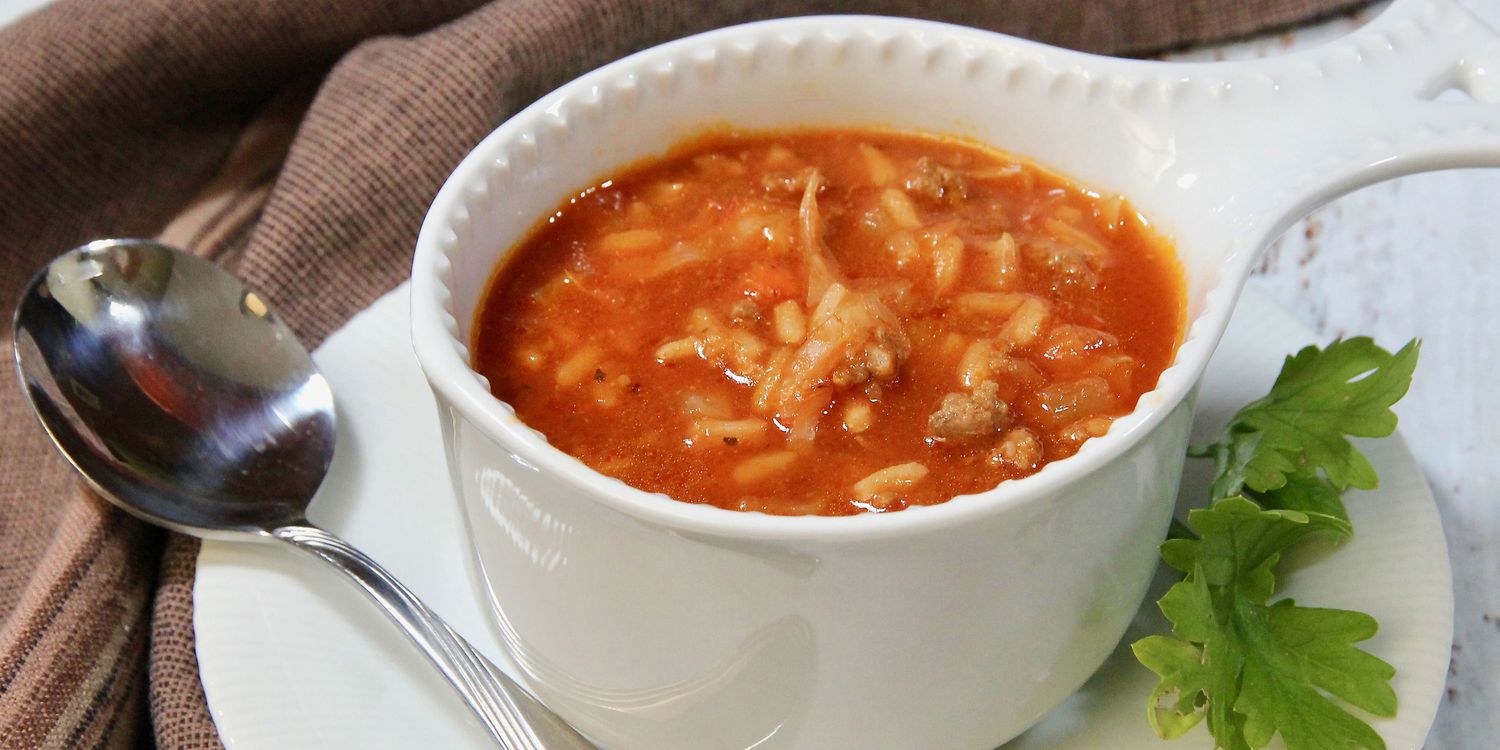
Stuffed Cabbage Soup Recipe: If you’re craving a warm, hearty, and nostalgic meal, stuffed cabbage soup is the perfect dish to bring to your table. Imagine the delicious flavors of classic stuffed cabbage rolls—but without all the rolling, folding, and baking. Instead, you get a comforting bowl of soup packed with tender cabbage, ground beef, rice, and a flavorful tomato-based broth. It’s the ultimate one-pot wonder that combines ease, taste, and tradition.
This recipe has been cherished in many families for generations. Often found in Eastern European kitchens, stuffed cabbage soup offers that same old-fashioned comfort food feeling but in a much simpler, soup form. It’s rich, filling, and great for both weeknight dinners and cozy weekend meals. Plus, it makes enough to feed a crowd or stock your fridge with leftovers that taste even better the next day.
So, if you’ve been searching for a soul-warming recipe to add to your rotation, look no further. Let’s break down exactly what you’ll need and how to prepare this hearty soup step by step.
Ingredients You’ll Need for Stuffed Cabbage Soup
Like any comforting dish, the secret to a rich and flavorful soup lies in the quality of your ingredients. While you don’t need anything fancy, choosing fresh vegetables and good-quality meat will make all the difference. Below is the complete list you’ll need before you start cooking.
Fresh Vegetables
- Green cabbage – The star of the recipe. Use a medium-sized head of green cabbage, chopped into bite-sized pieces.
- Onion – A yellow or white onion works best to add depth and sweetness.
- Carrots – They add a natural sweetness and extra color to the soup.
- Celery – Optional but adds a subtle savory background note.
- Garlic – Fresh garlic cloves are a must for that earthy, aromatic flavor.
Proteins & Pantry Staples
- Ground beef – Traditionally used, but you can also mix beef with ground pork for extra richness.
- Cooked rice – White rice is classic, but brown rice or even quinoa can be substituted.
- Olive oil or butter – For sautéing the vegetables and meat.
- Tomato sauce – A base that adds a rich, tangy backbone to the soup.
- Crushed tomatoes or diced tomatoes – Helps give the soup body and texture.
- Beef broth or chicken broth – Use low-sodium broth so you can control the saltiness.
Herbs and Seasonings
- Bay leaves – For depth and aroma.
- Paprika – Adds a mild smokiness.
- Salt and pepper – To taste.
- Sugar – Just a touch helps balance the acidity of tomatoes.
- Fresh parsley or dill – Optional, for finishing the dish with freshness.
Optional Add-Ons for Extra Flavor
- Red pepper flakes – If you like a little heat.
- Apple cider vinegar or lemon juice – For a tangy brightness.
- Worcestershire sauce – Enhances the savory notes of the beef.
With these ingredients ready, you’re all set to dive into the cooking process.
Step-by-Step Guide to Making Stuffed Cabbage Soup
Cooking stuffed cabbage soup is straightforward, and it doesn’t take nearly as much effort as rolling stuffed cabbage rolls. Here’s a step-by-step process that ensures every spoonful is perfectly rich and flavorful.
Step 1 – Preparing the Vegetables
Start by washing and chopping all your vegetables. Peel and finely dice the onion, slice the carrots into thin rounds, and mince the garlic cloves. Chop the cabbage into small, bite-sized chunks—this is key because you don’t want giant leaves floating in the soup.
Prepping everything before you turn on the stove makes cooking so much smoother. Think of it as setting up your “mise en place,” just like chefs do. This way, when it’s time to sauté, you won’t be scrambling to chop while your onions are burning.
Step 2 – Browning the Ground Meat
In a large soup pot or Dutch oven, heat a tablespoon of olive oil or butter over medium-high heat. Add the ground beef (or beef and pork mixture) and cook until browned. Make sure to break it apart with a wooden spoon so you don’t end up with large clumps.
This step builds the base flavor of your soup. Browning the meat properly creates caramelized bits (fond) at the bottom of the pot, which will later infuse your broth with incredible flavor. Don’t skip this step—it’s what gives the soup its richness.
Once the meat is browned, drain any excess fat if necessary, but leave a little behind for flavor.
Step 3 – Building the Flavor Base
Now, it’s time to add your chopped onions, carrots, and celery to the pot with the browned meat. Cook them for about 5–7 minutes until they soften and release their natural sweetness. Then, stir in the garlic and cook for another 30 seconds until fragrant.
Next, sprinkle in your seasonings—paprika, salt, and pepper—so they toast slightly in the oil and release their full flavor. If you’re using Worcestershire sauce, add it here too.
By this point, your kitchen will already smell heavenly. This is the foundation of your stuffed cabbage soup, so take your time and let the flavors develop.
Step 4 – Adding Liquids and Simmering
Pour in your tomato sauce, crushed or diced tomatoes, and beef broth. Give everything a good stir, scraping up any caramelized bits stuck to the bottom of the pot. This ensures you capture every bit of flavor.
Bring the mixture to a boil, then reduce the heat to low and let it simmer gently. Add the chopped cabbage and bay leaves at this stage. Cover partially with a lid and allow the soup to cook for 25–30 minutes, stirring occasionally, until the cabbage becomes tender and slightly translucent.
This slow simmering step is what allows the vegetables to soften and the flavors to meld together beautifully.
Step 5 – Adding Rice and Final Touches
Once the cabbage is tender, stir in your cooked rice. If you prefer a thicker soup, you can add more rice, but remember that rice tends to soak up broth over time.
Taste and adjust the seasoning—maybe a pinch more salt, a splash of vinegar or lemon juice for brightness, or even a small spoonful of sugar to balance the acidity. Remove the bay leaves before serving.
Finish with fresh parsley or dill sprinkled on top for a burst of freshness.
At this point, your stuffed cabbage soup is ready to be ladled into bowls and enjoyed hot.
Cooking Tips for Perfect Stuffed Cabbage Soup
Making stuffed cabbage soup might be easy, but a few smart cooking tricks can take your soup from good to absolutely unforgettable. Think of these tips as little secrets passed down from grandmothers who’ve been cooking this dish for decades.
How to Get the Right Texture
One of the biggest challenges with this soup is keeping the right balance of broth and ingredients. You want a hearty consistency without it becoming too thick or too watery. The trick is in timing and rice control. Always add cooked rice toward the end—if you add it too early, it will soak up too much liquid, leaving you with more of a casserole than a soup.
Also, chop your cabbage into even pieces. Large chunks may stay chewy while smaller ones get mushy. Bite-sized, uniform cuts will give you that perfect tender-but-not-soggy texture in every spoonful.
Another tip? Use a mix of diced and crushed tomatoes. Diced tomatoes add little pops of texture, while crushed tomatoes create a silky base. The combination makes your broth hearty and flavorful.
Balancing Sweetness and Tanginess
A hallmark of classic stuffed cabbage soup is the balance of sweet and sour flavors. The tomatoes provide natural tanginess, but sometimes they can be too sharp. That’s where a small spoonful of sugar comes in—it softens the acidity and rounds out the flavor.
For the sour note, some cooks add a splash of apple cider vinegar or even lemon juice just before serving. This brightens the soup and keeps it from tasting heavy. The key is balance: you want savory richness from the beef, sweetness from the carrots and sugar, and tanginess from the tomatoes and vinegar.
Making It Ahead of Time
Stuffed cabbage soup is one of those dishes that tastes even better the next day. As it sits, the flavors deepen and meld together. If you want to save time, you can prep everything the night before—brown the meat, chop the veggies, and store them in the fridge. The next day, all you have to do is simmer.
Another trick? If you’re planning to store leftovers, consider keeping the rice separate. That way, the rice won’t absorb too much broth overnight, and you can add it fresh to each bowl.
Variations of Stuffed Cabbage Soup
One of the best things about stuffed cabbage soup is how versatile it is. While the classic recipe is timeless, you can easily tweak it to match your tastes or dietary needs. Here are some popular variations:
Vegetarian Version
If you want to skip the meat, simply replace the ground beef with lentils or beans. Brown lentils work best because they hold their shape and provide a hearty bite. Chickpeas or kidney beans also add a nice texture. You can also bump up the vegetables—add zucchini, bell peppers, or even mushrooms for an earthy depth.
For extra protein, you could stir in cooked quinoa instead of rice. It blends beautifully with the tomato base and keeps the soup filling without being heavy.
Slow Cooker Option
If you’re short on time or love the ease of hands-off cooking, this soup adapts perfectly to the slow cooker. Simply brown your meat and sauté the veggies on the stove first (this step adds flavor you don’t want to miss), then transfer everything to your slow cooker. Add the liquids, cabbage, and seasonings, then let it simmer on low for 6–8 hours or high for 3–4 hours.
When it’s nearly done, stir in the cooked rice, adjust the seasoning, and you’re set. The long, gentle cooking time makes the cabbage incredibly tender and deepens the flavors beautifully.
Spicy Twist
Love a little heat in your comfort food? Add some red pepper flakes, cayenne pepper, or diced jalapeños to the soup for a spicy kick. Another option is to swap the paprika with smoked paprika and a dash of chili powder. The result is a smoky, spicy twist that transforms the traditional version into something bold and exciting.
For an even bigger punch, drizzle a little hot sauce over each bowl just before serving.
How to Serve Stuffed Cabbage Soup
Once your soup is ready, you’ll want to serve it in a way that makes the most of its comforting flavors. Presentation might not be the first thing you think of with a humble soup like this, but trust me—it makes a difference.
Garnishing Ideas
Fresh herbs are your best friend here. A sprinkle of chopped parsley, dill, or even chives adds freshness and a pop of color to the bowl. If you like creamy textures, a spoonful of sour cream on top melts into the hot broth and adds a tangy, rich finish.
A drizzle of olive oil or a sprinkle of grated Parmesan cheese can also elevate the dish. It’s simple, but it takes your soup from homestyle to restaurant-worthy.
Best Side Dishes
While stuffed cabbage soup is hearty enough to be a meal on its own, pairing it with the right sides makes for a more complete dining experience. Some great options include:
- Crusty bread or dinner rolls – Perfect for dipping into the flavorful broth.
- Mashed potatoes – A traditional pairing in many Eastern European households.
- Simple green salad – Adds a refreshing crunch to balance the richness of the soup.
- Pickled vegetables – Pickled cucumbers or beets offer a tangy contrast.
With the right garnishes and sides, your stuffed cabbage soup turns into a feast that’s both comforting and impressive.
Storing and Reheating Stuffed Cabbage Soup
One of the best parts about this recipe is how well it stores. Whether you want to save leftovers for tomorrow’s lunch or freeze a batch for later, stuffed cabbage soup holds up beautifully.
Refrigeration Tips
Store cooled soup in an airtight container in the fridge. It will stay fresh for up to 4 days. The flavors actually improve after a night in the refrigerator, so don’t hesitate to make it ahead. Just remember that rice tends to absorb broth, so you might want to add a splash of extra stock when reheating.
Freezing for Later Use
Stuffed cabbage soup is freezer-friendly, but there’s one catch: rice. Cooked rice doesn’t freeze well—it can become mushy when thawed. The best trick is to freeze the soup without rice and add freshly cooked rice when you’re ready to reheat.
To freeze, let the soup cool completely, then portion it into freezer-safe containers or heavy-duty freezer bags. Label with the date, and it will keep well for up to 3 months.
Best Way to Reheat
For reheating, stovetop is best. Pour the soup into a pot and warm it gently over medium heat, stirring occasionally. If the broth has thickened too much, add a splash of water or stock to loosen it up.
Microwave reheating works too—just make sure to stir halfway through so it heats evenly.
Nutritional Value of Stuffed Cabbage Soup
Besides being hearty and delicious, stuffed cabbage soup is also surprisingly nutritious. With a mix of protein, vegetables, and grains, it provides a well-balanced meal that fills you up without weighing you down. Let’s break down the nutritional benefits.
Calories and Macronutrients
On average, one serving of stuffed cabbage soup contains about 250–350 calories, depending on how much rice and meat you add. It’s hearty enough for a full meal but light enough to enjoy without guilt.
- Protein – Thanks to ground beef (or pork), each serving provides a solid dose of protein to keep you satisfied.
- Carbohydrates – The rice adds healthy carbs for energy, and if you use brown rice or quinoa, you’ll get extra fiber.
- Fats – Most of the fat comes from the meat. Using lean beef or turkey keeps the fat content lower while still giving you great flavor.
Health Benefits of Cabbage Soup
Cabbage itself is a nutritional powerhouse. Low in calories but high in vitamins, it’s one of those vegetables you should never underestimate.
- Rich in Vitamin C – Boosts your immune system and keeps your skin healthy.
- High in Fiber – Aids digestion and keeps you feeling full longer.
- Loaded with Antioxidants – Helps fight inflammation and supports overall health.
Add in carrots, onions, and garlic, and you’ve got a soup that’s not just comforting but also packed with nutrients.
If you’re watching your sodium intake, choose low-sodium broth and season lightly with salt. You’ll still get plenty of flavor from the tomatoes, garlic, and spices.
Common Mistakes to Avoid
Even though stuffed cabbage soup is beginner-friendly, there are a few pitfalls to watch out for. Avoiding these mistakes will help you achieve the perfect balance of flavors and textures.
Overcooking the Cabbage
Cabbage should be tender, not mushy. Overcooking can make it lose its bite and turn into an unappetizing mess. The trick is to simmer gently and check the texture often. Once the cabbage looks translucent and soft but still holds its shape, it’s done.
Adding Rice Too Early
Rice is like a sponge—it keeps absorbing liquid even after cooking. If you add it too early, you’ll end up with thick porridge instead of soup. Always cook rice separately and stir it in just before serving. If you’re freezing the soup, leave the rice out entirely and add it fresh later.
Overseasoning the Broth
Stuffed cabbage soup thrives on balance. Too much salt, vinegar, or sugar can throw off the delicate sweet-and-sour flavor profile. Start with smaller amounts, taste as you go, and adjust gradually. Remember, you can always add more seasoning—but you can’t take it away.
FAQs about Stuffed Cabbage Soup Recipe
1. Can I make stuffed cabbage soup without rice?
Yes! You can skip rice or substitute with quinoa, cauliflower rice, or even barley for a different texture.
2. What type of cabbage works best for this recipe?
Green cabbage is the most common choice. However, Savoy cabbage also works well since it’s tender and has a mild flavor.
3. How long does stuffed cabbage soup last in the fridge?
Stored in an airtight container, it will stay fresh for up to 4 days.
4. Can I substitute beef with another protein?
Absolutely. Ground turkey, chicken, pork, or even lentils can replace beef, depending on your dietary preference.
5. How do I thicken stuffed cabbage soup?
If you prefer a thicker soup, let it simmer uncovered for a bit longer, or add extra rice. You can also stir in a small slurry of cornstarch and water for added body.
Conclusion
Stuffed cabbage soup is more than just a recipe—it’s comfort in a bowl, a dish that carries tradition and warmth in every spoonful. With its hearty mix of tender cabbage, savory beef, tangy tomatoes, and rice, it’s the kind of meal that makes you feel at home, no matter where you are.
The best part? It’s simple enough for weeknights, yet special enough to serve when family or friends gather. Plus, it’s endlessly versatile—whether you make it vegetarian, spicy, or slow-cooked, it always delivers big flavor with minimal fuss.
So grab a big pot, chop up some cabbage, and let this soul-warming soup simmer away. Once you taste it, you’ll understand why this dish has been a beloved classic for generations.