Stir Fry Veggies Recipe: Looking for a quick, healthy, and flavor-packed meal? You’ve landed on the right recipe. Stir fry veggies are one of those magical dishes that tick all the right boxes. Fast? Check. Nutritious? Absolutely. Customizable? Like a blank canvas. Whether you’re someone trying to clean up your eating habits, need a side dish in a pinch, or are just tired of boring salads, stir-fried vegetables are your best friend.
What makes stir-frying such a beloved method is how it allows veggies to retain their natural colors, crunch, and nutrients, while soaking up the rich flavors of your chosen seasonings. It’s a method that feels professional, but once you get the hang of it, it’s easier than boiling pasta. Plus, you only need one pan — fewer dishes, more eating.
Ready to become a stir fry pro? Let’s walk through everything step by step.
Why Stir Fry Veggies?
Stir frying is more than just tossing vegetables in a hot pan. It’s an art of high-heat cooking that sears ingredients quickly, locking in their texture and flavor. Compared to boiling or steaming, stir-frying helps maintain more of the vegetable’s natural vitamins — especially vitamin C and B vitamins — which are often lost in water-based cooking methods.
Plus, this cooking method is incredibly versatile. You can stir fry almost any vegetable you have in your fridge, which makes it a great way to reduce food waste. Carrots a little limp? Toss them in. Leftover broccoli stems? Slice and stir fry them.
Another bonus? It’s fast. We’re talking about a meal that takes 10-15 minutes from cutting board to plate. That’s faster than ordering takeout. So if you’re someone who’s constantly short on time, stir fry veggies are the answer.
List of Ingredients You’ll Need
You don’t need fancy or expensive ingredients to make a killer veggie stir fry. Here’s what you’ll want to gather:
Vegetables:
- Bell peppers (red, yellow, green)
- Carrots
- Broccoli
- Snap peas or snow peas
- Mushrooms
- Zucchini
- Red or yellow onion
- Baby corn (optional)
- Cabbage or bok choy
Aromatics:
- Fresh garlic (minced)
- Fresh ginger (grated or sliced)
- Green onions
Oil:
- Vegetable oil (neutral flavor)
- Sesame oil (for flavor, added at the end)
Sauce Base:
- Soy sauce (low-sodium preferred)
- Rice vinegar
- Oyster sauce or hoisin sauce
- Cornstarch (for thickening)
- Water or broth
Optional Add-ins:
- Crushed red pepper flakes
- Sesame seeds
- Tofu or tempeh
- Cooked noodles or rice (for serving)
You can substitute as needed — stir frying is forgiving and flexible.
Choosing the Right Vegetables
Not all veggies are created equal when it comes to stir frying. The key is to mix textures and colors for a vibrant, satisfying result.
Best Veggies for Stir Fry:
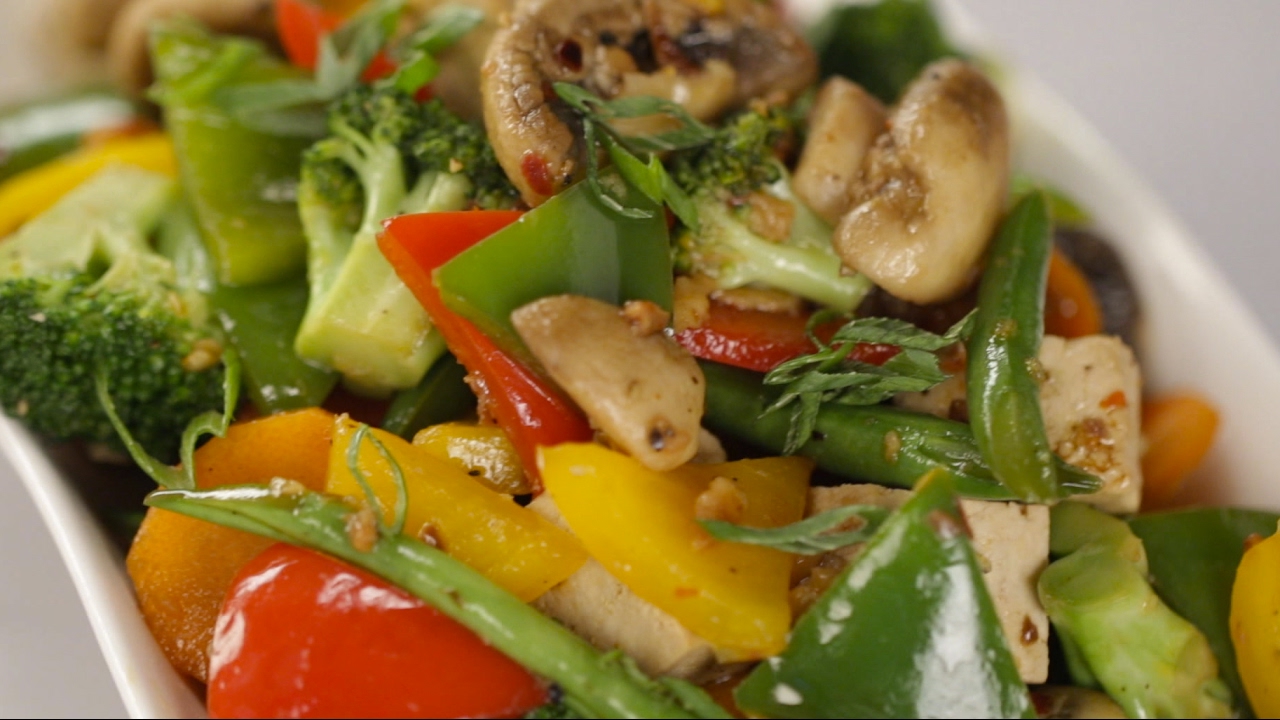
- Hard vegetables: Carrots, broccoli, cauliflower, and green beans need a little more time, so they go in first.
- Medium veggies: Bell peppers, mushrooms, and onions cook more quickly.
- Soft/leafy veggies: Spinach, bok choy, and cabbage should be added last to avoid overcooking.
Cutting Tips:
- Uniform slices mean even cooking.
- Diagonal cuts make veggies look better and increase surface area to absorb sauce.
- Use a sharp knife to avoid bruising delicate vegetables.
Mix and match as per what’s in season or what you have on hand.
Essential Tools and Cookware
You don’t need a fancy kitchen setup to make stir fry, but having the right tools makes the process smoother.
Wok vs Frying Pan:
- A wok is ideal because of its shape — it retains high heat and allows for tossing.
- A large skillet works too, especially non-stick or cast iron for heat retention.
Other Tools:
- Wooden or silicone spatula
- Large cutting board
- Mixing bowls for prepped ingredients
- Garlic press or microplane for ginger
A good rule of thumb: get everything ready before you start — once the pan is hot, things move fast.
How to Prep Your Ingredients Properly
Don’t skip this part! Prepping your veggies the right way is crucial for a quick, stress-free stir fry experience.
Steps:
- Wash all vegetables thoroughly. Even organic ones.
- Dry them completely — wet vegetables will steam instead of fry.
- Slice everything before heating your pan. Stir fry isn’t a stop-and-chop dish.
- Group ingredients by cooking time: hard, medium, soft.
Set out your ingredients like a chef — mise en place helps you cook confidently without burning anything.
Step-by-Step Stir Fry Guide
Let’s break down the actual cooking process. Here’s how to nail it from start to finish.
Step 1: Heat Your Pan or Wok
Use a high–smoke-point oil like vegetable, peanut, or canola oil. Heat your pan over high heat until the oil shimmers or lightly smokes—this ensures quick cooking and crisp vegetables. A hot pan prevents steaming and keeps flavors bold.
Step 2: Cook Aromatics First
Add garlic, ginger, or onions to the hot oil. Stir-fry for 15–30 seconds until fragrant. Don’t let them brown too much—burnt aromatics turn bitter and overpower the dish.
Step 3: Add the Vegetables
Add vegetables based on texture. Start with harder ones like carrots, broccoli, or green beans, then add softer vegetables such as bell peppers, mushrooms, or spinach. Stir or toss continuously to cook evenly and avoid burning.
Step 4: Add Sauce and Seasonings
Add sauce only after vegetables are nearly cooked. Pour it around the sides of the pan, not directly on the food, to help it heat quickly. Common sauces include soy sauce, oyster sauce, and hoisin. To thicken, add a cornstarch slurry and stir until glossy.
Step 5: Finishing Touches
Finish with sesame oil, scallions, or sesame seeds. Keep heat high and cook briefly to prevent soggy vegetables. Taste and adjust seasoning with salt, sugar, or chili sauce before serving.
Best Stir Fry Sauces You Can Make at Home
While pre-made sauces are convenient, making your own allows you to control flavor, sodium, and sugar content. Here are a few go-to recipes:
1. Classic Garlic Soy Sauce
- 2 tbsp soy sauce
- 1 tbsp rice vinegar
- 1 tsp sesame oil
- 2 garlic cloves (minced)
- 1 tsp brown sugar
- Optional: chili flakes
2. Sweet and Spicy Sauce
- 2 tbsp soy sauce
- 1 tbsp sriracha or chili garlic sauce
- 1 tbsp honey
- 1 tsp lime juice
- 1 tsp cornstarch slurry
3. Peanut Stir Fry Sauce
- 2 tbsp peanut butter
- 2 tbsp soy sauce
- 1 tbsp lime juice
- 1 tsp honey
- 1 tsp grated ginger
- Water to thin out
Mix any of these in a bowl and use them during Step 4 of the stir fry process. Store extra in the fridge for up to a week.
Stir Fry Variations to Try
Stir fry veggies are endlessly versatile. Once you master the basics, try branching out with these fun twists:
Add Protein:
- Tofu: Press and cube before frying.
- Chicken breast or thighs: Slice thinly and cook before the veggies.
- Shrimp: Cooks in 2–3 minutes, add at the end.
- Tempeh or seitan: Great for plant-based eaters.
Make it a Noodle Dish:
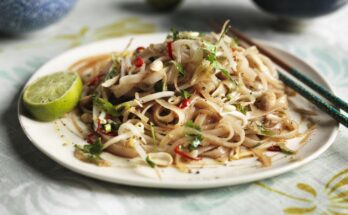
- Toss in cooked noodles like rice noodles, soba, or lo mein.
- Stir in sauce and veggies until everything’s coated.
Serve Over Rice:
- Brown or white rice
- Jasmine or basmati
- Cauliflower rice for a low-carb version
Diet-Friendly Versions:
- Vegan: Use only plant-based sauces (skip oyster sauce).
- Gluten-Free: Use tamari instead of soy sauce.
- Keto/Low Carb: Go easy on sauces with sugar and use keto-friendly thickeners.
Tips for the Perfect Stir Fry Every Time
Want that restaurant-level taste and look? Here are some insider tips to help you master stir fry like a pro:
- Prep EVERYTHING first. The cooking part is fast, so have all your ingredients chopped and ready.
- Use high heat. Stir fry is not a slow cook. Keep the pan hot to sear the veggies.
- Don’t crowd the pan. Too many veggies = steaming instead of frying. Cook in batches if needed.
- Use fresh veggies. Frozen can work, but they release water and often end up mushy.
- Stir, don’t stir constantly. Let the veggies sit for a few seconds before stirring to get a nice sear.
Common Mistakes to Avoid
Even a simple dish like stir fry can go wrong if you’re not careful. Avoid these rookie errors:
1. Using Cold Oil and Pan Together
Always heat the pan first, then add oil. Otherwise, the veggies won’t sizzle — they’ll soak.
2. Overcrowding the Pan
More veggies mean more steam, which leads to sogginess. Use a large pan or work in batches.
3. Overcooking Veggies
Keep a close eye and pull them off heat once they’re crisp-tender. Mushy stir fry is a no-go.
4. Adding Sauce Too Early
Sauce goes in once the veggies are nearly done. Too early and it evaporates or burns.
5. Skipping the Garnish
Toasted sesame oil, green onions, or sesame seeds add incredible depth. Don’t skip!
How to Store and Reheat Leftovers
Stir fry veggies are best fresh, but they do make decent leftovers if stored properly.
Storing Tips:
- Let cool completely before storing.
- Use airtight containers.
- Store in the fridge for up to 3–4 days.
Reheating Tips:
- Reheat in a pan over medium heat with a splash of water or broth.
- Microwave works too, but you may lose some crunch.
- Avoid freezing — most stir fry veggies get watery and lose texture after thawing.
FAQs about Stir Fry Veggies Recipe
1. Can I use frozen vegetables for stir fry?
Yes, but thaw them first and pat them dry. Otherwise, they’ll release too much water and steam instead of fry.
2. What’s the best oil for stir-frying?
Use high-smoke-point oils like canola, avocado, peanut, or sunflower oil. Save sesame oil for finishing.
3. How do I make my veggies stay crunchy?
Cook on high heat, don’t overcrowd the pan, and pull them off while they’re still slightly crisp.
4. Can I meal prep stir fry for the week?
Yes! Store cooked stir fry in airtight containers and pair with rice or noodles. Reheat in a pan for best texture.
5. What goes well with vegetable stir fry?
Rice, noodles, tofu, grilled chicken, or shrimp. Also pairs great with spring rolls or miso soup for a full meal.
Conclusion
Stir fry veggies are the ultimate quick meal — fast, flavorful, and loaded with nutrients. Whether you’re tossing together a last-minute dinner or planning a meal prep menu, this recipe delivers every time. The beauty lies in its flexibility: you can mix and match ingredients, sauces, and add-ins to fit your mood and pantry.
So the next time you stare at your fridge wondering what to cook — remember, a sizzling, colorful stir fry is just minutes away. Go forth, stir it up, and make it your own!