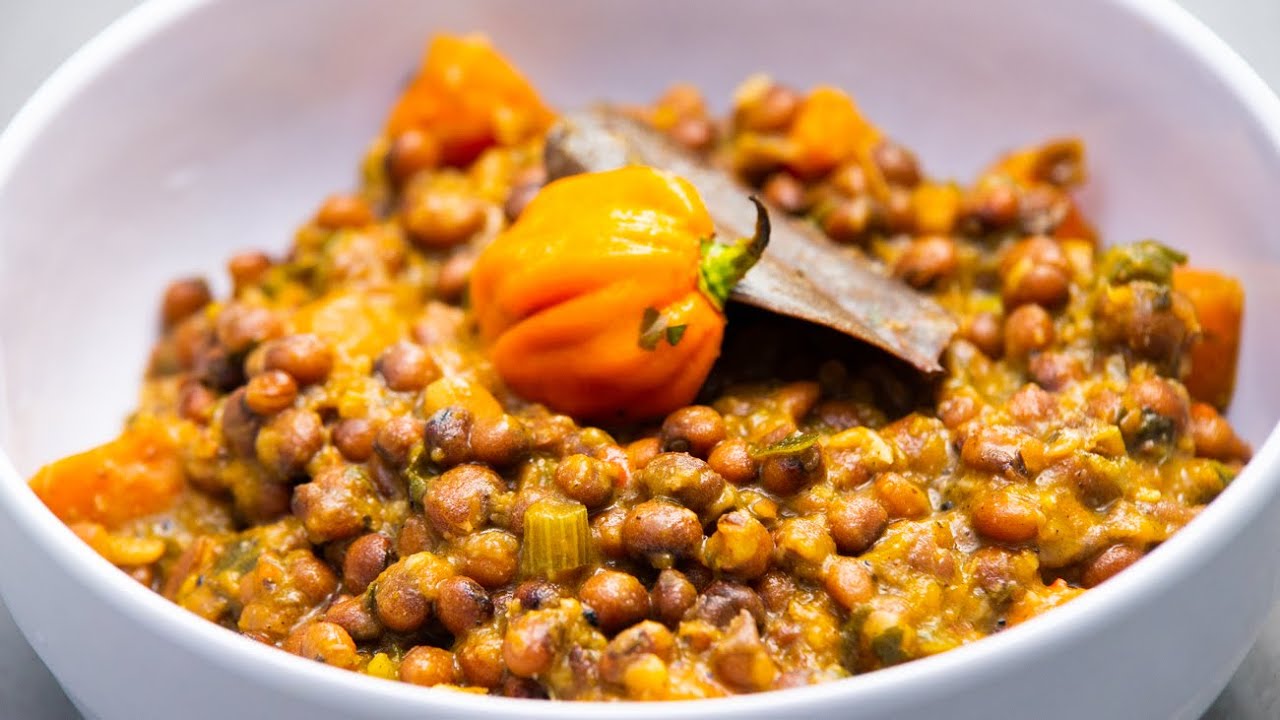
Stewed Pigeon Peas Recipe: If you’re craving a hearty, flavorful dish that wraps you in comfort with every bite, look no further than Stewed Pigeon Peas. This dish is a staple in many Caribbean, African, and Indian households, and it’s as versatile as it is delicious.
Whether you’re vegan, vegetarian, or looking for a filling plant-based meal, this recipe hits all the right notes. It’s earthy, rich, and incredibly satisfying. Think of it like a cozy hug in a bowl—warm, savory, and totally soul-soothing.
What Are Pigeon Peas?
Pigeon peas, also known as “gungo peas” in the Caribbean or “toor dal” in India, are small legumes that pack a punch when it comes to flavor and nutrition. They’re slightly nutty, have a firm texture, and absorb flavors beautifully—making them ideal for stews. You can find them dried, canned, or fresh (if you’re lucky enough to live in a tropical region). Apart from being tasty, pigeon peas are rich in protein, fiber, iron, and vitamins like folate. They’re a fantastic meat alternative and a must-have in every plant-based pantry.
Why You’ll Love This Stewed Pigeon Peas Recipe
So, what makes this recipe a must-try?
- Flavorful: Infused with herbs, spices, and sometimes coconut milk for richness.
- Nutritious: Packed with protein, fiber, and essential nutrients.
- Budget-Friendly: Uses pantry staples and affordable ingredients.
- Comforting: Perfect for rainy days or when you need a cozy meal.
- Customizable: Add veggies, meat, or spices to suit your taste.
Once you try it, this dish will earn a regular spot on your meal rotation. It’s that good.
Ingredients You’ll Need
Here’s your go-to shopping list for the perfect stewed pigeon peas:
- 1 ½ cups dried pigeon peas (or 2 cans, drained and rinsed)
- 2 tablespoons vegetable oil (or coconut oil)
- 1 onion, finely chopped
- 2-3 cloves garlic, minced
- 1 thumb-sized piece of ginger, grated
- 2 scallions, sliced
- 1 tomato, diced
- ½ teaspoon thyme (fresh or dried)
- ½ teaspoon black pepper
- 1 teaspoon paprika
- 1 teaspoon curry powder (optional for Caribbean twist)
- 1 cup coconut milk or vegetable broth
- Salt to taste
- Water as needed
Optional add-ins:
- Chopped pumpkin or sweet potato
- A handful of spinach or callaloo
- Scotch bonnet pepper (for heat)
Kitchen Tools Required
Let’s make sure you’ve got everything you need:
- Large saucepan or Dutch oven
- Wooden spoon
- Chopping board
- Knife
- Measuring cups and spoons
- Colander (for draining peas)
Optional but helpful:
- Pressure cooker or Instant Pot (for dried peas)
- Immersion blender (if you want a smoother texture)
Prepping Your Ingredients
Prep is key to nailing this recipe.
- Dried pigeon peas should be rinsed and soaked overnight. If using canned, drain and rinse them well to remove excess sodium.
- Chop all veggies before you start cooking. This will save time and ensure a smooth cooking process.
- Grate your garlic and ginger fresh for the best flavor—jarred versions just don’t hit the same.
Tip: If you’re short on time, canned pigeon peas are totally acceptable!
How to Cook Pigeon Peas (If Using Dried)
If you’ve got dried pigeon peas, here’s how to prep them:
- Soak overnight: In a large bowl, cover with water and soak for at least 8 hours.
- Drain and rinse: After soaking, drain the peas and give them a good rinse.
- Boil: Add peas to a large pot with 5 cups of water. Bring to a boil, then simmer for 60–75 minutes or until soft but not mushy.
- Drain again and set aside for stewing.
If you’re using a pressure cooker, you can cut that time down to about 20 minutes under pressure.
Step-by-Step Guide to Making Stewed Pigeon Peas
This is where the magic happens. Let’s break it down:
Step 1: Heat the Oil and Sauté Aromatics
Heat oil in a heavy-bottomed pot over medium heat. Add chopped onions, garlic, ginger, and scallions. Sauté until soft and fragrant, not browned. This gentle cooking releases natural sugars and forms the flavor base of the stew.
Cooking technique: Sautéing over medium heat prevents bitterness and keeps the aromatics sweet and balanced.
Step 2: Add Tomatoes and Herbs
Stir in chopped fresh tomatoes or canned crushed tomatoes along with thyme, bay leaf, and optional chili or Scotch bonnet. Cook until the tomatoes break down and the oil begins to separate slightly. This concentrates flavor and removes raw acidity.
Cooking technique: Allowing tomatoes to cook fully is key to a rich, well-rounded stew.
Step 3: Stir in Cooked Pigeon Peas
Add pre-cooked or canned pigeon peas (drained and rinsed). Stir well so the peas are fully coated in the tomato mixture. Let them cook for a few minutes to absorb the base flavors.
Cooking technique: Briefly sautéing the peas helps them take on seasoning rather than tasting bland.
Step 4: Simmer with Coconut Milk or Broth
Pour in coconut milk for a creamy, slightly sweet stew, or vegetable/chicken broth for a lighter version. Bring to a gentle simmer, not a boil. Cover and cook for 15–25 minutes, stirring occasionally.
Cooking technique: Low simmering allows flavors to meld without splitting the coconut milk.
Step 5: Season and Taste Test
Season with salt, black pepper, and optional spices like paprika or allspice. Taste and adjust—this is where the stew becomes yours. Balance salt, heat, and richness.
Step 6: Optional Add-ins (Pumpkin, Potatoes, Greens)
Add diced pumpkin or potatoes early in the simmer so they soften fully. Stir in leafy greens (spinach, kale, or callaloo) during the last few minutes so they stay vibrant.
Serve hot with rice, plantains, or flatbread. Hearty, nourishing, and full of soul 🌱🥘
Tips for the Perfect Stewed Pigeon Peas
Let’s talk about how to take your stewed pigeon peas from good to mind-blowing. Here are some tried-and-true tips:
- Don’t rush the aromatics: The longer you sauté your onion, garlic, and ginger, the more flavor you’ll build. Let them go golden, not just translucent.
- Use fresh herbs when possible: Fresh thyme or scallions really level up the flavor. Dried works too, but fresh gives it that bright finish.
- Coconut milk for creaminess: If you like your stew rich and silky, always go for full-fat coconut milk. It balances the earthy flavors of the peas beautifully.
- Simmer low and slow: The magic happens when everything simmers together and thickens naturally. A rushed stew never tastes as good.
- Don’t overcook the peas: You want them tender, not mushy. Especially if using canned, remember they’re already soft and just need to soak up flavor.
Pro tip: Make it a day ahead. Like most stews, this one tastes even better the next day as the flavors deepen.
Variations to Try
Want to mix it up? Here are a few tasty ways to make this dish your own:
1. Caribbean-Style
- Add coconut milk, all-purpose Caribbean seasoning, and a dash of browning sauce.
- Stir in chopped bell peppers and scotch bonnet pepper for extra flavor and heat.
2. Indian-Inspired
- Swap thyme for cumin seeds and garam masala.
- Use mustard seeds and a pinch of turmeric.
- Serve with basmati rice or roti.
3. Vegan Protein Boost
- Add lentils or chickpeas to the mix.
- Top with roasted tofu or tempeh.
4. Meat Lovers’ Twist
- Stir in stewed chicken, smoked turkey, or salted beef for a richer, more filling version.
5. One-Pot Meal
- Add rice directly into the pot and cook until the grains absorb the broth. Boom—dinner in one pot.
Whatever direction you choose, you’ll have a soul-satisfying, wholesome dish ready to enjoy.
How to Store and Reheat
This stew is perfect for meal prep and stores beautifully. Here’s how to do it right:
- Fridge: Store in an airtight container for up to 4–5 days.
- Freezer: Freeze in single-portion containers for up to 3 months. Let it cool completely before freezing.
- Reheat: Warm on the stove over medium heat or microwave in 1-minute bursts, stirring in between. Add a splash of water or broth if it gets too thick.
Bonus tip: Label your containers with the date so you don’t forget what’s what!
What to Serve with Stewed Pigeon Peas
You’ve got your rich, flavorful stew—now let’s make it a meal!
Classic Pairings
- Steamed white rice or rice and peas
- Jasmine or basmati rice
- Boiled dumplings or provisions (like yam, green banana, or cassava)
Breads to Scoop It Up
- Roti
- Paratha
- Hard dough bread
Side Dishes
- Sautéed spinach or callaloo
- Avocado slices
- Fresh garden salad with lime dressing
Want to get fancy? Try serving it in a bowl with a side of fried plantains for that sweet-savory combo. Trust me—chef’s kiss.
Health Benefits of Pigeon Peas
Not only are they delicious, but pigeon peas are also nutritional powerhouses. Here’s what you’re getting in every bite:
- Protein: A great plant-based source, especially for vegans and vegetarians.
- Fiber: Supports digestion and helps you feel full longer.
- Iron: Helps prevent anemia and supports overall energy levels.
- Folate: Essential for cell growth and particularly important for pregnant people.
- Low Glycemic Index: Helps regulate blood sugar levels.
Plus, this stew is naturally gluten-free, dairy-free, and can be made without added oil if you’re going for a whole-food, plant-based diet. Healthy eating never tasted so comforting.
FAQs about Stewed Pigeon Peas Recipe
Can I use canned pigeon peas?
Absolutely. They’re a great time-saver. Just drain and rinse them to remove extra sodium. They’re already cooked, so they only need to simmer briefly to soak up flavor.
What if I can’t find pigeon peas?
You can substitute with:
- Lentils
- Black-eyed peas
- Chickpeas
Just know the flavor and texture will be slightly different—but still tasty.
Fresh vs dried vs canned – which is best?
- Fresh: Amazing if you can find them! Sweet and earthy.
- Dried: Best for flavor and texture. Just soak and boil first.
- Canned: Most convenient. Use for quick meals.
Can I make this dish spicy?
Yes! Add scotch bonnet pepper, cayenne, or hot sauce. If cooking for kids or spice-sensitive folks, leave the heat out and let everyone spice their own bowl.
Can I use a slow cooker?
You sure can. Just sauté your aromatics first, then add everything into the slow cooker and let it go for 4–6 hours on low. Perfect for a lazy day meal prep.
Conclusion
There you have it—a complete, comforting, and flavorful Stewed Pigeon Peas recipe that you’ll keep coming back to. It’s simple, satisfying, and endlessly adaptable. Whether you’re cooking for a family dinner, meal prepping for the week, or simply craving a warm, hearty bowl of goodness, this dish delivers on every level.
Once you’ve mastered the basics, don’t be afraid to get creative. Add your favorite veggies, experiment with spices, or throw in some meat if you like. Either way, it’s going to be delicious.
So grab those pigeon peas and let’s get stewing. Your belly—and your taste buds—will thank you.