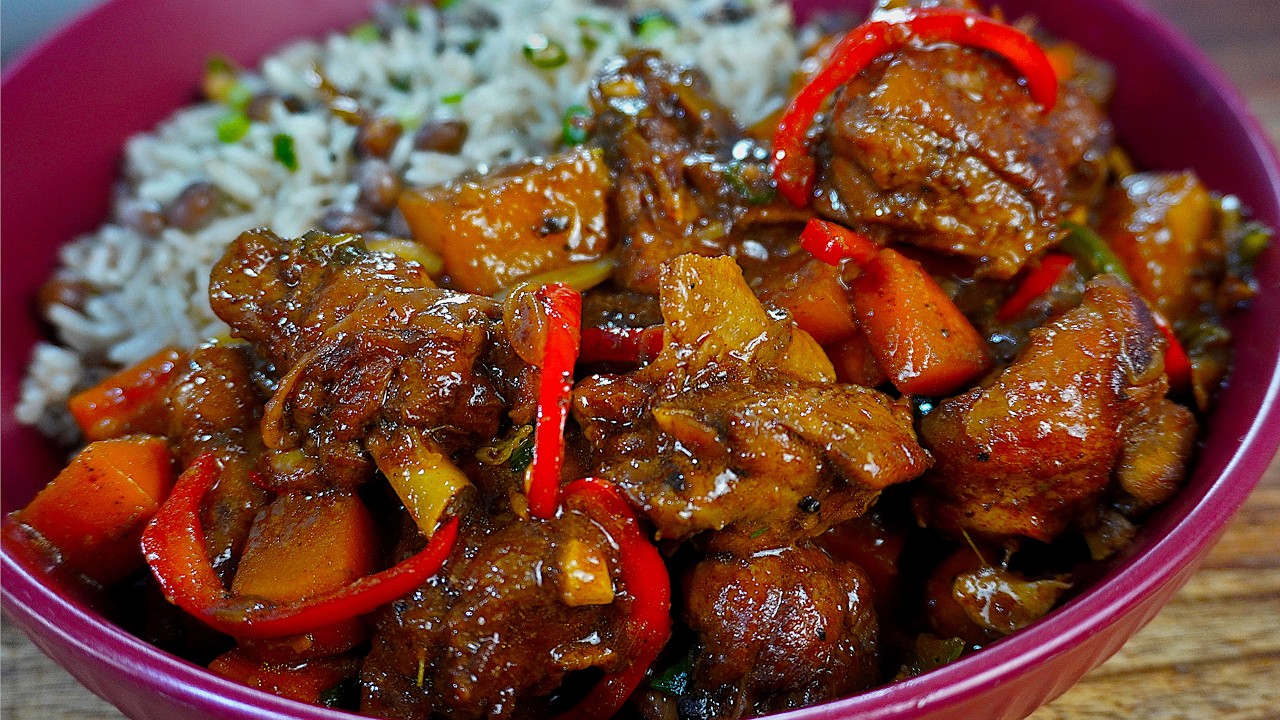
Stew Chicken Recipe: If you’ve ever had that rich, deeply flavored, fall-off-the-bone chicken in a thick savory sauce that warms your soul, then you’ve probably tasted a good stew chicken. This dish is a comfort food classic in many cultures—from the Caribbean to Africa to the Southern United States. The magic of stew chicken lies in its simplicity, adaptability, and the way it turns basic pantry ingredients into something truly mouthwatering.
Whether you’re a beginner cook or a seasoned pro, this step-by-step guide will help you cook stew chicken like a boss. We’re talking tender meat, layers of flavor, and a meal that’ll have everyone asking for seconds. So roll up your sleeves, grab a pot, and let’s get started.
List of Ingredients You’ll Need
Getting your ingredients ready is key to a smooth cooking process. Here’s everything you’ll need to make a classic, flavorful stew chicken that you can easily customize to your taste.
Basic Ingredients for Classic Stew Chicken
These are the essential building blocks of any good stew chicken:
- Chicken pieces – Bone-in, skin-on thighs and drumsticks are best for flavor, but you can use boneless cuts too.
- Onion – A medium or large yellow or red onion, diced.
- Garlic – Freshly minced garlic cloves (about 3-4).
- Ginger – Optional, but adds warmth and complexity.
- Bell Peppers – Green or red, sliced thin.
- Tomatoes or Tomato Paste – For depth and color. Use fresh tomatoes or a tablespoon or two of paste.
- Carrots and Potatoes – Optional, but they bulk up the dish and absorb flavor beautifully.
Seasonings and Herbs
Spices are what give stew chicken its soul. Don’t be shy with them!
- Salt and Black Pepper – Start with a pinch and adjust later.
- Paprika – Adds color and mild smokiness.
- Thyme – Fresh or dried, it’s a must-have herb in stews.
- Curry Powder – For a subtle earthiness and warmth.
- Allspice or Jamaican Seasoning – Totally optional, but brings an island-style kick.
- Bay Leaves – 1 or 2 for that classic stew aroma.
Liquids and Add-ons
You need some kind of liquid to stew the chicken in and carry all the flavors.
- Chicken Broth or Water – Enough to cover the chicken halfway.
- Soy Sauce or Worcestershire Sauce – Boosts umami.
- Oil – For browning; vegetable, olive, or coconut oil works fine.
Optional Add-ins for Custom Flavor
Want to level up your stew? Add one or two of these:
- Scotch Bonnet or Chili Pepper – If you like it spicy!
- Coconut Milk – A Caribbean favorite that makes the stew creamy.
- Fresh Herbs – Parsley or cilantro at the end for freshness.
Step-by-Step Guide to Making Stew Chicken
Let’s dive into the juicy part—the actual cooking process. Follow these steps closely, and you’ll end up with a rich, savory chicken stew that’ll wow anyone who tries it.
Step 1: Prepare the Chicken
Cut the chicken into serving pieces and rinse thoroughly. Pat dry, then marinate with salt, black pepper, paprika, garlic, and a little oil. Let it sit for at least 30 minutes so the flavor penetrates the meat.
Step 2: Chop and Prep the Vegetables
Dice onions, garlic, bell peppers, carrots, and potatoes. Cut vegetables into similar sizes to ensure even cooking and prevent some pieces from turning mushy.
Step 3: Sear the Chicken
Heat oil in a heavy pot over medium-high heat. Add the chicken and brown on all sides. Searing locks in moisture and builds deep flavor for the stew. Remove and set aside.
Step 4: Sauté the Aromatics
In the same pot, add onions, garlic, and peppers. Sauté until softened and fragrant, scraping up browned bits from the pan.
Step 5: Add Seasonings and Tomato Base
Stir in tomato paste, thyme, curry powder or paprika, bay leaf, and chili if using. Cook for 2–3 minutes until the mixture darkens and smells rich—this step intensifies flavor.
Step 6: Deglaze the Pan
Pour in broth or water and scrape the bottom of the pot to release all the caramelized flavors into the stew.
Step 7: Simmer Low and Slow
Return the chicken to the pot. Cover and simmer on low heat for 25–30 minutes until the chicken is tender and infused with sauce.
Step 8: Add Vegetables
Add carrots and potatoes, cover, and simmer until just tender. Avoid overcooking to keep their texture intact.
Step 9: Taste and Adjust Seasoning
Taste the stew and adjust salt, spices, or heat to suit your preference.
Step 10: Serve and Garnish
Serve hot with rice, bread, or salad. Garnish with fresh herbs like parsley or thyme before serving.
Pro Tips for the Perfect Stew Chicken
- Marinate Overnight – If time allows, this takes your stew to the next level.
- Don’t Skip the Browning – That’s where the depth of flavor starts.
- Simmer Gently – High heat can make chicken tough. Low and slow keeps it juicy.
- Don’t Overcrowd the Pot – If you’re doubling the recipe, use a wider pan or cook in batches.
- Thicken Naturally – Simmer with the lid off if your stew is too watery. Or mash a few potatoes right into the sauce.
Variations of Stew Chicken Around the World
One of the best things about stew chicken is how versatile it is. Just about every culture has its own version of this beloved dish, and each brings something unique to the table. Whether you’re sticking to tradition or adding your own twist, there’s no wrong way to enjoy stew chicken.
Caribbean Stew Chicken
Caribbean-style stew chicken—especially from Jamaica, Trinidad, and Barbados—is known for its deep flavor and bold spices. These versions often use:
- Browning sauce or burnt sugar to give the stew a rich, dark color
- Scotch bonnet peppers for heat
- Green seasoning (a blend of herbs like thyme, parsley, and scallion)
- Coconut milk (optional but common in some islands)
It’s sweet, savory, spicy, and packed with herbal flavors. Usually served with rice and peas or ground provisions like yams and plantains.
African Chicken Stew
In West African countries like Nigeria and Ghana, chicken stew takes on a tomato-rich base with plenty of aromatics. Key ingredients include:
- Fresh blended tomatoes, peppers, onions
- Garlic and ginger
- Maggi cubes for seasoning
- Palm oil or vegetable oil
These stews are vibrant red, thick, and often served with jollof rice, fufu, or steamed white rice.
Southern American Chicken Stew
Down South in the U.S., chicken stews are more comforting and creamy:
- Chicken is simmered with potatoes, corn, and sometimes cream or milk
- Flavored with herbs like rosemary and thyme
- Often served with biscuits or cornbread
This version is more rustic and perfect for cozy winter nights.
Asian Chicken Stews
In Asian-style chicken stews, soy sauce, ginger, and garlic take the spotlight. Chinese and Filipino variations include:
- Soy-based sauces with rice wine or vinegar
- Sugar or honey for a sweet contrast
- Star anise or five-spice for added aroma
These are usually served with rice or noodles and have a glossy, thick sauce.
Wherever you’re from, there’s a stew chicken recipe that fits your style—or inspires you to create your own.
Storage and Reheating Tips
You made a delicious stew—now let’s talk about how to store and enjoy it later. One of the beauties of stew chicken is that it tastes even better the next day as the flavors deepen.
How to Store:
- In the fridge: Allow the stew to cool completely. Store in an airtight container for up to 4 days.
- In the freezer: Transfer to freezer-safe containers or bags. Freeze for up to 3 months.
Be sure to label with the date so you don’t forget what’s in there!
How to Reheat:
- On the stove: Pour the stew into a pot, add a splash of water or broth, and reheat over medium-low heat, stirring occasionally until hot.
- In the microwave: Use a microwave-safe container, cover loosely, and heat in 1-minute intervals, stirring between each.
Avoid overheating or using high heat, especially in the microwave, which can dry out the chicken.
Common Mistakes to Avoid
Even a simple dish like stew chicken can go wrong if you’re not careful. Here are some of the most common mistakes—and how to avoid them:
1. Not Browning the Chicken First
Searing adds flavor and improves texture. Don’t skip it! Sautéing your chicken before stewing gives it a deep, rich taste you just can’t get otherwise.
2. Overseasoning or Underseasoning
Start light, and taste as you go. Every broth, seasoning mix, and soy sauce is different in saltiness. Add little by little and always test before serving.
3. Using the Wrong Cut of Chicken
Boneless chicken breasts can work, but they don’t bring as much flavor. Bone-in thighs or drumsticks are best for stewing—they hold up well and get super tender.
4. Rushing the Simmering Time
Stew is not a 10-minute dish. It needs time for flavors to come together and the chicken to become fall-off-the-bone tender. Keep it low and slow.
5. Adding Veggies Too Early
Adding vegetables like carrots or potatoes too early can make them mushy. Toss them in about halfway through to keep their texture right.
Avoiding these simple mistakes ensures your stew chicken turns out mouthwateringly perfect every time.
FAQs about Stew Chicken Recipe
1. Can I make stew chicken in a slow cooker?
Yes! Just brown your chicken and sauté the aromatics first, then transfer everything to a slow cooker. Cook on low for 6–8 hours or on high for 3–4 hours.
2. What’s the best cut of chicken for stewing?
Bone-in thighs and drumsticks are the best. They’re juicy, flavorful, and don’t dry out during the long cooking process.
3. Can I make this dish ahead of time?
Absolutely. Stew chicken tastes even better the next day. Just store it in the fridge and reheat gently before serving.
4. How do I thicken the stew if it’s too watery?
Let it simmer uncovered to reduce the liquid. You can also mash a few pieces of potato or add a spoonful of cornstarch mixed with water.
5. What can I serve with stew chicken besides rice?
Try mashed potatoes, quinoa, couscous, dumplings, or even crusty bread for sopping up all that delicious sauce.
Conclusion
There you have it—the ultimate stew chicken recipe, broken down step by step. This dish is a celebration of bold flavors, tender meat, and comforting home-cooked goodness. Whether you’re craving a Caribbean-style spicy version, a rich African tomato base, or just a classic one-pot meal to warm your soul, stew chicken has you covered.
From marinating the chicken to building layers of flavor in the pot, every step plays a role in turning simple ingredients into a show-stopping meal. It’s the kind of dish that fills your kitchen with amazing smells, your plate with warmth, and your heart with comfort.
So go ahead—grab that pot, follow the steps, and get cooking. You’re about to make the kind of dinner that people talk about for days.