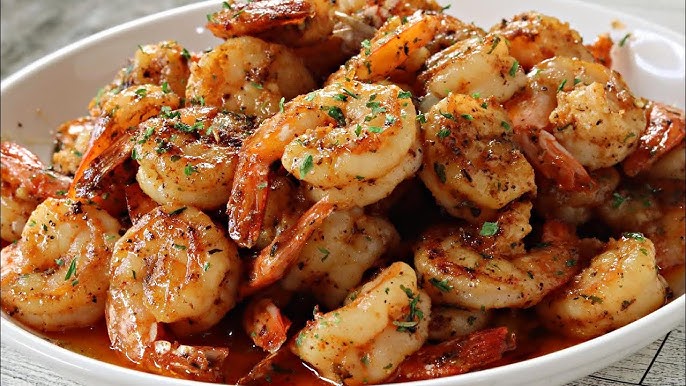
Steamed Shrimp Recipe: Steamed rice is one of those magical dishes that’s simple yet essential. Whether you’re sitting down to a hearty curry, a spicy stir-fry, or a comforting bowl of soup, there’s one thing that often pulls it all together: a scoop of perfectly steamed rice. From Asia to Africa, Latin America to the Middle East, rice is the heartbeat of millions of kitchens—and for good reason.
Why is it so beloved? Because it’s affordable, versatile, and satisfying. You can dress it up or keep it plain. You can make it the star of the show or let it play backup to bolder flavors. And when it’s done right—when every grain is soft, separate, and fluffy—it’s absolute comfort food perfection.
In this guide, you’re going to learn everything you need to know to make perfect steamed rice, every time. We’re not talking about soggy, sticky messes or undercooked bites. We’re talking about tender, fluffy grains that almost melt in your mouth.
What Makes Steamed Rice Different?
You might be wondering: isn’t all cooked rice just steamed? Not quite. There’s a difference between boiled rice, fried rice, and steamed rice. Boiled rice is often submerged in excess water and drained after cooking. Fried rice is usually stir-fried with oil and seasonings. But steamed rice? It cooks in just the right amount of water—absorbing every drop, locking in the nutrients and flavors.
Steaming helps retain the rice’s natural texture and taste without adding fat or requiring fancy techniques. It’s the most traditional and pure way to prepare rice—and surprisingly easy once you get the steps right.
So let’s dive into the basics before we start cooking.
List of Ingredients You’ll Need
Before we start the cooking process, let’s get our ingredients ready. You don’t need much—just a few basics.
Basic Ingredients
- 1 cup of uncooked rice (white, jasmine, basmati, or your choice)
- 1½ to 2 cups of water (depending on the rice type)
- ½ teaspoon of salt (optional, but recommended)
Optional Add-ons for Flavor
- 1 teaspoon of oil or butter (for aroma and texture)
- Bay leaf, cloves, or cardamom pods (especially for basmati rice)
- 1 cup of vegetable or chicken broth (to replace water for more flavor)
That’s it. You don’t need an exotic pantry or hard-to-find ingredients to make great steamed rice. But choosing the right rice type does matter, so let’s talk about that next.
Equipment You’ll Need
You can steam rice with just a pot and a lid, but if you have a rice cooker or steamer, even better. Here’s what can help:
Stove-Top Setup
- Medium saucepan with a tight-fitting lid
- Wooden spoon or fork for fluffing
Rice Cooker (Optional)
- Automatic shut-off and “warm” setting make life easier
Other Helpful Tools
- Fine mesh strainer (for rinsing)
- Measuring cup
- Kitchen timer or phone timer
Even if you don’t have fancy appliances, don’t worry. This guide covers all cooking methods so you can work with what you’ve got.
Different Types of Rice for Steaming
Not all rice is created equal. Some types need more water, some need less. Here’s how to choose the right one for your recipe:
White Rice (Long Grain, Jasmine, Basmati)
This is the most common choice for steamed rice. It cooks quickly and results in light, fluffy grains.
- Jasmine has a fragrant aroma and soft texture
- Basmati is firmer and ideal for Indian or Middle Eastern dishes
Brown Rice
Brown rice has more fiber and a nutty taste. It takes longer to cook and needs more water, but the health benefits are worth it.
Sticky Rice (Glutinous Rice)
Popular in Thai and Lao cuisine, sticky rice is soaked and then steamed in a bamboo basket. It’s not ideal for all dishes, but perfect for dipping sauces and mango desserts.
Knowing your rice type helps you tweak the cooking time and water ratio just right.
Step-by-Step Guide to Making Perfect Steamed Rice
This is the heart of the recipe. Let’s go step by step so you never have to guess again.
Step 1: Measure Your Rice
Use a standard measuring cup. One cup of uncooked rice yields about 3 cups cooked—plenty for 2-3 servings. Make sure to level off the cup for accuracy.
Step 2: Rinse the Rice Thoroughly
Don’t skip this step! Rinsing removes excess starch, which can cause your rice to turn gummy. Use a fine mesh strainer and run cold water over the rice, swishing it around with your hand until the water runs clear.
Step 3: Soak the Rice (Optional)
If you have time, soak the rice in water for 15–30 minutes before cooking. This helps it cook evenly and makes the grains more tender—especially for jasmine or basmati rice.
Step 4: Measure the Right Water Ratio
Here’s the golden rule:
- White rice: 1 cup rice to 1½ cups water
- Brown rice: 1 cup rice to 2¼ cups water
- Sticky rice: soak and steam without extra water
Always adjust depending on your altitude and rice type.
Step 5: Cook the Rice
On the stove:
Bring the water and rice to a gentle boil over medium heat. Once it starts bubbling, reduce the heat to low, cover the pot tightly, and let it simmer for 18–20 minutes.
In a rice cooker:
Add the rinsed rice and measured water. Close the lid, press “cook,” and let the machine do its job.
Step 6: Let It Rest After Cooking
Turn off the heat and let the rice sit, covered, for 5–10 minutes. This gives the steam time to finish cooking the rice and makes it fluffier.
Step 7: Fluff the Rice Before Serving
Use a fork or wooden spoon to gently fluff the rice. This separates the grains and releases excess steam. Avoid smashing the rice!
Tips and Tricks for Fluffy Steamed Rice
Making steamed rice isn’t just about following the steps—it’s about mastering the little tricks that elevate it from average to amazing. Here are some tried-and-true tips that can help you avoid sticky or undercooked rice:
1. Never Stir While Cooking
It’s tempting to check on your rice or give it a stir, especially if you’re unsure about the water levels. Don’t do it! Stirring while the rice is cooking activates the starches, leading to gummy or clumpy results.
2. Use a Tight-Fitting Lid
Steam is your best friend in this process, and if it escapes, your rice can dry out or cook unevenly. Use a lid that seals well and don’t lift it until it’s done resting.
3. Let It Rest
This is the golden rule. Always give your rice time to rest off the heat—at least 5–10 minutes. This allows the grains to finish absorbing moisture and firm up slightly, making them easier to fluff and serve.
4. Use a Fork to Fluff
A fork keeps the rice grains intact and separates them better than a spoon or spatula, which can smash and clump them.
5. Use Broth for More Flavor
Instead of water, try using chicken or vegetable broth. It adds a savory depth that plain water just can’t match, and it works especially well for rice served with grilled meats or roasted vegetables.
These small habits can transform your rice game, helping you serve up fluffy, delicious rice every time.
How to Steam Rice Without a Rice Cooker
If you don’t own a rice cooker, don’t worry—you can still make perfect rice using the stove or even a steamer setup.
Using a Pot on the Stove
- Rinse and soak the rice.
- Add rice and water to the pot using the correct ratio.
- Bring to a boil uncovered over medium heat.
- Once it starts boiling, reduce heat to low and cover with a tight-fitting lid.
- Cook for 18–20 minutes (white rice) or 40–45 minutes (brown rice).
- Remove from heat and let it sit, covered, for 10 minutes.
- Fluff with a fork and serve.
Double Boiler Method
You can also steam rice using a heat-safe bowl inside a steamer:
- Rinse and soak the rice.
- Place rice and water in a bowl that fits in your steamer or above boiling water.
- Cover the bowl with foil or a lid.
- Steam for 40–50 minutes (refill water as needed).
- Fluff and serve.
This method takes longer but is ideal for sticky rice or when cooking multiple dishes at once.
How to Steam Rice With a Rice Cooker
Rice cookers make everything easier—and they’re consistent. Here’s how to use one like a pro:
Basic Steps:
- Rinse the rice until the water is clear.
- Place rice and water in the inner pot using the correct ratio.
- Add salt or seasoning, if desired.
- Close the lid and press the “cook” button.
- Wait for the switch to flip to “warm” mode (usually takes 10–20 minutes).
- Let the rice rest for another 5–10 minutes before fluffing.
Bonus Tips:
- Wipe the bottom of the rice pot before placing it in the cooker to prevent sticking.
- Don’t open the lid mid-way through; it interrupts the cooking process.
- Some rice cookers have settings for brown rice—use them!
How to Steam Rice in the Microwave
Need rice fast? Microwave it! This method works great when you’re short on time.
Steps to Microwave Steamed Rice:
- Rinse and soak 1 cup of rice.
- Place rice and 1.5 cups of water in a large microwave-safe bowl.
- Cover with a vented microwave lid or a plate (leave a small gap for steam).
- Microwave on high for 10 minutes, then on medium for another 10 minutes.
- Let it rest for 5 minutes, then fluff and serve.
Make sure the bowl is big enough to handle the expansion and prevent boiling over. You’ll be surprised how effective this is!
How to Add Flavor to Steamed Rice
Rice doesn’t have to be boring. Here’s how to jazz it up without making it complicated:
1. Use Broth Instead of Water
Replace water with chicken, beef, or veggie broth. It instantly boosts the taste and gives your rice a richer profile.
2. Add Aromatics
Throw in a clove of garlic, a few slices of ginger, or a bay leaf. Even a couple of cardamom pods can add a subtle yet delicious aroma.
3. Infuse with Herbs and Spices
- Turmeric for golden color and earthy notes
- Cumin seeds for a nutty, smoky flavor
- Fresh herbs like cilantro or parsley added after cooking for freshness
4. Mix in Veggies
Frozen peas, carrots, or corn can be added during the last few minutes of cooking to make it a more complete side dish.
5. A Touch of Acid
A squeeze of lemon or a splash of rice vinegar at the end adds brightness and balances the flavors.
How to Store and Reheat Steamed Rice
Leftover rice? Don’t let it go to waste—just store it right.
Storing:
- Fridge: Place rice in an airtight container and store it for up to 4–5 days.
- Freezer: Cool rice completely, then store in ziplock bags or airtight containers for up to 2 months.
Reheating Tips:
- Microwave: Add a splash of water and cover with a damp paper towel. Heat in 1-minute intervals, fluffing in between.
- Stove: Add a few tablespoons of water to a pan with rice. Cover and heat on low until warmed through.
- Steam: Place rice in a steamer basket, steam over boiling water for 5–10 minutes.
Always make sure rice is heated thoroughly before eating. Never reheat rice more than once to avoid food safety issues.
How to Pair Steamed Rice with Meals
Steamed rice is one of the most versatile foods out there. Here are some ideas to match it up:
Perfect With:
- Curries: Chicken tikka masala, Thai green curry, or Japanese katsu.
- Stir-fries: Beef and broccoli, sweet and sour tofu, or shrimp fried rice.
- Grilled Meats: Teriyaki chicken, kebabs, or BBQ ribs.
- Soups: Miso soup, hot and sour, or a hearty stew.
Turn It Into a Meal:
- Rice bowls with proteins, veggies, and sauces.
- Sushi rolls with sticky rice.
- Stuffed bell peppers with seasoned rice.
No matter what you’re cooking, steamed rice fits right in.
Nutritional Value of Steamed Rice
Here’s a quick breakdown of what you’re eating:
| Type | Calories (1 cup cooked) | Carbs | Fiber | Protein |
|---|---|---|---|---|
| White Rice | ~205 | 45g | 0.6g | 4g |
| Brown Rice | ~215 | 45g | 3.5g | 5g |
| Jasmine Rice | ~238 | 45g | 0.7g | 4.3g |
Brown rice is higher in fiber and protein, making it a better choice for those focused on nutrition. White rice, on the other hand, is easier to digest and quicker to cook.
Bonus Pro Tips for Making the Best Steamed Rice Ever
These tips come from years of trial, error, and watching expert home cooks around the world.
1. Use Your Hands to Measure Water (Asian Style Tip)
Many experienced cooks use the “first knuckle method” to measure water. After leveling the rice in the pot, place your fingertip on the surface of the rice and fill water until it reaches your first knuckle. It works surprisingly well, especially for long-grain varieties.
2. Add Oil for Separation
A few drops of oil or a small dab of butter can help keep grains separate, especially for stovetop cooking. It also gives the rice a subtle sheen and pleasant mouthfeel.
3. Avoid Metal Spoons for Fluffing
Using metal spoons can smash delicate rice grains. Always go for a wooden spoon or fork when fluffing for the best texture.
4. Don’t Rush It
Letting the rice rest after cooking allows trapped steam to redistribute. This gives the grains time to firm up and enhances overall fluffiness.
Quick Rice Cooking Reference Chart
| Rice Type | Water Ratio | Soaking Time | Cook Time (Stove) | Rest Time |
|---|---|---|---|---|
| White (Basmati) | 1:1.5 | 20–30 mins | 15–18 mins | 10 mins |
| Jasmine | 1:1.75 | Optional | 15–17 mins | 10 mins |
| Brown Rice | 1:2.25 | 45 mins | 35–45 mins | 10 mins |
| Sticky Rice | Soak & Steam | 4–6 hours | 40–50 mins (steamed) | 10 mins |
Use this chart as a handy guide to avoid guesswork next time you’re making steamed rice.
Printable Recipe Card: Basic Steamed Rice
Prep Time: 5 mins
Cook Time: 20 mins
Rest Time: 10 mins
Serves: 3
Ingredients:
- 1 cup white rice (jasmine or basmati)
- 1½ cups water
- ½ tsp salt (optional)
- 1 tsp oil or butter (optional)
Instructions:
- Rinse the rice under cold water until the water runs mostly clear.
- Soak (optional): Let the rice soak in water for 20–30 minutes, then drain.
- Add to pot: Combine rice, water, and salt/oil in a medium saucepan.
- Boil: Bring to a gentle boil uncovered.
- Simmer: Reduce heat to low, cover tightly, and let it cook undisturbed for 15–18 minutes.
- Rest: Turn off heat and let it sit, covered, for 10 minutes.
- Fluff and serve using a fork. Enjoy!
Top Dishes to Serve With Steamed Rice
Not sure what to pair with your fluffy rice? Try one of these global favorites:
- Indian Butter Chicken – rich and creamy
- Thai Green Curry – spicy and fragrant
- Japanese Teriyaki Chicken – sweet-savory goodness
- Chinese Stir-Fried Vegetables – quick and healthy
- Caribbean Jerk Chicken – bold and smoky
- Moroccan Tagine – full of warm spices
FAQs about Steamed Shrimp Recipe
1. Why is my rice always sticky or mushy?
Most likely, it’s because of too much water or not rinsing the rice before cooking. Always wash your rice and measure your water properly.
2. Do I have to soak rice before cooking?
Not necessarily, but soaking helps improve texture and reduce cooking time, especially for basmati or brown rice.
3. Can I freeze steamed rice?
Yes! Let it cool completely, then store in a freezer-safe container. It lasts up to 2 months and reheats well.
4. What’s the best rice for steaming?
Long grain white rice like jasmine or basmati works great. Each type has different water needs, so adjust accordingly.
5. How do I keep rice warm without drying it out?
Keep it in a rice cooker on “warm” or in a covered dish in the oven at a low temp. Add a splash of water to prevent drying.
Final Thoughts
Mastering the art of steamed rice is like learning how to ride a bike—once you get it right, you’ll never forget. Whether you’re making a simple weeknight meal or serving guests, having this skill in your culinary toolbox means you’ll never stress over soggy, undercooked, or flavorless rice again.
Stick with the steps, rinse well, measure accurately, and always let it rest. Whether you’re going the traditional stovetop route or using your favorite rice cooker, you’re now fully equipped to make restaurant-quality steamed rice at home.
So go ahead—plate it up, pair it with your favorite dishes, and enjoy every fluffy, steamy bite.