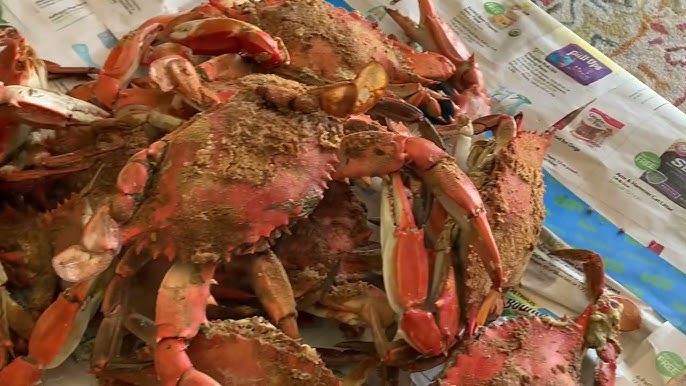
Steamed Blue Crabs Recipe: If you’ve ever sat down with a tray of hot, steaming blue crabs, then you already know: it’s not just a meal—it’s an experience.
From the pop of Old Bay seasoning to the sweet, tender meat tucked away in each shell, steamed blue crabs are a celebrated tradition, especially along the East Coast. These crustaceans are the heart of summer cookouts, family gatherings, and seafood feasts.
But here’s the truth—not everyone knows how to make them right. It’s more than tossing crabs in a pot; it’s about creating layers of flavor, timing it just right, and knowing a few kitchen secrets that take your crab game to the next level.
What Makes This Recipe Stand Out
This isn’t just another crab recipe. It’s your go-to guide for nailing the perfect steamed blue crab, every single time. We’re talking about tender meat that practically slides out of the shell, seasoning that clings in all the right places, and that unmistakable aroma of summer on the shore. Whether you’re new to seafood or a seasoned pro, this step-by-step guide is packed with tips, flavor hacks, and foolproof techniques. Ready to dive in? Let’s crab!
List of Ingredients You’ll Need
When it comes to steaming blue crabs, keeping things simple is key. You want fresh ingredients that highlight the crab’s natural sweetness without overpowering it. Here’s everything you’ll need to pull off this classic recipe:
Main Ingredients
- 1 dozen live blue crabs (make sure they’re feisty!)
- 1 cup apple cider vinegar
- 1 cup water
- 1 can (12 oz) beer – preferably a lager or pale ale
- 1/2 cup Old Bay seasoning (or more to taste)
Optional Add-Ons
- 1 lemon, sliced
- 1 medium onion, sliced
- 4–6 cloves garlic, smashed
- Extra Old Bay for sprinkling between layers
These extras aren’t mandatory, but trust me—they add depth and aroma that really elevate the final dish. If you like your crabs zesty, toss in the lemon. Love that rich, savory flavor? Garlic and onions are your friends.
What Makes This Ingredient List Special
You don’t need fancy stuff here. The magic is in the mix of steam, spice, and timing. Beer adds flavor and helps break down the shells just enough for easy cracking. Vinegar tenderizes the meat while amping up the tang. Old Bay? Well, it’s the soul of the dish. Add more if you’re bold, and don’t be afraid to get creative with extra seasonings.
Tools & Equipment Required
Before you get started, gather your gear. A successful crab feast starts with the right tools:
- Large steamer pot with lid (at least 16–20 quarts)
- Steaming rack or basket to keep crabs out of the liquid
- Crab mallet or nutcracker
- Tongs for safe handling
- Oven mitts or gloves (steam burns are no joke)
- Large serving tray or newspaper-lined table (for that authentic vibe)
- Small bowls for dipping sauces
Don’t skip the steamer basket! This keeps the crabs from boiling, which is a totally different taste and texture. You want moist heat, not a crab soup.
How to Choose Fresh Blue Crabs
Not all crabs are created equal. When you’re buying blue crabs, quality makes or breaks your meal.
Live vs. Pre-Cooked
Always go for live crabs. They should be active, not sluggish. Once crabs die, the meat deteriorates fast, affecting flavor and safety.
Male vs. Female
- Males (“Jimmies”) have more meat and are usually preferred for steaming.
- Females (“Sooks”) have roe, which some people love—but it’s more of a niche taste.
What to Avoid
- Crabs that smell off or have limp claws.
- Crabs missing legs or claws—they’re weaker and older.
- Crabs that aren’t moving at all. Even in cold temps, they should twitch when touched.
The fresher the crab, the better the final flavor. If you’re buying from a market, don’t be afraid to ask the seller when they were caught. Trust your nose and eyes—fresh crabs have a slightly briny smell, not fishy or sour.
Prepping the Crabs Before Steaming
Now that you’ve got your crabs, it’s time to prep. This part can feel a little intimidating at first, especially since you’re dealing with live creatures. But don’t worry—it’s all about being quick and confident.
Handling Live Crabs Safely
- Always grab crabs from the back to avoid claws.
- Use tongs or wear gloves if you’re nervous.
- Place them in a cooler with ice to calm them down before cooking.
Cleaning (Optional)
Some people like to clean their crabs before steaming, especially if they plan to use the meat for other dishes. But for traditional steamed crabs, don’t clean them first. That’s part of the fun when you’re eating.
However, if you insist on a cleaner meal:
- Rinse them briefly under cold water to remove mud.
- Skip removing shells, gills, or anything else—that’s for after cooking.
Next up, let’s dive into the actual steaming process—where all the real magic happens.
Step-by-Step Guide to Steaming Blue Crabs
This is the heart of the recipe—the part where flavors build and your kitchen starts to smell like a coastal crab shack. Steaming is better than boiling because it keeps the meat tender, juicy, and flavorful. Follow these steps closely, and you’ll get perfect steamed blue crabs every time.
Step 1: Prepare the Crabs
Rinse the blue crabs thoroughly under cold running water to remove sand and debris. If they’re alive, keep them chilled on ice until you’re ready to cook—this keeps them calm and fresh.
Step 2: Set Up the Steamer
Place a steamer rack or basket inside a large pot. Add water, beer, or a mix of water and vinegar—just enough so it stays below the rack. Bring the liquid to a rolling boil.
Step 3: Season Generously
Sprinkle a bold seafood seasoning (like Old Bay-style spice) over the crabs. Don’t be shy—steamed crabs rely on seasoning for flavor since they aren’t submerged in liquid.
Step 4: Steam the Crabs
Carefully layer the crabs on the rack, cover the pot tightly, and steam for 15–20 minutes. Halfway through, sprinkle more seasoning for extra punch. Crabs are done when shells turn bright red.
Step 5: Serve Hot
Remove the crabs carefully using tongs. Serve immediately with melted butter, lemon wedges, and extra seasoning. Crack, dip, and enjoy while they’re hot for the best flavor.
That’s it—simple, classic, and packed with coastal flavor! 🦀
Important Tips
- Don’t overcrowd the pot—steam needs room to circulate.
- Check the liquid level halfway through; add a bit more beer or water if it gets low.
- Avoid peeking too much! Lifting the lid too often lets steam escape and messes with the timing.
This steaming method infuses the crabs with flavor, cooks them evenly, and keeps the meat super moist and tender. Plus, your whole kitchen will smell incredible!
Secret Pro Tips for Perfectly Steamed Crabs
Want to take your crab game to the next level? Here are some tried-and-true secrets from seasoned seafood lovers:
Use Beer for Bold Flavor
While some stick to plain water and vinegar, adding beer gives your crabs a slightly malty, rich flavor. Choose a lager or ale—something not too bitter.
Don’t Skimp on the Seasoning
Old Bay isn’t just for taste—it also creates that signature crust on the crab shells. Go heavy-handed if you love spice, and even sprinkle some into the steaming liquid for extra flavor infusion.
Lemon, Garlic, and Onions Add Aroma
Even if you don’t eat them, adding a few slices of lemon, a handful of smashed garlic cloves, and some onion rings between layers of crabs boosts the aroma and infuses flavor during the steam.
Prep Everything Before You Start
Once the crabs hit the pot, things move fast. Make sure your tools, side dishes, and sauces are ready before the cooking begins.
Serve Immediately
Steamed crabs are best eaten hot. The moment they come out of the pot, they’re at their juiciest. Let them rest for just a few minutes, then dive in.
How to Know When the Crabs Are Done
Getting the timing right is critical. Overcooked crabs become rubbery and dry, while undercooked crabs can be unsafe and unpleasant.
Signs of Perfectly Steamed Crabs
- Shell color: Turns a deep vibrant orange-red
- Aroma: A mouthwatering, briny-sweet seafood smell fills the air
- Meat texture: Firm, white, and opaque—not translucent or watery
Pro Tip: Check the Claws
The claw joints will loosen slightly when the meat is fully cooked. If they still seem stiff, give the crabs a few more minutes.
For most medium-sized crabs, 25 minutes is the sweet spot. But always factor in how full your pot is and the size of your crabs.
How to Serve Steamed Blue Crabs
Now comes the fun part—digging in!
Serving Presentation Ideas
- Spread newspaper or brown paper over your table for easy cleanup.
- Pile crabs high on a large tray or platter and bring them right to the table.
- Serve with small bowls of dipping sauces, lots of napkins, and cold drinks (iced tea or a crisp beer pairs perfectly).
Best Side Dishes for Steamed Crabs
- Corn on the cob (boiled or grilled with butter)
- Potato salad
- Coleslaw
- Hush puppies or cornbread
- Garlic bread or steamed rice
Eating steamed crabs is more than just a meal—it’s a social event. Roll up your sleeves, grab a crab mallet, and let the feast begin.
Dipping Sauces to Elevate the Flavor
While blue crab meat is naturally sweet and flavorful, a good dipping sauce takes it to the next level.
Classic Melted Butter
Simple and satisfying.
- 1/2 cup unsalted butter
- Melt and serve warm
- Optional: Add garlic, lemon juice, or parsley
Spicy Vinegar Dip
Perfect for those who like a little heat.
- 1/2 cup apple cider vinegar
- 1 tbsp Old Bay seasoning
- 1 tsp crushed red pepper flakes
Garlic Aioli
A creamy twist.
- 1/2 cup mayo
- 2 cloves garlic, minced
- 1 tsp lemon juice
- Salt and pepper to taste
Offer a few sauce options and let guests mix and match. It’s all part of the crab feast experience.
How to Eat Steamed Blue Crabs Like a Pro
Eating blue crabs is half the fun—but if you’ve never done it before, it can seem like a messy mystery. Once you know what to do, though, it’s super satisfying. Here’s how to get the most meat out of your crab with the least effort.
Step-by-Step Eating Tips
- Twist Off the Claws
- Start with the claws. Grab one at the base and twist until it breaks off. You can use a crab mallet or a nutcracker to gently crack the claw shell and pull out the delicious, juicy meat inside.
- Remove the Apron
- Turn the crab belly-up. You’ll see a small flap (called the apron)—use your fingers or a knife to lift and remove it.
- Open the Shell
- Hold the top shell (the carapace) and pull it away from the body. It should pop off fairly easily. Discard it—or use it to hold discarded shells as you go.
- Clean Out the Insides
- Inside, you’ll find some inedible parts like the gills (gray, feathery fingers) and internal organs. Remove and discard them.
- Some people enjoy the “mustard” (yellowish-green substance inside the crab). It’s the liver (also called tomalley), and while edible, it’s totally optional.
- Break the Body in Half
- Now, break the crab’s body in two with your hands. Each half has chambers full of sweet white meat.
- Pick and Enjoy
- Use a crab pick or your fingers to pull out the meat from each cavity. Be patient—it’s worth the work!
What to Avoid While Eating
- Don’t eat the gills or internal organs unless you’re experienced and know what you’re eating.
- Avoid biting into the shell directly. Crab shells are hard and can hurt your teeth.
- Watch out for small shell pieces mixed in with the meat, especially if you’re serving kids.
Eating steamed blue crabs is more of a hands-on adventure than a traditional dinner. It’s slow, social, and perfect for long conversations around a messy, fun table.
How to Store Leftover Steamed Crabs
Got leftover crabs? Lucky you! But crab meat is delicate and needs to be stored properly to keep it safe and tasty.
Short-Term Storage
- Allow crabs to cool completely at room temperature before storing.
- Place them in an airtight container or zip-top bag.
- Store in the refrigerator for up to 2 days.
If you plan to pick the meat out before storing:
- Remove all the meat from the shells and place it in a sealed container.
- You can cover the meat with a thin layer of olive oil or butter to keep it moist.
Freezing Crabs
- You can freeze steamed crabs, but the texture may change.
- Best method: pick the meat and freeze it in airtight containers or vacuum-sealed bags.
- Use within 3 months for the best quality.
Reheating Tips
- Don’t microwave whole crabs—it dries them out and creates a fishy smell.
- Instead, reheat by steaming them for 5–10 minutes until warm.
- Or place them in a covered baking dish with a bit of water and bake at 300°F (150°C) for about 10 minutes.
Pro tip: Always reheat gently. Overheating cooked crab meat can make it rubbery.
Common Mistakes to Avoid When Steaming Crabs
Steaming crabs seems simple, but a few missteps can turn your seafood dream into a salty disaster. Avoid these common mistakes to make sure your feast is a success.
1. Overcooking the Crabs
- Steaming too long makes the meat tough and dry.
- Stick to the 20–30 minute range, depending on size.
2. Underseasoning
- Crabs need lots of flavor, especially on the shell.
- Don’t be shy with the Old Bay—sprinkle between every layer!
3. Boiling Instead of Steaming
- Boiling makes crabs waterlogged and dilutes the flavor.
- Use a steamer rack or basket to keep crabs above the liquid.
4. Lifting the Lid Too Often
- Every time you lift the lid, you let out precious steam.
- Set a timer and resist checking more than once.
5. Using Dead Crabs
- Never cook crabs that died hours ago. The meat breaks down quickly after death and can become unsafe to eat.
With these mistakes in mind, you’ll have everything you need to cook confidently and serve proudly.
Health Benefits of Blue Crab Meat
Not only are blue crabs incredibly tasty—they’re also good for you! Crab meat is packed with nutrients and is a great choice for a healthy diet.
Nutritional Highlights
- High in Protein: 1 cup of crab meat has about 20 grams of protein.
- Low in Fat: Most of the fat in crab is healthy omega-3 fatty acids.
- Rich in Vitamins and Minerals: Crab provides vitamin B12, zinc, copper, and selenium—great for immune health and energy levels.
Low-Calorie & Lean
A typical serving of steamed blue crab is low in calories compared to other meats. It’s a great choice for anyone watching their weight without sacrificing flavor.
Heart-Healthy Omega-3s
Crab is one of the best shellfish sources of omega-3 fatty acids, which support brain health, reduce inflammation, and help lower blood pressure.
Is Crab Safe to Eat Often?
Yes—but like any seafood, it’s best in moderation due to natural levels of mercury. That said, blue crab is considered low in mercury, so it’s safe for regular meals if you’re eating balanced portions.
So, yes—cracking into a pile of crabs isn’t just fun, it’s also fueling your body with nutrients.
FAQs about Steamed Blue Crabs Recipe
1. How long does it take to steam blue crabs?
On average, it takes 20 to 30 minutes depending on the size of the crabs. Small to medium crabs need about 20 minutes, while large ones may take up to 30 minutes.
2. Can I freeze leftover crabs?
Yes, but it’s best to remove the meat first and store it in an airtight container. Frozen crab meat keeps for up to 3 months.
3. What’s the best way to reheat steamed crabs?
Reheat by steaming for 5–10 minutes or warming in the oven at 300°F with a splash of water in a covered dish. Avoid microwaving whole crabs.
4. Do I need a special pot to steam crabs?
A large steamer pot with a basket or rack is ideal. It keeps the crabs above the liquid and allows for even cooking with moist heat.
5. Is it safe to eat the yellow stuff inside the crab?
Yes, the yellow substance (called “mustard”) is the crab’s liver. It’s edible, but not everyone likes the taste or texture. If you’re unsure, skip it.
Conclusion
Steamed blue crabs are more than a meal—they’re a tradition, a celebration, and a sensory experience all in one. Whether you’re gathered around a newspaper-covered table with friends or prepping a backyard feast for family, this recipe delivers big flavor and unbeatable memories. With the right tools, fresh ingredients, and a little patience, you can turn a dozen blue crabs into a feast worth savoring.
So next time you get your hands on some fresh blue crabs, you’ll know exactly what to do—from selecting the best ones to steaming them to perfection, and finally digging into the sweet, tender meat.
Now go grab that Old Bay, steam up a pot, and get crackin’.