Steak House Marinade Recipe: If you’ve ever sat in a cozy steakhouse, inhaling the rich aroma of sizzling beef fresh off the grill, you know exactly how unforgettable a perfectly seasoned steak can be. The secret to that flavor-packed bite often comes down to one thing—the marinade. While the steak itself is the star of the show, the marinade is the supporting cast that brings out its best qualities. It tenderizes the meat, infuses it with bold flavors, and ensures every bite is juicy and satisfying.
Most people assume that steakhouses have some sort of secret sauce or closely guarded recipe that transforms a simple piece of beef into something mouthwatering. And while that’s partly true, the good news is—you can recreate those flavors at home with the right ingredients and a little technique. A steakhouse marinade usually balances salty, savory, tangy, and slightly sweet flavors to enhance the natural richness of the beef without overpowering it.
Why is a marinade so important? Well, think of steak like a sponge. When you let it rest in a flavorful liquid, the meat absorbs those flavors over time. Not only does this add complexity, but it also helps break down tougher fibers, making even less expensive cuts taste like premium steakhouse-quality meals.
Another big advantage of making your own marinade at home is customization. You can control the saltiness, sweetness, spiciness, and even experiment with different herbs to match your taste buds. If you like a smoky edge, add paprika or chipotle. If you prefer freshness, toss in some lemon zest and fresh rosemary. The beauty of it is—you’re in charge.
By the end of this guide, you’ll not only have a tried-and-true steakhouse marinade recipe but also the confidence to tweak it and make it your own signature blend. Whether you’re grilling outdoors for friends or cooking indoors for a cozy dinner, this marinade will take your steak game to the next level.
Ingredients You’ll Need for the Steakhouse Marinade
Before we dive into mixing and marinating, let’s talk about the ingredients you’ll need. One of the best parts about this recipe is that most of the ingredients are likely already sitting in your pantry or fridge. No need for rare or expensive seasonings—just simple, classic flavors that when combined, create that irresistible steakhouse magic.
The Essential Ingredients
Every good marinade starts with a liquid base. This ensures your steak gets coated evenly and has the right balance of flavors soaking into the meat. The must-have essentials include:
- Olive Oil – Acts as the carrier for flavors, keeps the steak moist, and prevents it from drying out during cooking.
- Soy Sauce – Adds a deep umami flavor and a subtle saltiness that enhances beef’s natural taste.
- Worcestershire Sauce – The king of steak marinades. It brings tang, umami, and a little sweetness.
- Balsamic Vinegar – Provides a touch of acidity to tenderize the steak while adding a mild sweetness.
These ingredients create the backbone of your marinade. On their own, they bring richness and depth, but paired with the next layer of flavors, they transform into something extraordinary.
Flavor Boosters
Now it’s time to add those powerful accents that give your marinade character:
- Garlic (minced or powdered) – No steak marinade is complete without garlic’s punchy flavor.
- Onion Powder – Adds sweetness and depth without the bite of fresh onions.
- Dijon Mustard – Adds tanginess and helps emulsify the marinade.
- Lemon Juice – A splash of citrus brightens everything and balances the richness of beef.
Herbs and Spices
The difference between a good marinade and a great one often comes down to herbs and spices. Use dried herbs for stronger flavor or fresh for brightness:
- Rosemary – Earthy and woodsy, perfect for beef.
- Thyme – Subtle and fragrant, works beautifully with garlic.
- Paprika – Adds smokiness and color.
- Black Pepper – Freshly cracked pepper for heat and aroma.
Sweet Touch
A little sweetness balances the savory and salty notes:
- Honey or Brown Sugar – Just a teaspoon or two helps caramelize the steak when it hits the heat, giving you that irresistible golden crust.
By combining these categories of ingredients, you create a marinade that’s balanced, flavorful, and steakhouse-worthy.
Tools and Equipment You’ll Need
The beauty of making a steakhouse marinade is that you don’t need any fancy gadgets or expensive tools. Everything you need is likely already in your kitchen. Here’s what you’ll want to gather before you start:
- Mixing Bowls – Choose a medium-sized bowl for whisking the marinade together. A glass or ceramic bowl is ideal since acidic ingredients like vinegar can react with metal.
- Measuring Spoons and Cups – Precision matters, especially if you’re making this recipe for the first time. Later, you can adjust “by feel,” but measuring ensures balance.
- Airtight Container or Zip-Top Bag – Essential for marinating your steak. A zip-top bag allows the marinade to coat all sides of the steak evenly, while a container works well if you’re marinating multiple cuts.
- Whisk or Spoon – To blend the oil and vinegar-based ingredients smoothly.
Optional but handy items:
- Garlic Press – If you’re using fresh garlic, this makes mincing quick and easy.
- Zester/Grater – For fresh lemon zest or even grating onion into the marinade.
Having the right tools ready ensures your cooking process is smooth and enjoyable. There’s nothing worse than hunting for a whisk or bag while your marinade ingredients are already poured out.
Step-by-Step Guide to Making Steakhouse Marinade
Now for the fun part—the actual mixing. Follow these steps carefully, and you’ll have a perfect marinade in minutes.
Step 1 – Measure and Combine Wet Ingredients
Start by pouring olive oil, soy sauce, Worcestershire sauce, and balsamic vinegar into your mixing bowl. These four liquids form the foundation of the marinade. Think of them as the “glue” that holds the flavor together.
Step 2 – Add the Dry Spices and Herbs
Next, add garlic, onion powder, Dijon mustard, lemon juice, rosemary, thyme, paprika, and black pepper. Sprinkle them evenly so they incorporate smoothly.
Step 3 – Whisk Until Smooth and Well Blended
Take your whisk or spoon and stir everything together until the oil emulsifies with the vinegar and sauces. The marinade should look slightly thick and well combined, not separated.
Step 4 – Taste and Adjust Seasoning
Dip a spoon and give your marinade a quick taste. Does it need more salt? A little more acidity? Maybe a touch of sweetness? This is your chance to tweak it before it touches the steak.
Step 5 – Store Properly Before Using
If you’re not marinating right away, pour the mixture into an airtight container and refrigerate. It will stay good for up to 3 days, but the fresher, the better.
How to Marinate Your Steak Properly
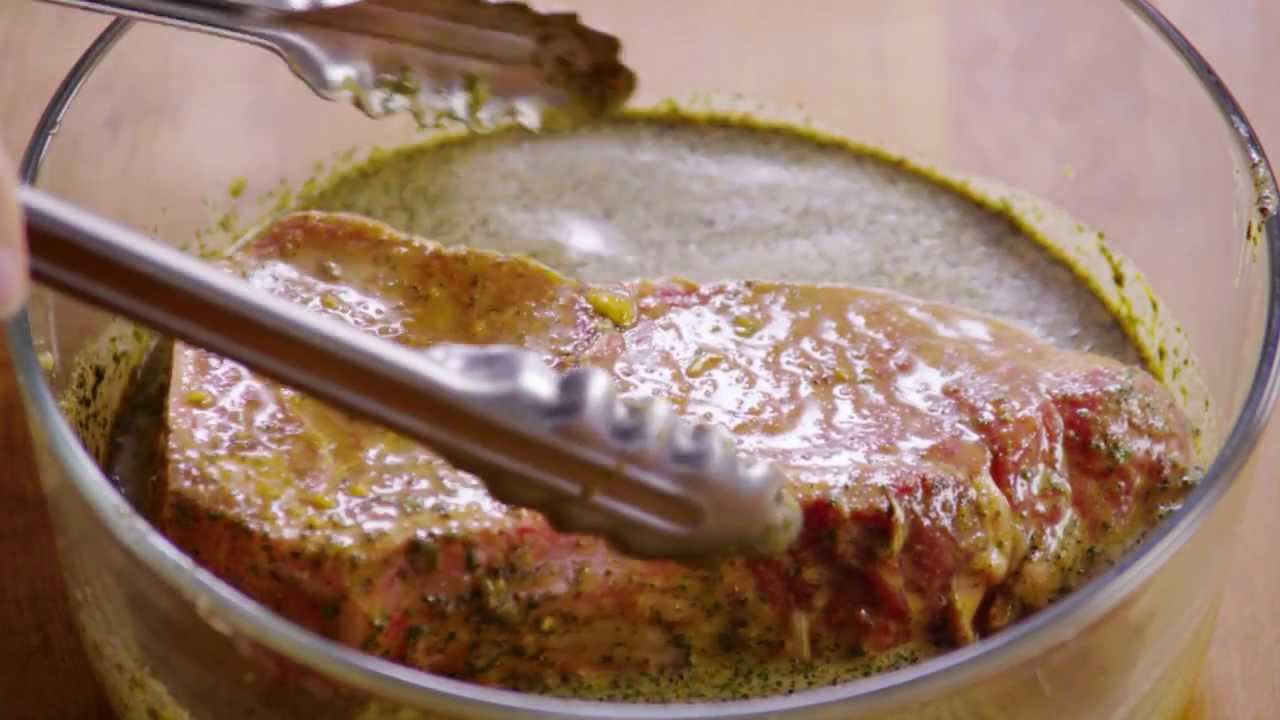
Now that your marinade is ready, it’s time to use it the right way. The way you marinate can make or break the final result.
Choosing the Right Cut of Steak
The beauty of this marinade is that it works on almost any cut of beef. Ribeye, sirloin, New York strip, and flank steak are all excellent choices. Tougher cuts like skirt steak benefit most since the acids in the marinade help tenderize them.
How Long to Marinate
Timing is everything. As a rule of thumb:
- Thin cuts (like skirt steak): 30 minutes to 2 hours
- Thick cuts (like ribeye): 4 to 8 hours
- Never marinate longer than 24 hours, or the meat may get mushy.
Best Practices for Refrigeration
Always marinate in the refrigerator, never at room temperature. This keeps the steak safe from bacteria while still letting the flavors soak in.
Tips for Maximum Flavor Absorption
- Flip the steak halfway through marinating.
- Don’t reuse leftover marinade unless you boil it first (for safety).
- Pat steak dry before cooking for the perfect sear.
By following these tips, your steak will be bursting with flavor, tender, and every bit as good as your favorite steakhouse meal.
Best Cooking Methods for Marinated Steaks
So, you’ve marinated your steak to perfection—now comes the moment of truth: cooking. The cooking method you choose makes a huge difference in the final taste and texture. The marinade has done its job of tenderizing and infusing flavors, but the right cooking technique will bring those flavors to life. Let’s explore the best ways to cook marinated steaks, each with its own unique benefits.
Grilling – The Classic Steakhouse Experience
Grilling is the gold standard for steaks. The high heat sears the outside, creating that irresistible charred crust, while the inside remains tender and juicy. Place your marinated steak on a preheated grill (medium-high heat) and let it cook undisturbed for a few minutes on each side. Remember, flipping only once is key to locking in juices. For that true steakhouse feel, aim for grill marks and a caramelized crust.
Pan-Searing – Perfect for Indoor Cooking
No grill? No problem. A heavy cast-iron skillet is your best friend. Heat the pan until it’s almost smoking, add a touch of oil, and sear the steak for a few minutes per side. The marinade will help create a golden-brown crust that’s packed with flavor. For an extra boost, toss in a pat of butter, garlic cloves, and fresh herbs like rosemary to baste the steak as it cooks.
Oven-Broiling – A Great Alternative
If you want the intensity of grilling but don’t have an outdoor setup, oven broiling is an excellent option. Place your marinated steak on a broiler pan close to the heating element and let the high, direct heat mimic the grill. This method works especially well for thinner cuts.
Sous Vide – Precision Cooking
For steak lovers who want absolute control, sous vide is the way to go. Seal your marinated steak in a vacuum bag, cook it in a water bath at your desired temperature, then finish with a quick sear in a hot pan. The result? Perfectly even doneness every time.
No matter which method you choose, always let your steak rest for about 5 minutes after cooking. This allows the juices to redistribute, ensuring every bite is tender and flavorful.
Tips for Perfectly Marinated Steak
A marinade can only do so much—it’s the little details that elevate your steak from “good” to “steakhouse-level amazing.” Here are some pro tips to keep in mind:
Don’t Over-Marinate
Yes, longer isn’t always better. Acids like vinegar and lemon juice break down muscle fibers. Leave your steak soaking too long, and it might become mushy instead of tender. Stick to the recommended times for best results.
Pat Dry Before Cooking
This might sound counterintuitive after soaking your steak in flavorful liquid, but it’s crucial. If the steak surface is too wet, it won’t sear properly. Blot it gently with paper towels before placing it on the grill or pan. Don’t worry—the flavors are already inside the meat.
Use Fresh Herbs for Garnish
Dried herbs work best in the marinade, but when it comes time to serve, fresh herbs add a pop of color and fragrance. A sprinkle of freshly chopped parsley or rosemary right before serving makes the dish look and taste restaurant-quality.
Temperature Matters
Always bring your steak to room temperature before cooking. Tossing an ice-cold steak onto a hot grill often results in uneven cooking. Letting it rest for about 20 minutes outside the fridge ensures a more even sear.
Slice Against the Grain
When it’s time to cut into your masterpiece, always slice against the grain. This shortens the muscle fibers, making each bite tender and easy to chew.
Think of these tips as your secret weapons. They may seem small, but combined with a killer marinade, they’ll guarantee steakhouse-quality results every time.
Pairing Your Steak with Sides and Sauces
What’s a great steak without equally great sides and sauces? A marinated steak shines brightest when it’s paired with dishes that complement its bold flavors. Let’s explore some winning combinations.
Classic Steakhouse Sides
- Garlic Mashed Potatoes – Creamy, buttery, and full of flavor. They balance the savory richness of the steak perfectly.
- Grilled Vegetables – Bell peppers, asparagus, and zucchini add freshness and color. The char complements the smoky flavors of the steak.
- Creamed Spinach – A steakhouse staple that adds creaminess and a touch of indulgence.
- French Fries or Wedges – Crispy on the outside, fluffy inside. Sometimes simple is best.
Sauces to Elevate Your Steak
- Chimichurri – A zesty Argentinian sauce made with parsley, garlic, and olive oil. It cuts through the richness with freshness.
- Peppercorn Sauce – Creamy, peppery, and perfect for ribeye or sirloin.
- Red Wine Reduction – Adds depth and a touch of luxury.
- Garlic Herb Butter – Melted over the top of a hot steak, it adds richness and a burst of flavor.
Pairing is about balance. If your marinade is bold and tangy, choose creamy sides to soften it. If your marinade is more on the savory side, pair it with something bright and zesty to lift it up.
Common Mistakes to Avoid When Marinating Steak
Even seasoned home cooks make errors when it comes to marinating. Avoid these pitfalls to ensure your steak always turns out perfect:
Using Too Much Acid
While vinegar and lemon juice tenderize meat, too much can break it down excessively. Stick to balanced amounts.
Not Enough Time
Marinating for only 10–15 minutes won’t cut it. The steak needs at least 30 minutes (for thin cuts) or several hours (for thicker cuts) to absorb the flavors.
Reusing Marinade Without Boiling
Raw steak juices mix with the marinade. If you want to reuse it as a sauce, boil it first to kill bacteria.
Overcrowding the Container
Each steak needs to be fully coated with marinade. If they’re piled on top of each other, some pieces won’t absorb enough flavor.
Skipping the Rest After Cooking
Patience pays off. Cutting into your steak too soon causes all the juices to run out. Always rest before slicing.
By avoiding these mistakes, you’ll ensure your steak is flavorful, juicy, and restaurant-worthy every single time.
Variations of Steakhouse Marinade
One of the best things about marinades is their versatility. The basic steakhouse marinade we’ve covered is tried-and-true, but with a few tweaks, you can transform it into a variety of flavor profiles. This is perfect for when you want to keep steak night exciting without reinventing the wheel every time.
Smoky BBQ Marinade
If you love the rich, bold flavor of barbecue, try swapping out balsamic vinegar for apple cider vinegar and adding a tablespoon of BBQ sauce. Smoked paprika and a dash of liquid smoke can take your steak to the next level. This version is especially tasty when paired with grilled corn and baked beans.
Asian-Inspired Marinade
For a lighter, savory twist, increase the soy sauce, add a splash of sesame oil, and mix in grated ginger. A little rice vinegar and honey balance out the flavors. This marinade pairs beautifully with jasmine rice and stir-fried vegetables.
Mediterranean Marinade
Love fresh, herbaceous flavors? Use lemon juice as the primary acid and load up on oregano, thyme, and rosemary. Add a touch of olive oil and garlic, and you’ve got a Mediterranean masterpiece. Pair it with roasted potatoes and a Greek salad.
Spicy Kick Marinade
If heat is your thing, add crushed red pepper flakes, cayenne, or even fresh chili peppers to the mix. A dash of hot sauce or chipotle paste can also do wonders. This version is bold and fiery, perfect for spice lovers.
Experimenting with variations not only broadens your cooking repertoire but also makes every steak night feel unique. Think of the marinade as a blank canvas, and let your taste preferences guide you.
Health Benefits of Homemade Marinades
When people think about steak, health might not be the first thing that comes to mind. But here’s the good news: making your own steakhouse marinade can actually offer surprising health benefits compared to store-bought sauces.
Control Over Ingredients
Most bottled marinades are loaded with preservatives, artificial flavors, and excessive sodium. By making it yourself, you decide what goes in. That means cleaner, fresher ingredients that are better for your body.
Reduced Sodium and Sugar
Store-bought marinades often rely heavily on salt and sugar for flavor. At home, you can control the amounts. Want less sodium? Use low-sodium soy sauce. Prefer a subtle sweetness? Swap sugar for honey or maple syrup.
Nutrient Boost from Herbs and Spices
Garlic, rosemary, thyme, and paprika aren’t just tasty—they’re packed with antioxidants and anti-inflammatory properties. Using fresh herbs enhances both flavor and nutrition.
Better Digestion and Tenderization
Acidic ingredients like vinegar and lemon juice don’t just tenderize meat; they also help break down proteins, making the steak easier to digest.
Portion Control and Balance
When you make your own marinade, you naturally become more mindful of what you’re eating. This makes it easier to create balanced meals, pairing your steak with wholesome sides like vegetables or salads.
So, while steak may not always be labeled as “health food,” your homemade marinade helps tip the scale toward a healthier, more mindful dining experience.
Serving Suggestions and Presentation
Steak isn’t just about taste—it’s about the experience. How you serve and present your steak can make a world of difference.
Rest and Slice Properly
After cooking, let the steak rest for 5–10 minutes. This locks in the juices. When slicing, always cut against the grain to maximize tenderness.
Garnish Like a Pro
A sprinkle of flaky sea salt, a dollop of garlic herb butter, or a drizzle of chimichurri sauce adds instant restaurant flair. Fresh herbs like parsley or thyme also give a vibrant finishing touch.
Plating Ideas
- Place the steak at the center with sides neatly arranged around it.
- Use a wooden cutting board for a rustic look.
- Add a wedge of lemon for brightness.
Presentation may seem like a small detail, but it enhances the overall dining experience, turning a homemade meal into something worthy of a steakhouse menu.
Expert Tips from Chefs
While following a recipe is a great starting point, professional chefs have a few tricks up their sleeves that can elevate your steakhouse marinade to an entirely new level. These small adjustments and techniques make all the difference between “delicious” and “unforgettable.”
Layer Your Flavors
Instead of dumping everything into the bowl at once, many chefs recommend adding ingredients in layers. For example, mix your acids and oils first, then whisk in herbs, spices, and finally a touch of sweetness. This ensures the flavors don’t compete but instead complement one another.
Use Fresh Ingredients When Possible
Dried herbs work well in marinades, but nothing beats the intensity of fresh garlic, freshly squeezed lemon juice, or hand-picked herbs like rosemary and thyme. Freshness always translates into better flavor.
Balance Sweet, Sour, and Savory
Chefs often talk about balance. If your marinade tastes too salty, add a dash of honey. Too tangy? Add a little oil. Too flat? A pinch of salt or soy sauce may bring it to life. Treat it like seasoning soup—adjust until it feels “just right.”
Marinate Overnight with Caution
Chefs agree that while longer marinating times allow deeper flavor penetration, there’s a limit. Anything over 24 hours, especially with acidic marinades, risks making the steak mushy. Stick to the sweet spot of 6–12 hours for thick cuts.
Sear First, Then Baste with Reserved Marinade
Some chefs reserve a portion of marinade (set aside before adding raw steak) to use later as a basting sauce during grilling or searing. This intensifies flavor and creates a glossy, mouthwatering finish.
Following these chef-approved tips ensures your steak doesn’t just taste good—it tastes extraordinary.
FAQs about Steak House Marinade Recipe
1. Can I use this marinade for vegetarian options like mushrooms or tofu?
Yes! Thick portobello mushrooms and firm tofu absorb the flavors beautifully. Marinate them for 1–2 hours before grilling or pan-searing.
2. Should I salt the steak before or after marinating?
Skip salting before marinating since soy sauce and Worcestershire already contain salt. Instead, lightly sprinkle flaky sea salt just before serving for an extra burst of flavor.
3. Is there a low-carb version of this marinade?
Definitely. Skip honey or brown sugar, and instead use a sugar-free sweetener like stevia or monk fruit. It will still caramelize nicely.
4. Can I combine marinades for a unique flavor?
Yes. For example, mixing Mediterranean herbs with a hint of Asian soy-ginger creates a fusion flavor that’s both bold and refreshing.
5. How can I make the marinade spicier without overpowering it?
Add heat gradually—start with a pinch of cayenne or a dash of hot sauce. Taste, adjust, and remember that spice intensifies slightly during cooking.
Conclusion
Making your own marinade is simple, cost-effective, and endlessly customizable. You control the flavors, the ingredients, and the final result. Whether you prefer a smoky BBQ twist, a zesty Mediterranean flair, or a bold and spicy kick, the base recipe gives you the freedom to create a marinade that matches your mood and taste.
Pair it with the right sides, cook it using your preferred method, and avoid common mistakes—and you’ll have a steak dinner that rivals any restaurant. Remember, cooking is as much about confidence as it is about skill. With this guide, you now have both.
So, the next time you crave a juicy steak, don’t just reach for store-bought sauce. Whip up your own steakhouse marinade, let your steak soak up the magic, and prepare for compliments from everyone at the table.