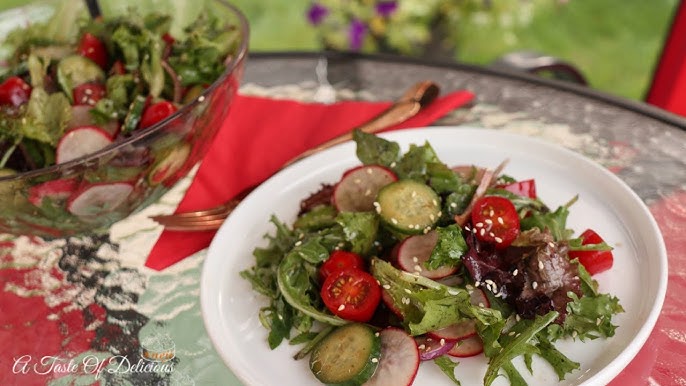
Spring Salad Recipe: There’s something magical about springtime. The sun shines brighter, flowers bloom, and the market is filled with fresh, colorful produce that instantly lifts your mood. What better way to celebrate the season than with a vibrant spring salad? Light, refreshing, and packed with nutrients, this dish is not just food—it’s a celebration of freshness on your plate.
Spring salads are more than just a mix of greens. They combine crunchy vegetables, sweet fruits, aromatic herbs, and zesty dressings, creating a balance of flavors that’s hard to resist. Unlike heavy meals, a spring salad keeps you energized, hydrated, and satisfied without weighing you down.
Whether you’re planning a picnic, looking for a healthy lunch, or simply craving something light, this step-by-step spring salad recipe will become your go-to choice. In this guide, we’ll explore the ingredients you’ll need, the process to prepare it, and even some variations to suit different tastes.
Why Choose a Spring Salad?
Spring salads aren’t just trendy—they’re a nutritional powerhouse. Eating seasonal foods has been a tradition for centuries, and for good reason. Here’s why making a spring salad is always a good idea:
The Health Benefits of Seasonal Greens
Spring brings tender leafy greens like spinach, arugula, kale, and romaine. These are loaded with vitamins A, C, and K, along with minerals like calcium and magnesium. They support strong bones, boost immunity, and help improve skin health. Eating greens fresh ensures you get maximum nutrients since they haven’t been stored for months.
Perfect for Weight Loss and Detox
If you’re looking to shed a few pounds, spring salads are your best friend. They’re low in calories but high in fiber, which means they keep you full longer without piling on extra calories. The high water content in cucumbers, tomatoes, and lettuce also helps detoxify your body, flushing out toxins naturally.
A Refreshing Meal for Warm Weather
No one wants to stand over a hot stove in the spring. Salads are quick, easy, and require minimal cooking. Plus, they’re served cold, making them the perfect refreshing dish when the weather warms up. Just imagine the crunch of cucumbers, the sweetness of strawberries, and the tanginess of lemon dressing—it’s like springtime in every bite.
Ingredients You’ll Need
The beauty of a spring salad lies in its simplicity and flexibility. You don’t need fancy ingredients; just fresh, seasonal produce and a light dressing will do the trick.
Fresh Vegetables and Greens
- Spinach or baby kale – tender and nutrient-rich
- Arugula – peppery and flavorful
- Cucumber – refreshing crunch
- Cherry tomatoes – sweet and juicy
- Red onion – a touch of sharpness
- Bell peppers – vibrant color and sweetness
Fruits That Add Sweetness
- Strawberries – juicy and sweet
- Oranges or mandarins – citrusy and tangy
- Avocado – creamy texture and healthy fats
- Apple slices – crisp sweetness
Herbs and Spices for Flavor
- Fresh mint or basil – refreshing aroma
- Parsley – bright and earthy
- Black pepper and sea salt – basic seasoning
Dressing Ingredients
- Olive oil – smooth and heart-healthy
- Lemon juice – fresh acidity
- Honey or maple syrup – natural sweetness
- Dijon mustard – tangy kick
- Garlic (optional) – bold flavor
This combination creates a balance of flavors—crisp, sweet, tangy, and savory—that makes every bite exciting.
Kitchen Tools You’ll Need
Making a spring salad doesn’t require professional kitchen gadgets. A few basic tools are all you need to put together a bowl of freshness in minutes.
Bowls and Utensils
- A large mixing bowl for tossing the salad
- Small bowls for mixing dressings and holding ingredients
- Wooden or silicone salad tongs to gently mix without bruising the greens
Cutting Tools
- Sharp chef’s knife for chopping vegetables and fruits
- Cutting board to prepare ingredients cleanly
- Peeler for cucumbers, carrots, or apples
Storage Containers
- Airtight containers to store leftovers without losing freshness
- Mason jars if you want to prepare salads ahead of time for meal prep
With these simple tools, you’ll be well-prepared to whip up a spring salad anytime.
Step-by-Step Guide to Making Spring Salad
Now that you’ve gathered your ingredients and tools, it’s time to dive into the fun part: making the salad!
Step 1 – Wash and Prepare Vegetables
Always start by washing your produce thoroughly. Even organic veggies can carry dirt or pesticides. Use a colander to rinse leafy greens and pat them dry with a kitchen towel. For cucumbers, peppers, and tomatoes, a gentle scrub under running water is enough. Drying is important because excess water can dilute the dressing.
Step 2 – Chop Fruits and Greens
Next, chop your vegetables and fruits into bite-sized pieces. Slice cucumbers thinly for a crisp crunch, cut cherry tomatoes in halves, and dice avocados just before serving to prevent browning. Keep the sizes uniform so every forkful has a mix of flavors.
Step 3 – Mix Herbs and Spices
Chop fresh herbs like basil, mint, or parsley and sprinkle them over the salad base. Herbs not only add flavor but also bring in antioxidants. Season lightly with salt and black pepper at this stage to enhance the natural flavors.
Step 4 – Prepare the Dressing
In a small bowl, whisk together olive oil, lemon juice, honey, and Dijon mustard. For extra flavor, add minced garlic or a splash of apple cider vinegar. Taste and adjust—some like it sweeter, while others prefer more tang.
Step 5 – Toss and Serve
Pour the dressing over the salad just before serving. Use salad tongs to gently toss until everything is coated. Serve immediately for the best texture and taste.
Variations of Spring Salad
One of the best things about a spring salad is its versatility. You don’t have to stick to one recipe—you can easily adapt it based on your dietary needs, mood, or what’s available in your kitchen. Here are some popular variations you can try:
Protein-Packed Spring Salad
If you want your salad to be more filling, add protein. This could be:
- Grilled chicken breast – lean and flavorful
- Boiled eggs – rich in protein and healthy fats
- Chickpeas or lentils – plant-based protein options
- Tofu or tempeh – excellent vegan sources
Adding protein transforms your light salad into a complete meal that can keep you satisfied for hours.
Vegan Spring Salad
For a fully plant-based option, skip animal products and load up on vegan-friendly ingredients. Replace honey with maple syrup in the dressing, add roasted chickpeas for crunch, or toss in quinoa for an extra protein boost. The result is still hearty, flavorful, and satisfying.
Fruity Spring Salad
If you prefer a sweet twist, go heavy on seasonal fruits. Strawberries, blueberries, pineapple chunks, and even pomegranate seeds add bursts of sweetness. Pair them with a citrus dressing for a refreshing kick. This version is especially great for spring picnics and family gatherings.
Tips for the Perfect Spring Salad
Making a good salad is easy, but making a great salad takes a little finesse. Here are some expert tips to elevate your dish:
Choosing the Freshest Produce
Always buy produce that’s in season. Fresh vegetables and fruits not only taste better but also have higher nutrient content. Look for firm cucumbers, bright leafy greens, and fragrant herbs. Avoid wilted or bruised items, as they can affect both the flavor and appearance of your salad.
Balancing Flavors
A delicious salad has a balance of sweet, tangy, salty, and savory flavors. For example:
- Sweetness from fruits (like strawberries or apples)
- Tanginess from lemon juice or vinegar
- Saltiness from cheese or olives
- Creaminess from avocado or nuts
When combined, these create a harmonious taste that keeps every bite exciting.
Storing Leftovers Properly
If you plan to store salad, keep the dressing separate. Once dressed, greens wilt quickly and lose their crispness. Store chopped veggies in an airtight container and add the dressing just before eating. Properly stored, your salad can stay fresh for up to 2 days in the refrigerator.
Common Mistakes to Avoid
Even though salads are simple, a few small mistakes can ruin the dish. Here are the most common pitfalls and how to avoid them:
Overdressing the Salad
Too much dressing can make the salad soggy and overpower the natural flavors of the ingredients. Always start with a small amount, toss, and taste before adding more. Remember, you can always add dressing—but you can’t take it out once it’s in.
Using Wilted Greens
Greens are the star of a spring salad, so freshness is key. Wilted or yellowing leaves not only look unappetizing but also lack flavor. If your greens are slightly limp, soak them in ice water for 10 minutes to revive them.
Skipping Seasonings
Some people think salads don’t need seasoning, but that’s a mistake. A pinch of salt, pepper, and herbs makes a huge difference. It helps bring out the flavors of the vegetables and fruits, turning a bland salad into something extraordinary.
Nutritional Value of Spring Salad
Spring salads are more than just tasty—they’re packed with nutrients that support overall health.
Vitamins and Minerals
Leafy greens like spinach and kale are loaded with iron, calcium, and magnesium, while tomatoes and peppers provide vitamin C. Fruits like oranges and strawberries add antioxidants that help fight inflammation.
Calories and Macros Breakdown
On average, a bowl of spring salad without heavy toppings contains:
- Calories: 150–250 per serving
- Protein: 5–10g (depending on added ingredients)
- Fat: 10–15g (mostly healthy fats from avocado and olive oil)
- Carbohydrates: 20–30g from fruits and vegetables
This makes it a perfect low-calorie, nutrient-dense meal for anyone watching their diet.
Benefits for Overall Health
Regularly eating spring salads can:
- Improve digestion thanks to fiber
- Boost immunity with vitamins
- Enhance skin glow with antioxidants
- Support heart health with healthy fats
Simply put, adding this salad to your daily diet can make a huge difference in your well-being.
Pairing Ideas – What Goes Best with Spring Salad
Spring salad is delicious on its own, but it can also be paired with other dishes for a more complete meal.
Main Dishes That Complement
- Grilled chicken or fish
- Pasta with light sauces
- Roasted vegetables
These dishes balance well with the lightness of the salad.
Bread and Sides
Serve your salad with crusty garlic bread, baguettes, or even homemade pita chips. They add crunch and make the meal feel more filling.
Beverages
Refreshing drinks like iced tea, lemonade, or sparkling water pair beautifully with spring salad. If you want something fancier, a light white wine works perfectly for dinner gatherings.
Serving Ideas for Different Occasions
Spring salad is one of those dishes that fits effortlessly into almost any occasion. Its colorful appearance and refreshing taste make it not only a meal but also a statement dish that brightens the table.
Spring Parties and Picnics
When hosting a spring party or heading for a picnic, a large bowl of spring salad is always a hit. It’s light enough for snacking, but still satisfying. For a crowd, prepare individual mason jar salads layered with dressing at the bottom and greens on top. Guests can just shake and eat—no mess, no fuss.
Family Dinners
At home, a spring salad works as the perfect side dish for grilled meats, casseroles, or pasta. It balances heavier dishes and adds freshness to the dinner table. Kids often enjoy the fruity versions, so adding apple slices, strawberries, or even grapes makes it more appealing for the whole family.
As a Light Lunch or Dinner
If you’re looking for a simple meal that’s quick yet healthy, a spring salad makes the perfect standalone lunch or dinner. Just add a protein of choice—like boiled eggs, chicken, or tofu—and you’ll have a complete dish in less than 20 minutes.
FAQs about Spring Salad Recipe
To make your salad experience even smoother, let’s answer some of the most commonly asked questions:
Can I prepare spring salad in advance?
Yes, you can! Just keep the dressing separate and mix it in right before serving. This prevents the greens from wilting.
How long does it last in the fridge?
When stored properly in an airtight container, spring salad (without dressing) can last 2–3 days in the refrigerator. With dressing, it’s best eaten the same day.
What are the best substitutes for dressing ingredients?
- Olive oil → avocado oil or sesame oil
- Honey → maple syrup or agave nectar
- Lemon juice → lime juice or apple cider vinegar
Can I make it gluten-free?
Yes! Most spring salad recipes are naturally gluten-free. Just avoid croutons or bread-based toppings unless you’re using gluten-free alternatives.
Can I add cheese?
Absolutely. Feta, goat cheese, or mozzarella pearls are great options that pair beautifully with fruits and greens.
Conclusion
A spring salad is more than just a dish—it’s a celebration of the season. With crisp vegetables, sweet fruits, aromatic herbs, and zesty dressings, every bite brings a burst of freshness and nutrition. Whether you’re preparing it for yourself, your family, or a gathering, this salad always impresses with its colors, flavors, and health benefits.
What makes it truly special is how adaptable it is. You can keep it light and fruity, make it hearty with protein, or even turn it into a full meal. Once you start making spring salads regularly, you’ll find yourself experimenting with endless variations and discovering new favorite combinations.
So next time you’re at the market and see baskets of fresh spring produce, think about the vibrant salad you can create. Your body will thank you for the nutrients, and your taste buds will celebrate the flavors.