Sponge Candy Recipe: Sponge candy is one of those magical old-school sweets that never go out of style. With its light, airy, and crisp interior that practically melts in your mouth, it’s no wonder people keep coming back to it generation after generation.
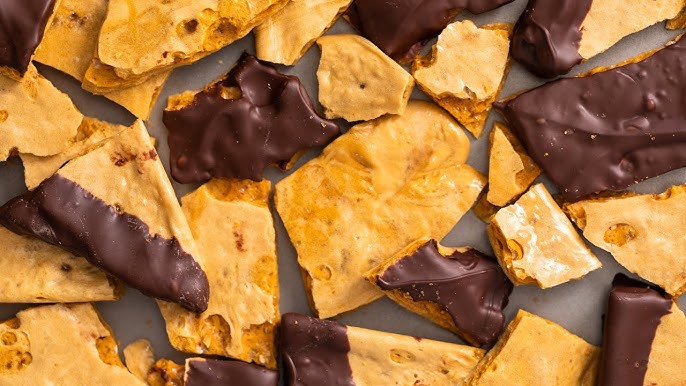
Often dipped in chocolate and cracking apart with a satisfying crunch, sponge candy is nostalgic, beautiful, and—yes—surprisingly easy to make at home if you follow the right steps.
This guide will walk you through everything you need to know to create the perfect batch of sponge candy, whether it’s your first time or your fiftieth.
History of Sponge Candy
Sponge candy dates back to the early 1900s and has roots in various regions around the world. Known by different names like honeycomb toffee, seafoam candy, or cinder toffee (especially in the UK), it gained popularity thanks to its fun texture and flavor. However, if there’s one place that truly put sponge candy on the map in the U.S., it’s Buffalo, New York. In Buffalo, sponge candy is practically a local legend—sold in candy shops and holiday gift boxes, and enjoyed by families across generations. Its light crunch and melt-in-your-mouth feel make it stand out from other types of candy.
What Makes Sponge Candy Unique
Sponge candy stands apart because of its delicate, porous structure. It gets its signature texture from a chemical reaction caused by baking soda added to a hot sugar syrup. The candy bubbles and froths, then sets into a brittle form full of airy pockets. It’s like biting into a sugar cloud with a crisp snap. Unlike chewy caramels or hard lollipops, sponge candy is light and crisp, yet rich in sweetness. That contrast between its crackling texture and smooth chocolate coating (if you choose to dip it) makes it a gourmet-level treat you can easily whip up in your own kitchen.
List of Ingredients You’ll Need
To make a classic batch of sponge candy, you only need a few simple ingredients. These can likely be found in your pantry or at your local grocery store.
Basic Ingredients:
- 1 cup granulated sugar
- 1 cup light corn syrup
- 1 tablespoon white vinegar
- 1 tablespoon baking soda (sifted)
Optional for Coating:
- 8 oz semi-sweet or dark chocolate (for dipping)
- 1 teaspoon coconut oil (optional, for smoother chocolate)
Variations:
- A pinch of salt for a salted caramel flavor
- Vanilla extract (add after sugar is removed from heat)
- Cayenne or chili powder for a spicy twist
Note: Do not skip the vinegar—it helps prevent crystallization and improves texture.
Kitchen Tools and Equipment
Making sponge candy successfully requires the right tools. Here’s what you’ll need:
- Heavy-bottomed saucepan (preferably 3-quart or larger)
- Candy thermometer (this is critical!)
- Whisk or long-handled spoon
- 9×9 inch pan (metal or silicone)
- Parchment paper or silicone mat
- Fine mesh sieve (to sift baking soda)
- Heat-resistant gloves or oven mitts
- Large sharp knife or kitchen shears
- Airtight storage container
Preparing everything ahead of time will make the process much smoother, especially since the final moments happen quickly and require full attention.
Step-by-Step Guide to Making Sponge Candy
Sponge candy moves very fast once it reaches temperature, so preparation is critical. Measure all ingredients ahead of time and have your baking soda ready and sifted. Work quickly and carefully.
Step 1: Prepare Your Workspace
Line a baking tray with parchment paper and lightly grease it. Set out a heatproof spatula, candy thermometer, and saucepan. Proper pre-preparation prevents mistakes once the sugar is hot.
Step 2: Mix the Sugar, Corn Syrup, and Water
In a heavy-bottom saucepan, combine sugar, corn syrup, and water. Stir gently over medium heat until the sugar dissolves, then stop stirring. Avoid stirring after this point to prevent crystallization.
Step 3: Heat to the Right Temperature
Allow the mixture to boil until it reaches the hard crack stage (150–155°C / 300–310°F). Use a candy thermometer and watch closely—this temperature creates the crisp structure of sponge candy.
Step 4: Add Baking Soda
Remove the pan from heat and immediately add baking soda. Stir quickly just once or twice. The mixture will rapidly foam as carbon dioxide is released, creating the signature airy, honeycomb texture.
Step 5: Pour and Let It Set
Immediately pour the foaming candy onto the prepared tray. Do not spread or press it down—this will collapse the bubbles. Let it cool completely at room temperature.
Step 6: Cut and Store
Once fully cooled, break or cut into pieces using a sharp knife. Store in an airtight container in a cool, dry place to keep it crisp. Avoid moisture, as sponge candy absorbs humidity easily. 🍬✨
Dipping in Chocolate (Optional but Delicious!)
While sponge candy is tasty on its own, coating it in chocolate takes it to another level of deliciousness. You can use dark, milk, or semi-sweet chocolate, depending on your taste. Here’s how to do it right:
Ingredients:
- 8 oz chocolate chips or chopped chocolate (semi-sweet or dark preferred)
- 1 tsp coconut oil (optional, for smoother melting)
How-To:
- Melt the chocolate using a double boiler or microwave in 30-second bursts, stirring in between.
- Dip each piece of sponge candy halfway or completely into the melted chocolate.
- Place the dipped pieces on parchment paper and allow to cool at room temperature.
- If you’re in a hurry, refrigerate them for 10–15 minutes until the chocolate sets.
Note: Be sure the sponge candy is completely cooled and dry before dipping. Moisture or warmth can cause the candy to collapse or stick to the chocolate unevenly.
Chocolate-dipped sponge candy is a fancy treat, great for dessert tables, party favors, or just snacking when your sweet tooth strikes.
Common Mistakes to Avoid
Even though the recipe is simple, sponge candy can be a little tricky if you’re not careful. Here are the most common issues and how to fix (or avoid) them:
1. Candy Didn’t Rise / Flat Texture
- Likely cause: You added baking soda too late or didn’t mix it properly.
- Fix: Whisk quickly and pour immediately next time. Timing is key.
2. Sticky or Chewy Candy
- Likely cause: Didn’t reach the correct temperature (300°F).
- Fix: Use a candy thermometer and don’t take shortcuts.
3. Crystallized or Grainy Texture
- Likely cause: Stirred too much or sugar crystals formed on the pan.
- Fix: Stop stirring once boiling starts, and wipe down pan sides with a wet brush.
4. Candy Collapsed After Pouring
- Likely cause: You shook or tapped the pan.
- Fix: Never disturb the candy once poured. Just let it be!
Learning to get it just right takes practice, but once you master the technique, you’ll be able to whip up sponge candy like a pro every time.
Tips for Perfect Sponge Candy Every Time
Want flawless sponge candy every batch? Keep these pro tips in mind:
- Check the weather! Sponge candy hates humidity. Try to make it on a dry day.
- Use fresh baking soda. If it’s old, it won’t react properly.
- Don’t multitask. Focus fully when making candy—things move fast.
- Invest in a reliable thermometer. Even a few degrees off can make a big difference.
- Don’t double the recipe until you’ve mastered the small batch. More volume = harder to control.
Bonus Tip: Always have fun with it. Candy-making can feel like a mini science experiment, and that “poof” moment when the baking soda hits is truly satisfying.
How to Store and Serve
Once you’ve made your sponge candy masterpiece, you’ll want to store it properly and enjoy it in fun ways.
Storage Guidelines:
- Keep it in an airtight container.
- Store at room temperature, away from light or moisture.
- Best enjoyed within 7–10 days for optimal crunch.
Serving Ideas:
- Place it in cute jars or treat bags as party favors.
- Serve on dessert platters with chocolate truffles or cookies.
- Crumble some over ice cream for a delicious topping.
- Use it as a garnish on frosted cupcakes or cakes.
You can even crush leftover sponge candy and sprinkle it into a milkshake or hot cocoa—yum!
FAQs about Sponge Candy Recipe
1. How long does sponge candy last?
If stored properly in an airtight container at room temperature, sponge candy stays fresh and crunchy for about 7–10 days. Moisture is its biggest enemy!
2. Why did my sponge candy deflate after I poured it?
This usually happens if you tapped or moved the pan too much, or stirred too long after adding the baking soda. Pour it and leave it alone to set.
3. Can I make sponge candy without a candy thermometer?
Technically yes, but it’s risky. The temperature needs to hit the exact hard crack stage (300°F). Without a thermometer, it’s easy to over- or undercook the sugar.
4. Is sponge candy the same as honeycomb toffee?
They’re very similar! Sponge candy is the American name for what’s known as honeycomb toffee, seafoam candy, or cinder toffee in other countries. Some recipes vary slightly, but the texture is almost identical.
5. Can I make sponge candy vegan?
Yes! Just make sure your sugar and chocolate are vegan-friendly. Most sponge candy doesn’t include dairy unless you dip it in milk chocolate, so it’s easy to adjust.
Conclusion
Sponge candy might look like something only expert confectioners can pull off, but now you know the truth—it’s 100% doable at home. With just a handful of ingredients and the right technique, you can make your own batch of this light, crispy, caramel-flavored treat. Whether you love it plain or dipped in chocolate, sponge candy brings joy with every crackling bite.
So, grab your thermometer, clear your kitchen counter, and give it a shot. You’ll be amazed at how fun and rewarding candy-making can be. The best part? You get to eat the sweet results!