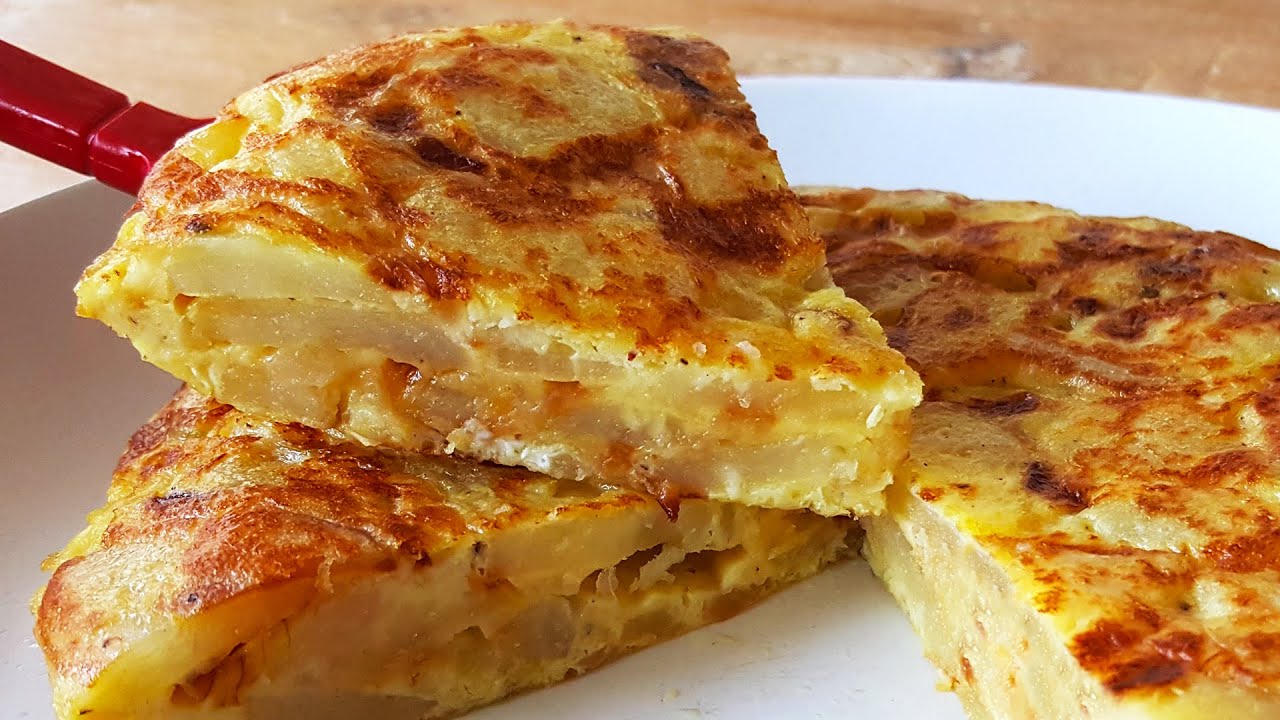
Spanish Tortilla Recipe: Let’s be clear—when we say “Spanish tortilla,” we’re not talking about the flatbread used in tacos. In Spain, a tortilla is a thick, golden omelet loaded with tender potatoes and sometimes onions. It’s a rustic, hearty dish that’s wildly popular all across Spain and a symbol of comfort food in Spanish households. Simple yet deeply satisfying, the Spanish tortilla (or “tortilla de patatas”) is a showcase of how basic ingredients can come together to create something extraordinary.
It’s typically made with just four ingredients—potatoes, eggs, olive oil, and salt—but each bite packs a rich, melt-in-your-mouth experience. The trick lies in technique. When made correctly, the tortilla is crispy on the outside, creamy on the inside, and bursting with flavor.
Why It’s a Staple in Spanish Cuisine
This dish is as versatile as it is delicious. Found in tapas bars, cafes, and dinner tables alike, the Spanish tortilla is eaten any time of day—from breakfast to a late-night snack. It can be served hot, cold, or at room temperature, and is often enjoyed with a glass of wine or a cold beer.
Historically, the tortilla became popular due to its affordability and simplicity. With eggs and potatoes being kitchen staples, it offered a filling meal that was easy to prepare and budget-friendly. Over the years, regional variations have emerged, each adding its own twist while keeping the spirit of the original recipe alive.
Ingredients Needed
Traditional Ingredients
The beauty of a traditional Spanish tortilla lies in its simplicity. Here’s what you’ll need for the classic version:
- 4 medium potatoes (waxy varieties like Yukon Gold work best)
- 6 large eggs
- 1 medium yellow onion (optional, but highly recommended)
- 1 cup olive oil (for frying)
- Salt, to taste
Each ingredient plays a key role. The potatoes offer substance, the eggs bind everything together, and the olive oil infuses the dish with rich flavor. The onion? It adds a slight sweetness and depth that elevates the entire tortilla.
Optional Additions for Flavor
If you’re feeling a bit adventurous or want to spice things up, you can incorporate the following:
- Chorizo – Adds a smoky, spicy kick.
- Red bell pepper – For a splash of color and sweetness.
- Spinach or kale – Great for a healthier twist.
- Cheese – Manchego or goat cheese for creaminess.
While purists may raise an eyebrow, these additions can add personal flair to your tortilla without straying too far from tradition.
Kitchen Tools You’ll Need
Must-Have Cooking Equipment
To make the perfect Spanish tortilla, you don’t need a lot of fancy tools. But a few reliable basics are essential:
- Non-stick skillet or frying pan (about 10 inches in diameter)
- Mixing bowl
- Slotted spoon or spatula
- Sharp knife and cutting board
These tools will help you handle the delicate process of flipping and cooking the tortilla evenly.
Helpful Add-ons
Not necessary, but nice to have:
- Mandoline slicer – Speeds up slicing potatoes evenly.
- Lid or large plate – Useful for flipping the tortilla.
- Paper towels – For draining excess oil from potatoes.
Having the right tools can make the process smoother and reduce stress—especially when it comes to flipping the tortilla without turning it into scrambled eggs.
Preparation Steps
Step 1: Preparing the Potatoes
Start by peeling your potatoes and cutting them into thin slices—about 1/8 inch thick. You don’t want them too thick, or they’ll take forever to cook. Rinse them under cold water to remove excess starch, then pat them dry with paper towels.
Next, heat your olive oil in a skillet over medium heat. Once hot, gently slide in the potato slices. You’re not looking to fry them to a crisp—this is more of a confit-style cook. Let them soften and simmer for about 10–15 minutes, stirring occasionally so they don’t stick together.
Once they’re tender but not falling apart, use a slotted spoon to transfer them to a bowl. Let any extra oil drain off back into the pan—you’ll use that later.
Step 2: Cooking the Onions
Add the finely sliced onions to the same oil in the pan. Cook on low heat until they’re soft, translucent, and just beginning to caramelize—usually around 10 minutes. The goal is to draw out their sweetness without browning them too much.
Add the cooked onions to the bowl with the potatoes and gently mix. Sprinkle with a bit of salt. Let it cool for a few minutes before combining with the eggs.
Step 3: Mixing with Eggs
Crack your eggs into a large bowl, season with a bit more salt, and beat them just until blended. Now gently fold in the potato-onion mixture. You want the eggs to coat everything thoroughly, but be careful not to mash the potatoes. Let the mixture sit for about 10 minutes. This helps the flavors meld and the potatoes absorb the egg.
Step 4: Cooking the Tortilla
Add a tablespoon of the reserved oil to your skillet and heat over medium. Pour in the egg-potato mixture and spread it out evenly. Reduce the heat to medium-low. Cook gently for about 6–8 minutes, shaking the pan occasionally to prevent sticking.
As the bottom sets and the edges begin to firm up, use a spatula to gently loosen the tortilla from the sides.
Step 5: Flipping and Finishing
Here comes the trickiest part—flipping the tortilla. Place a plate or flat lid over the pan, then carefully invert it so the tortilla ends up on the plate. Slide it back into the pan, cooked side up.
Cook for another 5–7 minutes until golden and fully set. You can adjust the timing depending on how runny or firm you like your tortilla. Let it rest a few minutes before slicing.
Serving Suggestions
Best Ways to Serve
Spanish tortilla is incredibly versatile when it comes to serving. You can enjoy it hot right off the stove, at room temperature, or even cold—each way brings out different textures and flavors. At room temp, the egg settles, and the tortilla becomes more sliceable, making it perfect for picnics or tapas platters.
Serve it as a main dish with a side salad or roasted veggies for a light yet satisfying meal. Or cut it into small cubes and serve as tapas with toothpicks—perfect for parties or family gatherings. Want a quick breakfast or brunch option? Reheat a slice and serve it alongside toast or fresh fruit.
For a more authentic Spanish experience, drizzle a little extra virgin olive oil on top, sprinkle with flaky sea salt, and serve with crusty bread. You could even make a bocadillo (Spanish sandwich) by tucking a wedge of tortilla between slices of a crusty baguette.
Pairing Ideas
The rich, earthy flavors of the tortilla pair beautifully with a variety of drinks and side dishes:
- Red Rioja wine or dry Spanish white wine like Albariño
- Sparkling water with lemon for a non-alcoholic option
- Cured meats like jamón serrano
- Cheese boards with manchego, olives, and marcona almonds
- Roasted peppers, tomato salad, or gazpacho for lighter sides
When it comes to pairing, the simplicity of the tortilla allows it to shine alongside bold or mild flavors. It’s one of those dishes that feels at home on any table.
Common Mistakes to Avoid
Even though it’s made with just a few ingredients, there are a few common pitfalls when making a Spanish tortilla:
- Undercooked or overcooked potatoes – Potatoes need to be tender but not mushy. Don’t rush the cooking process, and avoid deep-frying. A gentle poach in olive oil is key.
- Too much or too little oil – You need enough oil to properly cook the potatoes and onions, but not so much that it turns greasy. Drain well before mixing with eggs.
- Skipping the rest time – Letting the potato and egg mixture rest helps the flavors develop and improves the texture.
- Rushing the flip – Flipping the tortilla too soon or without confidence can lead to breakage. Make sure the first side is set before attempting to flip.
- Overcooking the eggs – You want a creamy, custard-like interior, not a rubbery mess. Lower heat and careful timing are crucial.
Avoiding these mistakes will take your tortilla from average to restaurant-worthy.
FAQs about Spanish Tortilla Recipe
Can I use sweet potatoes instead?
Yes! Sweet potatoes give a naturally sweet twist to the dish and work well with onions and even a hint of cinnamon or paprika. Just slice them thin and cook them gently, just like you would with regular potatoes.
Is Spanish tortilla served hot or cold?
Traditionally, it can be served any way—hot, room temperature, or cold. Many Spaniards prefer it at room temperature, especially as tapas or picnic food.
How long does it keep in the fridge?
Spanish tortilla can be stored in an airtight container in the fridge for up to 4 days. It reheats well in the microwave or on a skillet.
Can I bake it instead of frying?
Yes, baking is a great option if you want to cut back on oil. Just layer the cooked potatoes and onions in a baking dish, pour over the eggs, and bake at 350°F (175°C) for about 20–25 minutes.
What’s the difference between Spanish tortilla and Mexican tortilla?
They’re completely different! A Spanish tortilla is an egg-and-potato omelet, while a Mexican tortilla is a flatbread made from corn or flour, used for tacos and wraps.
Conclusion
Mastering the Spanish tortilla is like unlocking the secret to a piece of Spain’s culinary soul. With just a handful of ingredients, you create something comforting, nourishing, and impressively tasty. Whether served as tapas, a lunchbox staple, or the star of your brunch spread, this golden omelet never disappoints.
The real magic lies in the method. From slow-cooked potatoes to the careful flip in the pan, every step is a little culinary ritual. Once you get it right, it becomes second nature—and you’ll want to make it again and again.
Ready to try it out? Grab your skillet, pour that olive oil, and cook up a slice of Spain at home.