Spanish Paella Recipe: When you think of Spain, what comes to mind? Flamenco, sun-soaked beaches, and… Paella! This iconic dish isn’t just a meal—it’s an experience. Born in the heart of Valencia and loved across the world, paella is more than just a rice dish. It’s a flavorful fusion of ingredients that brings families and friends together, especially on weekends and special occasions.
Paella captures the essence of Spanish cuisine: fresh ingredients, bold flavors, and a cooking process rooted in tradition. Whether it’s the aroma of saffron rising with the steam or the golden crust formed at the bottom of the pan (known as socarrat), every bite of paella tells a story. And the best part? You can make this at home—with a little patience and the right guide.
So, if you’ve been craving an authentic Spanish meal that’s both rustic and elegant, you’re in the right place. In this guide, we’ll walk through everything you need to know to make a traditional Spanish paella from scratch.
What Is Paella?
Let’s clear something up first—paella is not just a seafood dish. In fact, the original paella from Valencia didn’t even include seafood at all! The word “paella” actually refers to the wide, shallow pan used to cook the dish, but over time, it came to represent the dish itself.
At its core, paella is a rice dish cooked in a single pan, flavored with saffron, and built around layers of meat, seafood, and/or vegetables. The cooking process is just as important as the ingredients. The rice is simmered in a rich stock without stirring, allowing a crispy, caramelized layer to form at the bottom—the much-loved socarrat.
Traditionally eaten at lunchtime (never dinner!), paella is often cooked outdoors over an open fire, and shared directly from the pan. It’s a social dish, designed for sharing and celebrating.
Types of Paella
There isn’t just one type of paella. Depending on the region and local ingredients, you’ll find different variations that all fall under the paella umbrella.
Paella Valenciana
The original version, made with chicken, rabbit, green beans, and sometimes snails. No seafood here—this is the purist’s paella.
Seafood Paella (Paella de Marisco)
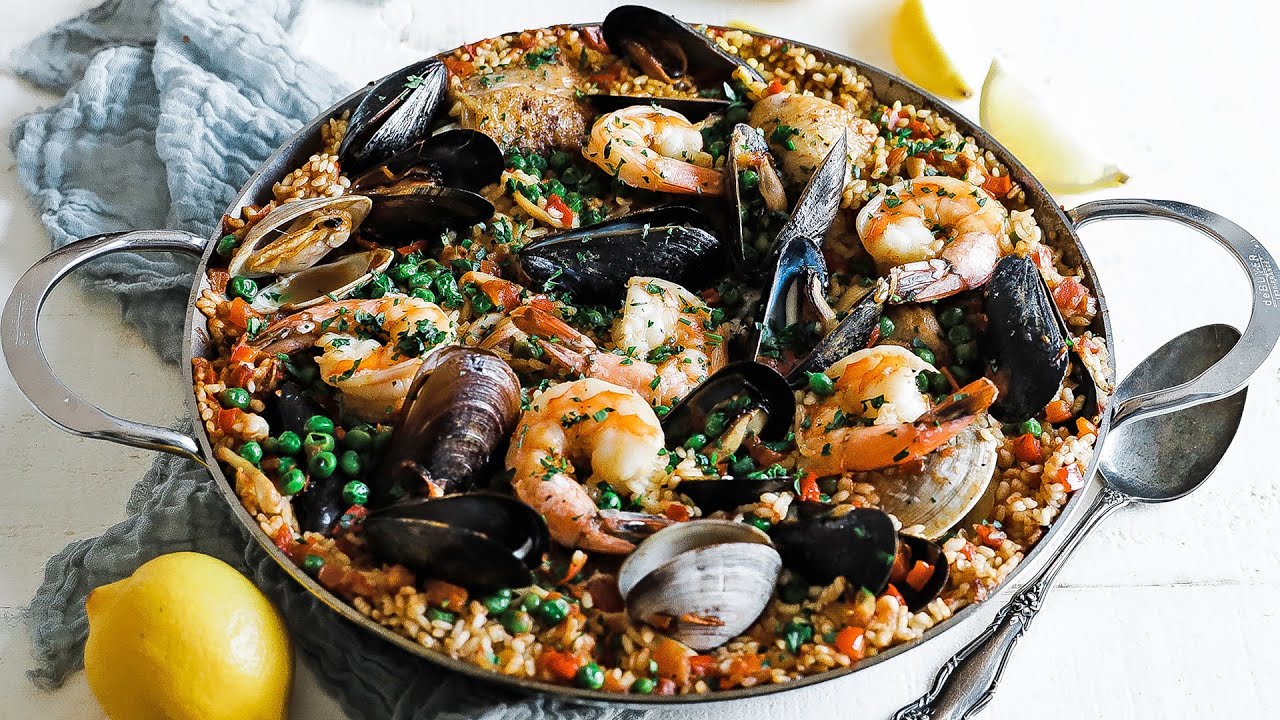
A coastal favorite made with shrimp, mussels, clams, and sometimes squid. Rich in seafood flavor and perfect for pescatarians.
Mixed Paella (Paella Mixta)
A modern twist combining both meat and seafood—think chicken, chorizo, shrimp, and calamari. Not traditional, but very popular.
Vegetarian Paella
A colorful mix of vegetables and sometimes legumes, perfect for plant-based diets. Still flavorful and satisfying without any animal products.
Each version has its own fanbase, and there’s no wrong choice—it all depends on your taste and what ingredients are on hand.
Essential Ingredients for Authentic Spanish Paella
Paella’s magic lies in its simplicity. But you’ve got to get the basics right. A few ingredients are absolutely non-negotiable if you want that authentic flavor.
- Short-grain rice: Like Bomba or Calasparra. Long grain rice just won’t do—it soaks too much water and gets mushy.
- Saffron: The soul of paella. It gives that golden hue and subtle earthy flavor. Yes, it’s pricey, but a little goes a long way.
- Extra virgin olive oil: For the base and cooking. Don’t substitute with butter or other oils.
- Smoked paprika (pimentón): Adds warmth and depth to the sofrito.
- Stock (broth): Whether it’s chicken, seafood, or vegetable, it should be rich and homemade if possible.
- Fresh proteins: Chicken, rabbit, seafood, or just veggies—depending on your chosen paella type.
Now that we’ve covered the essentials, let’s get into the nitty-gritty.
List of Ingredients You’ll Need
Here’s a sample list for a Seafood Paella that serves 4-6 people:
Seafood Paella Ingredients:
- 2 cups Bomba rice (or other short-grain Spanish rice)
- 1/4 cup extra virgin olive oil
- 1 medium onion, finely chopped
- 1 red bell pepper, sliced
- 3 cloves garlic, minced
- 2 medium tomatoes, grated (or 1/2 cup tomato puree)
- 1/2 teaspoon smoked paprika
- Pinch of saffron threads, soaked in 2 tbsp warm water
- 4 cups fish or seafood stock (hot)
- Salt and pepper to taste
- 1/2 pound raw shrimp (peeled and deveined)
- 1/2 pound mussels (cleaned)
- 1/2 pound squid rings
- Lemon wedges (for garnish)
- Fresh parsley (chopped, for garnish)
- Optional: green peas for color
You can adjust this list based on your preferred paella type. The base process remains the same.
Must-Have Equipment for Cooking Paella
Before you jump into the recipe, let’s talk gear.
- Paella Pan (Paellera): A wide, shallow pan that helps rice cook evenly. If you’re serious about making paella, invest in one.
- Heat Source: Ideally an open flame or gas burner that covers the bottom of the pan. Paella requires even heat.
- Large Spoon or Spatula: For stirring the sofrito and arranging ingredients.
- Lid or Foil: Not always traditional, but can help trap heat near the end of cooking.
No paella pan? You can still make it in a wide skillet—but don’t crowd the pan. The rice layer should be thin for the best texture.
Prepping for the Paella
Great paella doesn’t start with throwing ingredients into a pan—it starts with prep. Getting everything ready before you turn on the heat will make the cooking process smooth and enjoyable. Let’s break it down:
1. Prepare Your Stock (Broth)
This is the foundation of flavor. Whether you’re making chicken, seafood, or veggie paella, the stock must be rich and well-seasoned. If you’re short on time, a high-quality store-bought stock will do—but if you want something truly special, make it yourself by simmering shrimp shells or chicken bones with garlic, onions, and herbs.
2. Soak the Saffron
Place a pinch of saffron threads in a small bowl with two tablespoons of warm water. Let it steep. This helps release its full color and aroma, which will infuse the entire dish.
3. Clean and Prep the Proteins
- Shrimp: Peel and devein, leaving tails on for presentation if you like.
- Mussels/Clams: Scrub the shells and discard any that are open and won’t close when tapped.
- Squid: Clean and cut into rings.
- Chicken/Rabbit: Cut into bite-size pieces.
4. Chop the Vegetables
Finely chop onions, garlic, bell peppers, tomatoes, and any other vegetables you plan to use. Grating the tomatoes is a Spanish trick that creates a smoother sofrito.
Once all ingredients are prepped and measured out, you’re ready to cook. This mise en place will save you from scrambling around once the pan is hot.
Step-by-Step Guide to Making Spanish Paella
Now comes the fun part. Follow this step-by-step guide carefully, and you’ll end up with a delicious, golden, restaurant-worthy paella at home.
Step 1: Cooking the Sofrito
Heat olive oil in a wide, shallow pan over medium heat. Add finely chopped onions and garlic, cooking until soft and fragrant. Stir in grated tomatoes and paprika, then let the mixture simmer gently. Cook until it thickens and turns deep in color—this slow-cooked base, known as sofrito, is the heart of paella’s flavor.
Step 2: Adding Rice and Stock
Sprinkle short-grain rice evenly over the sofrito and stir briefly to coat the grains. Pour in warm stock infused with saffron, spreading everything evenly across the pan. Season lightly with salt and bring to a steady simmer.
Step 3: Layering Seafood and Other Ingredients
Arrange seafood, chicken, or vegetables on top of the rice. Press them gently into the liquid but do not stir. This allows the rice to cook evenly while the toppings stay visible and perfectly cooked.
Step 4: Cooking Without Stirring
Let the paella cook undisturbed over medium heat. Avoid stirring—this helps the rice release starch properly and develop the traditional texture. Adjust heat as needed so the liquid reduces steadily without drying out too fast.
Step 5: Achieving the Perfect Socarrat
Increase the heat slightly during the final minutes to form a crisp, golden layer of rice at the bottom, called socarrat. When you smell a light toasty aroma, remove from heat and let rest briefly before serving.
The Importance of the Socarrat
Let’s talk about the most coveted part of any paella: the socarrat.
What’s that? It’s the golden, caramelized layer of rice at the bottom of the pan. It’s crispy, slightly smoky, and loaded with flavor. Spaniards will fight over this part of the paella—yes, it’s that good.
How to Get the Perfect Socarrat:
- Don’t stir after adding the broth.
- Allow the paella to cook on medium-low heat until you hear gentle crackling at the end.
- If you’re not sure it’s forming, increase the heat for the last 2 minutes—but be careful not to burn it.
- Use your spoon to gently check if the bottom layer has crisped up.
When done right, the socarrat adds a whole new texture and taste dimension to your paella. It’s like the crunchy corner of a lasagna—irresistible.
Common Mistakes to Avoid When Making Paella
Even though paella seems straightforward, a few common mistakes can ruin your efforts. Here’s what to watch out for:
1. Using the Wrong Rice
Don’t even think about using long grain or jasmine rice. These won’t absorb the stock properly and can turn mushy. Stick to short-grain varieties like Bomba or Calasparra.
2. Over-Stirring
Once the broth is added, hands off the spoon. Stirring releases starch and turns the rice creamy, which is perfect for risotto—but not paella.
3. Overcooking the Seafood
Shrimp, squid, and mussels cook quickly. Add them at the right time, and don’t let them overcook or they’ll turn rubbery.
4. Using Cold Stock
Always use hot stock to keep the cooking temperature even. Cold liquid can mess with the rice’s ability to absorb flavor and moisture.
5. Skipping the Resting Time
You might be tempted to dig in right away—but let the paella rest. That extra 5–10 minutes makes a big difference in texture.
Avoiding these mistakes can take your paella from decent to restaurant-quality.
Tips for the Best Tasting Paella
Want to impress your guests and make a paella that’s bursting with flavor? Follow these game-changing tips to elevate your dish from good to unforgettable.
1. Use Homemade Stock Whenever Possible
The stock is the heart and soul of your paella. If you can, make your own using shrimp shells, fish bones, or chicken bones. Simmer it with onion, garlic, bay leaves, and a splash of white wine for an aromatic, deeply flavorful base.
2. Don’t Skimp on the Saffron
Yes, saffron is expensive—but it’s also essential. The earthy, floral notes it brings can’t be replicated with turmeric or food coloring. Use just a pinch and steep it in warm water before adding it to your stock.
3. Toast the Rice Before Adding Liquid
When you stir the rice into the sofrito and let it toast for a minute or two, you’re not just coating it in flavor—you’re giving it a nuttier depth and ensuring a better texture in the final dish.
4. Cook Over Even Heat
An open flame or gas burner is best. Make sure the heat is evenly distributed so that all the rice cooks consistently. If parts of the pan are hotter than others, you’ll end up with uneven doneness.
5. Arrange the Ingredients for Visual Appeal
Paella is as much a visual feast as a flavorful one. Arrange the seafood on top in a nice pattern. Colorful red peppers, green peas, golden rice, and bright lemon wedges create a dish that’s Instagram-worthy and appetizing.
6. Don’t Rush the Resting Time
After cooking, let your paella sit covered for about 5–10 minutes. This step allows the steam to finish cooking the rice and meld all the flavors together. It also helps the socarrat form more distinctly without burning.
These tips may seem small, but together, they make a big impact on the final result. You’ll taste the difference in every bite.
Serving Your Paella
So your paella is done, the aroma is amazing, and the socarrat is golden and crispy. Now what?
Serve It Straight from the Pan
Traditionally, paella is served right from the pan it was cooked in. Set it in the middle of the table, gather your guests, and let everyone dig in. There’s something communal and festive about eating from the same dish—it brings people together.
Pair with the Right Drinks
A good paella deserves a great pairing. Some popular options:
- Sangria: Fruity and refreshing
- Cava: Spanish sparkling wine for a celebratory feel
- White wine: Dry whites like Albariño or Verdejo
- Beer: A light lager or pilsner also works beautifully
Garnish and Accompaniments
- Lemon wedges: Let guests squeeze fresh lemon over their portion.
- Fresh parsley: A little sprinkle adds freshness and color.
- Crusty bread: Great for soaking up leftover juices.
The goal is to keep things simple and let the paella shine.
Storing Leftovers
Made too much? No problem—paella makes for delicious leftovers when stored properly.
Refrigerating
- Let the paella cool to room temperature.
- Transfer to an airtight container and refrigerate.
- Consume within 2–3 days for best taste and safety.
Reheating
- Avoid the microwave if you want to preserve the texture.
- Instead, reheat in a pan over medium heat with a splash of stock or water to loosen it up.
- Cover with a lid to steam the rice while warming.
Can You Freeze Paella?
Yes—but it’s best to freeze paella without shellfish (shrimp, mussels), as they can get rubbery when reheated. Portion it out, freeze in airtight containers, and use within a month.
While fresh is always best, smart storage can help you enjoy paella all over again without losing the magic.
Spanish Paella Recipe – Full Printable Recipe Card
Here’s a quick recap of everything in a simple, printable format:
📋 Ingredients:
- 2 cups Bomba rice
- 1/4 cup olive oil
- 1 onion, chopped
- 3 cloves garlic, minced
- 1 red bell pepper, sliced
- 2 medium tomatoes, grated
- 1/2 tsp smoked paprika
- Pinch of saffron, soaked in warm water
- 4 cups hot seafood stock
- Salt & pepper
- 1/2 lb shrimp
- 1/2 lb mussels
- 1/2 lb squid rings
- Lemon wedges & parsley to garnish
🔥 Instructions:
- Heat oil in a paella pan. Sauté onions, garlic, and peppers.
- Add grated tomato and paprika. Cook until paste-like (sofrito).
- Stir in rice and toast for 1–2 minutes.
- Pour in hot stock and saffron water. Don’t stir.
- Arrange seafood on top. Simmer 15–20 mins until liquid absorbs.
- Let rest 5–10 mins before serving. Garnish with lemon and parsley.
Enjoy with a glass of wine and good company!
FAQs about Spanish Paella Recipe
1. What type of rice is best for paella?
Short-grain rice like Bomba or Calasparra is best. It absorbs liquid without becoming mushy and holds flavor beautifully.
2. Can I make paella without seafood?
Absolutely! Try Paella Valenciana with chicken and rabbit, or a Vegetarian Paella with seasonal veggies and legumes.
3. How do I know when the paella is done?
The rice should be tender but not mushy, and the liquid should be fully absorbed. You’ll hear a gentle crackling sound when the socarrat starts to form at the bottom.
4. Can I cook paella in a regular pan?
Yes, but make sure it’s wide and shallow so the rice can cook evenly in a thin layer. Avoid deep pots or skillets.
5. What’s the best stock to use?
Use a homemade seafood, chicken, or vegetable stock depending on your paella type. Rich, flavorful stock = better paella.
Conclusion
Paella is more than a dish—it’s a tradition. It captures the soul of Spanish culture: rich, colorful, and made for sharing. While it might seem intimidating at first, making paella at home is totally doable with the right ingredients, tools, and a little patience.
Whether you’re crafting a classic Paella Valenciana, a vibrant Seafood Paella, or a plant-powered Vegetarian Paella, each version offers a unique way to explore Spanish cuisine. And now, you’ve got everything you need—from ingredients to step-by-step guidance—to make it happen in your own kitchen.
So next time you want to impress your family, celebrate with friends, or just cook something truly special, remember: nothing says “wow” like a homemade Spanish paella.
Buen provecho!