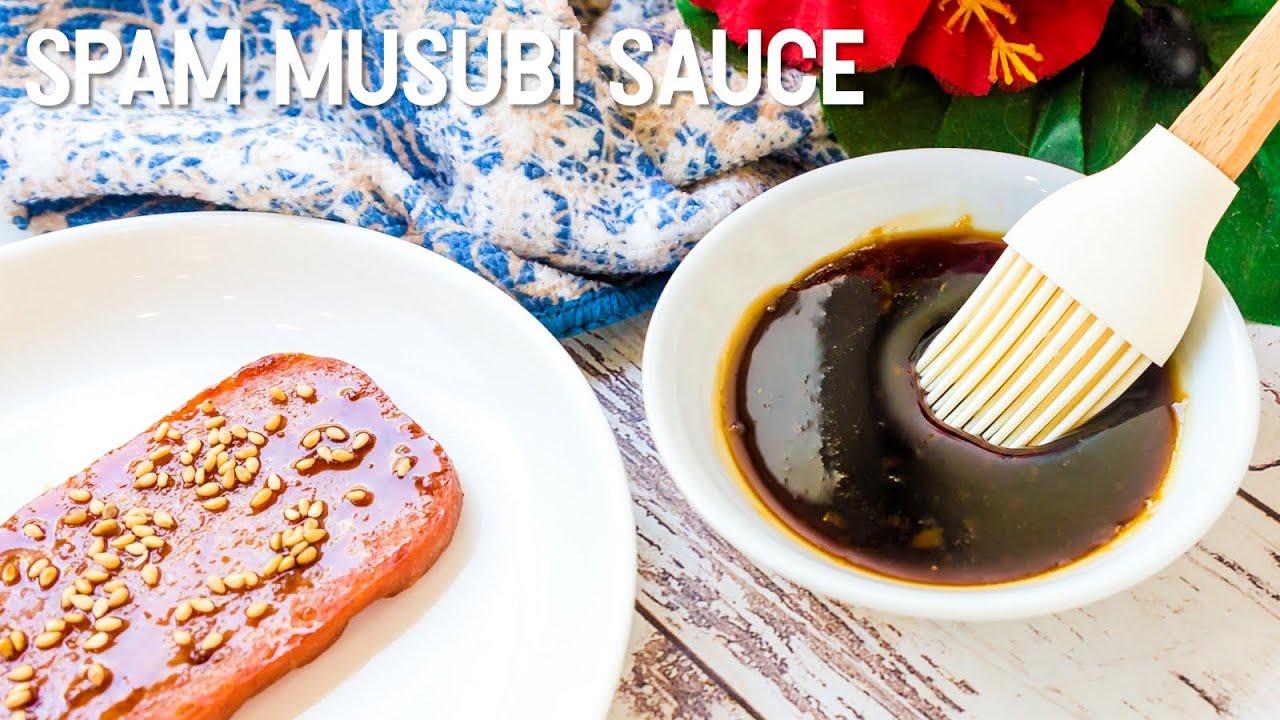
Spam Musubi Sauce Recipe: If you’ve ever bitten into a perfectly pressed Spam musubi and thought, “Wow, this is amazing,” chances are it had a killer sauce. The sauce is what elevates the whole experience from “just a snack” to “I need another one—now.”
This guide will walk you through the exact recipe, step by step, to help you make a flavorful Spam Musubi sauce that hits all the right notes—sweet, salty, tangy, and deeply umami.
What is Spam Musubi?
Spam Musubi is a popular Hawaiian snack that blends Japanese and American culinary influences. It’s essentially a slice of grilled Spam, glazed with a savory sauce, laid on top of or sandwiched within a block of rice, all wrapped in a strip of nori (seaweed). Think of it like a sushi roll meets comfort food—with bold flavors and a satisfyingly chewy texture.
The beauty of Spam Musubi is in its simplicity, but the sauce? That’s where the magic really happens. Without the sauce, you just have Spam and rice. Good? Sure. Great? Not quite. The sauce brings it all together.
Why the Sauce is the Star of the Dish
The sauce does more than just coat the Spam—it infuses it with flavor. When it caramelizes in the pan, it creates a glossy, sticky layer that’s sweet, salty, and utterly irresistible. A great Spam Musubi sauce should cling to the meat like a warm hug and should have enough depth to balance out the plain rice and seaweed.
What sets a good musubi apart from a great one is how well the sauce complements the Spam. Too salty, and it overpowers everything. Too sweet, and it tastes like candy. Just right? That’s when you’re in flavor heaven.
List of Ingredients You’ll Need
Essential Ingredients
Here’s your basic starter pack for the ultimate Spam Musubi sauce:
- Soy sauce (regular or low sodium) – 1/4 cup
- Brown sugar – 2 tablespoons
- Oyster sauce – 1 tablespoon
- Mirin (sweet cooking rice wine) – 2 tablespoons
- Rice vinegar – 1 teaspoon
- Garlic (minced or finely grated) – 1 clove
- Ginger (freshly grated) – 1/2 teaspoon
- Water – 2 tablespoons
Optional Flavor Boosters
If you want to take it up a notch:
- Honey or maple syrup – for a deeper sweetness
- Sriracha or chili flakes – to add a spicy kick
- Toasted sesame oil – for a nutty aroma
- Pineapple juice – for a Hawaiian twist
Kitchen Tools You’ll Need
- Small saucepan
- Whisk or spoon for stirring
- Measuring cups and spoons
- Airtight jar or container for storage
- Silicone spatula (optional but helpful)
Having everything ready before you start will make the process seamless.
Step-by-Step Guide to Making Spam Musubi Sauce
Step 1: Gather Your Ingredients
Start by laying out all your ingredients. Measure everything out before turning on the stove. This ensures you won’t be scrambling halfway through. Use fresh garlic and ginger if possible—powdered versions work but don’t give the same flavor depth.
Step 2: Prep the Saucepan
Place your saucepan over medium heat. Don’t rush this—starting with a hot pan can lead to burning the sugars before the flavors meld. You want a gentle, steady heat.
Step 3: Combine All Ingredients
Add the soy sauce, brown sugar, oyster sauce, mirin, rice vinegar, garlic, ginger, and water into the saucepan. Stir gently with your whisk or spoon until the sugar is mostly dissolved and everything is mixed.
You’ll notice the sauce starts to get a lovely dark caramel color. That’s the sugars and soy sauce marrying together—music to your nose and soon to your tastebuds.
Step 4: Simmer to Perfection
Let the sauce come to a soft boil, then reduce to a simmer. Stir occasionally so nothing sticks or burns. Let it simmer for about 5–7 minutes. You’re looking for a slightly thickened consistency. It should coat the back of a spoon but still pour easily.
Want it thicker? Let it simmer longer. Want it thinner? Add a splash of water. Adjust as needed.
Step 5: Cool and Store
Once you’re happy with the texture, remove it from the heat. Let the sauce cool completely before storing. Pour it into a clean jar or container and refrigerate. It’ll thicken slightly as it cools.
Stored properly, this sauce lasts for up to two weeks in the fridge.
Tips to Perfect Your Sauce
Want your Spam Musubi sauce to taste just like the ones from your favorite Hawaiian spot—or even better? It’s all about balance and little tweaks. Here are some game-changing tips to get that perfect sweet-savory glaze every time:
- Taste as you go – Everyone’s palate is different. Some like it sweeter, some prefer more umami. Take a small spoonful while it simmers and adjust with more sugar, soy sauce, or acidity as needed.
- Simmer slowly – Rushing the process can burn the sugars and turn your sauce bitter. A low simmer helps the flavors develop and the texture to become silky.
- Use high-quality ingredients – Premium soy sauce, real mirin (not the sugar-filled substitutes), and fresh garlic and ginger will make a big difference.
- Don’t skip oyster sauce – This is your umami bomb. It adds depth and richness that plain soy sauce just doesn’t have.
- Control the thickness – Want it stickier? Simmer longer. Want it thinner? Add a splash of water or pineapple juice to loosen it up.
A perfectly cooked sauce should cling to the Spam but still be pourable. If it looks like molasses, you’ve probably gone too far. Add a bit of water and whisk it back to life.
How to Use Spam Musubi Sauce
This sauce is more than just a glaze—it’s a flavor weapon. Here are a few awesome ways to use it that go beyond the basics:
Marinating the Spam
Before cooking your Spam, marinate the slices in your sauce for 15–30 minutes. This allows the flavor to seep in, making every bite delicious—not just the outer layer.
Tip: Flip the slices halfway through the marinade time so both sides soak up the flavor.
Drizzling Over Finished Musubi
Once your musubi is assembled, add a light drizzle of the sauce over the top before serving. It adds a glossy finish and makes it look gourmet.
This method is great when you’ve already cooked your Spam and want an extra layer of flavor without overcooking.
Using It as a Dipping Sauce
Yes, musubi is usually eaten like sushi, no dipping required—but this sauce is too good not to. Serve it on the side in a tiny ramekin. You’ll thank yourself.
You can also use it as a dipping sauce for dumplings, spring rolls, or grilled chicken. It’s that versatile.
Custom Variations of the Sauce
Want to make this sauce your own? Here are two easy variations that switch things up while keeping the base idea intact:
Sweet and Spicy Version
Add a small spoonful of sriracha or a pinch of red pepper flakes to the simmering sauce. Then, mix in a teaspoon of honey or maple syrup for a touch of natural sweetness.
This version hits all the notes—sweet, salty, spicy, and umami. Perfect if you like your Spam Musubi with a little kick.
Low-Sodium Alternative
Watching your salt intake? Swap in low-sodium soy sauce and cut the oyster sauce amount in half. You can also replace it with mushroom soy sauce or coconut aminos for a lighter option.
Then, bump up the garlic, ginger, and mirin to bring back some of the lost flavor without adding more salt.
Remember, low sodium doesn’t have to mean low taste!
Storing and Shelf Life
Once your sauce has cooled, store it in an airtight glass jar or bottle in the fridge. Here’s how to keep it fresh:
- Fridge Life: Up to 2 weeks
- Freezer Option: Freeze in ice cube trays, then store cubes in a freezer bag. Defrost only what you need.
Avoid storing in plastic containers long-term—soy sauce and vinegar can stain or leach flavor. Always use clean utensils when scooping out sauce to avoid contamination.
If it starts to smell funky, separates oddly, or shows any mold, toss it and make a fresh batch. Food safety first!
Common Mistakes to Avoid
Making sauce isn’t rocket science, but a few missteps can ruin the batch. Avoid these common errors:
- Burning the sauce – This happens when the heat is too high or you walk away from the stove. Stay close and stir!
- Over-salting – Soy sauce and oyster sauce are naturally salty. Resist the urge to add salt until the very end (and even then, taste first).
- Not reducing long enough – Thin, watery sauce doesn’t cling to Spam or rice. Simmer it until it slightly thickens. It will thicken more as it cools.
- Skipping key ingredients – Leaving out oyster sauce or mirin changes the whole flavor profile. If you must substitute, be sure to replace with something that offers similar taste.
- Adding cornstarch too early – If you’re using cornstarch to thicken, wait until the end. Adding it early can cause clumps or an unpleasant texture.
Pairing Ideas: What Goes Well with Spam Musubi
Spam Musubi is often a standalone snack, but if you want to serve it as part of a meal, here are some awesome pairings:
- Miso soup – Light and salty, balances the richness of the musubi
- Pickled vegetables – Adds crunch and acidity to cut through the fat
- Seaweed salad – A fresh, umami-packed side that complements perfectly
- Fried eggs – A breakfast-style pairing that’s totally satisfying
- Tropical fruit (pineapple or mango) – For that island-style sweet contrast
You could even build a Spam Musubi bento box. Include some rice balls, tamagoyaki (Japanese omelet), and some veggies, and you’ve got yourself a feast.
Nutritional Breakdown
While Spam Musubi sauce adds incredible flavor, it’s smart to know what’s going into your food—especially if you’re watching your sugar or sodium levels. Here’s a rough estimate of the nutritional breakdown for 2 tablespoons of the sauce (based on the standard recipe above):
| Nutrient | Approximate Value |
|---|---|
| Calories | 60–70 kcal |
| Total Fat | 0.5g |
| Carbohydrates | 12g |
| Sugars | 10g |
| Protein | 1g |
| Sodium | 600–800mg |
Key Takeaways:
- Sugar content comes mainly from brown sugar and mirin, so if you’re cutting back, consider halving the sugar and using a sugar substitute like monk fruit or stevia.
- Sodium is high, primarily due to soy sauce and oyster sauce. Using low-sodium soy sauce helps reduce this significantly.
- While not exactly a health food, this sauce can fit into a balanced diet when used in moderation.
If you’re prepping meals ahead, consider portioning the sauce in tablespoons to track your intake more easily.
Spam Musubi Sauce vs. Traditional Teriyaki Sauce
At first glance, Spam Musubi sauce might seem like teriyaki sauce’s cousin—and you’re not wrong. Both sauces share core ingredients like soy sauce, sugar, and mirin. But they’re not exactly twins. Here’s how they differ:
| Feature | Spam Musubi Sauce | Traditional Teriyaki Sauce |
|---|---|---|
| Base Flavor | Umami-heavy with a savory-sweet twist | Sweet and slightly tangy |
| Ingredients | Soy sauce, brown sugar, oyster sauce, garlic, ginger | Soy sauce, sugar, mirin, sake |
| Thickness | Thicker, designed to glaze and stick | Medium thickness, more pourable |
| Use Case | Designed specifically for Spam dishes | More versatile—used on chicken, fish, tofu |
Verdict:
If you’re making Spam Musubi, go with this specialized sauce. It was built for that exact purpose—rich, sticky, and layered with flavor that complements Spam’s saltiness. Teriyaki is more all-purpose and may taste a little flat in comparison when used for musubi.
FAQs about Spam Musubi Sauce Recipe
1. Can I make this Spam Musubi sauce ahead of time?
Absolutely! This sauce stores beautifully in the fridge for up to two weeks. Just let it cool completely before storing it in an airtight jar or container.
2. Is there a vegetarian version of this sauce?
Yes! Swap out the oyster sauce for mushroom stir-fry sauce or an extra splash of soy sauce with a pinch of mushroom powder for a similar umami flavor.
3. Can I use this sauce for other dishes?
Definitely. It works great as a marinade, dipping sauce, or glaze for meats, tofu, or even roasted veggies. It’s incredibly versatile.
4. How do I make the sauce thicker?
Just simmer it a bit longer. The water will evaporate and the sauce will naturally thicken. If you’re in a hurry, you can whisk in a cornstarch slurry (1 tsp cornstarch + 1 tbsp water) near the end.
5. What’s the best Spam flavor to use with this sauce?
Classic Spam is always a winner, but if you want a flavor twist, try using Spam Teriyaki, Spam Lite (for less fat), or even Spam Jalapeño if you like heat.
Conclusion
Making your own Spam Musubi sauce at home is a total game changer. It’s quick, customizable, and delivers a big punch of flavor that takes your musubi from decent to unforgettable. Once you get the hang of this sauce, you’ll find yourself reaching for it again and again—not just for Spam Musubi, but for stir-fries, grilled meats, noodles, and more.
The beauty of this sauce lies in its balance—the salty umami of soy and oyster sauce, the caramel sweetness of brown sugar, the subtle acidity of vinegar, and the warming depth of ginger and garlic. It’s simple, but not basic. And once it caramelizes on a crispy Spam slice? Pure heaven.
So next time you’re craving a taste of the islands or just need a quick, satisfying snack, whip up this sauce. Your taste buds will thank you.