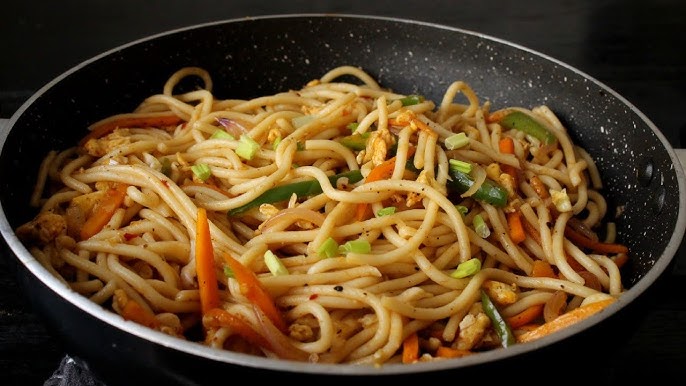
Spaghetti Noodle Recipe: Craving fresh pasta with that unbeatable homemade taste? You’re in the right place! Making your own spaghetti noodles isn’t just rewarding—it’s a surprisingly simple process that transforms your meals from average to absolutely mouthwatering.
With just a few staple ingredients and a bit of patience, you’ll whip up spaghetti noodles that could rival any Italian grandmother’s recipe.
Ready to impress your family, your date, or just treat yourself to something delicious? Let’s dive in.
Why Make Homemade Spaghetti Noodles?
Sure, store-bought spaghetti is convenient, but homemade pasta? It’s in a league of its own. The texture is smoother, the flavor is richer, and you have complete control over what goes into it. No preservatives. No weird additives. Just flour, eggs, and a little love.
Beyond taste, there’s also something therapeutic about kneading your dough and watching it come to life. Plus, you can tweak your noodles—want spinach noodles? Go for it. Gluten-free? You’re in charge. Making spaghetti from scratch is more than just cooking—it’s a mini adventure in your kitchen.
List of Ingredients You’ll Need
Basic Ingredients
To get started with a classic spaghetti noodle recipe, you’ll only need a few kitchen staples:
- 2 cups all-purpose flour (or use semolina for a more authentic bite)
- 3 large eggs
- 1 tablespoon olive oil (optional but recommended)
- 1/2 teaspoon salt
These ingredients are the foundation. The flour forms the structure, the eggs bring richness and moisture, and the olive oil adds a touch of silkiness to the dough.
Optional Add-Ins for Flavor and Color
Want to spice things up a bit? Here are a few ingredients to take your spaghetti to the next level:
- Spinach puree – for green noodles
- Beet juice – for beautiful pink pasta
- Squid ink – for black spaghetti (very gourmet!)
- Herbs like basil or oregano – knead them right into the dough
- Chili flakes – for a spicy kick
Feel free to experiment. That’s the beauty of homemade pasta!
Essential Tools for Making Spaghetti Noodles
While you don’t need a lot of fancy gadgets, having the right tools can make the process smoother and more enjoyable:
- Mixing bowl
- Fork or dough whisk
- Clean countertop or wooden board for kneading
- Rolling pin (or pasta roller for even thickness)
- Knife or spaghetti cutter attachment
- Drying rack or clean kitchen towel
- Large pot for boiling
Optional but helpful tools:
- Pasta machine (manual or electric)
- Dough scraper (for cleaner kneading)
- Kitchen scale (for precision)
Types of Flour to Use for Pasta
Not all flours are created equal when it comes to pasta. Here’s a quick breakdown:
All-Purpose Flour
- Most accessible
- Creates soft, smooth pasta
- Slightly less chewy than other flours
Semolina Flour
- Traditional choice for Italian pasta
- Has a coarser texture
- Gives spaghetti a firmer, toothier bite
- Rich yellow color
You can also mix both types to balance texture and elasticity. A 50/50 mix is a great place to start if you’re unsure.
Understanding the Pasta Dough
Good pasta dough should feel firm but pliable—like playdough but a bit more elastic. If it’s too dry, your noodles will crack. Too wet? They’ll be a sticky mess.
Dough Consistency Tips:
- If the dough is crumbly: Add water, 1 tsp at a time.
- If the dough is sticky: Dust with flour and knead again.
- Always rest your dough—it makes rolling MUCH easier.
Kneading Techniques
You’ll knead for about 8–10 minutes. Push the dough away with the heel of your hand, fold it over, rotate, and repeat. You’re building gluten, which is the magic behind that perfect pasta bite.
Step-by-Step Guide: Making Spaghetti Noodles from Scratch
This is the heart of our journey. Follow these steps closely, and you’ll master homemade spaghetti noodles in no time.
Step 1: Prepare Your Workspace
Clean your countertop or cutting board thoroughly. Dust it with a bit of flour to prevent sticking. Keep your tools nearby—nothing worse than sticky hands when you need a knife!
Step 2: Mix the Dough
Form a mound with your flour. Make a deep well in the center and crack your eggs into it. Add salt and olive oil.
Using a fork, gently beat the eggs and slowly start pulling flour in from the edges. Keep mixing until a shaggy dough forms.
Step 3: Knead the Dough
Once it’s too thick to stir, switch to your hands. Press and fold, press and fold. Knead vigorously for about 10 minutes until your dough is smooth and elastic. It should spring back slightly when pressed.
If it’s sticky, sprinkle a little more flour. If it’s too dry, dip your fingers in water and continue kneading.
Step 4: Rest the Dough
Wrap your dough tightly in plastic wrap and let it rest at room temperature for at least 30 minutes. This lets the gluten relax, making rolling much easier later.
You can also refrigerate it for up to 24 hours. Just let it warm back up before rolling.
Step 5: Roll Out the Dough
Cut your rested dough into quarters to make it more manageable. Flatten one piece slightly and roll it out with a rolling pin or feed it through your pasta machine, starting at the thickest setting and gradually going thinner.
Aim for a thickness of about 1-2 mm. Dust with flour if it gets sticky.
Step 6: Cut Into Spaghetti
Now comes the fun part. You can use:
- A knife to cut thin strips
- A pasta cutter
- A spaghetti roller attachment
After cutting, lightly dust the noodles with flour so they don’t stick.
Step 7: Dry the Pasta (Optional)
You can cook your noodles immediately, or let them dry for later. Hang them on a drying rack or spread them out on a floured surface. Let them dry for 1–2 hours before storing.
Store in an airtight container in the fridge for up to 2 days or freeze for longer storage.
Step 8: Cook the Spaghetti
Bring a large pot of salted water to a rolling boil. Add your fresh spaghetti and cook for:
- 2–3 minutes for fresh pasta
- 8–12 minutes for dried
Taste for doneness—it should be al dente, tender with a slight bite.
How Long to Cook Fresh vs. Dry Spaghetti
Cooking time can vary quite a bit between fresh and dried spaghetti, so here’s a simple breakdown to keep you on track:
Fresh Spaghetti:
- Cooking Time: 2 to 3 minutes
- Texture: Softer, more delicate, and tender
- Tips: Keep an eye on it! It cooks super fast. Overcooking can turn it mushy in a flash.
Dry Spaghetti:
- Cooking Time: 8 to 12 minutes
- Texture: Firmer, classic al dente bite
- Tips: Stir occasionally to avoid sticking. Taste test a strand around the 8-minute mark for your preferred firmness.
Pro Tip: Always salt your boiling water—about 1 tablespoon of salt per 4 quarts of water. This flavors the pasta from the inside out. Think of it as seasoning your noodles from the start, not just your sauce.
Serving Suggestions
Once your spaghetti is cooked, you’ve got endless possibilities for topping it off. Here are some go-to ideas and combinations to elevate your dish:
Classic Sauces That Pair Well:
- Marinara Sauce: A rich tomato-based sauce with garlic, onions, and basil.
- Bolognese: Hearty and meaty. Perfect for a big appetite.
- Alfredo: Creamy, cheesy, and ideal with freshly cracked pepper.
- Pesto: Made with basil, pine nuts, Parmesan, and olive oil—fresh and vibrant.
- Aglio e Olio: Just garlic, olive oil, chili flakes, and parsley—super simple and so flavorful.
Toppings and Add-Ons:
- Grated Parmesan or Pecorino Romano
- Fresh herbs like basil, oregano, or parsley
- Sautéed mushrooms or spinach
- Grilled chicken, shrimp, or tofu
- Olives or sun-dried tomatoes for a Mediterranean twist
Mix and match based on your mood, what’s in your pantry, or the occasion.
Storage Tips for Fresh Pasta
Made a big batch? No worries. Homemade spaghetti stores quite well when handled properly.
Short-Term Storage (Up to 2 Days):
- Toss noodles lightly with flour or semolina to prevent sticking.
- Store in an airtight container in the refrigerator.
- Let it come to room temperature before cooking for even texture.
Freezing Homemade Spaghetti:
- Shape into loose nests and place on a tray lined with parchment paper.
- Freeze for 1–2 hours until firm.
- Transfer to a freezer-safe bag and store for up to 2 months.
When you’re ready to cook, just drop the frozen pasta straight into boiling water—no thawing needed!
Common Mistakes to Avoid
Even the most seasoned home cooks slip up. Here are some pitfalls you’ll want to steer clear of:
1. Skipping the Rest Time
Rushing your dough? You’ll end up with tight, hard-to-roll pasta. Resting the dough lets gluten relax for easier rolling and better texture.
2. Adding Too Much Flour
While flour is essential, adding too much while kneading or rolling will dry out your dough and make it crumbly.
3. Not Salting the Water
If your pasta water isn’t salted enough, your noodles will taste bland no matter how great your sauce is.
4. Overcooking Fresh Pasta
Fresh pasta cooks in just 2-3 minutes. Walk away from the pot and you might come back to soggy spaghetti.
5. Storing While Wet
Make sure noodles are dry before refrigerating or freezing to prevent clumping and mold.
Avoiding these common errors means your homemade spaghetti will turn out restaurant-quality every single time.
Spaghetti Noodle Variations Around the World
Spaghetti may have Italian roots, but cultures around the globe have created their own twists on these iconic noodles. Check out these international variations:
1. Italian Spaghetti alla Carbonara
Made with eggs, cheese, pancetta, and pepper—no cream needed. Creamy, rich, and iconic.
2. Filipino Spaghetti
Sweet-style with banana ketchup, ground meat, and hot dogs. A childhood favorite in the Philippines.
3. Japanese Spaghetti Napolitan
Stir-fried with onions, bell peppers, sausage, and ketchup. Simple and satisfying.
4. Spaghetti Aglio e Olio
From Naples—garlic, chili flakes, olive oil. Basic but bold.
5. Mediterranean Spaghetti
Topped with feta cheese, olives, cherry tomatoes, and oregano—light and fresh.
No matter the version, spaghetti adapts to cultures, preferences, and pantry staples. It’s the ultimate culinary chameleon!
FAQs about Spaghetti Noodle Recipe
1. Can I make spaghetti noodles without a pasta machine?
Absolutely! You can roll out the dough with a rolling pin and cut it by hand. It takes a little more elbow grease, but it works just as well.
2. How can I make gluten-free spaghetti noodles?
Use a gluten-free flour blend designed for pasta-making. Rice flour and tapioca starch combinations often work well. Add xanthan gum for better elasticity.
3. What’s the best flour for making authentic Italian spaghetti?
Semolina flour (or “00” flour if you’re making egg pasta) is the gold standard in Italy. It gives the noodles that firm, slightly chewy bite.
4. Can I dry homemade spaghetti noodles for storage?
Yes! Hang them or lay them on a floured surface for 24–48 hours until completely dry. Store in an airtight container in a cool, dry place for up to 1 month.
5. What’s the difference between spaghetti and other long noodles like linguine or fettuccine?
The main difference is width and thickness. Spaghetti is thin and round. Linguine is slightly flatter. Fettuccine is broader and more ribbon-like. They all use similar dough but have different sauce pairings.
Conclusion
Homemade spaghetti noodles are more than just a recipe—they’re a delicious labor of love. With just a few basic ingredients and a bit of patience, you can create pasta that’s tender, flavorful, and endlessly customizable. Whether you’re cooking for friends, family, or just yourself, nothing beats the taste (and pride!) of pasta made by hand.
So grab your flour, crack those eggs, and start kneading your way to pasta perfection. Once you go homemade, you’ll never look at boxed noodles the same way again.