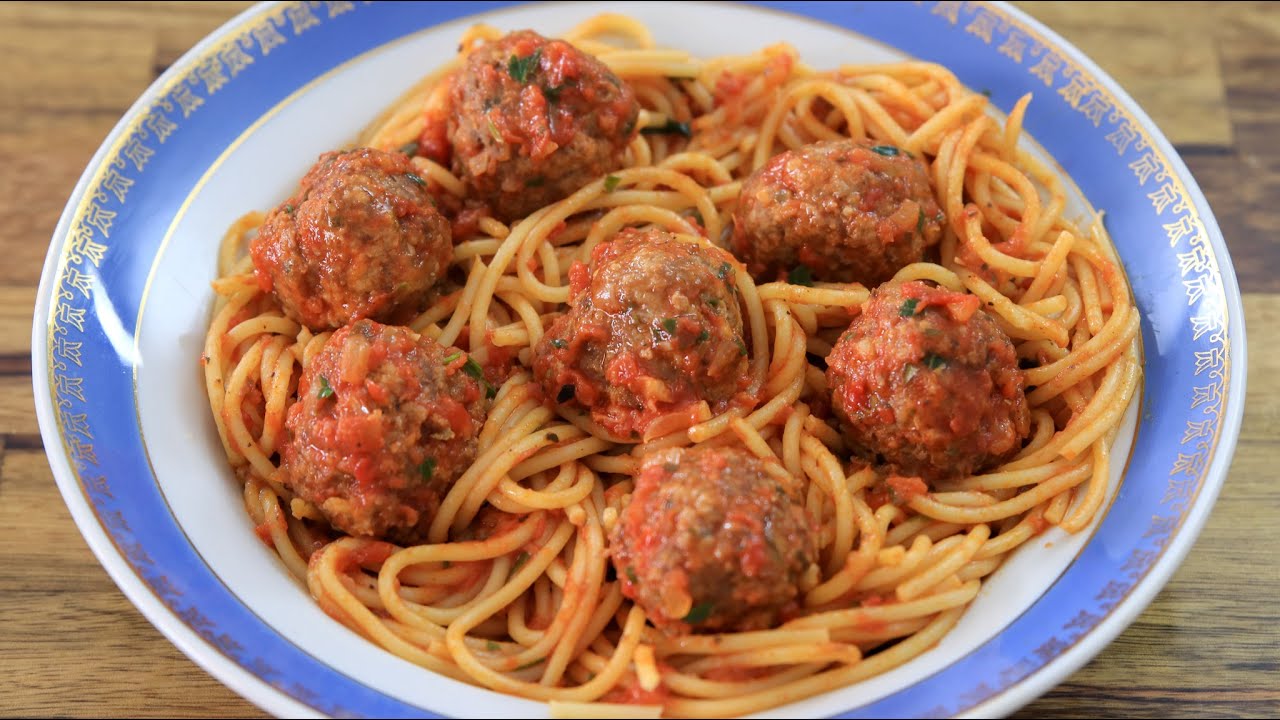
Spaghetti Meatballs Recipe: Is there anything more comforting than a plate of spaghetti and meatballs? It’s like a warm hug on a plate. From Italian-American kitchens to weeknight family dinners, this dish has earned its place as a timeless classic. But let’s be honest—most of us have settled for canned sauces or frozen meatballs at some point. The good news? You don’t have to anymore.
In this guide, we’re going full homemade. That means juicy, tender meatballs made from scratch, a slow-simmered tomato sauce with real flavor, and perfectly cooked pasta that holds everything together like a pro.
And yes—we’re doing this step by step, so you won’t get lost halfway through. Whether you’re a beginner or just looking to upgrade your current recipe, you’re in the right place.
Benefits of Making Spaghetti and Meatballs at Home
Let’s start with why you should even bother making this dish from scratch. Can’t you just buy it pre-made? Sure, but you’d be missing out—big time.
- Full control over ingredients – No preservatives, weird fillers, or crazy amounts of sugar. You decide what goes in.
- Customize it to your taste – Want more garlic? Extra herbs? Maybe a spicy kick? Go wild.
- It’s cheaper than takeout – Buying basic ingredients can make several portions and save you money.
- It’s therapeutic – Cooking can be relaxing, and rolling those meatballs? Weirdly satisfying.
- Better for your health – Homemade meals mean you can cut back on salt, fats, or carbs without losing flavor.
- Great for family bonding – Have kids or a partner? Let them help roll the meatballs or stir the sauce. Instant memories.
Homemade spaghetti and meatballs isn’t just about the end result—it’s about enjoying the process.
Ingredients You’ll Need
Let’s talk about what you’ll actually need. This list may look long, but don’t be intimidated. Most are pantry staples or basic fresh ingredients.
For the Meatballs:
- 1 lb (450g) ground beef (80/20 fat content works best)
- ½ lb (225g) ground pork (optional but adds richness)
- ½ cup breadcrumbs
- ¼ cup milk
- 1 egg
- ¼ cup grated Parmesan cheese
- 2 garlic cloves, minced
- 1 tablespoon chopped parsley
- 1 teaspoon dried oregano
- Salt and pepper to taste
- Olive oil (for frying or baking)
For the Sauce:
- 2 tablespoons olive oil
- 1 small onion, finely chopped
- 3 garlic cloves, minced
- 1 can (28 oz) crushed tomatoes
- 1 tablespoon tomato paste
- 1 teaspoon sugar (optional, to balance acidity)
- Salt and pepper to taste
- ½ teaspoon red pepper flakes (optional)
- Fresh basil or parsley for garnish
For the Spaghetti:
- 12 oz to 16 oz spaghetti (depending on servings)
- Salt (for pasta water)
- Water for boiling
Optional Add-ins:
- Red wine (½ cup for the sauce, totally optional)
- More Parmesan for topping
- A splash of heavy cream in the sauce for richness
Keep everything ready so you’re not scrambling halfway through.
Essential Kitchen Tools
Cooking spaghetti and meatballs doesn’t require a professional kitchen, but a few tools will make your life easier:
- Large skillet or frying pan (for browning meatballs)
- Dutch oven or deep pot (for sauce)
- Pasta pot with strainer
- Mixing bowls (for meatball mixture)
- Measuring cups and spoons
- Garlic press or microplane
- Wooden spoon or spatula
- Tongs for tossing pasta
- Ladle (for serving sauce)
If you’re missing any of these, improvise—but having the right gear will speed things up and improve results.
Preparation Tips Before You Begin
Before we jump into the actual cooking, here are a few quick prep tips to set you up for success:
- Soak your breadcrumbs in milk before mixing to keep meatballs moist.
- Don’t overmix the meat or you’ll end up with rubbery balls.
- Taste your seasoning by frying a small test piece of the meatball mix before shaping the rest.
- Let meatballs rest before cooking—this helps them hold shape.
- Simmer sauce on low to let the flavors develop (don’t rush it).
- Salt your pasta water like the sea—it’s the only chance to season the noodles.
A little prep upfront makes the whole process smoother.
Step-by-Step Guide to Making Spaghetti and Meatballs
Let’s get into the meat (pun intended) of this article. Follow these steps exactly, and you’ll end up with restaurant-level results in your own kitchen.
Step 1: Gather and Prepare Ingredients
Measure and prepare all ingredients before cooking. You’ll need ground beef (or a beef-pork mix), breadcrumbs, eggs, garlic, onion, Parmesan cheese, herbs, tomato sauce, olive oil, salt, pepper, and spaghetti. Having everything ready makes cooking smooth and stress-free.
Step 2: Make the Meatball Mixture
In a large bowl, combine ground meat, breadcrumbs, egg, minced garlic, grated Parmesan, chopped onion, salt, pepper, and dried herbs. Mix gently with your hands until just combined. Overmixing can make meatballs dense.
Step 3: Shape and Cook the Meatballs
Roll the mixture into evenly sized meatballs. Heat olive oil in a pan over medium heat and brown the meatballs on all sides. They don’t need to cook through at this stage—just develop a golden crust. Set aside.
Step 4: Prepare the Sauce
In the same pan, add a little olive oil if needed. Sauté garlic and onion until soft, then add tomato sauce, a pinch of sugar (optional), salt, pepper, and herbs. Stir well and bring to a gentle simmer.
Step 5: Simmer Meatballs in Sauce
Return the browned meatballs to the sauce. Cover and simmer on low heat for 20–30 minutes, allowing the meatballs to cook fully and absorb the sauce’s flavor.
Step 6: Cook the Spaghetti
Bring a large pot of salted water to a boil. Cook the spaghetti according to package instructions until al dente. Drain, reserving a little pasta water if needed.
Step 7: Combine and Serve
Toss the spaghetti lightly with the sauce or serve topped with meatballs and extra sauce. Garnish with grated Parmesan and fresh basil. Serve hot and enjoy a classic, comforting meal. 🍝
Pro Tips to Elevate Your Spaghetti and Meatballs
Now that you’ve got the basics down, let’s take things to the next level. Here are some expert-level tips that will upgrade your spaghetti and meatballs from “great” to “legendary”:
- Use a meat mix – Combining beef and pork (or even veal) adds layers of flavor and a softer texture. Beef alone works, but pork brings that melt-in-your-mouth tenderness.
- Fresh herbs > dried – Dried oregano and parsley are convenient, but if you have fresh ones on hand, go for it. It’s a noticeable flavor boost.
- Add umami bombs – Want that savory, “can’t-stop-eating-this” flavor? A dash of Worcestershire sauce or a sprinkle of anchovy paste in your meat mixture or sauce will do the trick.
- Finish with butter – Adding a tablespoon of butter at the end of cooking your sauce gives it a glossy finish and rich flavor. It’s a restaurant trick, and it works like magic.
- Grate your own cheese – Pre-shredded Parmesan contains anti-caking agents that can affect texture. Grate it fresh for best taste and melt.
- Simmer low and slow – Don’t rush the sauce. Letting it simmer longer allows the flavors to meld and intensify, especially with the meatballs bathing in it.
- Pasta water is gold – That starchy water you saved? It helps the sauce bind to the noodles and keeps things from getting dry.
Little tweaks like these separate the good cooks from the great ones!
Variations of Spaghetti and Meatballs
Want to mix things up a bit? Here are some creative takes on the traditional recipe to suit various diets or spice up your routine:
1. Vegetarian Version
- Replace meat with plant-based ground or lentils.
- Use flaxseed and water as an egg substitute.
- Add finely chopped mushrooms for umami and texture.
- Cook the veggie balls carefully—they’re more delicate than meat versions.
2. Gluten-Free Spaghetti and Meatballs
- Use gluten-free pasta (like rice or chickpea-based noodles).
- Replace breadcrumbs with gluten-free oats or crushed gluten-free crackers.
- Double-check all sauces and spice blends for hidden gluten.
3. Cheese-Stuffed Meatballs
- Take a cube of mozzarella and place it in the center of each meatball before shaping.
- Seal carefully to avoid leaks.
- When you cut into the meatball—cheesy surprise! Total game-changer.
4. Spicy Kick
- Add crushed red pepper to the meat mixture and sauce.
- Try a dash of hot sauce or cayenne if you’re really brave.
5. Healthier Swaps
- Use lean turkey or chicken instead of beef and pork.
- Add grated zucchini or carrots to the meat mixture for moisture and nutrition.
So many ways to put your own twist on this dish while keeping it delicious!
How to Store and Reheat Leftovers
Got leftovers? Lucky you. Spaghetti and meatballs make excellent next-day meals. Here’s how to keep them tasting fresh:
In the Fridge:
- Store meatballs and sauce together in an airtight container for up to 4 days.
- Pasta can be stored separately or mixed in. If stored separately, toss with a little olive oil to prevent sticking.
In the Freezer:
- Freeze meatballs in sauce in a freezer-safe container for up to 3 months.
- Cooked pasta doesn’t freeze as well, but you can always make fresh noodles later.
To Reheat:
- Microwave – Heat in a covered dish, stirring halfway through.
- Stovetop – Warm the sauce and meatballs over low heat, add a splash of water or broth if needed.
- Oven – Place in a covered baking dish at 350°F (175°C) for 20–30 minutes.
Avoid overheating or microwaving too long, or you’ll end up with rubbery meatballs or dry pasta.
Best Side Dishes to Serve With Spaghetti and Meatballs
Want to make it a full meal? These side dishes are the perfect partners for your pasta:
- Garlic Bread – Crunchy, buttery, and ideal for soaking up extra sauce.
- Caesar Salad – Crisp, tangy, and balances the richness of the main dish.
- Roasted Vegetables – Zucchini, bell peppers, and broccoli roast up fast and add color to your plate.
- Caprese Salad – Tomato, mozzarella, and basil—simple and refreshing.
- Antipasto Platter – Add olives, cured meats, and cheese for a pre-meal nibble.
Simple sides = elevated dinner.
Spaghetti and Meatballs for Meal Prep
This dish is a meal prep dream. You can make a big batch over the weekend and eat well all week.
How to Do It:
- Cook and cool the meatballs and sauce completely.
- Store in portioned containers with spaghetti or just keep sauce and meatballs separate for flexibility.
- For extra variety, try serving meatballs with rice, zoodles, or in a sandwich.
Pro Meal Prep Tip: Freeze individual portions for grab-and-go meals. Perfect for busy school nights or work lunches.
Pairing Wine or Drinks With This Meal
You don’t need a sommelier to enjoy wine with spaghetti and meatballs. Here are some tasty, low-effort drink pairings:
- Red Wine: Go for Chianti, Zinfandel, or Sangiovese—bold enough to handle the sauce and meat.
- White Wine: Prefer white? Try a Pinot Grigio or Chardonnay if your sauce is on the creamy side.
- Non-Alcoholic: Sparkling water with lemon, iced tea, or a fizzy Italian soda complements the dish well.
- Kids’ Favorite: A cold glass of apple juice or lemonade is a hit with the younger crowd.
Choose what feels right—you’re the chef tonight!
Kid-Friendly Tips
Feeding picky eaters? No problem. Spaghetti and meatballs can be a kid magnet with just a few tweaks:
- Mini meatballs – Small, bite-sized versions are easier for kids to eat.
- Mild flavors – Go easy on the garlic and chili flakes.
- Fun shapes – Use spaghetti alternatives like spiral noodles or alphabet pasta for younger kids.
- Get them involved – Let them roll meatballs or sprinkle cheese. They’ll be more excited to eat it.
It’s the kind of meal that turns dinnertime into quality family time.
Common Mistakes and How to Avoid Them
Even simple recipes have their pitfalls. Here are some common spaghetti-and-meatball mishaps—and how to dodge them:
- Overmixing meat – Leads to tough, rubbery meatballs.
- Under-seasoning – Don’t forget to taste and adjust.
- Boiling sauce – Always simmer sauce gently to avoid bitterness.
- Overcooking pasta – Al dente is the goal. Mushy pasta ruins the dish.
- Skipping pasta water – That starchy liquid is your secret sauce savior.
- Dry meatballs – Use enough fat and breadcrumbs to keep them juicy.
Master these details, and your results will speak for themselves.
FAQs about Spaghetti Meatballs Recipe
1. Can I bake instead of fry the meatballs?
Yes! Baking is a great alternative if you want to avoid extra oil. Just place meatballs on a greased sheet and bake at 400°F (200°C) for 15–20 minutes until golden brown.
2. Can I use jarred sauce instead of homemade?
You can, but homemade sauce is way more flavorful and allows customization. If using jarred, try adding fresh garlic or herbs to improve the flavor.
3. How do I make the meatballs more tender?
Don’t overmix the meat, and be sure to soak your breadcrumbs in milk. Adding pork or veal also softens the texture.
4. Can I use turkey or chicken instead of beef?
Absolutely. Just make sure to add some extra fat (like olive oil) to prevent dryness since poultry is leaner than beef or pork.
5. How long does spaghetti and meatballs last in the fridge?
Stored in an airtight container, it will keep for up to 4 days. Reheat gently to preserve flavor and texture.
Conclusion
And there you have it—the ultimate guide to making spaghetti and meatballs from scratch. It’s more than just a recipe; it’s a tradition, a comfort, and a culinary canvas you can tweak endlessly. Whether you’re making this for Sunday dinner, a special occasion, or just because you’re craving something hearty, this dish will never disappoint.
Once you’ve made this homemade version, you’ll never want to go back to frozen meatballs or jarred sauce. With rich tomato flavor, juicy meatballs, and perfectly cooked pasta, this is a meal that feeds the stomach and the soul.
So roll up those sleeves, tie on that apron, and get cooking—you’ve got a masterpiece to make!