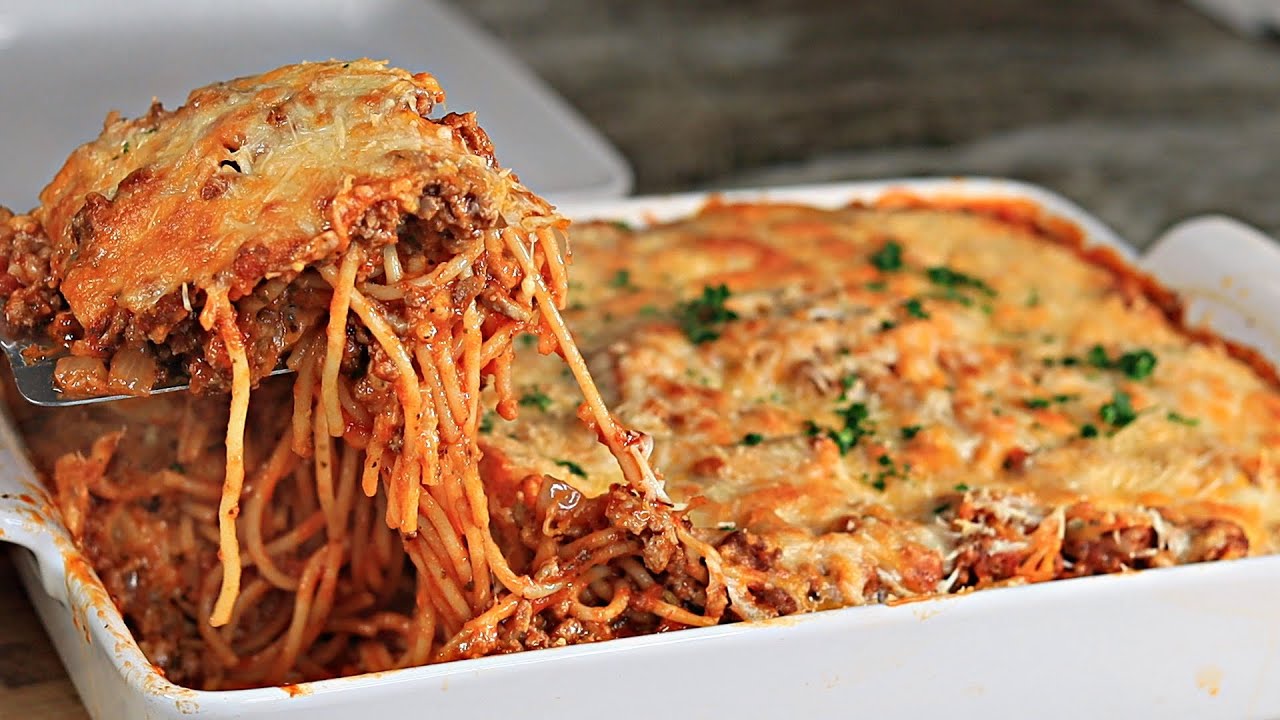
Spaghetti Casserole Recipe: Looking for a cozy, comforting dish that’s both family-approved and easy to make? Say hello to spaghetti casserole—the ultimate twist on classic spaghetti that’s baked to golden, cheesy perfection. Think of it as spaghetti’s cooler, layered cousin. This recipe combines the savory joy of spaghetti with the homey satisfaction of a casserole. It’s rich, filling, and comes together with just a few simple steps, making it perfect for weeknight dinners or meal prep Sundays.
What makes spaghetti casserole a rockstar in the world of easy dinners? It’s versatile, budget-friendly, and can feed a crowd without stress. Whether you’re a seasoned home cook or a kitchen newbie, this recipe will guide you step-by-step to spaghetti casserole heaven.
From boiling noodles to creating a rich meat sauce and baking it all into a bubbling, melty dish of goodness—this guide walks you through every detail. Get ready to elevate your pasta game.
Ingredients You’ll Need
You don’t need a pantry full of exotic items to make this mouthwatering casserole. The beauty of this recipe lies in its simplicity. Here’s your go-to list of ingredients:
Main Ingredients:
- Spaghetti noodles – 1 pound (regular or thin)
- Ground beef – 1 pound (or ground turkey/chicken for leaner options)
- Onion – 1 medium, finely chopped
- Garlic – 2 cloves, minced
- Marinara sauce – 3 cups (store-bought or homemade)
- Tomato paste – 2 tablespoons (for richness)
- Italian seasoning – 1 tablespoon
- Salt and pepper – to taste
- Mozzarella cheese – 2 cups shredded
- Parmesan cheese – ½ cup shredded
- Eggs – 2 (helps bind the pasta together)
- Butter – 2 tablespoons (adds creaminess)
- Milk – ½ cup (optional, for a creamier texture)
Optional Add-ons and Variations:
- Bell peppers, mushrooms, or zucchini – sautéed with the meat
- Crushed red pepper flakes – for a spicy kick
- Ricotta cheese or cottage cheese – layered in for creaminess
- Fresh basil or parsley – for garnish
- Olives or sun-dried tomatoes – for a Mediterranean twist
These ingredients offer a great base, but don’t be afraid to experiment. The best part about casseroles is that they’re incredibly forgiving. Have leftover sausage or rotisserie chicken? Toss it in!
Tools and Equipment
You don’t need fancy gadgets to whip up this casserole, just a few basic kitchen essentials. Here’s what you’ll need:
Essential Kitchen Tools:
- Large pot – for boiling the spaghetti
- Large skillet or sauté pan – for cooking the meat sauce
- Mixing bowls – to combine ingredients
- 9×13 baking dish – standard casserole size
- Colander – to drain pasta
- Cheese grater – if using block cheese
- Measuring cups and spoons – for accuracy
- Aluminum foil – to cover the dish during baking (if needed)
Substitutions and Tips:
- No baking dish? Use any oven-safe pan of similar size.
- Use pre-shredded cheese for convenience, but freshly shredded melts better.
- Glass or ceramic baking dishes work best for even cooking.
These simple tools are likely already in your kitchen. If not, they’re affordable and easy to find at any store. Having everything prepped and within reach will make the cooking process smoother and more enjoyable.
Preparation Before Cooking
Before you start throwing ingredients together, a little prep goes a long way. Proper preparation helps everything cook evenly and makes the process feel less chaotic.
Pre-Cooking Steps:
- Preheat the oven to 375°F (190°C). This ensures the casserole bakes evenly.
- Boil water in a large pot for your spaghetti.
- Chop your veggies (onions, garlic, and any add-ons).
- Grate the cheese, if you haven’t already.
Ingredient Prep and Time-Saving Tips:
- Use frozen chopped onions and garlic paste if you’re in a rush.
- Pre-cook the meat while the spaghetti is boiling to save time.
- If using veggies like bell peppers or mushrooms, sauté them ahead of time to avoid excess water in the casserole.
- Want extra creaminess? Mix eggs, milk, and a tablespoon of melted butter in a bowl and toss it with the drained spaghetti before layering.
Being a little organized beforehand means you won’t forget that essential step or end up overcooking your pasta. Speaking of pasta…
Step-by-Step Cooking Instructions
Let’s break it down! Follow these simple steps, and you’ll have a delicious, bubbling spaghetti casserole ready in no time.
Step 1: Cook the Spaghetti
Start by bringing a large pot of salted water to a boil. Toss in your spaghetti and cook it until it’s just shy of al dente—about 7-8 minutes. Why not fully cook it? Because it’ll continue to soften in the oven. Once done, drain the pasta and toss it with a little butter or olive oil to keep it from sticking.
Step 2: Prepare the Meat Sauce
In a large skillet, brown the ground beef over medium heat. Once it’s no longer pink, add in your chopped onions and garlic. Sauté until fragrant. Stir in the marinara sauce, tomato paste, and seasonings. Let it simmer for 10–15 minutes until thick and flavorful.
Step 3: Combine Pasta and Sauce
Now that your spaghetti is cooked and your sauce is simmering with that delicious aroma filling the kitchen, it’s time to marry the two. In a large mixing bowl, toss the spaghetti with half of the meat sauce. If you’re going for extra creamy, this is also the moment to mix in the egg, milk, and butter blend. This helps bind the pasta together when baking and adds an indulgent texture that clings to every bite.
Be gentle while mixing. You want the noodles coated but not broken. Make sure the sauce covers the spaghetti evenly so every forkful bursts with flavor. Don’t forget to sneak a taste—you’ll want to make sure your seasoning is on point.
Step 4: Layer the Casserole
This step is like building lasagna, but much easier. Grease your 9×13 baking dish with a bit of olive oil or non-stick spray. Start with a thin layer of the reserved meat sauce at the bottom—this prevents sticking and adds moisture.
Now layer in this order:
- Half of the spaghetti-sauce mix
- Sprinkle a generous layer of mozzarella cheese
- Add dollops of ricotta or a sprinkle of Parmesan (optional)
- Add the remaining spaghetti mix
- Top with the rest of the meat sauce
- Finish with a mountain of shredded mozzarella and a touch of Parmesan
If you love crispy cheese edges (who doesn’t?), make sure to get some cheese near the edges of the dish.
Step 5: Bake to Perfection
Preheat your oven to 375°F if you haven’t already. Cover the dish loosely with foil and bake for about 20 minutes to warm everything through. Remove the foil and bake for another 10-15 minutes, or until the cheese on top is bubbly and golden brown.
Want extra browning on the top? Switch the oven to broil for the last 2-3 minutes, keeping a close eye to avoid burning.
Once done, remove from the oven and let it rest for 10 minutes. This helps it set and makes slicing so much easier. Serve hot, with some fresh parsley sprinkled on top for color and freshness.
Tips for a Perfect Spaghetti Casserole
Even a simple recipe like this can be elevated with a few expert touches. Here are some pro tips that will make your spaghetti casserole restaurant-worthy.
Flavor Enhancements:
- Use fresh herbs like basil and oregano instead of dried for a burst of garden flavor.
- Add a pinch of nutmeg or smoked paprika for depth.
- Stir a spoon of cream cheese into the sauce for richness.
Texture Tricks:
- Cook pasta slightly under to avoid mushiness after baking.
- Don’t overload with sauce—aim for a balanced coating, not soup.
- Mix cheeses (mozzarella, cheddar, provolone) for a more complex flavor.
Make-Ahead Hacks:
- Assemble the dish up to a day in advance and refrigerate until ready to bake.
- Let the casserole sit out for 20 minutes before baking if it’s coming straight from the fridge to ensure even cooking.
Common Mistakes to Avoid:
- Overcooking pasta before baking—it turns mushy fast.
- Skipping the resting period—this leads to sloppy slices.
- Using low-fat cheese only—while healthier, it doesn’t melt as well.
The casserole is all about balance: flavor, texture, and timing. Once you get the hang of it, you’ll be able to riff on the base recipe endlessly.
Storage and Reheating Instructions
One of the best things about spaghetti casserole is how well it stores and reheats. You can make a big batch and enjoy it all week long.
In the Refrigerator:
- Let the casserole cool completely before storing.
- Cover with foil or plastic wrap, or transfer to an airtight container.
- It will last up to 4 days in the fridge.
In the Freezer:
- Freeze the whole dish or individual portions.
- Wrap tightly in foil, then plastic wrap or place in freezer-safe containers.
- Label with the date—it’ll keep for up to 3 months.
Reheating Tips:
- Oven (best method): Bake at 350°F for 20–25 minutes covered with foil.
- Microwave: Heat single servings on high for 2–3 minutes, stirring halfway through.
- Add a splash of water or sauce before reheating to keep it from drying out.
Batch cooking has never been easier. This dish holds up well, making it a true lifesaver on busy nights or lazy weekends.
What to Serve with Spaghetti Casserole
While spaghetti casserole can stand on its own as a complete meal, pairing it with the right side dishes can elevate the dining experience. Think of it as building a full Italian feast right in your kitchen.
Classic Side Dishes:
- Garlic Bread: A crispy, buttery slice of garlic bread is the perfect companion. Use French bread or baguette slices toasted with garlic butter and a sprinkle of parsley. It’s perfect for scooping up that extra sauce.
- Caesar Salad: The crunch of romaine lettuce, creamy Caesar dressing, and those salty little anchovy notes perfectly contrast with the richness of the casserole.
- Roasted Vegetables: Carrots, zucchini, bell peppers, and broccoli tossed with olive oil, garlic, and herbs roast beautifully to provide a lighter, wholesome side.
Light Options:
- Steamed Green Beans or Asparagus: A light veggie side balances out the hearty pasta.
- Caprese Salad: Sliced tomatoes, fresh mozzarella, and basil drizzled with balsamic glaze create a refreshing counterbalance.
Drinks & Desserts:
- Wine Pairing: A medium-bodied red like Chianti or Merlot complements the tomato-based sauce.
- For Non-Drinkers: Sparkling water with lemon or a fruity iced tea works well.
- Dessert: Keep it simple—think panna cotta, lemon sorbet, or chocolate-dipped strawberries.
Creating a well-rounded meal doesn’t have to mean extra stress. These sides come together easily and enhance the dish beautifully.
Common Variations of Spaghetti Casserole
The best part about spaghetti casserole is that it’s endlessly customizable. Whether you’re feeding picky eaters, dietary restrictions, or just craving something different, here are some delicious variations to try:
Vegetarian Spaghetti Casserole:
Swap out the meat and boost the veggies. Use mushrooms, spinach, zucchini, and bell peppers. You can sauté them with garlic and olive oil to deepen the flavor. A creamy ricotta layer or a veggie-packed tomato sauce adds body and heartiness.
Gluten-Free Spaghetti Casserole:
Use gluten-free spaghetti or chickpea/lentil-based noodles for a protein-rich twist. Double-check that your marinara sauce and seasonings are gluten-free. The rest of the ingredients stay largely the same—easy win!
Cheesy Overload:
Love cheese? Add layers of ricotta, mozzarella, Parmesan, AND provolone for a gooey, stretchy texture that’ll impress anyone. You can also sprinkle in some cheddar for a flavor kick.
Spicy Kick:
Add crushed red pepper flakes to the sauce or layer in spicy Italian sausage instead of ground beef. Jalapeños or pepper jack cheese are also great options if you want to turn up the heat.
Tex-Mex Style:
Blend Mexican and Italian flavors by adding taco seasoning to the meat, layering in black beans or corn, and topping with cheddar and Monterey Jack. Serve with sour cream and green onions.
Spaghetti casserole is a blank canvas. Just one ingredient swap can completely change the flavor profile, making this recipe perfect for using up leftovers or experimenting with global flavors.
FAQs about Spaghetti Casserole Recipe
1. Can I make this ahead of time?
Absolutely! You can assemble the entire casserole up to a day in advance. Just cover and store it in the fridge, then bake when ready. Add 10–15 minutes to the baking time if starting from cold.
2. How do I make it spicier?
Spice it up by adding red pepper flakes, cayenne, or using hot Italian sausage instead of ground beef. You can also toss in diced jalapeños or a few dashes of hot sauce into the sauce.
3. Can I use leftover spaghetti?
Yes, leftover spaghetti works great! Just toss it with a little oil to prevent sticking, and follow the same layering process with your meat sauce and cheese.
4. How do I prevent the casserole from drying out?
Make sure there’s enough sauce to keep things moist, and cover with foil for the first part of baking. If reheating, add a tablespoon of water or sauce to keep the texture creamy.
5. Can I freeze individual portions?
Definitely. Once baked and cooled, slice the casserole into portions and wrap each in foil or place in airtight containers. Freeze for up to 3 months and reheat as needed.
Conclusion
There’s something incredibly satisfying about pulling a hot, bubbling casserole out of the oven—especially when it’s packed with tender spaghetti, savory meat sauce, and melty cheese. Spaghetti casserole is the ultimate comfort food that checks all the boxes: easy, budget-friendly, customizable, and crowd-pleasing.
Whether you’re feeding a busy family, hosting a casual dinner party, or prepping meals for the week ahead, this dish is always a hit. Plus, it stores and reheats like a dream, which means your future self will thank you.
So go ahead—try it out tonight. Make it your own. Add the spices you love, sneak in the veggies your kids won’t eat unless they’re hidden, and most importantly, enjoy every bite. Because this isn’t just food—it’s a warm hug in a baking dish.