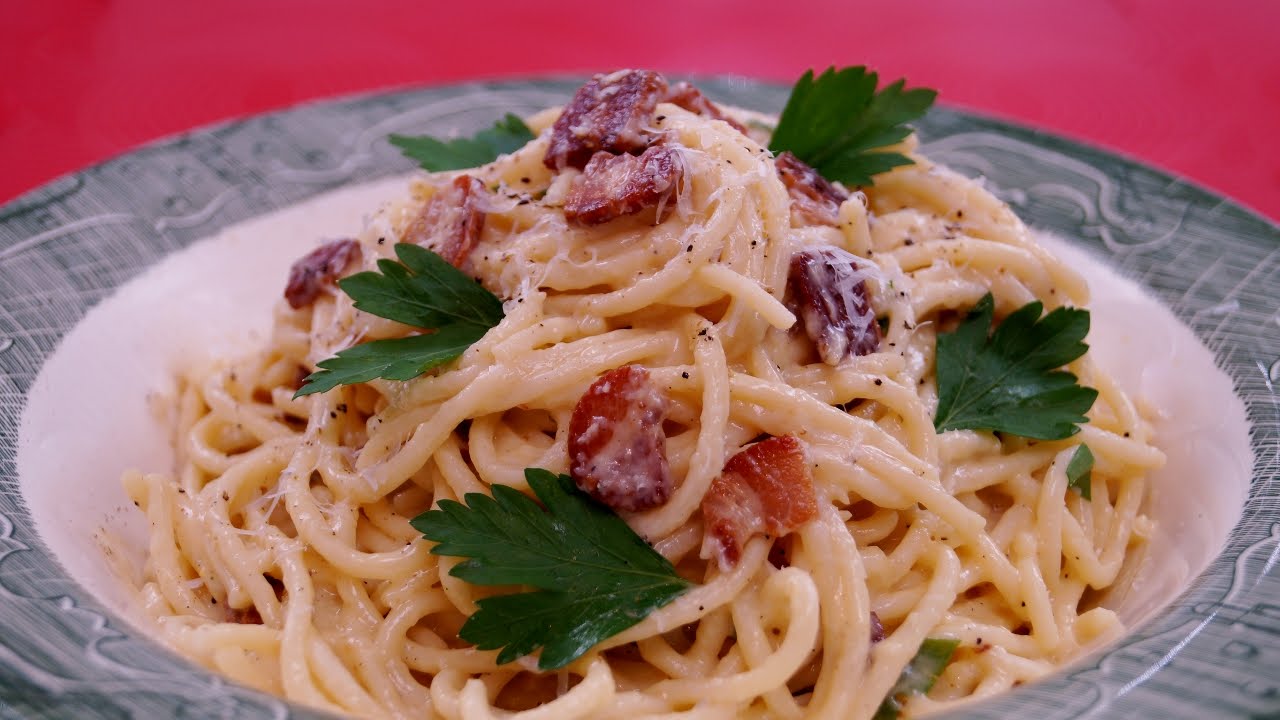
Spaghetti Alla Carbonara Recipe: Craving a rich, creamy, and deeply comforting pasta dish that doesn’t rely on cream, butter, or complex sauces? Say hello to Spaghetti alla Carbonara — one of the most beloved Italian pasta dishes that’s both luxurious and surprisingly simple. Made with just a handful of ingredients, Carbonara is all about technique. Done right, it’s creamy, savory, and satisfying — a pasta dream on a plate.
But don’t be fooled by its simplicity — mastering the perfect Carbonara requires knowing what goes where, and when. That’s where this step-by-step guide comes in.
Let’s dive into the delicious world of Carbonara — starting with what you’ll need.
List of Ingredients You’ll Need
Traditional Ingredients
Here’s what you need for the authentic Carbonara experience:
- Spaghetti (400g / 14 oz) – Traditional pasta choice, but other shapes work too.
- Guanciale (150g / 5 oz) – Cured pork cheek; the star ingredient.
- Egg Yolks (4 large) – Only yolks for extra creaminess.
- Pecorino Romano (100g / 1 cup grated) – Sharp and salty Italian cheese.
- Salt (to taste) – For seasoning pasta water.
- Black Pepper (freshly ground) – Adds that signature Carbonara kick.
Optional Add-ons (Not Traditional, but Common)
- Parmesan Cheese – Milder than Pecorino, can be used if Pecorino is unavailable.
- Garlic (1 clove, lightly crushed) – Some prefer adding it for a subtle aroma.
- Olive Oil (1 tbsp) – Not always needed if guanciale is fatty.
Ingredient Substitutes for Dietary Restrictions
- Guanciale Substitute – Pancetta or high-quality unsmoked bacon.
- Dairy-Free – Nutritional yeast (though far from traditional).
- Vegetarian Option – Smoked mushrooms or eggplant cubes.
- Gluten-Free Pasta – Plenty of great-tasting alternatives available.
No matter what version you make, using quality ingredients is key. A great Carbonara is all about balance, texture, and timing — so fresh, well-sourced components make all the difference.
Essential Kitchen Tools
Before we get into the cooking, let’s make sure your tools are ready. You don’t need fancy equipment, but a few essentials help.
- Large pot – For boiling pasta.
- Skillet or sauté pan – To render the guanciale.
- Mixing bowl – To whisk the egg and cheese mixture.
- Tongs – Ideal for mixing pasta with sauce.
- Grater – For finely grating Pecorino Romano.
- Colander – To drain pasta (but reserve some pasta water!).
Having these tools within reach will make the cooking process smooth and enjoyable. Now let’s cook!
Step-by-Step Guide to Making Spaghetti Alla Carbonara
Step 1: Prep the Ingredients
Start by gathering and prepping your ingredients. Cut the guanciale into small strips or cubes — around ½ inch wide. Grate your cheese finely, and separate your egg yolks into a bowl.
The egg mixture is the heart of Carbonara. Combine the egg yolks with the grated Pecorino Romano and a generous amount of fresh black pepper. Whisk until smooth and creamy — this will be your sauce base.
Pro tip: Add a tablespoon of pasta water to the egg-cheese mix before adding it to the pasta. This tempers the eggs slightly and helps create a smoother sauce later.
Step 2: Boil the Spaghetti
Bring a large pot of salted water to a rolling boil. Add the spaghetti and cook until al dente — typically 1-2 minutes less than the package instructions.
Salt your pasta water generously (think: it should taste like the sea). This is the only chance you have to season the pasta itself.
Before draining, save about 1 cup of the pasta water. This starchy liquid is key to emulsifying your sauce and getting that silky finish.
Step 3: Cook the Guanciale (or Pancetta)
While your pasta boils, heat a pan over medium heat and add the guanciale. No need for oil — the fat from the pork will render naturally.
Cook until the guanciale becomes golden and crispy, and the fat is fully melted. This should take about 5-7 minutes.
Once done, remove the pan from heat. You want the pork to be hot, but not sizzling when you add the pasta later — this helps avoid cooking the eggs prematurely.
Step 4: Mix the Eggs and Cheese
By now, your egg yolks, cheese, and black pepper should be fully combined. The mixture should be thick but smooth.
If it’s too thick, you can loosen it with a small spoonful of warm (not hot!) pasta water.
This step is crucial — it’s where flavor and texture are built. Think of this as your carbonara “cream”, even though there’s no actual cream involved.
Step 5: Combine Pasta with Guanciale
Drain your cooked spaghetti (don’t forget to save that pasta water!) and transfer it straight into the pan with the cooked guanciale.
Use tongs to toss everything together, letting the hot pasta soak up the rendered fat. This infuses the spaghetti with deep pork flavor.
Keep the heat off or on very low during this step — residual heat is all you need moving forward.
Step 6: Turn Off Heat Before Adding Egg Mixture
Here’s the moment of truth.
With the heat off and the pasta slightly cooled (but still hot), add the egg-cheese mixture to the pan. Stir quickly and continuously with tongs or a wooden spoon to coat the pasta evenly.
The key here is gentle heat. If it’s too hot, the eggs will scramble. If it’s too cold, the sauce won’t form.
Step 7: Stir Quickly to Create a Creamy Sauce
This is where the magic happens.
As you stir, gradually add a bit of that reserved pasta water — just a tablespoon at a time — until you get a smooth, glossy sauce that clings to the pasta.
You’re aiming for that signature creamy, silky texture — not too thick, not too runny.
Taste and adjust. Add more pepper or cheese if needed. The sauce should feel rich, sharp, and balanced.
Step 8: Season and Taste
Once your sauce reaches that perfect glossy consistency, it’s time to fine-tune the flavor. Taste your Carbonara and ask yourself:
- Is it salty enough?
- Does it have enough kick from the black pepper?
- Does the cheese flavor shine through?
If not, don’t be afraid to add a touch more freshly ground black pepper or a bit more Pecorino Romano. Remember, the beauty of Carbonara lies in its bold, balanced taste — salty, savory, and peppery all at once.
Resist the urge to add salt directly to the pasta — you already seasoned the pasta water and used salty ingredients like cheese and guanciale. It’s easy to overdo it if you’re not careful.
This final tasting step is your chance to elevate your dish from good to restaurant-quality.
Step 9: Serve Immediately
Spaghetti alla Carbonara waits for no one.
As soon as it’s ready, serve it immediately. This dish is best enjoyed fresh while the sauce is hot and silky. Letting it sit too long causes the sauce to thicken and the pasta to dry out.
Divide into bowls or plates, and top with a little extra grated Pecorino and a fresh crack of black pepper for that professional finish.
Serve with a glass of something dry and crisp (if you’re of age) or a refreshing sparkling water. Simple sides like a light salad or roasted veggies pair perfectly.
Now sit back and enjoy the fruits of your labor — this is the real taste of Rome.
Tips for a Perfect Carbonara
Want to take your Carbonara from good to great? Keep these pro tips in mind:
- Don’t overheat the eggs: The biggest mistake in making Carbonara is scrambling the eggs. Always take the pan off the heat before mixing the egg and cheese sauce.
- Use only yolks: Some recipes use whole eggs, but using just the yolks gives you a richer, creamier texture.
- Grate the cheese finely: This helps it melt quickly into the sauce and avoids clumping.
- Freshly ground black pepper is key: It adds a spicy edge and depth of flavor that pre-ground pepper just can’t match.
- Reserve enough pasta water: Don’t drain it all. You’ll need it to help emulsify the sauce.
- Stir constantly while mixing the sauce: This prevents clumps and ensures a smooth, glossy finish.
Stick to these tricks, and you’ll nail the perfect Carbonara every time.
Common Mistakes to Avoid
Let’s be honest — a lot can go wrong with Carbonara if you’re not careful. Here’s what NOT to do:
- Adding cream: It’s a big no-no in traditional Carbonara. The creaminess should come from the eggs, cheese, and pasta water alone.
- Cooking the egg mixture on high heat: This will scramble the eggs and ruin the texture. Always mix off the heat.
- Using the wrong cheese: Cheddar, mozzarella, or processed cheese won’t cut it. Stick with Pecorino Romano or a bit of Parmesan if needed.
- Skipping the pasta water: This starchy liquid is crucial for the sauce’s texture. Don’t forget to save it!
- Not using guanciale: Bacon or pancetta can work, but if you want authentic flavor, guanciale is the real deal.
Avoid these errors, and your Carbonara will come out dreamy every single time.
Spaghetti Alla Carbonara: Nutritional Information
While Carbonara is rich and indulgent, it can still be part of a balanced diet. Here’s a rough breakdown per serving (based on a traditional recipe):
| Nutrient | Approximate Value |
|---|---|
| Calories | 550-600 kcal |
| Protein | 20-25g |
| Carbohydrates | 55-60g |
| Fat | 25-30g |
| Saturated Fat | 10g+ |
| Sodium | High |
Note: These values can vary depending on ingredients and serving size. You can make lighter versions by using fewer yolks or swapping the pork for leaner proteins.
Variations of Carbonara
Looking to switch things up? Try one of these delicious Carbonara variations:
Vegetarian Carbonara
Swap out guanciale for smoked mushrooms, sun-dried tomatoes, or roasted zucchini. The smoky flavor gives a similar umami punch.
Mushroom Carbonara
Add sautéed mushrooms like cremini or porcini for an earthy twist. It adds a meaty feel without the meat.
Gluten-Free Carbonara
Simply use gluten-free spaghetti or pasta of your choice. Just be sure it’s al dente to avoid a mushy texture.
Light Carbonara
Reduce the number of yolks, use less cheese, and swap guanciale for turkey bacon or even tofu cubes.
Experimenting can be fun, but remember — classic Carbonara is all about simplicity and authenticity.
Serving Suggestions
Wondering what to serve with your Carbonara? Here are a few pairings:
Side Dishes
- Light Arugula Salad with lemon dressing
- Roasted Asparagus or green beans
- Grilled bread or garlic crostini
Drink Pairings
- White Wine: Try a crisp Pinot Grigio or Sauvignon Blanc
- Sparkling Water: A great way to cleanse the palate
- Lemon Iced Tea: Light and refreshing for younger diners
Keep your sides light and let the Carbonara be the star.
Storing and Reheating Tips
Got leftovers? Here’s how to store and reheat without ruining the texture.
Storage
- Store in an airtight container in the fridge for up to 2 days.
- Avoid freezing — the texture of the sauce doesn’t hold up well.
Reheating
- Add a splash of water or milk to loosen the pasta before reheating.
- Reheat gently on the stovetop over low heat, stirring constantly.
- Avoid the microwave if you can — it can overcook the eggs and make the pasta rubbery.
Carbonara is best fresh, but with care, leftovers can still taste pretty great.
FAQs about Spaghetti Alla Carbonara Recipe
1. Can I make Carbonara without guanciale?
Yes! Pancetta is the best substitute. Bacon works too, though it’s smoked and changes the flavor a bit. For a vegetarian twist, use mushrooms.
2. Can I use cream in Carbonara?
Authentically, no. Traditional Carbonara doesn’t use cream — the sauce is made creamy by the emulsion of eggs, cheese, and pasta water.
3. What pasta works best for Carbonara?
Spaghetti is classic, but rigatoni, bucatini, or linguine also work well — anything that holds onto the sauce.
4. Can I make Carbonara ahead of time?
Not really. It’s best eaten fresh, right after mixing the sauce. Leftovers are okay, but the texture changes.
5. Is Carbonara safe for kids?
Yes, as long as the eggs are cooked through by the residual heat. You can also use pasteurized eggs if you’re concerned.
Conclusion
And there you have it — a complete, step-by-step guide to making Spaghetti alla Carbonara that’s creamy, flavorful, and totally irresistible. Whether you’re making it for a cozy dinner or impressing friends, this dish delivers every time.
Remember, the secret lies in simplicity. Just five core ingredients, the right technique, and a bit of confidence. Once you master it, you’ll never look at creamy pasta the same way again.
Happy cooking, and buon appetito!