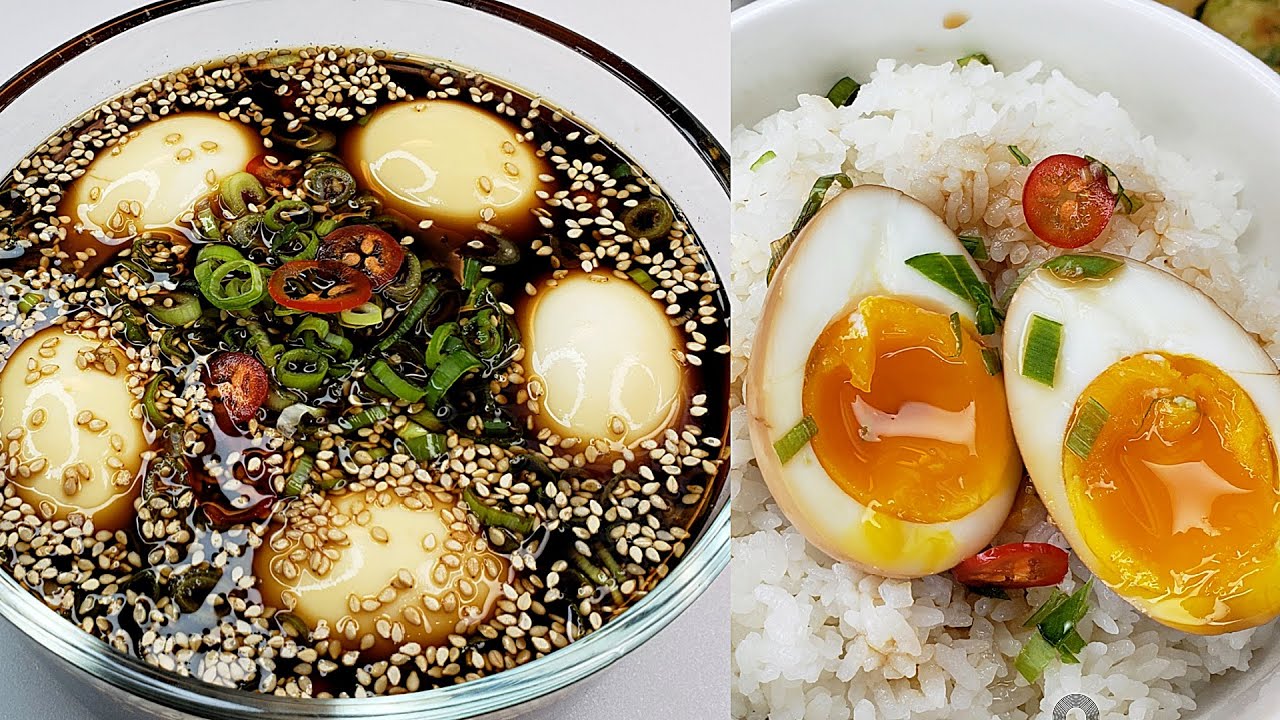
Soy Sauce Eggs Recipe: If you’ve ever tasted ramen at a good Japanese restaurant, chances are you’ve encountered soy sauce eggs—those glossy, jammy, golden-yolked eggs that soak up every bit of flavor from their savory marinade. Also known as “shoyu tamago” in Japanese or “lu dan” in Chinese cuisine, these eggs are the kind of umami-rich side dish that turns simple meals into unforgettable bites.
They’re incredibly easy to make and don’t require any advanced culinary skills. You just need patience, a few pantry staples, and a good appetite! Whether you want a protein-packed snack or a topper for rice bowls and noodles, soy sauce eggs are your new go-to.
What Are Soy Sauce Eggs?
Soy sauce eggs are soft-boiled or medium-boiled eggs marinated in a mixture of soy sauce, sugar, and aromatics like garlic and ginger. The magic lies in how the eggs absorb that deep, salty-sweet flavor over time. The whites take on a gorgeous caramel-brown color, while the yolks remain creamy or jammy depending on how long you cook them.
They originated in East Asian cuisine but have become popular globally thanks to their irresistible flavor and texture. You’ll see them in Japanese ramen bowls, Korean lunch boxes (dosirak), and Taiwanese street food.
Why You’ll Love This Recipe
Still on the fence about making soy sauce eggs? Let’s break down why they’re totally worth your time:
- Insanely Flavorful: Just a handful of ingredients creates big, bold flavors.
- Meal Prep Friendly: Make a batch ahead of time and enjoy them all week.
- Versatile: Use them on ramen, toast, salads, rice bowls—or eat them solo!
- Budget-Friendly: Eggs and soy sauce? Yep, that’s all you really need.
- High in Protein: Ideal for a quick and filling snack.
So whether you’re a college student, a busy professional, or someone who loves food hacks—this recipe is for you.
How Long Do Soy Sauce Eggs Last?
Once marinated, soy sauce eggs can be kept in the refrigerator for up to 4 days in an airtight container. The flavor deepens over time, but don’t leave them in the marinade too long, or they can get overly salty and rubbery.
Pro tip: Store them in the marinade for the first 24 hours, then remove and keep them dry in a sealed container.
Ingredients You’ll Need
Here’s a simple shopping list to get your eggs seasoned and marinated to perfection:
Main Ingredients:
- 6 large eggs
- ½ cup soy sauce (regular or low-sodium)
- ¼ cup mirin (or use rice vinegar with 1 tsp sugar if unavailable)
- 2 tbsp sugar (brown sugar adds a richer flavor)
- 1 cup water
Optional Add-ins (Highly Recommended for Depth of Flavor):
- 2 cloves garlic, smashed
- 1 inch piece of fresh ginger, sliced
- 1 green onion, chopped
- 1 tsp sesame oil (for a toasty aroma)
- ½ tsp chili flakes (if you like heat)
You can experiment by adding star anise, sake, or even kombu for a more complex taste profile.
Tools You’ll Need
- Medium saucepan (for boiling eggs)
- Mixing bowl or mason jar (for the marinade)
- Slotted spoon
- Timer
- Tongs
- Container with lid for marinating
You don’t need any fancy tools—just a little precision and timing!
Tips Before You Start
- Use room temperature eggs: Cold eggs crack more easily in hot water.
- Set a timer: Even 30 seconds over can turn jammy yolks into hard ones.
- Use a gentle boil, not a roaring one: This helps prevent cracked shells.
- Ice bath is non-negotiable: Shocking the eggs stops cooking and makes peeling easier.
- Marinate overnight for the best flavor: But even 2–3 hours can do wonders.
How to Cook the Perfect Soft-Boiled Eggs
Getting the yolk just right is crucial. Here’s a quick guide:
Timing Guide:
- 6 minutes: Very runny yolk
- 6.5 minutes: Jammy, slightly gooey yolk
- 7 minutes: Creamy but not runny
- 8+ minutes: Closer to hard-boiled
Go with 6.5 to 7 minutes for the best soy sauce egg texture.
Ice Bath Method:
- Boil water in a saucepan.
- Gently lower the eggs using a spoon or ladle.
- Start your timer immediately.
- Prepare a bowl of ice water.
- Once time’s up, transfer eggs to ice water for 5–7 minutes.
- Peel under cold running water for ease.
Step-by-Step Guide: How to Make Soy Sauce Eggs
Let’s get to the real action. Here’s your no-fail, step-by-step guide to crafting perfect soy sauce eggs.
Step 1: Boil the Eggs
Bring a pot of water to a boil. Gently lower the eggs and boil for 6.5 to 7 minutes. Don’t forget to set that timer!
When done, immediately transfer the eggs to an ice bath. Let them cool completely for 5–10 minutes before peeling.
Step 2: Prepare the Marinade
While the eggs are cooling, combine the marinade ingredients in a bowl or mason jar:
- Soy sauce
- Mirin
- Sugar
- Water
- Optional aromatics (garlic, ginger, green onion, chili flakes)
Stir well until the sugar dissolves completely.
Step 3: Peel and Cool the Eggs
Once the eggs are fully chilled, gently peel them under cool running water. Try not to nick the whites—smooth shells allow the marinade to seep in evenly.
Step 4: Marinate the Eggs
Place the peeled eggs in the marinade. Make sure they’re fully submerged. Use a small plate or plastic wrap to weigh them down if needed.
Refrigerate for at least 3 hours, preferably overnight for best results.
Step 5: Rest and Serve
When ready, remove the eggs from the marinade. Slice them in half or enjoy whole. Serve over ramen, rice bowls, toast, or even salads!
Best Practices for Marinating
Getting the marinade right is key, but how long you let the eggs soak and the environment you store them in matters just as much. Here are a few best practices to help your soy sauce eggs reach flavor perfection:
- Minimum Marination Time: 3–4 hours gives you a subtle flavor and light color on the egg whites.
- Optimal Time: Overnight (8–12 hours) is ideal for deep flavor and a rich, savory outer layer without overwhelming the yolk.
- Avoid Over-Marinating: More than 24 hours can result in rubbery whites and overly salty taste.
- Rotate the Eggs: If your container isn’t wide enough to keep eggs fully submerged, give them a gentle turn every few hours so all sides get evenly marinated.
- Strain Aromatics if Reusing Marinade: Want to reuse the marinade for another batch? Strain out the garlic and ginger after the first round to keep flavors fresh.
Pro Tip: Marinade doesn’t need to be hot! Always cool it to room temp before adding eggs—otherwise, it’ll continue cooking the yolks.
How to Store Soy Sauce Eggs
Proper storage ensures your soy sauce eggs stay fresh, safe, and delicious. Here’s what to know:
- Refrigeration is a must. Keep the eggs in an airtight container in the fridge.
- Storage Time: They’ll stay fresh for up to 4 days. After that, the texture starts to suffer, and food safety becomes questionable.
- Remove from Marinade After 24 Hours to prevent the whites from becoming overly salty or rubbery.
- Dry Storage Option: Once marinated, you can store the eggs without the marinade—just pat them dry and place them in a sealed container.
Bonus Tip: Keep a label with the date on the container, especially if you’re meal-prepping for the week!
Serving Ideas
Now comes the fun part—eating these flavor bombs! While you can definitely enjoy them as a snack, here are some killer ways to serve soy sauce eggs:
1. Ramen Bowls
The most iconic pairing. Just slice one in half and lay it on top of a steaming bowl of ramen. Boom—instant gourmet.
2. Rice Bowls (Donburi or Bibimbap)
Place a soy sauce egg on a bowl of hot rice with sautéed veggies, some gochujang or soy sauce, and you’ve got a quick, hearty meal.
3. Toast Upgrade
Top a thick slice of buttered toast with a halved soy egg and some chili crisp. Thank us later.
4. Bento Boxes
Slice in halves or quarters for a colorful, protein-rich side in any lunchbox or picnic setup.
5. Salads
Toss one over your mixed greens or grain bowls. The umami kick works wonders with vinaigrettes.
Soy sauce eggs go with almost everything. They’re the “little black dress” of toppings—elegant, versatile, and always in style.
How to Customize the Flavor
The base marinade is flexible. Want to tweak it to your taste? Go wild! Here’s how to make the recipe your own:
- Spicy Lovers: Add chili flakes, fresh Thai chilies, or a bit of gochujang (Korean chili paste) to the marinade.
- Citrusy Kick: Add a few strips of orange or lemon peel.
- Savory Depth: Toss in dried shiitake mushrooms or a piece of kombu (dried kelp).
- Smoky Note: Use smoked soy sauce instead of regular.
- Sweet and Tangy: Add a splash of rice vinegar and a touch more sugar.
Remember, soy sauce eggs are highly forgiving. Don’t be afraid to experiment—you might just invent your new favorite version.
Common Mistakes to Avoid
Even a simple recipe can go sideways. Watch out for these common pitfalls:
1. Overcooking the Eggs
This is the most common mistake. Even one minute too long, and you lose that perfect jammy center. Always set a timer!
2. Not Using an Ice Bath
Skipping the ice bath means your eggs keep cooking, and you’ll end up with crumbly yolks and stubborn shells.
3. Cracking While Boiling
Add eggs gently, don’t overcrowd the pot, and avoid high heat. Room temp eggs help reduce cracks.
4. Marinade Too Hot
Never pour hot marinade over the eggs—it’ll cook the outside and ruin the texture.
5. Over-Marinating
More isn’t always better. Stick to under 24 hours in the marinade.
Avoid these, and you’re on your way to egg mastery!
FAQs about Soy Sauce Eggs Recipe
1. Can I use tamari instead of soy sauce?
Yes! Tamari is a great gluten-free substitute for soy sauce and works just as well in this recipe.
2. Can I marinate hard-boiled eggs instead?
You can, but the texture and flavor won’t be the same. Soft-boiled eggs absorb the marinade better and have that luscious yolk.
3. Can I reuse the marinade?
Yes, once. Just strain out the solids and boil the marinade before using it again for food safety.
4. What if I don’t have mirin?
You can substitute with rice vinegar and a little extra sugar to balance out the acidity.
5. Are soy sauce eggs healthy?
They’re a great source of protein and low in carbs. Just be mindful of the sodium if you’re watching your salt intake.
Conclusion
Soy sauce eggs are simple to make, endlessly customizable, and packed with umami flavor that transforms any dish from ordinary to extraordinary. Whether you’re topping a bowl of ramen, enhancing your rice, or just reaching for a quick protein-rich snack, these marinated eggs deliver every single time.
With just a few ingredients and some basic kitchen tools, you can recreate one of the most beloved Asian condiments right at home. And once you do it once, you’ll be hooked.
Now that you know how to perfect them, it’s time to get cracking—literally.