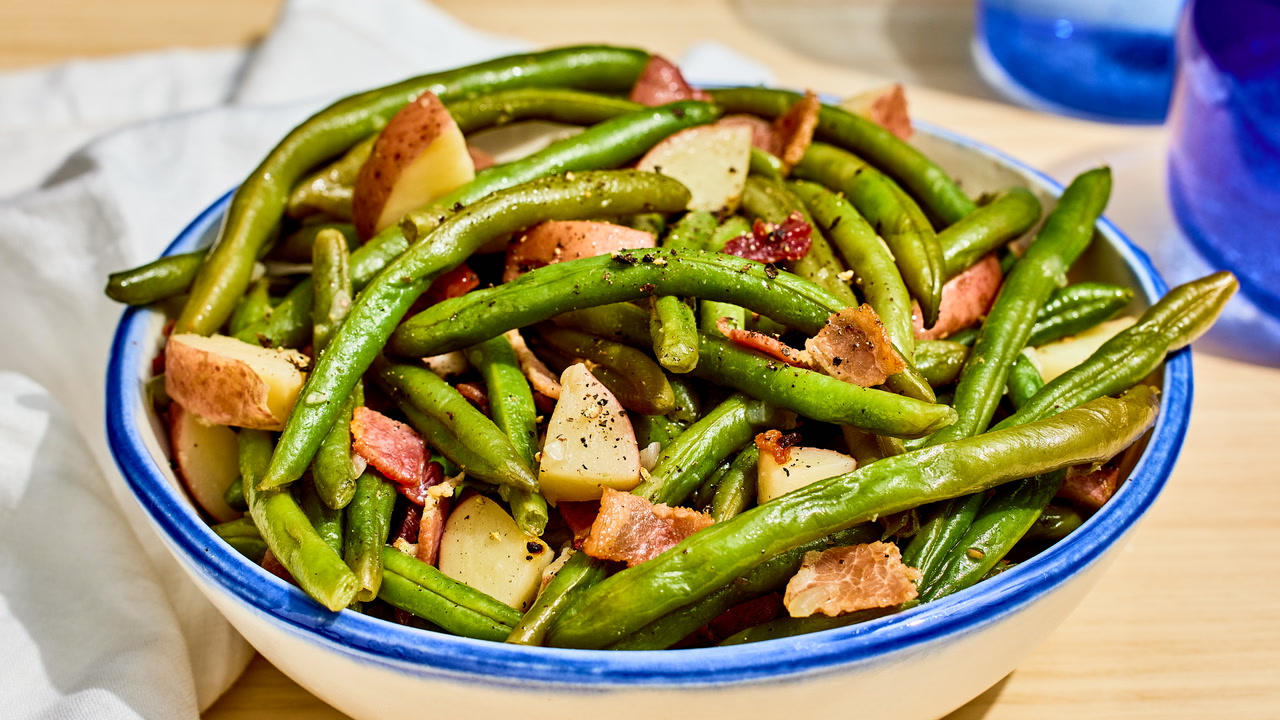
Southern Green Beans Recipe: There’s just something magical about Southern green beans. They’re not just a side dish – they’re a comfort food classic that brings back memories of family gatherings, holiday meals, and Sunday suppers at grandma’s house. Whether you’re serving them up with fried chicken, baked ham, or even just a warm piece of cornbread, these slow-cooked, flavor-packed beans are always a hit. If you’ve never had them before, you’re in for a real treat. And if you have? Well, you already know how irresistible they can be when cooked just right. Let’s dive into a full guide that walks you through everything – from the ingredients to the final bite.
What Makes Southern Green Beans Unique?
Southern green beans aren’t your average steamed veggies. In fact, if you’ve only had green beans quickly boiled with a sprinkle of salt, you’re in for a serious flavor upgrade. The Southern style is all about depth of flavor, slow simmering, and rich, savory goodness.
What sets these beans apart is how they’re cooked. Unlike the crunchy snap you might find in French-style green beans, Southern green beans are cooked low and slow until they’re tender enough to melt in your mouth. This gives them an entirely different texture – soft, flavorful, and packed with all the essence of whatever delicious ingredients you’ve added to the pot.
Another thing? Smoked meats. Bacon, ham hocks, or smoked turkey necks aren’t just extras – they’re the heart of the dish. They infuse the beans with that unmistakable Southern smoky flavor that’s impossible to fake. Add in onions, garlic, and a few well-placed spices, and you’ve got a side dish that can easily steal the show.
Why This Recipe Stands Out
There are tons of Southern green bean recipes out there, but this one is designed to be foolproof, flavorful, and easy to follow – even if you’re not exactly a seasoned home cook. It combines traditional ingredients with a step-by-step process that guarantees you get the perfect results every time. Plus, we’ll talk about variations, pairings, and how to avoid common mistakes, so your green beans always hit the mark.
Ingredients You’ll Need
Alright, let’s talk about what you’ll need to create this comfort food masterpiece. Don’t worry – nothing fancy or hard to find. Just good, honest ingredients that come together to make something special.
Fresh vs. Canned Green Beans
You can make Southern green beans with either fresh or canned green beans – but there’s a clear winner here.
- Fresh green beans: These are the gold standard. They have a firmer texture and hold up better to slow cooking. Look for beans that are bright green, firm, and free from blemishes.
- Canned green beans: These can work in a pinch, especially if you’re in a hurry or out of fresh produce. But keep in mind that they’re already soft, so you’ll need to reduce your cook time to avoid mushiness.
The Best Seasonings for Flavor
You don’t need a spice rack full of ingredients to get big flavor. Here’s what you’ll want:
- Salt and pepper – basic, but essential.
- Garlic – fresh cloves give you the best punch.
- Onion – sweet yellow onions or white onions both work.
- Chicken broth – adds depth and makes a more savory cooking base.
- Red pepper flakes (optional) – if you want to add a little heat.
Must-Have Ingredients for Authentic Taste
Here’s your complete ingredient list:
- 2 pounds of fresh green beans, trimmed and cleaned
- 6 slices of thick-cut bacon, chopped
- 1 medium onion, chopped
- 3 cloves of garlic, minced
- 3 cups of chicken broth (or water with bouillon)
- 1 teaspoon of salt
- ½ teaspoon of black pepper
- ½ teaspoon of red pepper flakes (optional, for a kick)
These simple ingredients come together to build a dish that tastes like it simmered on grandma’s stove all day long – because it kind of does.
Equipment Needed for Cooking
You don’t need any fancy gadgets here, just some kitchen basics. Southern cooking is all about making the most of what you have.
Essential Kitchen Tools
- Large pot or Dutch oven – You’ll want something heavy-duty that retains heat well. A Dutch oven is perfect.
- Cutting board and knife – For trimming beans and chopping bacon, onion, and garlic.
- Slotted spoon – Useful for stirring and serving without too much broth.
Optional Tools for Easier Prep
- Garlic press – Makes mincing garlic a breeze.
- Bean snapper tool – Totally optional, but great if you’re prepping a big batch of beans.
The goal is to make this recipe simple, so don’t stress if you don’t have every tool on the list. Use what you have, and you’ll still end up with something amazing.
Preparation Tips Before Cooking
Before you even turn on the stove, a little prep can go a long way in making your cooking experience smooth and enjoyable.
How to Properly Clean and Trim Green Beans
Start by rinsing your green beans under cold water. They often have a little dirt or grit on them from the farm, so don’t skip this step. Once they’re clean:
- Line up a handful of beans.
- Use a sharp knife to trim off the stem ends.
- Optional: Snap or cut them in half for shorter pieces – totally a personal preference!
If you’re going old-school, you can also “snap” them by hand, which gives a more rustic feel. Either way works.
How to Prep Bacon, Onion, and Garlic
- Bacon: Use a sharp knife to chop the bacon into bite-sized pieces. It’s easier to cut when it’s cold.
- Onion: Peel and dice your onion into small chunks – not too fine, because you want them to hold up during cooking.
- Garlic: Peel the cloves and mince them finely with a knife or garlic press.
This prep work might only take 10–15 minutes, but it’s what sets the stage for layers of flavor once everything hits the pot.
Step-by-Step Guide to Cooking Southern Green Beans
Now that everything is prepped and ready to go, let’s walk through this Southern green beans recipe, step by step. Don’t rush it — the magic is in the slow cooking.
Step 1 – Preparing the Base (Bacon & Aromatics)
Start by heating your Dutch oven or large pot over medium heat. Add the chopped bacon pieces. You’ll want to cook them low and slow to render out the fat and get that crispy, smoky goodness. This isn’t just about the bacon itself — the rendered fat will coat every single bean later on with that iconic Southern flavor.
Once the bacon is about 80% cooked, toss in the chopped onions. Sauté them in the bacon fat until they’re soft and beginning to caramelize. This process releases their natural sweetness, balancing out the saltiness of the bacon.
After the onions are nice and tender, add in your minced garlic. Don’t rush this step — garlic can burn quickly. Stir it for about 30 seconds to 1 minute until it becomes fragrant. Now your base is built — a trifecta of bacon, onion, and garlic that’s practically begging to soak into those green beans.
Step 2 – Adding Green Beans and Simmering
Next, it’s time to add your green beans. Pour them right into the pot with the bacon and aromatics. Stir well so every bean is coated in that flavor-rich base.
Once combined, pour in your chicken broth. This should be enough to just barely cover the beans. You don’t want them swimming — this isn’t a soup. But you do want them gently submerged so they can simmer without drying out.
Now it’s time to season. Add your salt, pepper, and red pepper flakes if you’re using them. Give everything a good stir, then bring it to a low boil.
Step 3 – Slow Cooking for Maximum Flavor
This is where Southern green beans become Southern green beans. Once everything is boiling, reduce the heat to low and cover the pot with a lid.
Let the beans simmer for at least 45 minutes to an hour. Check them every now and then, give them a gentle stir, and make sure there’s enough liquid in the pot to prevent burning. If they’re drying out, add a bit more broth or water.
Some folks let theirs go for up to 2 hours — the longer they simmer, the more tender and flavorful they get. The bacon starts to break down, the onions melt into the broth, and the beans soak it all in. The house will smell amazing, and you’ll start getting hungry way before they’re done.
Step 4 – Taste Testing and Adjusting Seasoning
Once your beans are soft and flavorful, give them a taste. This is where the magic happens — maybe you want a bit more salt, a dash of hot sauce, or even a touch of vinegar for acidity.
Seasoning at the end is crucial. The flavors develop over time, and you don’t want to oversalt early in the process. A small splash of apple cider vinegar or a pinch of sugar can elevate everything without overpowering the Southern charm.
Let them simmer another 5 minutes after adjusting. The result? Beans that are perfectly seasoned, soft, smoky, and deeply satisfying.
Step 5 – Serving Suggestions
Southern green beans are super versatile. You can serve them as a side dish, a main component in a veggie plate, or even part of a holiday feast. Here are some serving ideas:
- With fried chicken and mashed potatoes
- Alongside smothered pork chops or meatloaf
- As part of a Thanksgiving or Christmas dinner
- With cornbread and collard greens for a true Southern spread
Don’t forget to serve them warm with some of the cooking liquid — that flavorful broth is gold. You can also garnish with a sprinkle of crispy bacon or a touch of hot sauce for an extra Southern flair.
Variations and Add-ins
Southern green beans are incredibly flexible. You can stick with the classic or mix it up based on what you’ve got in the fridge or what flavor profile you’re going for.
Spicy Version
If you’re someone who loves a little heat, you can give your green beans a kick by:
- Adding more red pepper flakes
- Stirring in a dash of cayenne pepper
- Splashing in some Louisiana-style hot sauce at the end
This spicy twist is especially great when served with milder main dishes like baked chicken or pork roast.
Vegan Alternative
No bacon? No problem. You can still enjoy rich, smoky Southern green beans without any meat:
- Use olive oil or vegan butter in place of bacon fat.
- Add liquid smoke to get that smoky flavor.
- Use vegetable broth instead of chicken broth.
- Boost umami with a little soy sauce or miso paste.
With these simple swaps, you’ll still get that hearty, soul-satisfying taste — minus the meat.
Ham Hock or Smoked Turkey Neck Options
If you want a richer, meatier version, go beyond bacon:
- Add a ham hock or smoked turkey neck at the same time as your broth.
- Simmer until the meat is tender, then remove, shred the meat, and stir it back into the beans.
These meats infuse the beans with deep smoky flavor and make the dish even more satisfying. It’s perfect for holiday meals or when you really want to wow your guests.
Common Mistakes to Avoid
Even though Southern green beans are simple, there are a few easy missteps that can ruin the flavor or texture.
Overcooking vs. Undercooking
- Overcooked beans can become mushy and lose their vibrant color.
- Undercooked beans won’t absorb the flavors and may have a grassy taste.
The key is slow simmering until just right — soft but not falling apart.
Not Using Enough Seasoning
This dish is all about layers of flavor. Don’t be shy with salt, pepper, and garlic. If you skimp on seasoning, your beans might end up bland.
Always taste toward the end of cooking and adjust accordingly. A splash of something acidic — like vinegar or lemon juice — can wake up a dull dish.
Skipping the Simmer Time
Simmering isn’t just about softening the beans — it’s when all the ingredients come together and create magic. If you rush the process, you miss out on the depth of flavor that makes Southern green beans so irresistible.
Set it and forget it — let those beans take their time, and you’ll be rewarded with pure Southern goodness.
Storage and Reheating Tips
So, you’ve made a big pot of Southern green beans — now what? Whether you’re meal-prepping for the week or have leftovers from a family dinner, proper storage and reheating make all the difference in keeping that flavor intact.
How to Store Leftovers Properly
Southern green beans actually taste even better the next day, so don’t be afraid to make a large batch. Here’s how to store them the right way:
- Let them cool down to room temperature before storing. Hot food in the fridge can lead to condensation, which affects flavor and texture.
- Transfer them to an airtight container. Make sure to include a bit of the cooking broth to keep them moist.
- Store in the refrigerator for up to 4–5 days.
If you want to keep them longer, green beans also freeze beautifully:
- Portion them out into freezer-safe containers or resealable bags.
- Label with the date.
- Freeze for up to 3 months.
Best Way to Reheat Without Losing Flavor
To reheat Southern green beans without making them mushy or drying them out:
- Use a stovetop if possible. Place them in a pot with a little of the reserved broth, cover, and heat on low until warmed through.
- If using a microwave, add a spoonful of broth or water to the container, cover loosely, and heat in 30-second intervals, stirring between each.
- Avoid boiling or over-microwaving — this breaks down the texture and steals flavor.
Bonus: a quick dash of fresh seasoning (salt, pepper, or even a drop of hot sauce) can bring reheated green beans right back to life.
Health Benefits of Green Beans
While Southern green beans are indulgent in flavor, they also bring some solid nutrition to the table. If you’re looking to eat more veggies without sacrificing taste, this dish is a winner.
Nutritional Value
Here’s what makes green beans a healthy choice:
| Nutrient | Benefit |
|---|---|
| Fiber | Aids digestion, keeps you full |
| Vitamin C | Boosts immune system |
| Vitamin K | Supports bone health |
| Folate | Important for cell growth |
| Iron | Supports red blood cells |
| Low in Calories | Great for weight management |
Even when cooked with bacon and broth, green beans are still a relatively light side dish. You can easily lighten things up more by using turkey bacon or going meat-free.
Why They’re a Great Side Dish
Beyond nutrition, green beans are:
- Versatile: Pair them with almost any protein or grain.
- Budget-friendly: Fresh or canned, they’re one of the cheapest veggies available.
- Kid-friendly: Their mild flavor and soft texture make them a hit with picky eaters.
- Seasonal: While available year-round, they’re best in late summer when fresh and crisp.
In short, green beans are an underrated superstar in the veggie world — and Southern-style elevates them to a whole new level.
Perfect Pairings for Southern Green Beans
What goes best with Southern green beans? Just about everything. But to keep things traditional, let’s explore some of the classic Southern pairings that make a meal feel complete.
Best Main Dishes to Serve With
- Fried chicken: Crunchy, juicy, and a Southern staple.
- Baked ham: Especially for holidays — sweet and salty pairs beautifully.
- Pork chops: Smothered or grilled, they complement the beans’ smokiness.
- Barbecue ribs: Sticky, smoky, and rich — perfect with the earthy beans.
- Catfish: Whether fried or blackened, it brings a coastal Southern vibe.
The soft texture of the beans contrasts beautifully with crispy or grilled meats. Plus, the smoky undertones in the beans echo flavors often found in Southern barbecue and roasts.
Other Classic Southern Sides
Create the ultimate Southern plate by adding:
- Macaroni and cheese: Creamy, cheesy comfort food at its finest.
- Cornbread: Perfect for sopping up that flavorful broth.
- Collard greens: Another soul food essential, often cooked similarly to green beans.
- Sweet potatoes: Whether mashed or candied, they add a sweet balance.
Southern green beans can be part of a rustic Sunday supper or an elegant holiday spread. No matter the occasion, they’re the dish that everyone comes back for seconds of.
Make-Ahead Tips
If you’re planning for a big meal, it’s always a good idea to get ahead. Luckily, Southern green beans are super forgiving and even improve over time.
How to Prep a Day in Advance
- Cook the beans fully the day before your event.
- Let them cool, then refrigerate them in their cooking broth.
- On the day of serving, reheat slowly on the stove, stirring occasionally.
- Add any fresh herbs or final seasoning just before serving.
They’ll taste even better after sitting overnight, as the flavors continue to meld.
Freezing Instructions for Longer Storage
Planning weeks or months ahead? Here’s how to freeze like a pro:
- Let the beans cool completely.
- Portion into airtight containers or freezer bags with some of the cooking liquid.
- Label with the date.
- Thaw in the fridge overnight before reheating.
This is a great option for holidays, meal prepping, or simply making sure you always have a taste of the South ready to go.
FAQs about Southern Green Beans Recipe
1. Can I make Southern green beans in a slow cooker?
Yes! Just sauté the bacon, onions, and garlic first, then add everything to the slow cooker and cook on low for 6–8 hours.
2. How do I make this dish less salty?
Use low-sodium broth and reduce added salt. Also, taste after simmering before adding any final seasoning.
3. Can I double the recipe for a crowd?
Absolutely. Just make sure your pot is large enough and allow for longer simmering time.
4. What can I use instead of bacon?
Smoked turkey necks, ham hocks, or even a vegan smoked seasoning can replace bacon and still offer great flavor.
5. Is it okay to leave the beans simmering unattended?
As long as the heat is low and there’s enough liquid in the pot, yes. Just check every 20–30 minutes to stir and monitor.
Conclusion
Southern green beans are more than just a vegetable side — they’re a taste of tradition. With simple ingredients, slow cooking, and layers of smoky, savory flavor, they transform into something truly special. Whether you’re making a Sunday dinner, prepping for the holidays, or just craving some comfort food, this recipe will deliver every single time.
Try it once, and you’ll see why Southern kitchens always have a pot of green beans simmering on the back burner. Now go ahead — grab your ingredients, fire up that pot, and enjoy a little taste of the South.