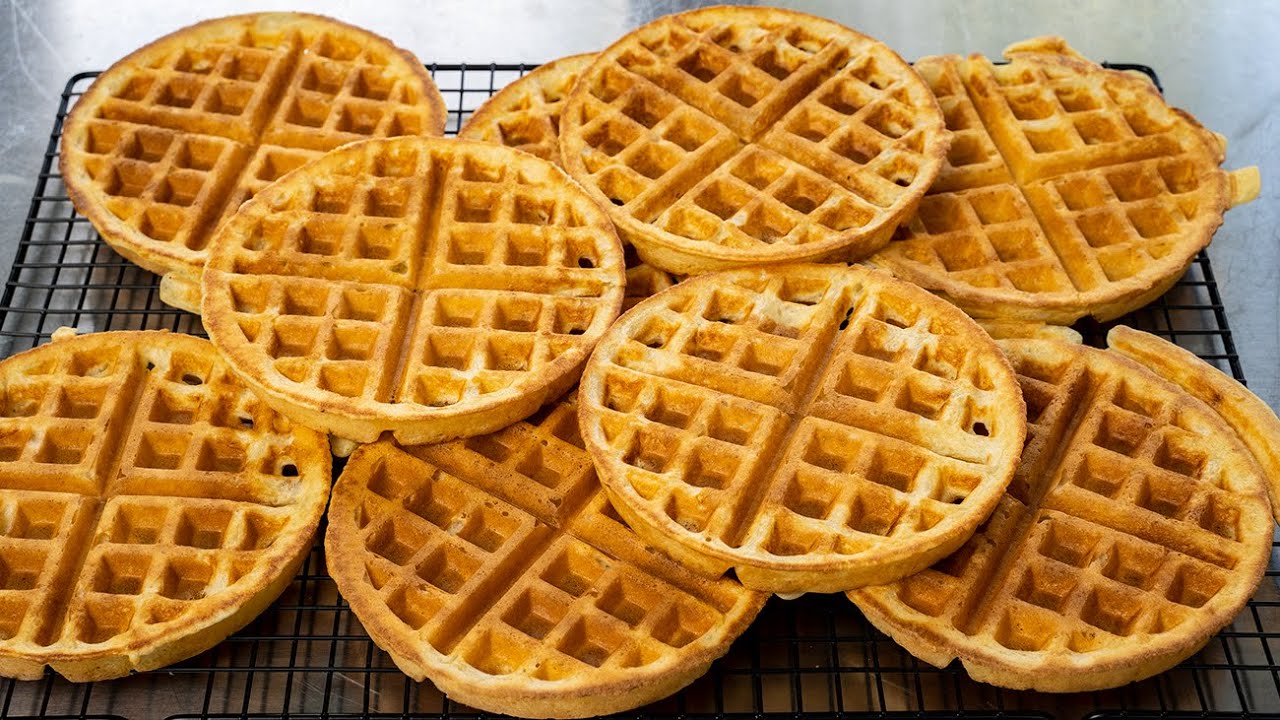
Sourdough Waffles Recipe: Imagine waking up on a lazy weekend morning to the smell of freshly made waffles—crispy on the outside, soft and fluffy on the inside, with a deep, rich flavor that no boxed mix can come close to. That’s the magic of sourdough waffles.
Whether you’re a sourdough enthusiast or just someone who hates throwing away discard, this recipe will be your new favorite way to use up that extra starter.
Let’s dive into how you can make these golden beauties right in your kitchen.
Why Make Sourdough Waffles?
There are regular waffles, and then there are sourdough waffles—an entirely different, next-level experience. But why should you go through the trouble of making them?
First off, the taste. Sourdough brings a subtle tanginess that elevates the flavor of waffles in a way yeast or baking powder just can’t replicate. It adds depth and complexity that balances beautifully with sweet toppings like maple syrup or fresh berries.
Then there’s the texture. Sourdough waffles are often lighter, airier, and have a crispier exterior when cooked right. The fermentation process works magic on the batter, giving you a waffle that’s tender inside and perfectly golden outside.
And let’s not forget nutrition. Fermentation breaks down some of the gluten and phytic acid, making the waffles easier to digest and potentially more gut-friendly. Plus, it’s a great way to use your sourdough discard instead of wasting it.
Finally, it’s all about the satisfaction. You made waffles—from scratch—using a living culture you nurtured. That’s some serious kitchen wizardry.
What is a Sourdough Starter?
A sourdough starter is a mixture of flour and water teeming with wild yeast and friendly bacteria. When fed regularly, it becomes a natural leavening agent that helps dough rise. You may already use it for bread, but its uses go far beyond that—including these delicious waffles.
In this recipe, the starter acts more as a flavor enhancer and texture booster than a rise agent (although it does contribute to fluffiness). The fermentation brings out complex flavors, making your waffles subtly tangy and deeply satisfying.
You can use either an active starter or discard, depending on the recipe method. Let’s break that down next.
When to Use Discard vs. Active Starter
This is where things get interesting. You can make sourdough waffles using either:
- Sourdough discard – The unfed portion you remove before feeding your starter. It doesn’t have strong leavening power but is still full of flavor.
- Active starter – Recently fed and bubbly. This can help with both rise and taste.
For waffles, discard works perfectly—especially when you mix the batter the night before. The long fermentation gives the batter a light, airy texture by morning. Using discard also reduces waste, which is a big win.
If you want a faster recipe (no overnight rest), go with an active starter and baking powder for an immediate rise.
List of Ingredients You’ll Need
Here’s what you’ll need to make a classic batch of sourdough waffles. Simple ingredients, big flavor.
Basic Pantry Ingredients:
- 1 cup sourdough starter (discard or active)
- 1 cup all-purpose flour
- 1 cup milk or buttermilk (buttermilk adds extra tang)
- 1 tablespoon sugar (optional for slight sweetness)
- 1 egg
- 1/4 cup melted butter or oil (for richness and crispiness)
- 1/2 teaspoon salt
- 1 teaspoon baking soda (added in the morning if fermenting overnight)
Optional Add-ins:
- Vanilla extract – For a dessert-like flavor
- Cinnamon or nutmeg – For cozy, spiced waffles
- Chocolate chips or blueberries – Fold in right before cooking
- Chopped nuts – Adds crunch and flavor
You likely already have most of these in your kitchen. The star of the show is your starter—everything else just supports it.
Equipment Needed
Nothing fancy here—just the basics:
- Mixing bowls
- Whisk or spoon
- Measuring cups and spoons
- Waffle iron or waffle maker
- Rubber spatula (for scraping batter)
Pro tip: If your waffle iron has adjustable settings, go for the higher heat setting for crispier results.
Prep Time, Cook Time & Yield
Let’s get a quick overview of what to expect:
| Task | Time |
|---|---|
| Prep Time | 10 minutes |
| Rest Time (optional) | Overnight (8–12 hrs) |
| Cook Time (per waffle) | 4–6 minutes |
| Total Time | 10 mins (or overnight) |
| Yield | 4–6 waffles |
Step-by-Step Guide to Making Sourdough Waffles
This is where the magic happens. Follow these steps to create perfect, crispy-on-the-outside, fluffy-on-the-inside sourdough waffles. You’ll see two variations: one for an overnight rise (more flavor) and one for same-day prep (for when you’re in a rush).
Step 1: Preparing the Overnight Sponge
The night before, mix your sourdough starter with flour and milk in a large bowl. Stir until smooth and fully combined, then cover loosely and leave it at room temperature overnight. This resting period allows natural fermentation to develop flavor, giving the waffles a slightly tangy taste and light texture by morning.
Step 2: Mixing the Final Batter
The next day, add eggs, melted butter (or oil), sugar, salt, and baking soda to the fermented sponge. Gently whisk until just combined. Avoid overmixing—think of the batter like a sleepy cat; disturb it too much and it loses its fluffiness.
Step 3: Cooking the Waffles
Preheat your waffle iron well and lightly grease it. Pour in the batter, close the lid, and cook until the waffles are golden brown and crisp on the outside. Steam escaping is your signal—once it slows, they’re ready.
Step 4: Storing and Reheating
Cool leftover waffles completely before storing. Refrigerate for up to 3 days or freeze for longer storage. Reheat in a toaster or oven to restore crisp edges without drying them out.
Pro Tips for Perfect Sourdough Waffles
- Use buttermilk if possible. It adds a creamy texture and slight tang that pairs beautifully with sourdough.
- Let the batter rest. Even if you’re not fermenting overnight, a 15–30 minute rest before cooking helps the flour hydrate.
- Don’t skimp on fat. The butter or oil gives your waffles that irresistible crispy edge.
- Use a hot waffle iron. A preheated, hot iron ensures a crispy, caramelized crust.
- Don’t overmix the batter. Stir just until combined to keep the batter light and fluffy.
These little tweaks make a big difference between good waffles and great waffles.
Customization Options
Sourdough waffles are like a blank canvas—you can dress them up however you like.
Sweet Variations
- Cinnamon Roll Waffles: Add 1 tsp cinnamon and 1/4 cup brown sugar to the batter.
- Banana Bread Style: Mix in mashed ripe banana and a pinch of nutmeg.
- Chocolate Chip: Fold in chocolate chips after mixing the batter.
- Pumpkin Spice: Add pumpkin puree and pumpkin pie spice for a fall-inspired twist.
Savory Variations
- Cheddar + Chive: Add shredded cheddar cheese and chopped fresh chives.
- Bacon Bits: Fold in cooked, crumbled bacon for smoky flavor.
- Everything Bagel Style: Top waffles with a sprinkle of everything bagel seasoning before cooking.
These savory waffles are great as a base for breakfast sandwiches or topped with fried eggs and avocado.
Serving Suggestions
Not sure how to top your sourdough waffles? Here are some tried-and-true ideas:
- Classic: Butter and real maple syrup (you can’t go wrong)
- Fresh Fruit: Strawberries, blueberries, bananas, or peaches
- Yogurt + Honey: For a healthy, protein-packed option
- Nut Butter: Almond, peanut, or hazelnut spread with banana slices
- Fried Chicken: Yep—sourdough waffles + crispy chicken = next-level brunch
You can even turn them into dessert with ice cream and chocolate sauce!
Troubleshooting Common Problems
Here’s how to fix common sourdough waffle issues:
- Waffles too soft or soggy? Make sure your waffle iron is hot enough. Also, place cooked waffles on a wire rack—not a plate—so steam can escape.
- Batter too thick? Add a splash of milk to loosen it up.
- Not tangy enough? Let the sponge ferment longer, or use buttermilk.
- Waffles stick to the iron? Grease the waffle maker properly and avoid opening it too soon.
Can You Freeze Sourdough Waffles?
Absolutely! Sourdough waffles freeze like a dream.
- Let them cool completely.
- Stack them with parchment between each waffle.
- Store in a freezer bag or airtight container for up to 2 months.
To reheat, just pop them in the toaster or a 350°F oven for 5–7 minutes until crispy. You’ll barely be able to tell they weren’t just made fresh.
How to Make Them Crispy
Want that irresistible crunch? Here’s the secret:
- Use enough fat in your batter (butter or oil helps crisp up the edges).
- Make sure your waffle iron is fully preheated.
- Let them cook longer—until they’re deep golden brown.
- Don’t stack hot waffles on top of each other—use a wire rack.
For extra crunch, finish them in a hot oven for a couple of minutes after cooking.
FAQs about Sourdough Waffles Recipe
1. Can I make these without eggs?
Yes! You can use a flax egg (1 tbsp ground flax + 3 tbsp water) or another egg substitute. The texture may vary slightly but they’ll still taste amazing.
2. What if I don’t have buttermilk?
No problem. You can use regular milk mixed with 1 tbsp vinegar or lemon juice. Let it sit for 5–10 minutes before using.
3. How sour are sourdough waffles?
Not overwhelmingly sour! The tang is subtle and balances out beautifully with sweet toppings. You can control it by adjusting the fermentation time.
4. Can I make this gluten-free?
Yes, with a gluten-free flour blend and a gluten-free sourdough starter. Just note that texture may change slightly.
5. Do I have to ferment the batter overnight?
Nope! If you’re short on time, you can skip the overnight step and make the batter fresh with an active starter and baking powder for a quicker version.
Conclusion
Sourdough waffles are hands-down one of the best ways to use up your starter discard and treat yourself to something special. They’re crispy, fluffy, flavorful, and easy to make once you get the hang of it. Whether you go for the overnight method or whip them up same-day, this recipe is a keeper.
So dust off your waffle iron, grab that sourdough starter, and get ready for breakfast bliss.