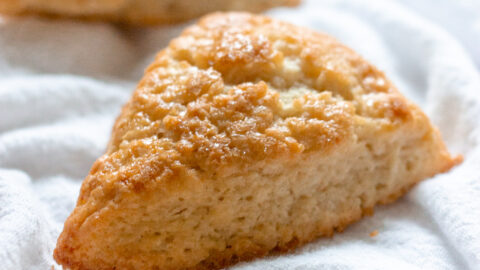
Sourdough Scones Recipe: Sourdough scones are an incredibly delicious way to use up your sourdough discard. With a crisp, golden crust and tender, flaky inside, these scones have a light tang from the sourdough that adds depth to their flavor. Whether you’re a seasoned sourdough baker or just starting your fermentation journey, this recipe is a must-try. Plus, scones are super versatile—you can enjoy them sweet or savory, with tea or coffee, or as a grab-and-go snack.
This article offers a step-by-step guide to creating the best sourdough scones from scratch. You’ll get an easy-to-follow recipe, helpful baking tips, and flavor variations to inspire your creativity in the kitchen.
Why Use Sourdough Discard in Scones?
Sourdough discard is the portion of starter you remove before feeding it again. Instead of tossing it away, why not repurpose it? It adds a lovely depth of flavor—slightly tangy and rich—to baked goods. In scones, it enhances the texture, making them more tender and moist without overpowering sweetness. Plus, it’s eco-friendly and saves waste.
Using sourdough discard in scones doesn’t just boost flavor—it also helps with digestion. The fermentation process partially breaks down gluten and phytic acid in flour, making it easier on the stomach. So, not only are you making a tastier treat, but you’re also creating a healthier one. Win-win!
Benefits of Sourdough Scones
Why should you bake sourdough scones? Here’s why they’re worth every bite:
- Great use for sourdough discard
- Tender and moist texture
- Richer, more complex flavor
- Less sugar needed due to tangy balance
- Versatile—add fruits, nuts, herbs, or cheese
- Perfect for breakfast, snacks, or tea time
Whether you’re after a sweet brunch bite or a savory afternoon pick-me-up, sourdough scones have got your back.
The Unique Texture and Flavor of Sourdough Scones
Sourdough scones aren’t your average bakery treat. The inclusion of sourdough discard brings in mild acidity that cuts through the richness of butter and cream, giving the scones a signature flavor that’s both comforting and exciting. They have a slightly chewy center, a crisp golden exterior, and layers that pull apart beautifully.
And the best part? They taste even better the next day. The flavor continues to develop as they rest, meaning these scones are just as good for meal prepping or making ahead for a weekend brunch.
List of Ingredients You’ll Need
Here’s everything you’ll need to bake a batch of fluffy, buttery sourdough scones.
Essential Dry Ingredients
- 2 cups (240g) all-purpose flour
- 1/4 cup (50g) granulated sugar
- 1 tbsp baking powder
- 1/2 tsp baking soda
- 1/2 tsp salt
Wet Ingredients
- 1/2 cup (1 stick or 113g) unsalted butter, cold and cubed
- 1/2 cup (120g) sourdough discard (unfed, room temperature)
- 1/2 cup (120ml) heavy cream or buttermilk
- 1 large egg
- 1 tsp vanilla extract (for sweet scones)
Optional Add-ins for Variety
- 1/2 cup fresh or dried fruit (blueberries, cranberries, raisins)
- 1/2 cup chopped nuts (pecans, walnuts, almonds)
- 1/2 cup chocolate chips
- Zest of 1 lemon or orange
- 1/2 cup shredded cheese + 1 tbsp chopped herbs (for savory scones)
Tools and Equipment Required
- Mixing bowls
- Pastry cutter or fork
- Measuring cups and spoons
- Baking sheet
- Parchment paper or silicone baking mat
- Bench scraper or knife
- Pastry brush
- Cooling rack
Tips for Choosing the Best Flour
Stick with all-purpose flour for a classic crumb, but feel free to blend in whole wheat flour for a nuttier taste. If using whole grain flours, increase the liquid slightly to prevent dry dough. Avoid bread flour—it’s too high in protein and may make your scones tough.
Look for unbleached, organic flour if possible for better flavor and structure.
The Secret to Buttery, Flaky Scones
Cold ingredients are your best friend here! Cold butter means steam when baking, which creates pockets of flakiness. Use a pastry cutter or your hands to work the butter into the dry ingredients until it resembles coarse crumbs—like peas or small marbles.
Avoid overmixing the dough. Stir just until everything comes together. Too much handling activates gluten and results in tough scones. Less is more.
Step-by-Step Guide: How to Make Sourdough Scones
Step 1: Preheat the Oven and Prepare Tools
Preheat your oven to 200°C (400°F). Line a baking tray with parchment paper. Gather a mixing bowl, pastry cutter (or fork), and a sharp knife or cutter.
Step 2: Mix the Dry Ingredients
In a large bowl, whisk together all-purpose flour, sugar, baking powder, and salt. This ensures even distribution and light, tender scones.
Step 3: Cut in the Butter
Add cold, cubed butter to the dry ingredients. Cut it in using a pastry cutter or your fingertips until the mixture looks like coarse crumbs with pea-sized butter pieces. Cold butter is key to flaky scones.
Step 4: Add the Sourdough Starter and Liquid
Stir in sourdough starter discard and a small amount of milk or cream. Mix gently just until the dough comes together. It should be soft but not sticky—avoid overmixing.
Step 5: Gently Fold in Optional Add-ins
If using add-ins like chocolate chips, dried fruit, or cheese, fold them in gently. This keeps the dough light and evenly filled.
Step 6: Shape and Cut the Dough
Turn the dough onto a lightly floured surface. Pat it into a 2–3 cm (about 1-inch) thick round. Cut into wedges or use a cutter for round scones. Place them on the prepared tray.
Step 7: Brush and Bake
Brush the tops with milk or cream for a golden finish. Bake for 15–18 minutes, or until risen and lightly golden on top.
Step 8: Cool and Serve
Let the scones cool for 5–10 minutes. Serve warm with butter, jam, or clotted cream for the best flavor and texture. ☕🥐
Tips for Perfect Sourdough Scones Every Time
- Keep everything cold: Especially your butter, cream, and sourdough discard. Cold ingredients create steam in the oven, which leads to flaky layers.
- Don’t overmix: Handle the dough as little as possible. The more you mix, the tougher your scones will be.
- Use quality ingredients: Real butter, good flour, and fresh discard make a big difference in taste and texture.
- Chill before baking: A short chill in the fridge helps the scones maintain their shape and boosts flakiness.
- Cut with confidence: If using round cutters, push straight down—don’t twist!
How to Store Sourdough Scones
Once cooled, place scones in an airtight container at room temperature for up to 2 days. If you want to keep them longer, refrigerate for up to 5 days, but note they may lose some softness.
To refresh, pop them in a 300°F (150°C) oven for 5–8 minutes before serving.
Freezing and Reheating Instructions
Want to make a big batch for later? Sourdough scones freeze beautifully.
To freeze unbaked scones:
- Shape and cut the dough.
- Place pieces on a parchment-lined baking sheet.
- Freeze until solid (1–2 hours), then transfer to a freezer bag.
- Bake straight from frozen, adding 2–3 extra minutes to the bake time.
To freeze baked scones:
- Let them cool completely.
- Wrap individually in plastic wrap or foil.
- Store in a freezer-safe container for up to 3 months.
Reheat in a 300°F oven for 10–12 minutes.
Flavor Variations to Try
Here are some ideas to change up your sourdough scones each time:
| Flavor | Add-ins | Glaze Ideas |
|---|---|---|
| Lemon Blueberry | Lemon zest, fresh blueberries | Lemon glaze |
| Maple Pecan | Chopped pecans, maple syrup | Maple glaze |
| Cinnamon Raisin | Cinnamon, raisins | Vanilla icing |
| Cheddar Chive | Shredded cheddar, chopped chives | No glaze needed |
| Chocolate Orange | Orange zest, dark chocolate chips | Orange glaze |
Feel free to mix and match—your sourdough scone possibilities are endless.
Common Mistakes to Avoid
- Using warm butter or sourdough discard: This melts the fat too early and ruins the flaky texture.
- Over-kneading: Scones should be rustic. Don’t try to smooth the dough out too much.
- Adding too much liquid: The dough should be sticky but not wet. Always start with the minimum and add more only if needed.
- Overbaking: Scones can dry out fast. Keep a close eye on them during the last 5 minutes.
- Skipping the chill time: This small step makes a big difference in the final rise and texture.
FAQs about Sourdough Scones Recipe
1. Can I use active sourdough starter instead of discard?
Yes, you can! Active starter works just as well. It may even give the scones a little extra rise.
2. What if I don’t have heavy cream?
You can substitute with buttermilk, full-fat milk, or even plain yogurt for a tangier taste.
3. Can I make these scones vegan?
Absolutely. Use plant-based butter and cream, and swap the egg for a flax egg (1 tbsp ground flaxseed + 3 tbsp water).
4. Why did my scones spread too much?
Your butter may have been too soft or your dough too wet. Also, chilling before baking helps prevent spreading.
5. How can I make gluten-free sourdough scones?
Use a gluten-free flour blend that contains xanthan gum and a gluten-free sourdough starter discard.
Conclusion
Sourdough scones are the perfect marriage of cozy tradition and smart waste-free baking. With their crispy edges, tender crumb, and subtle tang, they’re a treat that works for any time of day. And the best part? They’re incredibly customizable. Whether you like them sweet, savory, fruity, or cheesy, there’s a version out there just waiting for your twist.
So grab that sourdough discard and get baking—you’re only a few simple steps away from warm, golden scones that’ll have everyone asking for seconds.