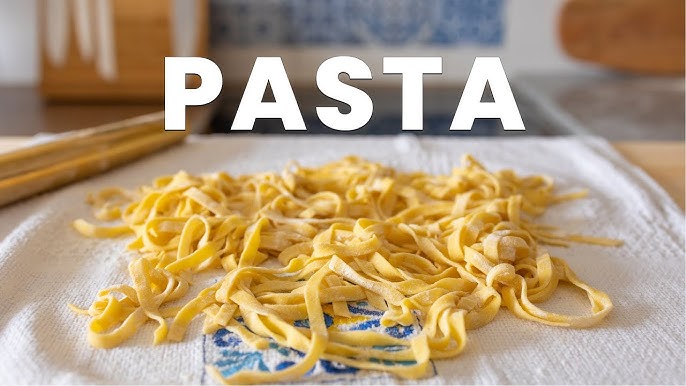
Sourdough Pasta Recipe: Ever wondered what happens when two age-old food traditions—fresh pasta and sourdough fermentation—collide? You get sourdough pasta: a delicious, nutritious, and totally satisfying upgrade to the regular noodle. This guide will walk you through everything from the ingredients you’ll need to each step of the pasta-making process, so you can create silky, flavorful noodles right at home.
Sourdough pasta offers a deep, complex flavor with a slight tang from fermentation and boasts better digestibility due to the natural leavening process. It’s rustic, authentic, and surprisingly easy to make if you’ve got a sourdough starter bubbling away in your kitchen already. And even if you’re new to this, don’t worry—we’re breaking it all down in the easiest way possible.
Why Make Sourdough Pasta?
Health Benefits: Sourdough fermentation breaks down gluten and phytic acid, making pasta easier to digest and gentler on the stomach. Some people with mild gluten sensitivities even find sourdough-based recipes more tolerable (though it’s not gluten-free). The fermentation process also unlocks more nutrients in the flour, including iron, magnesium, and zinc.
Flavor Profile: This isn’t your average pasta. Sourdough pasta has a rich, slightly tangy flavor that adds depth to any dish. Whether you’re topping it with a hearty Bolognese or a light olive oil and herb drizzle, the pasta itself will stand out as the star.
Texture Difference: Thanks to the fermentation, sourdough pasta tends to be more elastic and chewy than regular fresh pasta. The gluten develops beautifully during the long rest, leading to pasta that’s firm yet tender with a satisfying bite.
Sourdough pasta is not just food—it’s a craft. And it’s one worth learning.
What is Sourdough Starter and Why Use It in Pasta?
Sourdough starter is a live culture of flour and water that has captured wild yeast and bacteria from the environment. Over time, this bubbly mixture becomes the engine behind naturally leavened bread—and in this case, it adds fermentation magic to pasta dough.
Why use it in pasta? Because it changes everything. It adds complexity to the flavor, improves texture, and offers subtle fermentation benefits that your gut will thank you for. Even a short fermentation makes a noticeable difference. Plus, if you’re baking sourdough bread already, this is an awesome way to use your starter for something new.
Using sourdough discard (the portion you remove before feeding) is also an option. It cuts down on food waste and still imparts that lovely tang to the pasta.
Choosing the Right Flour for Sourdough Pasta
All-Purpose Flour: Good for beginners. It’s soft and makes a smooth, easy-to-roll dough. The final texture is delicate and works well with light sauces.
Semolina Flour: This is the gold standard for pasta. Semolina is made from durum wheat, giving your pasta a firm bite and a slightly gritty texture that helps sauce cling better. Use it alone or mix it 50/50 with all-purpose.
Whole Wheat Flour: Earthy, nutty, and loaded with fiber. Whole wheat adds a robust flavor but requires more hydration and kneading. Combine it with all-purpose flour for balance.
00 Flour (Doppio Zero): Italian-style finely milled flour. Makes a silky smooth dough, especially great for filled pasta like ravioli or tortellini.
You can mix and match depending on your preference. A blend of 1 cup all-purpose, 1 cup semolina, and ½ cup whole wheat is a great place to start.
Essential Kitchen Tools for Making Sourdough Pasta
- Mixing bowl
- Kitchen scale (for accuracy)
- Rolling pin or pasta machine
- Dough scraper
- Sharp knife or pasta cutter
- Clean kitchen towel or plastic wrap
- Drying rack (optional)
Having the right tools on hand makes the process smoother and more enjoyable. A pasta machine isn’t necessary but highly recommended if you’re making pasta regularly.
Ingredients You’ll Need for Homemade Sourdough Pasta
Here’s what you’ll need:
- 2 cups flour (mix of semolina and all-purpose works best)
- ½ cup active sourdough starter (fed within the last 6–8 hours)
- 2 large eggs
- 1 tablespoon olive oil
- ½ teaspoon salt
- Water as needed (1–2 tablespoons, if dough is dry)
Optional Substitutions:
- Use whole wheat flour for a nuttier flavor
- Substitute one egg with 2 tablespoons of water for a vegan version (if using a discard)
- Add herbs like basil or garlic powder to flavor the dough
Keep all ingredients at room temperature for best results.
Preparing Your Sourdough Starter for Pasta Making
Before making pasta, your starter should be active, bubbly, and recently fed—ideally within 6–8 hours of mixing the dough.
Tips:
- Float test: Drop a spoonful of starter in water. If it floats, it’s ready!
- Avoid using a starter that smells overly acidic or has been neglected—this can affect flavor.
- If using discard, you can skip fermentation but expect a denser texture.
A healthy starter is key to successful fermentation. Make sure you’re using one that’s vibrant and smells yeasty with a hint of sourness.
Step-by-Step Sourdough Pasta Recipe
Let’s break it down into manageable steps.
Step 1: Making the Dough
In a bowl, mix sourdough discard or active starter with eggs, olive oil, and a pinch of salt. Gradually add flour, stirring until a rough dough forms. Turn it onto a work surface and knead for 5–8 minutes until smooth and elastic. The dough should be firm but pliable.
Step 2: Resting the Dough
Wrap the dough tightly in plastic wrap or cover with a bowl. Let it rest at room temperature for at least 30 minutes. Resting relaxes the gluten, making the dough easier to roll and improving texture.
Step 3: Rolling and Shaping
Divide the dough into manageable portions. Roll each piece thin using a rolling pin or pasta machine, dusting lightly with flour to prevent sticking. Cut into desired shapes such as fettuccine, tagliatelle, or sheets for lasagna.
Step 4: Drying or Cooking Fresh
For fresh pasta, cook immediately in well-salted boiling water for 2–3 minutes until tender. To dry, hang or lay pasta on a floured surface for several hours until firm, then store in an airtight container.
How Long Should You Ferment Sourdough Pasta?
Fermentation is where the magic of sourdough really kicks in, and when it comes to pasta, it’s all about balance. You don’t need a super long fermentation like with bread, but giving the dough some time to rest with your sourdough starter can make a noticeable difference in flavor, texture, and digestibility.
Short Fermentation (30 minutes to 2 hours): If you’re in a hurry, you can still make sourdough pasta with a short rest. This allows the dough to relax, making it easier to roll out, but you won’t get as much of that sourdough tang or health benefits. Still, it’s better than nothing and will yield a smooth, tender pasta.
Long Fermentation (8 to 24 hours): For a deeper flavor and improved gut-friendly properties, ferment your dough in the fridge overnight. This slow process allows the wild yeasts and bacteria in your starter to break down complex carbohydrates and gluten, making the pasta more nutritious and easier to digest.
Tips for Fermenting Pasta Dough:
- Always wrap your dough tightly in plastic wrap or place it in an airtight container.
- Store in the refrigerator to slow down fermentation and avoid over-proofing.
- Bring the dough back to room temperature before rolling it out.
You’ll notice the dough becomes more elastic and easier to handle after a good ferment. The slight tangy aroma is your sign that the sourdough magic is working.
Cooking Instructions for Sourdough Pasta
Now that you’ve kneaded, rested, and shaped your beautiful sourdough pasta, it’s time to cook it to perfection. Fresh sourdough pasta cooks much faster than dried store-bought noodles, so timing is everything here.
Boiling Instructions:
- Bring a large pot of water to a rolling boil.
- Add a generous pinch of salt—about 1 tablespoon per 4 cups of water.
- Drop in the pasta and give it a gentle stir to prevent sticking.
- Boil for 2–4 minutes (depending on thickness). Taste test for doneness.
Tips for Perfect Texture:
- Don’t overcook—fresh sourdough pasta becomes mushy if boiled too long.
- Stir once or twice to keep noodles from sticking together.
- Toss with sauce immediately after draining, or drizzle with a little olive oil to prevent clumping.
Bonus Tip: If you’re making stuffed pasta like ravioli, reduce the boiling time to 1.5–2 minutes since the dough is thinner and more delicate.
Whether you’re serving it with a classic tomato sauce or just a simple garlic butter drizzle, freshly cooked sourdough pasta delivers a rustic, hearty flavor that’s worth every step.
Best Sauces to Pair with Sourdough Pasta
Because sourdough pasta has a richer, more complex flavor than regular pasta, you’ll want sauces that complement and enhance that depth. Here are some of the best options:
Creamy Sauces:
- Alfredo Sauce: The creamy, garlicky goodness of Alfredo pairs beautifully with sourdough’s tang.
- Mushroom Cream Sauce: Earthy mushrooms and a touch of cream create an umami-packed combo.
Tomato-Based Sauces:
- Marinara: A light, acidic sauce that highlights the tang in the pasta without overpowering it.
- Bolognese: A hearty meat sauce that adds savory depth and texture.
Olive Oil-Based Sauces:
- Aglio e Olio (Garlic and Oil): Super simple and lets the sourdough flavor shine.
- Pesto: Basil, garlic, pine nuts, and cheese make a punchy green sauce that’s herbaceous and rich.
Tips for Matching Pasta and Sauce:
- Thicker noodles like pappardelle work well with heavy sauces.
- Lighter sauces are perfect for spaghetti or fettuccine.
- For filled pasta like ravioli, keep it light so the filling and pasta flavor aren’t lost.
You worked hard on that sourdough dough—don’t drown it in sauce. Let the pasta be the star.
Storage Tips: Fresh and Dried Sourdough Pasta
Want to make your pasta ahead of time? No problem. Sourdough pasta is super versatile and stores well with just a little care.
Fresh Pasta:
- Store in the fridge in an airtight container for up to 2 days.
- Lightly dust with flour before storing to prevent sticking.
- You can also refrigerate the dough itself (wrapped tightly) for up to 3 days before rolling.
Dried Pasta:
- Dry on a pasta rack or floured surface for 12–24 hours.
- Store in an airtight container in a cool, dark place for up to 2 months.
- Label with the date—homemade pasta doesn’t have preservatives!
Freezing Instructions:
- Freeze fresh, shaped pasta in a single layer on a baking sheet.
- Once frozen, transfer to a zip-top bag.
- Cook from frozen—just add 1–2 extra minutes to the boiling time.
Proper storage means you can have sourdough pasta ready to go anytime. Talk about a win!
Common Mistakes to Avoid When Making Sourdough Pasta
Even pros mess up sometimes. Avoid these common pitfalls to make your sourdough pasta journey smoother:
- Using Inactive Starter:
If your starter isn’t bubbly and alive, your dough will be flat and flavorless. - Overworking the Dough:
Yes, kneading is good—but too much can make the dough stiff and hard to roll. - Skipping the Rest Time:
Fermentation and resting help develop flavor and texture. Don’t rush it! - Rolling Too Thick or Thin:
Too thick, and it won’t cook evenly. Too thin, and it might tear. Aim for uniformity. - Not Enough Flour During Rolling:
Stickiness is your enemy. Lightly dust surfaces and pasta to prevent tearing or clumping. - Overcooking:
Fresh pasta cooks fast. Walk away from the stove, and you’ve got mush. Keep a close eye!
Making mistakes is part of learning, but these tips should help you sidestep most of the big ones and keep your pasta on point.
Sourdough Pasta for Beginners – Pro Tips
Just starting out? Don’t sweat it. These beginner-friendly pro tips will help you master sourdough pasta with confidence:
- Use a Kitchen Scale: Precision matters in pasta-making. Weight is more accurate than volume.
- Don’t Be Afraid of Sticky Dough: It will smooth out as you knead. Resist the urge to over-flour too soon.
- Invest in a Pasta Roller: Rolling by hand is doable, but a roller saves time and ensures consistent thickness.
- Keep It Simple at First: Stick with basic shapes like fettuccine or tagliatelle before attempting ravioli or tortellini.
- Take Notes: Every starter and flour behaves differently. Track what works for your setup.
Once you’ve made it a couple of times, it becomes second nature—and honestly, kind of addictive.
FAQs about Sourdough Pasta Recipe
1. Can I freeze sourdough pasta?
Yes! Freeze it fresh and shaped on a tray, then transfer to a sealed bag. Cook straight from frozen with a couple of extra minutes of boiling time.
2. How long does sourdough pasta last?
Fresh pasta lasts up to 2 days in the fridge. Dried pasta can be stored for up to 2 months in an airtight container in a cool place.
3. Can I use discard instead of active starter?
Absolutely. Discard adds flavor, though it won’t ferment unless you rest the dough for a longer time. It’s a great way to avoid waste.
4. Does sourdough pasta taste sour?
Not exactly. It has a subtle tang that adds depth, but it shouldn’t taste like sour bread. Long fermentation can make it slightly more pronounced.
5. Is sourdough pasta easier to digest?
Yes. The natural fermentation process helps break down gluten and phytic acid, which can make it gentler on your digestive system.
Conclusion
Making sourdough pasta is more than just a kitchen experiment—it’s a deeply rewarding cooking ritual that combines tradition, flavor, and gut-friendly fermentation in one incredible dish. The tangy flavor from the starter, the chewy-yet-tender texture, and the flexibility to pair with endless sauces make this a next-level pasta experience.
Whether you’re a sourdough bread lover looking for new ways to use your starter or a pasta fanatic ready to try something new, this recipe is the perfect blend of craft and comfort. It may take a little time, but once you taste that first bite of homemade sourdough pasta, you’ll know it was worth every minute.