Sourdough Pancakes Recipe: If you’re a fan of pancakes and looking for a delicious, tangy twist to your breakfast routine, sourdough pancakes are your new best friend. Not only are they incredibly fluffy and flavorful, but they’re also a great way to use up sourdough discard or starter.
This step-by-step guide will take you through everything—from mixing the batter to flipping those golden beauties—so your next breakfast is nothing short of amazing.
What Makes Sourdough Pancakes Unique?
Sourdough pancakes are different from your regular flapjacks in the best way possible. Instead of using just baking powder or baking soda for leavening, these pancakes get part of their rise and all of their unique flavor from a fermented sourdough starter. That means they have a deeper, more complex taste, slightly tangy and rich, thanks to the natural yeasts and bacteria in the starter.
Beyond flavor, sourdough pancakes often have a lighter, airier texture. The fermentation process helps break down gluten, making them easier to digest for some people. Whether you’re looking to spice up your weekend brunch or make the most of your sourdough starter, these pancakes are a delightful upgrade from the norm.
The Tangy Twist of Sourdough Starter
The sourdough starter is the soul of this recipe. Made from just flour and water, it’s been fermented over days or weeks and becomes a living, bubbling mixture full of natural yeasts. When added to pancake batter, it lends a tangy flavor and helps create a super fluffy texture. Plus, if you bake sourdough bread regularly, you’ll always have some discard that needs using—this is a perfect, zero-waste solution.
Ingredients You’ll Need
Core Ingredients
Here’s what you’ll need for a basic sourdough pancake recipe:
- 1 cup sourdough starter (active or discard)
- 1 cup all-purpose flour
- 1 cup milk (dairy or non-dairy)
- 1 tablespoon sugar (optional)
- 1 large egg
- 2 tablespoons melted butter or oil
- 1 teaspoon baking soda
- 1/2 teaspoon salt
This combination gives you a beautifully balanced batter with just enough tang, softness, and a light, airy texture.
Optional Add-ins for Flavor
Want to take your pancakes to the next level? Here are some tasty add-ins:
- Blueberries – Fold them in just before cooking.
- Chocolate chips – For a sweet treat.
- Vanilla extract – A teaspoon adds depth.
- Cinnamon or nutmeg – Warm spices work beautifully here.
- Mashed banana – Adds sweetness and moisture.
Experiment with your favorite combinations to keep breakfast interesting.
Preparing Your Sourdough Starter
Using Fresh vs. Discard Starter
You can use either an active, bubbly starter or the discard you usually throw away during feeding. Each gives slightly different results:
- Active starter: Provides more rise and a softer texture.
- Discard starter: Has a deeper, more pronounced tang and is great if you’re cooking the same day.
If your discard has been sitting in the fridge for a week, just give it a good stir and smell check—it should be tangy but not foul.
Tips to Keep Your Starter Active
- Feed your starter regularly—ideally once a day if kept at room temperature.
- Store in the fridge if you bake less often.
- Always remove some discard before feeding.
- Use filtered water and unbleached flour for best results.
Keeping your starter healthy means better pancakes every time!
Step-by-Step Instructions for Perfect Sourdough Pancakes
Step 1 – Mix the Overnight Sponge
The night before you plan to make pancakes:
- In a large bowl, combine:
- 1 cup flour
- 1 cup milk
- 1 cup sourdough starter
- Mix until smooth and cover loosely with a towel.
- Let it sit at room temperature overnight (8-12 hours).
This step develops the flavor and ensures your batter is light and bubbly by morning.
Step 2 – Prepare the Batter in the Morning
- To the sponge, add:
- 1 large egg
- 2 tablespoons melted butter
- 1 tablespoon sugar (if using)
- 1/2 teaspoon salt
- 1 teaspoon baking soda
- Gently fold everything together. The baking soda will react immediately, causing bubbles—don’t overmix!
Your batter should be thick but pourable. If too stiff, add a splash of milk.
Step 3 – Cook the Pancakes to Golden Perfection
- Heat a skillet or griddle over medium heat. Grease with a bit of butter or oil.
- Pour 1/4 cup batter for each pancake. Don’t crowd the pan.
- Cook until bubbles form on the surface and edges look set (about 2-3 minutes).
- Flip and cook another 1-2 minutes until golden brown.
- Keep warm in the oven while finishing the batch.
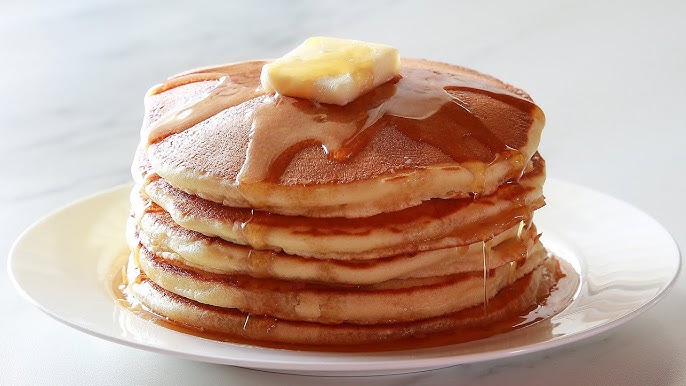
Stack ’em high and serve hot with your favorite toppings.
Pro Tips for Light, Fluffy Pancakes
Getting that perfect fluff in sourdough pancakes isn’t just about ingredients—it’s about technique too. Here are some tips that make a huge difference:
- Don’t overmix the batter: Once you add the baking soda, mix just enough to incorporate everything. Overmixing pops the bubbles that give pancakes their fluffiness.
- Let the batter rest briefly after mixing: Give it 5-10 minutes to let the soda do its work. You’ll see it puffing up slightly—this is your cue to start cooking.
- Use medium heat: Too high, and the pancakes burn before cooking through. Too low, and they stay pale and gummy. Medium is just right for golden edges and cooked centers.
- Grease the pan lightly: You want a slick surface, not a greasy one. Butter adds flavor, but it burns fast—mixing it with oil helps prevent that.
- Flip just once: When you see bubbles forming and the edges look dry, it’s time. Flip confidently, then leave it be. Overflipping can deflate your pancakes.
These small tweaks can transform your sourdough pancakes from good to unforgettable.
Delicious Topping Ideas
A pancake is a blank canvas for all kinds of toppings. Sure, you can stick to syrup and butter, but why not switch it up with something bold? Here are some fun ideas:
- Classic Maple Syrup – Always a winner. Warm it up for extra indulgence.
- Fresh Berries – Strawberries, blueberries, raspberries—sweet and tart is a perfect match for tangy pancakes.
- Whipped Cream – Light and airy, it balances the dense texture of pancakes.
- Nuts and Seeds – Toasted pecans or chia seeds add crunch and nutrition.
- Yogurt and Honey – A creamy, tangy combo with a drizzle of golden sweetness.
- Fruit Compote – Simmer chopped fruit with a little sugar until syrupy.
- Nut Butter – Peanut, almond, or even cashew for protein-packed flavor.
Mix and match toppings for a fresh experience every time. Sourdough pancakes are versatile enough to pair with sweet or savory additions.
Why Use Sourdough in Pancakes?
You might be wondering—why go through the trouble of using sourdough starter when you could just mix up a quick batter? Here’s why sourdough is worth the extra step:
- Flavor Depth: The fermentation adds layers of complexity you can’t get from baking powder alone. It’s slightly tangy, slightly nutty, and totally crave-worthy.
- Digestibility: Fermented batter may be easier on the stomach. The starter begins breaking down gluten and phytic acid, making it gentler for those with sensitivities (not suitable for celiac, though).
- Natural Leavening: The natural yeasts in sourdough starter give your pancakes a beautiful rise and airy structure without relying entirely on chemical leaveners.
- Waste Reduction: Got sourdough discard? Don’t toss it—turn it into breakfast magic. It’s a smart, sustainable way to bake.
- Nutrition Boost: Sourdough can slightly increase the availability of nutrients in flour due to fermentation. Plus, many people find it more filling.
In short, sourdough makes pancakes that are tastier, healthier, and way more satisfying than your average stack.
Common Mistakes to Avoid
Even a great recipe can flop with a few small missteps. Here’s what to watch out for:
- Using a weak or unfed starter: If your starter hasn’t been fed in a while, it may add an unpleasant taste. Use fresh or recently fed starter for best results.
- Skipping the overnight rest: That long ferment time develops flavor and texture. Don’t skip it unless you’re in a rush.
- Overmixing the batter: Especially after adding baking soda, go easy on stirring. Too much mixing knocks out all the air.
- Pouring batter into a cold pan: Always preheat your skillet. A cold pan = pale pancakes.
- Using too much starter: More isn’t always better. Stick to the recipe or your pancakes could turn too sour or gummy.
- Cooking at high heat: Cranking up the heat causes uneven cooking. Medium heat gives you the best balance of golden brown and fully cooked centers.
Avoid these, and you’ll be flipping perfect pancakes in no time.
Storage and Reheating Tips
Made a big batch? No worries—sourdough pancakes store and reheat beautifully.
To Store:
- Refrigerator: Stack pancakes with parchment between and store in an airtight container for up to 4 days.
- Freezer: Freeze in a single layer on a baking sheet, then transfer to a freezer-safe bag. Keeps for 2-3 months.
To Reheat:
- Toaster: Crisp up the edges and warm through—quick and easy.
- Microwave: 30-40 seconds for a stack of two. Cover with a damp paper towel to keep them moist.
- Oven: Reheat in a 350°F oven for 8-10 minutes, wrapped in foil.
Bonus: You can even eat them cold, slathered in peanut butter, for a grab-and-go breakfast.
Variations to Try Next
Once you’ve nailed the classic sourdough pancake, it’s time to have some fun. The great thing about this base recipe is how versatile it is. You can tweak the ingredients and add all sorts of delicious extras to match your mood, dietary needs, or whatever you’ve got in the fridge.
1. Sourdough Banana Pancakes
Mash one ripe banana into the batter before cooking. The banana adds natural sweetness and moisture, making the pancakes extra soft and flavorful. Add a dash of cinnamon for that classic banana bread vibe.
2. Savory Sourdough Pancakes
Skip the sugar and add grated cheese, chopped herbs (like chives or dill), and even cooked bacon or ham bits. Top with a fried egg for a hearty breakfast or brunch option.
3. Whole Wheat or Buckwheat Sourdough Pancakes
Replace half (or all) of the all-purpose flour with whole wheat or buckwheat flour for a nuttier, more wholesome version. These flours pair beautifully with the tang of sourdough.
4. Vegan Sourdough Pancakes
Use a flax egg (1 tablespoon flaxseed meal + 3 tablespoons water), plant-based milk, and oil instead of butter. Just ensure your sourdough starter is maintained with plant-based ingredients.
5. Pumpkin Spice Sourdough Pancakes
Perfect for fall! Add 1/2 cup pumpkin puree and 1 teaspoon pumpkin pie spice. These are fantastic with maple syrup and toasted pecans on top.
Feel free to get creative. Sourdough pancakes are forgiving and fun, which makes them the ideal recipe to experiment with.
Nutritional Information
Understanding what’s on your plate is important, especially if you’re tracking macros or have dietary goals. Here’s an approximate breakdown for a serving of classic sourdough pancakes (3 medium pancakes), not including toppings:
| Nutrient | Amount |
|---|---|
| Calories | 260-300 |
| Protein | 7-9 grams |
| Fat | 10-12 grams |
| Carbohydrates | 35-40 grams |
| Fiber | 1-2 grams |
| Sugar | 2-4 grams |
| Sodium | 300-350 mg |
Keep in mind, this varies based on the specific ingredients and toppings you use. Add-ins like nuts, fruit, or chocolate chips will shift the numbers. If you’re looking to lighten things up, use less butter, a non-dairy milk, or cut back on sugar.
Sourdough Pancakes vs. Traditional Pancakes
How do sourdough pancakes compare to their more conventional cousins? Let’s break it down:
Taste:
- Sourdough: Tangy, complex, slightly yeasty flavor that deepens with an overnight sponge.
- Traditional: Mild, sweet, and buttery with a classic “cake” flavor.
Texture:
- Sourdough: Airy and tender with a chewier bite.
- Traditional: Fluffy but denser, especially when made with buttermilk.
Prep Time:
- Sourdough: Requires planning—needs at least 8 hours for fermentation if using a sponge.
- Traditional: Ready in minutes with no fermentation time.
Nutrition:
- Sourdough: Slight edge for digestion and nutrient availability due to fermentation.
- Traditional: Simpler, but may not be as gut-friendly.
Ultimately, sourdough pancakes are a bit more of a commitment, but they deliver big on flavor, texture, and nutritional benefits. Once you try them, you might never go back to regular ones.
FAQs about Sourdough Pancakes Recipe
1. Can I use sourdough discard straight from the fridge?
Yes! Just give it a good stir. Cold discard works well and adds a tangier flavor to the pancakes.
2. Can I make sourdough pancakes without letting the batter rest overnight?
You can, but the flavor and texture won’t be quite as developed. The overnight sponge adds depth and fluffiness.
3. What’s the best way to store leftover batter?
Cover and refrigerate it for up to 2 days. The batter may thicken slightly, so thin it out with a bit of milk before cooking.
4. Can I make these gluten-free?
Yes, but you’ll need a gluten-free sourdough starter and appropriate flour substitutes like buckwheat or a gluten-free all-purpose blend.
5. Why are my pancakes coming out flat?
Check that your starter is active or recently fed, and don’t skip the baking soda. Also, make sure not to overmix after adding the leavening.
Conclusion
Sourdough pancakes are a delicious blend of old-world baking and comfort food perfection. Whether you’re an avid sourdough baker or just starting out, this recipe is a great way to use your starter and transform your mornings. The tangy flavor, fluffy texture, and endless customization options make them a favorite for families, foodies, and home cooks alike.
Take your time to experiment, try different variations, and make the recipe your own. With just a little prep the night before, you can wake up to a stack of golden pancakes that are far from ordinary.
So go ahead—whip up that sponge, fire up the skillet, and enjoy the magic of sourdough in every bite.