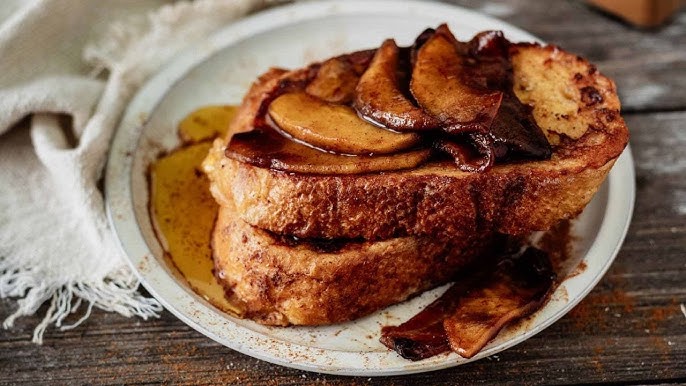
Sourdough French Toast Recipe: Ever craved that golden, crispy-on-the-outside and fluffy-on-the-inside French toast? Now imagine that made with tangy sourdough bread.
Next-level, right? That’s exactly what this recipe delivers: a perfect blend of rich custard flavor with a slight tang from the sourdough that sets it apart from the average French toast. It’s hearty, flavorful, and ridiculously easy to whip up—even if you’re not exactly a morning person.
Let’s walk through everything from ingredients to pro tips, and finally, a step-by-step guide that guarantees your breakfast will never be boring again.
Why Sourdough Makes the Best French Toast
Sourdough isn’t just for artisan sandwich making or fancy avocado toasts. When used in French toast, it takes on a whole new character. The natural tang of sourdough adds complexity and balance to the sweetness of the egg batter and toppings like maple syrup or powdered sugar. Its chewy texture also holds up incredibly well to soaking—better than flimsy sandwich bread. Instead of falling apart, sourdough stays sturdy and turns golden and crispy on the outside, tender and custardy on the inside.
The irregular holes in the crumb of sourdough bread act like little flavor pockets, soaking up just the right amount of custard mixture. Plus, it’s a fantastic way to use up slightly stale sourdough—you know, the loaf that’s just a little too hard for sandwiches but still too good to waste? Perfect for French toast.
Ingredients You’ll Need
For the French Toast Batter
Here’s what you’ll need for the base recipe:
- 6 slices of sourdough bread (preferably day-old)
- 4 large eggs
- 1 cup whole milk (or half-and-half for richness)
- 1 tbsp granulated sugar
- 1 tsp pure vanilla extract
- ½ tsp ground cinnamon
- Pinch of salt
- Butter or oil for cooking
Optional Toppings
- Maple syrup
- Fresh berries
- Sliced bananas
- Powdered sugar
- Whipped cream
- Nut butter
- Yogurt
- Chopped nuts
Feel free to customize these to match your cravings or what you’ve got on hand.
Choosing the Right Sourdough Bread
Not all sourdough is created equal. You want a loaf that’s hearty and a bit dry—this helps it soak up the egg mixture without becoming a soggy mess. Avoid very soft or ultra-fresh bread, which can fall apart when soaked.
Look for:
- A thick, crusty loaf – ideally unsliced so you can cut thick pieces.
- A medium crumb structure – lots of little holes, but not so airy that the slices collapse.
- Slightly stale bread – one or two days old is perfect.
Pro tip: Slice your bread and let it sit out for an hour to dry slightly if it’s too fresh.
Tips for the Best Texture and Flavor
- Use full-fat dairy like whole milk or half-and-half for a rich, custardy center.
- Don’t skip the cinnamon and vanilla—they add warmth and aroma that make your toast pop.
- Soak your bread thoroughly, about 30 seconds on each side, especially with thicker slices.
- Cook low and slow to avoid burning the outside while leaving the inside raw.
- Use butter and oil together in the pan—the butter gives flavor, and the oil prevents it from burning.
Step-by-Step Guide to Making Sourdough French Toast
Here’s your ultimate breakdown for success.
Step 1: Slice the Sourdough Bread
Cut your sourdough loaf into slices about ¾ to 1 inch thick. This thickness ensures the bread can soak up plenty of custard without falling apart.
If your bread is fresh, let the slices sit out for 30–60 minutes, or toast them lightly in the oven at 250°F (120°C) for 10 minutes. This firms them up and improves soaking.
Step 2: Prepare the Egg Batter
Crack the 4 eggs into a large mixing bowl. Whisk them thoroughly until the yolks and whites are fully combined. Add in:
- 1 cup whole milk
- 1 tbsp sugar
- 1 tsp vanilla extract
- ½ tsp cinnamon
- A pinch of salt
Whisk everything together until smooth and well-blended. Pour the mixture into a shallow dish, like a baking pan or pie plate—this makes it easier to soak the bread.
Step 3: Soak the Bread Properly
Place one or two slices of bread into the custard mixture at a time. Let each side soak for about 30–45 seconds. You want the bread to absorb the batter, but not get soggy and fall apart.
Check for full saturation by gently pressing the bread—if it’s soaked through but still holding its shape, you’re good.
Step 4: Preheat Your Pan or Griddle
Heat a large skillet or griddle over medium-low to medium heat. Add 1 tbsp butter and 1 tbsp oil to the pan. The butter adds that classic flavor while the oil prevents scorching.
Once the butter is melted and starts to sizzle (but not brown), it’s ready for the toast.
Step 5: Cook Until Golden Brown
Place your soaked bread slices onto the hot pan. Let them cook 3–4 minutes per side, or until they turn golden brown and slightly crispy at the edges. Don’t rush this step—slow cooking ensures the custard inside cooks through without burning the outside.
Use a spatula to gently flip the toast and press down lightly to ensure even cooking.
Step 6: Serve with Your Favorite Toppings
Once all slices are golden and cooked through, transfer them to a plate and serve hot. Now’s the fun part—toppings! Drizzle with maple syrup, add a dollop of whipped cream, or pile on the berries and nuts. This is your moment to customize.
Common Mistakes to Avoid
Even a simple recipe like French toast can go wrong if you miss the basics. Here are a few slip-ups to watch out for when making sourdough French toast:
- Using bread that’s too fresh – Fresh sourdough is delicious, but it doesn’t hold up well in custard. Slightly stale is your best bet.
- Not soaking long enough – A quick dip won’t do much. Let the bread soak so it absorbs the mixture and becomes tender inside.
- Soaking too long – On the flip side, don’t let it sit for minutes. Oversoaked bread can fall apart and cook unevenly.
- Overcrowding the pan – Cook in batches if needed. If the slices are touching, they won’t brown properly.
- Cooking on high heat – Medium-low is your friend. High heat burns the outside while leaving the inside undercooked.
- Skipping the seasoning – The cinnamon, vanilla, and salt bring your batter to life. Don’t leave them out!
Avoiding these mistakes will make your French toast crisp on the outside, fluffy inside, and packed with flavor.
Sourdough French Toast Variations
One of the best things about French toast is how versatile it is. Let’s take it up a notch with some fun and delicious variations.
Stuffed Sourdough French Toast
Stuffed French toast turns a simple breakfast into a decadent brunch treat. Try these combos:
- Cream cheese + strawberries
- Peanut butter + banana
- Nutella + raspberries
Cut a slit in thick slices to form a pocket, fill with your stuffing of choice, then dip in the custard and cook like usual. It’s like breakfast and dessert had a baby.
Savory Sourdough French Toast
Who says French toast has to be sweet? Try a savory twist:
- Omit the sugar, cinnamon, and vanilla from the batter.
- Add a dash of black pepper, paprika, and finely chopped herbs.
- Serve with bacon, avocado, sautéed mushrooms, or a fried egg on top.
Perfect for those who prefer a hearty, umami-rich breakfast.
Overnight Baked Sourdough French Toast
Want to prep ahead for a crowd? Turn this recipe into a baked casserole:
- Layer sliced sourdough in a buttered baking dish.
- Pour custard over the top.
- Cover and refrigerate overnight.
- Bake at 350°F (175°C) for 40–45 minutes in the morning.
It comes out golden on top, creamy inside, and totally irresistible.
What to Serve with Sourdough French Toast
Want to make it a full meal? Here are a few delicious side options that pair beautifully:
- Scrambled or fried eggs
- Breakfast sausage or crispy bacon
- Fresh fruit salad
- Greek yogurt with honey
- Hash browns or roasted potatoes
- Iced coffee, lattes, or freshly brewed tea
Mix and match depending on whether you want sweet, savory, or a little of both.
Nutritional Information (Per Serving)
Here’s an approximate nutritional breakdown for one serving (2 slices) of sourdough French toast with basic toppings:
| Nutrient | Amount |
|---|---|
| Calories | 320–380 kcal |
| Protein | 12g |
| Carbs | 35g |
| Sugar | 7g |
| Fat | 18g |
| Saturated Fat | 6g |
| Fiber | 2g |
| Sodium | 350mg |
Note: This varies based on bread thickness, toppings, and dairy used.
Make-Ahead and Storage Tips
Want to enjoy sourdough French toast later? No problem. Here’s how:
Make-Ahead:
- Pre-slice the bread and make the custard up to a day in advance. Store separately in the fridge.
- You can also assemble the toast and refrigerate overnight before cooking (great for casseroles).
Storage:
- Fridge: Store leftovers in an airtight container for up to 3 days.
- Freezer: Place slices in a single layer on a baking sheet, freeze until solid, then transfer to a freezer-safe bag. Reheat straight from frozen in a toaster or oven.
These tips make weekday breakfasts just as satisfying as weekend brunch.
Gluten-Free and Dairy-Free Options
If you’re avoiding gluten or dairy, don’t worry—there are easy swaps.
Gluten-Free:
- Use a gluten-free sourdough loaf (many bakeries and health food stores carry them).
- Make sure your other ingredients (especially vanilla extract) are certified gluten-free.
Dairy-Free:
- Use plant-based milk like almond, oat, or soy.
- Replace butter with coconut oil or vegan butter.
You’ll still get all the custardy goodness, no compromise necessary.
Pairing with Drinks – Coffee, Tea, and More
What’s French toast without a perfect drink? Here are some awesome pairings:
- Coffee: A classic black coffee or a creamy latte balances the sweetness.
- Tea: Earl Grey or chai complements the vanilla-cinnamon flavors.
- Juice: Fresh orange juice or apple cider gives a bright contrast.
- Smoothies: Berry or banana-based smoothies add fruit and freshness.
Brunch isn’t just about the food—it’s a whole vibe. Make your morning complete with the perfect sip.
FAQs about Sourdough French Toast Recipe
Q1: Can I make this without eggs?
Yes! You can use mashed banana, flax eggs, or a vegan egg substitute mixed with non-dairy milk to create a similar custard texture.
Q2: Is sourdough healthier than regular bread?
Generally, yes. Sourdough is fermented, which can make it easier to digest and lower in gluten. It also has a lower glycemic index than white bread.
Q3: Why is my French toast soggy inside?
Either the bread was too thin/fresh or it soaked too long. Also, cooking on high heat can brown the outside too fast while leaving the inside undercooked.
Q4: Can I use flavored sourdough bread?
Absolutely. Cinnamon raisin sourdough or rosemary garlic (for savory versions) can add extra flavor.
Q5: Can I double or triple the recipe?
Yes! Just increase all the ingredients proportionally. You can also keep cooked slices warm in the oven (200°F/90°C) while cooking more batches.
Conclusion
Sourdough French toast isn’t just another breakfast recipe—it’s a game-changer. The tangy, chewy bread turns into a soft, golden, flavor-packed delight when soaked in custard and crisped up in a hot pan. Whether you keep it classic, turn it into a brunch masterpiece with toppings, or experiment with stuffed or savory variations, there’s no going wrong.
With a little prep and some simple ingredients, you can bring café-level breakfast right into your kitchen. Now you’ve got the tools, tips, and recipe—go make magic with your sourdough!