Sourdough Discard Recipe: If you’ve been bitten by the sourdough bug, you’re probably already familiar with the daily ritual of feeding your starter. But what about that extra bit of dough you scrape off before every feeding? That’s called sourdough discard. It’s essentially a portion of your sourdough starter that’s removed to maintain a healthy ratio of flour and water during feeding.
Even though it’s called “discard,” don’t let the name fool you. It’s not waste. This discard still holds a punch of flavor and can be reused in tons of tasty recipes. It just doesn’t have the same leavening power as a fully-fed starter.
Why Should You Use Sourdough Discard?
Throwing away sourdough discard each time you feed your starter might feel like tossing flour and effort straight into the trash. That’s where the magic of discard recipes comes in. Not only does using discard prevent waste, but it also opens up a new world of baking possibilities. From savory snacks to sweet breakfast treats, sourdough discard can be your secret ingredient for creating flavorful, wholesome goodies.
Benefits of Cooking with Sourdough Discard
Reducing Waste and Saving Money
Let’s be real—baking takes time, ingredients, and energy. Why toss out something that still has value? By incorporating sourdough discard into your baking routine, you’re making full use of your ingredients. This practice helps reduce food waste and stretches your grocery dollars even further. Plus, it feels incredibly satisfying to turn what might have been garbage into golden-brown deliciousness.
Nutritional and Flavor Advantages
Sourdough discard carries the same benefits as your active starter—it’s packed with natural probiotics (though they’re less active after refrigeration), and it has that characteristic tangy flavor that elevates baked goods. Using discard can also help improve the digestibility of your treats, thanks to the natural fermentation process that breaks down gluten and phytic acid.
And let’s not forget the flavor. The subtle tang of sourdough discard can deepen the taste of pancakes, muffins, crackers, and more, making them stand out from ordinary baked goods.
Essential Tools and Ingredients
Tools You’ll Need
Before diving into your discard recipe, it’s helpful to gather a few basic kitchen tools. Here’s what you’ll typically need for most sourdough discard recipes:
- Mixing bowls (preferably glass or stainless steel)
- Measuring cups and spoons
- Whisk or spatula
- Frying pan or griddle (for pancakes and waffles)
- Baking sheet or loaf pan (for crackers or bread)
- Parchment paper (especially useful for stickier batters)
Keeping these tools clean and within reach makes the cooking process smoother and more enjoyable.
Basic Ingredients to Keep Handy
Every great recipe starts with quality ingredients. Here’s a simple list of items you might want to have ready when baking with sourdough discard:
- All-purpose flour (or whole wheat for a heartier option)
- Baking powder or baking soda
- Salt
- Eggs
- Milk (or plant-based alternatives)
- Sugar or honey (depending on the recipe)
- Butter or oil
- Add-ins like chocolate chips, bananas, herbs, or cheese for flavor variations
Now that we’re prepped and ready, let’s walk through one of the most popular discard recipes: sourdough pancakes.
Step-by-Step Recipe: Sourdough Discard Pancakes
Step 1: Gather Your Ingredients
For a batch of fluffy, tangy pancakes, you’ll need:
- 1 cup sourdough discard
- 1 cup all-purpose flour
- 1 tablespoon sugar
- 1 teaspoon baking soda
- 1/2 teaspoon salt
- 1 large egg
- 1/2 cup milk (adjust for thickness)
- 2 tablespoons melted butter or oil
- Optional: 1 teaspoon vanilla extract
Gather everything before you start mixing—trust me, it makes the process much easier.
Step 2: Mix the Batter
In a large bowl, whisk together your sourdough discard, flour, and milk until combined. Add the egg, melted butter, sugar, salt, and vanilla (if using), and mix until smooth. Finally, sprinkle in the baking soda and gently fold the batter. You might notice a few bubbles—this is a good sign. Let the batter sit for 5–10 minutes to thicken slightly.
The key here is not to overmix. A few lumps are okay and will actually make your pancakes lighter and fluffier.
Step 3: Cook the Pancakes
Heat a non-stick pan or griddle over medium heat and add a little butter or oil. Once hot, pour about 1/4 cup of batter for each pancake onto the pan. Cook for 2–3 minutes or until bubbles appear on the surface and the edges look set.
Flip carefully and cook the other side for another 1–2 minutes until golden brown. Remove from the pan and keep warm while you cook the rest.
Pro tip: Avoid pressing down with the spatula—it flattens the fluff!
Step 4: Serve and Enjoy
Now for the fun part. Stack those golden beauties high and serve with your favorite toppings: fresh fruit, maple syrup, yogurt, or even a pat of butter and a sprinkle of powdered sugar. The tang from the discard gives these pancakes a unique twist that keeps you coming back for more.
Variations on the Basic Recipe
Sourdough Discard Waffles
Love a good crispy waffle with a soft interior? Your sourdough discard has you covered. Waffles made with discard have an added depth of flavor that takes your breakfast game to the next level. The process is quite similar to pancakes, but the texture and crunch are where they really shine.
To make sourdough discard waffles, simply follow the same ingredients as the pancake recipe, but reduce the milk slightly and add 1 tablespoon of cornstarch to make them extra crispy. The batter should be a bit thicker. Preheat your waffle iron, grease it, and cook each waffle until golden brown and crunchy. Top with berries, syrup, or even fried chicken for a sweet-and-savory twist.
This variation freezes incredibly well too—just pop leftover waffles into a zip-top bag and reheat them in a toaster. It’s like having gourmet breakfast on standby.
Sourdough Discard Crackers
Need a quick snack? Sourdough discard crackers are a lifesaver. These are crunchy, tangy, and perfect for pairing with cheese or dips. And best of all? They require minimal ingredients and effort.
Here’s a basic recipe:
- 1 cup sourdough discard
- 2 tablespoons olive oil
- 1/2 teaspoon salt
- Herbs (like rosemary or thyme) or spices (like garlic powder) for flavor
Mix the ingredients into a thin batter and spread onto a parchment-lined baking sheet. Use a spatula or the back of a spoon to smooth it into a thin, even layer. Sprinkle with sea salt and bake at 325°F (160°C) for about 20–25 minutes or until crispy and golden. Cool, then break into pieces.
These crackers are incredibly customizable. Add shredded cheese, sesame seeds, or even chili flakes to create your perfect snack combo.
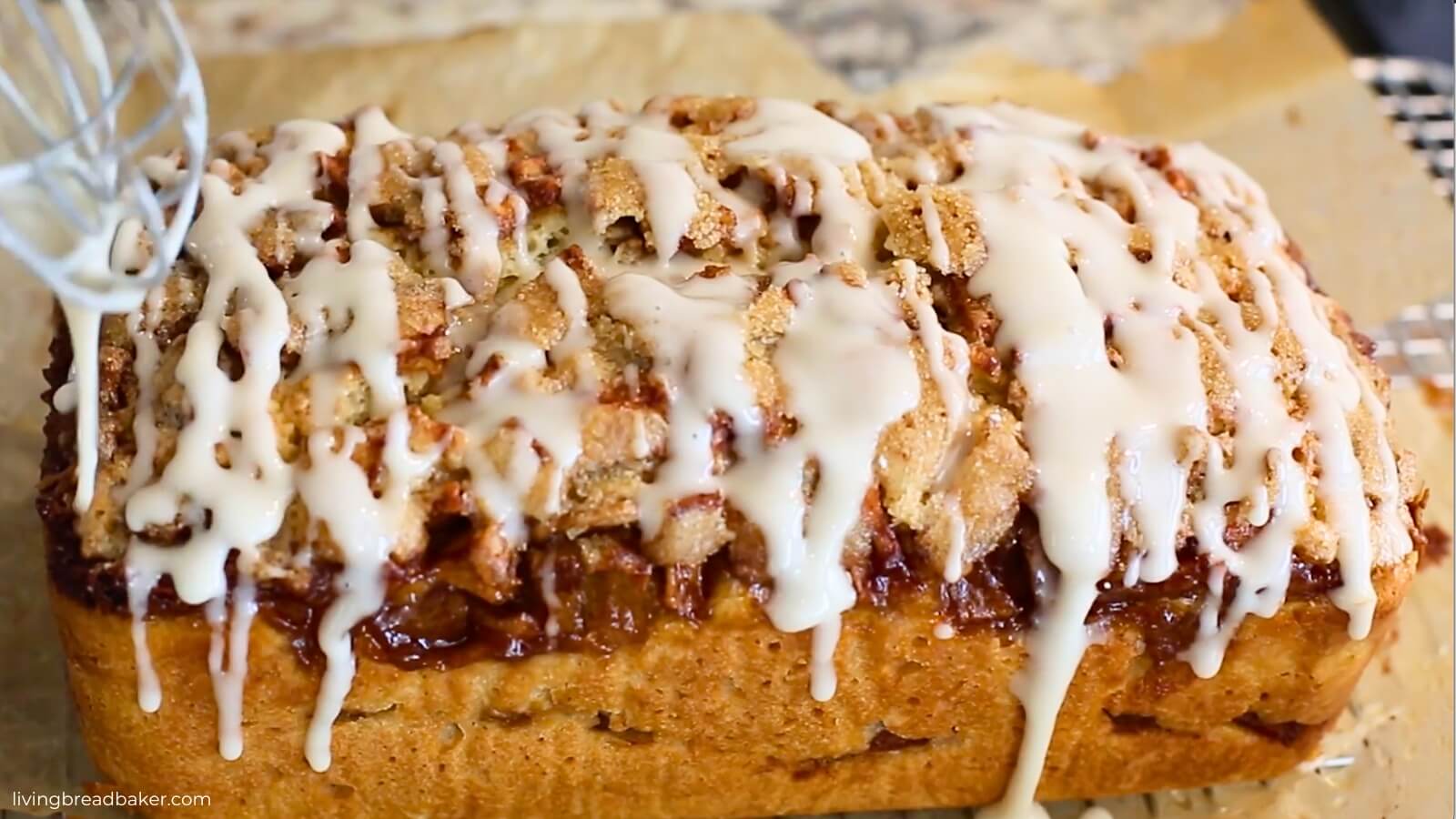
Sourdough Discard Banana Bread
Yes, you read that right—banana bread with sourdough discard! This recipe is a game-changer. The discard adds complexity and depth, balancing the sweetness of ripe bananas beautifully. Plus, it gives the loaf a tender, moist crumb that’s irresistible.
Ingredients you’ll need:
- 1 cup mashed bananas (about 2–3 ripe bananas)
- 1/2 cup sourdough discard
- 1/2 cup sugar
- 1/2 cup melted butter
- 1 egg
- 1 tsp vanilla extract
- 1 1/2 cups all-purpose flour
- 1 tsp baking soda
- 1/2 tsp salt
Mix the wet ingredients first, then gently fold in the dry ones. Pour into a greased loaf pan and bake at 350°F (175°C) for 50–60 minutes or until a toothpick comes out clean. Let cool before slicing.
Want to get fancy? Add walnuts, chocolate chips, or swirl in some cinnamon-sugar for a cozy treat.
Tips for Storing and Using Discard
If you’re feeding your starter regularly, you’ll end up with a good amount of discard over time. Here’s how to handle it smartly:
- Refrigerate It: Store your sourdough discard in an airtight container in the fridge. It will keep for up to 1–2 weeks. Make sure you label it with the date.
- Freeze It: Want to save it longer? Freeze it! Portion your discard into small freezer bags or containers and label them. It’ll last up to 3 months this way.
- Use It Regularly: Get into the habit of incorporating discard into your weekly cooking. Pancakes, crackers, muffins, quick breads, and even pizza dough are great ways to use it up.
- Mix Flavors: If your discard has been in the fridge for a while, it might develop a strong tang. That’s perfect for savory items. Use fresh discard for sweeter recipes to keep the flavor balanced.
- Watch for Mold: If your discard has any strange smells (beyond the usual sour tang) or visible mold, it’s time to toss it.
Remember: the key to making the most of your sourdough journey is to treat every bit of your starter—active or discard—as valuable. With just a little effort, you’ll turn what used to be waste into delicious, everyday staples.
FAQs about Sourdough Discard Recipe
Can I use old sourdough discard?
Yes, you can. Old discard that’s been stored in the fridge for up to two weeks is typically still good to use, especially in cooked or baked recipes. Just make sure there’s no mold or off-smell (beyond the usual sour aroma). For sweet recipes, fresher discard is often better to avoid overly tangy flavors.
How long can I keep sourdough discard in the fridge?
Sourdough discard can be stored in the refrigerator for up to 1 to 2 weeks. If you’re not sure, give it a sniff and a look—discard that’s turned pink, fuzzy, or smells rancid should be thrown away.
Does sourdough discard have to be bubbly?
No, discard doesn’t need to be bubbly. Unlike active starter, discard is usually unfed and less lively. That’s totally fine for most recipes where you’re not relying on it for rise (like pancakes, crackers, and banana bread).
Can I freeze sourdough discard?
Absolutely. Freezing is a great option if you’re not using your discard right away. Portion it into small containers or freezer bags and label with the date. When you’re ready to use it, just thaw it in the fridge overnight or at room temperature for a few hours.
Can I use sourdough discard in all baked goods?
Not all, but many! Sourdough discard works best in recipes that don’t require it to rise dough, like quick breads, muffins, pancakes, waffles, crackers, and cookies. For yeast-risen breads or artisan loaves, you’ll want to use a fully active starter instead.
Conclusion
Cooking with discard is a great way to embrace a more sustainable, waste-free kitchen. It allows you to make the most of every bit of your ingredients and encourages creative, mindful cooking. Even better? It saves you money, reduces food waste, and fills your home with the incredible smell of fresh baked goods.
So the next time you’re about to toss that discard, pause for a second. Think of the pancakes you could flip, the waffles you could crisp, or the crackers you could snap. Your kitchen is already full of inspiration—you just need to mix, pour, bake, and enjoy.
Get creative, experiment with flavors, and most importantly, have fun with the process. Baking isn’t just about the result—it’s about the joy of making something from scratch, with love, from the simplest of ingredients.