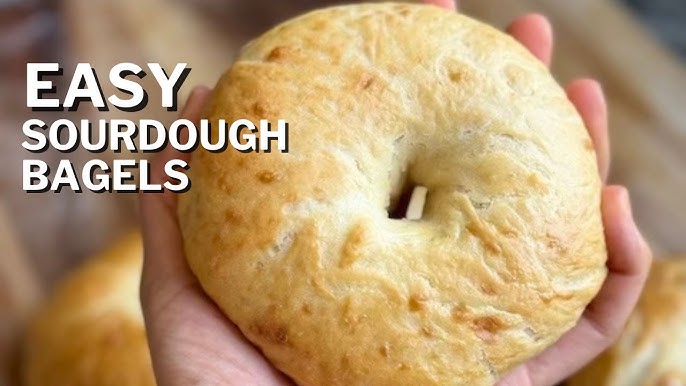
Sourdough Discard Bagel Recipe: Love sourdough but hate the waste? You’re in for a treat! These sourdough discard bagels are chewy, flavorful, and surprisingly simple to make. Instead of throwing out that tangy discard, let’s put it to work in a recipe that hits all the right notes—flavor, texture, and satisfaction.
Let’s dive deep into every step so you can make bakery-style bagels right at home, even if you’re a beginner.
Why Use Sourdough Discard?
Most people toss their sourdough discard because they don’t know what to do with it. But that gooey, fermented dough still holds massive potential. Using discard in bagels not only prevents waste but also gives your bagels a light tang and rich complexity you won’t get from commercial yeast alone.
Discard adds depth to the dough—an almost nutty, slightly sour flavor that’s addicting in the best way. Plus, using it is an eco-conscious move. Less waste = happier planet. Bagels are dense enough to handle the added hydration and acidity from discard, so they rise beautifully and have that satisfying chew.
What Makes Bagels Unique?
What separates a bagel from, say, a dinner roll or a bun? It’s all in the method. Bagels are boiled before they’re baked. That boiling step creates the dense, chewy crust we all crave. And thanks to this method, the interior remains soft and bready while the outer layer stays firm and golden.
Sourdough discard works beautifully here because it enhances that chewy texture. Combine that with the iconic bagel boil-and-bake process, and you’ve got magic.
List of Ingredients You’ll Need
Here’s everything you need to start your sourdough discard bagel journey:
Dry Ingredients:
- 3 ½ cups (420g) bread flour (you can use all-purpose in a pinch)
- 1 tablespoon sugar (adds slight sweetness and helps browning)
- 1 ½ teaspoons salt
Wet Ingredients:
- 1 cup (240g) sourdough discard (unfed, room temperature)
- ¾ cup (180ml) warm water (around 100°F/38°C)
- 1 teaspoon active dry yeast (for a faster rise; optional but helpful)
For Boiling:
- 1 tablespoon baking soda (for shine and chew)
- 1 tablespoon honey or sugar (optional – for extra browning)
Optional Toppings:
- Sesame seeds
- Poppy seeds
- Everything bagel seasoning
- Dried onion flakes
- Sea salt
Tools and Equipment Needed
To make the process smoother, gather the following:
- Mixing bowl
- Stand mixer (optional but helpful)
- Dough scraper or spatula
- Kitchen scale (for accuracy)
- Baking sheet
- Parchment paper
- Large pot (for boiling)
- Slotted spoon
- Cooling rack
- Towel or plastic wrap (for proofing)
Step-by-Step Guide to Making Sourdough Discard Bagels
Let’s break it down from start to finish. Don’t rush it—each stage matters. Ready? Let’s go!
Step 1: Mix the Dough
In a bowl, combine sourdough discard, bread flour, warm water, sugar, salt, and yeast (if using). Mix until a stiff dough forms. The dough should be firm, smooth, and slightly tacky—not sticky. This dense texture is essential for chewy bagels.
Step 2: Knead and Let Rise
Knead by hand for 8–10 minutes or with a mixer for 5–6 minutes until elastic and smooth. Place in a lightly oiled bowl, cover, and let rise for 60–90 minutes, or until doubled in size. A warm spot helps speed fermentation.
Step 3: Shape the Bagels
Divide dough into equal portions for consistent sizes.
Method 1: Roll into a ball, poke a hole in the center, and gently stretch.
Method 2: Roll into a rope and seal the ends together.
Keep shapes even to ensure uniform baking.
Step 4: Second Rise (Proofing)
Place shaped bagels on parchment and cover lightly. Proof for 20–30 minutes. They’re ready when slightly puffy and they float in water (do a quick float test).
Step 5: Boil the Bagels
Boil bagels for 30–45 seconds per side. This sets the crust and gives bagels their signature chew.
- Baking soda: Adds a deeper color and classic bagel flavor.
- Honey or sugar: Adds mild sweetness and shine.
Choose based on preference.
Step 6: Bake to Perfection
Bake at 220°C (425°F) for 18–22 minutes until golden brown, meaning a deep amber crust with a firm exterior. Cool slightly before slicing and serving. 🥯
Topping Ideas for Extra Flavor
Here’s how to take your sourdough bagels to the next level:
Classic Toppings:
- Sesame seeds
- Poppy seeds
- Everything bagel mix
- Coarse sea salt
- Dried onion flakes
Creative Twists:
- Cinnamon sugar (skip the baking soda in the water)
- Asiago cheese
- Crushed garlic + herbs
- Chopped jalapeños and cheddar
How to Apply Toppings:
- Always apply after boiling, before baking.
- Use egg wash as glue.
- Press toppings gently into the surface so they stick.
Go wild. Mix and match. Customize your bagels to suit your breakfast mood!
Storage and Freezing Tips
Fresh bagels are best eaten the same day, but don’t worry—you can absolutely store or freeze them for later.
Storage:
- Keep in an airtight container at room temp for up to 2 days.
- Toast before serving for best texture.
Freezing:
- Cool bagels completely.
- Slice them in half if you like.
- Freeze in freezer-safe bags for up to 3 months.
- To reheat, pop in the toaster or warm in the oven.
These sourdough discard bagels are meal-prep friendly and perfect for breakfast, lunch, or snack time.
Troubleshooting Common Issues
Even seasoned bakers run into hiccups. Let’s cover some quick fixes:
Bagels Are Flat After Baking
- You may have over-proofed the dough or shaped it too loosely.
- Make sure the second rise is just until puffy, not too long.
Bagels Are Dense and Hard
- Under-proofing or insufficient kneading can cause this.
- Use a float test before boiling to check readiness.
Bagels Stuck to the Pan
- Always use parchment paper or a silicone mat.
- Grease lightly if unsure.
Uneven Coloring or Texture
- Rotate your pan halfway through baking.
- Make sure your oven is fully preheated.
Practice makes perfect. Your first batch might be rustic—but they’ll still taste amazing.
FAQs about Sourdough Discard Bagel Recipe
1. Can I make these without sourdough discard?
Yes, but you’ll lose that signature tangy flavor and some depth in texture. You can replace discard with equal parts flour and water, but be sure to increase the yeast slightly for a good rise.
2. How long do homemade sourdough bagels last?
Stored in an airtight container at room temperature, they last about 2 days. You can refrigerate for up to 5 days, but to maintain texture, freezing is the better option for long-term storage.
3. Can I freeze sourdough discard bagels?
Absolutely. Let them cool completely, slice if desired, and store in a freezer bag for up to 3 months. Reheat in a toaster or oven for a quick, fresh-tasting bagel anytime.
4. Why are my bagels too dense or hard?
Dense bagels are usually the result of under-proofing, over-boiling, or insufficient kneading. Be sure to use the float test before boiling, knead until the dough is elastic, and don’t overdo the boiling time.
5. Can I use flavored sourdough discard?
Yes! If you’ve flavored your discard with herbs, garlic, or even cheese in past feedings, it can enhance the bagels beautifully. Just make sure it’s not overly acidic or runny before using it.
Conclusion
By following this step-by-step guide, even a beginner can achieve impressive results. From the initial mix to the final bake, every stage is a building block toward perfect bagels. And with countless topping options and storage tips, you can personalize them to fit your routine and taste.
So next time you’re tempted to toss your discard—don’t. Transform it into a batch of homemade bagels instead. Your tastebuds (and your wallet) will thank you.
Now, go boil, bake, and brag a little—you’ve earned it.