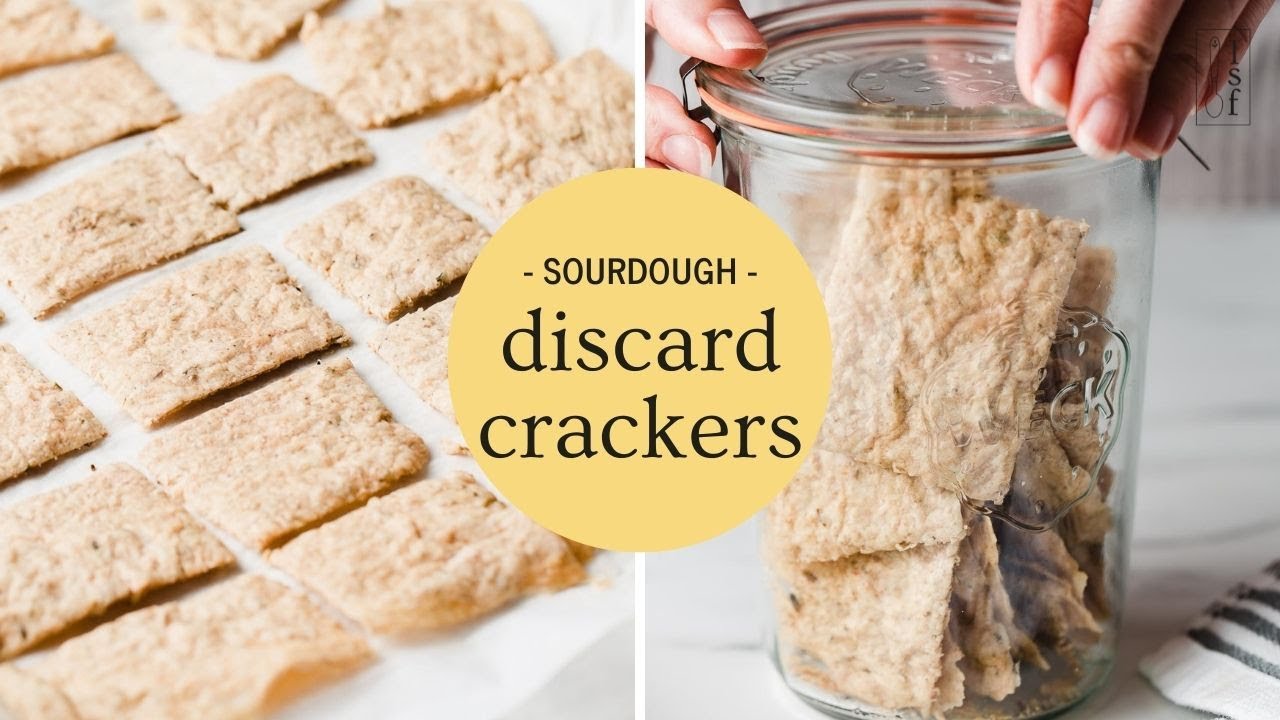
Sourdough Crackers Recipe: There’s something magical about homemade crackers, especially when they’re made with sourdough. These crunchy, flavorful bites are not only a great way to use up sourdough discard, but they’re also healthier and tastier than most store-bought options. If you’ve ever wondered how to make sourdough crackers that are crispy, flavorful, and perfect for snacking, this step-by-step guide has you covered. We’ll walk through everything—from the ingredients and tools you need to the exact process of rolling, cutting, and baking your crackers to perfection.
Whether you’re a beginner baker or someone who already keeps a sourdough starter at home, this recipe is simple, rewarding, and highly customizable. By the end, you’ll have a batch of homemade crackers that you can proudly serve with dips, cheese boards, or just enjoy as a wholesome snack on their own.
Introduction to Sourdough Crackers
Sourdough crackers are a fantastic way to transform your sourdough discard into a crunchy, satisfying snack. Unlike bread, which takes hours of fermentation and baking, crackers come together quickly and require far less effort. They also serve as a canvas for countless flavors, from herbs and spices to cheese and seeds.
Why Homemade Crackers Are Better
Homemade sourdough crackers beat store-bought varieties for several reasons. First, you control the ingredients—no preservatives, no artificial flavors, just wholesome goodness. Second, they’re customizable. Want rosemary crackers? Add herbs. Prefer something cheesy? Toss in some parmesan. The options are endless. Lastly, making your own crackers is budget-friendly. Instead of throwing away sourdough discard, you turn it into something delicious and waste-free.
The Unique Flavor of Sourdough
What sets sourdough crackers apart is their tangy, complex flavor. Unlike plain flour-based crackers, sourdough offers depth from natural fermentation. This unique taste pairs perfectly with everything from hummus to sharp cheddar. The natural acidity of sourdough also balances rich toppings, making it a gourmet snacking option. If you love the flavor of sourdough bread, you’ll find these crackers irresistible.
Ingredients You’ll Need
One of the best things about sourdough crackers is that they require only a handful of ingredients. Most of them are pantry staples, so you won’t need to make an extra trip to the store.
Core Ingredients for Sourdough Crackers
- Sourdough Discard – This is the star of the recipe. Using discard adds tanginess and reduces waste.
- Flour – All-purpose flour works great, but you can experiment with whole wheat or rye for extra flavor.
- Olive Oil – Adds richness and helps with crispiness.
- Salt – Essential for flavor.
- Seasonings (Optional) – Garlic powder, onion powder, black pepper, or any spices you enjoy.
Optional Flavor Variations
You can easily elevate your sourdough crackers with a few additional ingredients:
- Seeds – Sesame, flax, sunflower, or poppy seeds for crunch.
- Herbs – Fresh or dried rosemary, thyme, oregano, or basil.
- Cheese – Parmesan, cheddar, or nutritional yeast for a savory twist.
- Sweet Additions – Cinnamon sugar, honey drizzle, or dried fruit for a sweet variation.
Ingredient Substitutions and Alternatives
- Oil – Instead of olive oil, try avocado oil, coconut oil, or melted butter.
- Flour – Use gluten-free flour blends if you’re avoiding gluten.
- Salt – Swap regular salt with sea salt or flavored salts for a gourmet touch.
By adjusting just a few ingredients, you can create countless versions of sourdough crackers, ensuring you never get bored.
Essential Tools for Making Sourdough Crackers
While the ingredient list is short, having the right tools makes the process smoother and ensures consistent results.
Baking Tools and Equipment
- Mixing Bowl – To combine your ingredients.
- Rolling Pin – Essential for rolling out the dough thin enough to crisp up.
- Parchment Paper – Prevents sticking and helps with easy transfer to the baking sheet.
- Baking Sheet – Provides an even surface for baking.
- Sharp Knife or Pizza Cutter – For cutting dough into cracker-sized pieces.
- Measuring Cups and Spoons – Accuracy matters for consistent results.
Preparing Your Kitchen Workspace
Before you start, clear some counter space and gather all your ingredients and tools. A well-prepared workspace means you won’t be scrambling mid-recipe. Sprinkle a little flour on your surface to prevent sticking, and have a cooling rack ready so your crackers don’t turn soggy once baked.
Preparing the Sourdough Starter for Crackers
One of the biggest questions people ask is: Do I need an active sourdough starter for crackers? The answer is no. Crackers are one of the best uses for sourdough discard—the portion you’d normally throw away when refreshing your starter.
Understanding Sourdough Discard
Sourdough discard is the portion of starter you remove before feeding it. While it may not be strong enough to make bread rise, it still has plenty of flavor. Using discard in crackers adds tanginess and makes them more digestible. The best part? You reduce waste and get something delicious out of it.
Tips for Maintaining Your Starter
If you bake often, you’ll naturally have plenty of discard. But if not, you can store discard in the fridge for up to a week until you’re ready to use it. Just make sure it doesn’t develop an unpleasant smell. A slightly tangy aroma is normal, but if it smells rancid, it’s best to start fresh.
Step-by-Step Guide to Making Sourdough Crackers
Making sourdough crackers is surprisingly simple once you break it down into steps. The key to success is paying attention to the texture of the dough and rolling it out thin enough to ensure maximum crunch. Let’s walk through the process step by step.
Step 1 – Mixing the Dough
Start by combining your sourdough discard, flour, olive oil, and salt in a mixing bowl. The mixture should come together into a slightly sticky but manageable dough. If it feels too dry, add a teaspoon of water at a time. If it’s too sticky, sprinkle in a little flour. The beauty of this dough is its flexibility—you don’t need to knead it like bread dough. Instead, you’re aiming for a smooth consistency that can be rolled out easily.
Once the dough comes together, form it into a ball. Cover the bowl with a clean towel or plastic wrap to prevent it from drying out. At this stage, you can either continue with the recipe or let the dough rest for 20–30 minutes, which helps relax the gluten and makes rolling easier.
Step 2 – Resting and Hydration
Resting the dough isn’t always necessary, but it makes a big difference. By allowing the dough to sit, the flour fully hydrates, leading to a more uniform texture. Think of it like letting pasta dough rest—it becomes more pliable and easier to work with.
During this time, you can preheat your oven to 350°F (175°C). Having your oven hot and ready ensures that the crackers bake evenly and crisp up perfectly. Line your baking sheet with parchment paper to save time later.
Step 3 – Rolling Out the Dough
This is the most important step if you want crispy crackers. Place the dough between two sheets of parchment paper, then use a rolling pin to flatten it. Roll as thin as possible without tearing the dough—ideally about 1/8 inch thick or less. The thinner the dough, the crunchier the crackers will be.
If you want extra flavor, this is the time to sprinkle toppings like sesame seeds, herbs, or shredded cheese. Gently roll over the dough again so the toppings stick firmly.
Step 4 – Cutting and Shaping the Crackers
Once the dough is rolled out, use a sharp knife, pizza cutter, or pastry wheel to cut it into squares, rectangles, or even fun shapes. Don’t worry if they’re not perfectly uniform—rustic crackers have their own charm. You can also use cookie cutters if you want themed crackers for holidays or special occasions.
Transfer the cut dough (still on the parchment paper) directly onto your baking sheet. This saves time and prevents the dough from tearing when moving it around.
Step 5 – Baking to Perfection
Bake the crackers in your preheated oven for 15–20 minutes, keeping an eye on them toward the end. Every oven is slightly different, so check for golden brown edges and a crisp texture. If the crackers are still soft, let them bake for a few extra minutes.
After baking, remove the crackers from the oven and transfer them to a cooling rack. This step is crucial—if they sit on the hot baking sheet, steam may soften them. Once cooled, they should be crunchy, golden, and ready to eat.
Flavor Variations for Sourdough Crackers
The beauty of sourdough crackers is how adaptable they are. Once you master the basic recipe, you can experiment with endless flavor variations to suit your taste.
Herb-Infused Crackers
Herbs like rosemary, thyme, and oregano add freshness and depth of flavor. Simply chop your favorite herbs and mix them into the dough or sprinkle them on top before baking. Rosemary and sea salt are a particularly popular pairing, giving your crackers a gourmet twist.
Cheesy Sourdough Crackers
Adding cheese takes your crackers to the next level. Parmesan gives a nutty, savory punch, while cheddar creates a rich, tangy profile. You can mix shredded cheese into the dough or sprinkle it over the top for a bubbly, crispy finish. Nutritional yeast is also a great vegan alternative that delivers a cheesy flavor without dairy.
Sweet and Savory Twists
If you’re craving something different, try making sweet crackers by adding a touch of cinnamon and sugar to the dough. Drizzle honey over them after baking for a delightful snack. On the savory side, experiment with garlic powder, smoked paprika, or chili flakes for a bold kick.
The possibilities are endless, and this versatility is what makes sourdough crackers such a fun recipe to play with.
Storage and Shelf Life of Homemade Crackers
Once you’ve baked a batch of sourdough crackers, you’ll want to keep them fresh and crispy for as long as possible. Luckily, they store well when handled correctly.
Best Storage Practices
Keep your crackers in an airtight container at room temperature. Glass jars, tin boxes, or resealable bags all work well. Stored properly, they’ll stay fresh for about one week. If you live in a humid climate, consider adding a small packet of food-safe silica gel to absorb moisture.
How to Keep Crackers Crispy
The biggest challenge with homemade crackers is maintaining their crunch. If they start to soften, simply pop them back in the oven at 300°F (150°C) for 5–7 minutes. This will revive their crispness without overbaking them.
For long-term storage, you can freeze the unbaked dough instead of the finished crackers. Just roll it out, cut it into shapes, and freeze on a baking sheet. Once solid, transfer to a freezer bag. When ready to bake, place directly in the oven—no thawing required.
Common Mistakes to Avoid
Even though sourdough crackers are simple, a few mistakes can affect the final result. Here’s what to watch out for:
Overbaking or Underbaking
Baking time is crucial. If you underbake, the crackers will be soft and chewy instead of crisp. Overbake, and they’ll burn or taste bitter. Always check them during the last few minutes of baking, since thin crackers can go from golden to burnt quickly.
Using Too Much Flour
Adding too much flour makes the dough stiff and the crackers tough. Stick to the recommended amounts and adjust only if necessary. If your dough feels sticky, try lightly flouring your rolling surface instead of mixing more into the dough.
Other mistakes include rolling the dough too thick, skipping the cooling step, or not sealing your storage container properly. By avoiding these pitfalls, you’ll ensure perfectly crunchy crackers every time.
Health Benefits of Sourdough Crackers
Homemade sourdough crackers aren’t just tasty—they come with several health benefits, too. Unlike many store-bought crackers filled with preservatives, added sugars, and artificial flavors, sourdough crackers are made with simple, wholesome ingredients.
Nutritional Value of Sourdough
Sourdough fermentation naturally breaks down some of the starches and gluten in flour, which can make it easier to digest. This process also helps increase the availability of nutrients, including B vitamins, iron, and magnesium. When you bake with sourdough, you’re making food that’s not just delicious but also packed with more bioavailable nutrients than conventional baked goods.
The addition of olive oil in sourdough crackers also boosts their nutritional value. Olive oil is rich in heart-healthy monounsaturated fats and antioxidants, which makes your crackers more than just a snack—they’re a source of healthy energy.
Digestibility and Gut Health
One of the biggest advantages of sourdough is its natural fermentation process. The beneficial bacteria in sourdough help predigest complex carbohydrates, making them gentler on your stomach. Some people who struggle with digesting regular bread or crackers find sourdough-based options much easier to handle.
Additionally, sourdough is known for supporting gut health by promoting a healthy balance of gut bacteria. While crackers aren’t a probiotic food like yogurt or kimchi, the fermentation process still contributes to better digestion overall.
Pairing Ideas for Sourdough Crackers
Crackers are versatile, but sourdough crackers take it up a notch. Their tangy, complex flavor pairs beautifully with a variety of toppings and accompaniments.
Perfect Dips and Spreads
Sourdough crackers are the perfect vehicle for dips. Some great pairings include:
- Hummus – Creamy chickpea spread with a nutty undertone.
- Guacamole – Fresh, zesty, and packed with healthy fats.
- Spinach and Artichoke Dip – A creamy, indulgent option.
- Salsa or Pico de Gallo – For a fresh, tangy pairing.
Because sourdough crackers already have a distinct flavor, they can stand up to bold dips without being overpowered.
Cheese and Wine Pairings
If you’re building a charcuterie board, sourdough crackers are a must. Their tanginess pairs wonderfully with sharp, aged cheeses like cheddar, gouda, or manchego. For softer cheeses, brie or camembert balance out the cracker’s crunch with creamy richness.
When it comes to wine, sourdough crackers are incredibly flexible. White wines like Sauvignon Blanc and Chardonnay complement the mild tang, while red wines like Merlot and Pinot Noir bring out deeper flavors. For a non-alcoholic option, sparkling water with a slice of lemon is refreshing and palate-cleansing.
Gluten-Free and Vegan Options
Don’t worry if you’re vegan or gluten-free—you can still enjoy delicious sourdough crackers with a few smart substitutions.
Substitutes for Gluten
Making gluten-free sourdough crackers requires a gluten-free sourdough starter, which can be made with rice flour, buckwheat flour, or a gluten-free flour blend. When it comes to the dough, use a high-quality gluten-free flour mix that contains xanthan gum or a binding agent. This helps the dough stay together and bake properly.
You may need to experiment with hydration levels since gluten-free flours absorb liquid differently, but with practice, you’ll find the right balance. The end result is a crunchy, tangy cracker that’s every bit as satisfying as the traditional version.
Plant-Based Flavor Boosters
For vegan sourdough crackers, the recipe is already mostly plant-based—you just need to avoid cheese. Instead, add nutritional yeast to your dough for a savory, cheesy flavor. You can also experiment with herbs, seeds, or spices like smoked paprika to make your crackers flavorful without animal products.
These adaptations make sourdough crackers an inclusive snack, perfect for sharing with friends and family who have dietary restrictions.
Troubleshooting Your Recipe
Even experienced bakers sometimes run into issues when making sourdough crackers. Here are a few common problems and how to fix them.
Why Crackers Turn Out Too Hard
If your crackers feel more like rocks than snacks, the dough may have been too dry or rolled too thick. To fix this, add a little more olive oil or water next time, and make sure to roll the dough thin. Hard crackers can also result from overbaking, so keep a close eye on them during the last few minutes in the oven.
How to Fix Soggy Crackers
On the opposite side, soggy crackers are usually caused by not baking them long enough or storing them improperly. If your crackers don’t crisp up after cooling, pop them back into the oven for a few minutes to dry out excess moisture. When storing, always use an airtight container, and avoid leaving them out on the counter uncovered.
By addressing these issues, you’ll be able to perfect your sourdough cracker recipe and enjoy consistently crunchy, flavorful results.
Expert Tips for the Perfect Crackers
Once you’ve mastered the basics, these expert tips can help take your sourdough crackers from good to exceptional.
How to Get Extra Crunch
For maximum crispiness, roll the dough as thin as possible and don’t overcrowd your baking sheet. Using a pizza stone can also help by distributing heat more evenly and pulling moisture from the dough. Brushing the top of the dough with a little olive oil before baking can add extra golden crunch.
Professional Flavor Hacks
If you want your crackers to taste bakery-quality, try these flavor hacks:
- Sprinkle flaky sea salt on top for a gourmet finish.
- Add roasted garlic or caramelized onions to the dough for depth.
- Mix in seeds like sesame, sunflower, or pumpkin for added crunch.
- Use smoked paprika or chili powder for a bold kick.
Experimenting with different flavors keeps your crackers exciting and lets you tailor them to different occasions. Whether you want something elegant for a dinner party or fun and spicy for movie night, there’s a flavor combination for you.
FAQs about Sourdough Crackers Recipe
Q1: Can I use active starter instead of discard?
Yes, you can use active starter, but discard is ideal since it adds flavor and reduces waste.
Q2: How thin should I roll the dough?
Roll the dough as thin as possible—ideally 1/8 inch or thinner—for maximum crunch.
Q3: Can I freeze sourdough cracker dough?
Absolutely. Roll it out, cut it into shapes, freeze on a baking sheet, then store in a freezer bag until ready to bake.
Q4: What’s the best oil for sourdough crackers?
Olive oil works best for flavor, but you can use avocado oil, coconut oil, or melted butter as alternatives.
Q5: Are sourdough crackers healthier than store-bought ones?
Yes, because they contain fewer additives, no preservatives, and the natural benefits of sourdough fermentation.
Conclusion
Sourdough crackers are the perfect blend of simplicity, flavor, and creativity. With just a few ingredients and some basic kitchen tools, you can transform sourdough discard into a crunchy, tangy snack that pairs beautifully with dips, cheeses, and spreads. They’re healthier than store-bought crackers, easy to customize, and a fantastic way to cut down on kitchen waste.
Whether you keep them plain and simple or dress them up with herbs, cheese, or seeds, sourdough crackers are guaranteed to become a staple in your kitchen. Once you try making them, you’ll wonder why you ever bought crackers from the store.