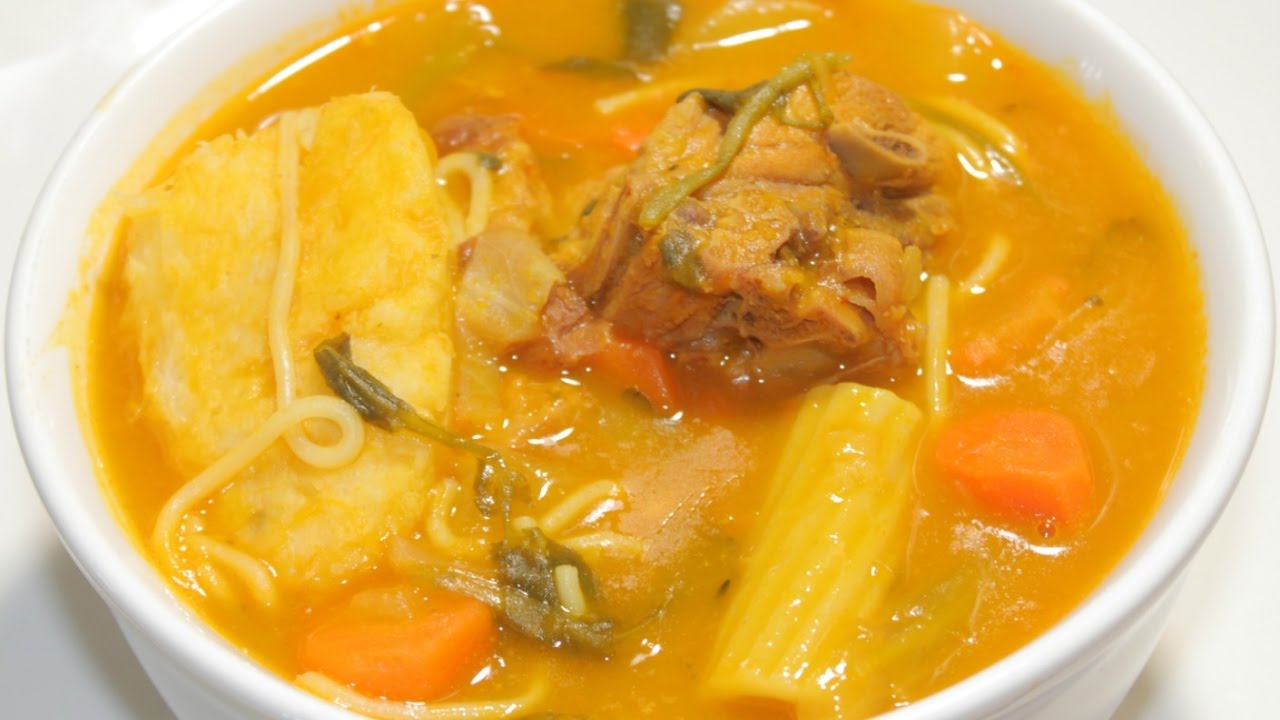
Soup Joumou Recipe: Soup Joumou is not just a recipe—it’s a story in a bowl. Rich, hearty, and packed with meaning, this traditional Haitian soup carries deep historical roots. It’s not only a delicious comfort food but also a celebration of freedom and resilience. Every January 1st, Haitians around the world cook and share Soup Joumou in honor of their ancestors and the historic victory of Haitian independence in 1804.
This flavorful soup was once forbidden to enslaved Haitians, reserved only for the French colonizers. After the revolution, it became a symbol of liberty, made and consumed proudly by the newly freed Haitian people. Today, the recipe stands tall as a culinary tradition deeply woven into the fabric of Haiti’s culture. If you’ve never tried making Soup Joumou, now’s your chance to learn and honor this rich legacy.
What is Soup Joumou?
Soup Joumou (pronounced “joo-moo”) is a velvety pumpkin-based soup made with beef, pasta, and an abundance of vegetables. It’s a mix of smooth puréed squash and chunky, hearty ingredients that come together to form a soul-warming dish. The main base is typically made with calabaza (Caribbean pumpkin), giving the soup its distinct golden color and slightly sweet taste.
Though traditionally eaten on Haitian Independence Day, Soup Joumou is good year-round. What makes it so unique is how it blends flavors from African, French, and Caribbean cooking traditions—like thyme, cloves, Scotch bonnet peppers, and fresh herbs. It’s a meal that tells a story with every spoonful.
Cultural Importance of Soup Joumou
There’s a reason Soup Joumou is recognized by UNESCO as an intangible cultural heritage. This soup is more than food—it’s an emblem of triumph. Before the revolution, enslaved Haitians weren’t allowed to eat this luxurious soup. After Haiti won its independence, Haitians began making and enjoying Soup Joumou freely. That act transformed a simple meal into a powerful statement of resistance and pride.
It’s common for families to cook massive pots of this soup and share it with neighbors, friends, and even strangers on January 1st. The day is filled with celebration, music, and love, with Soup Joumou at the center. Making this soup connects you not only to the flavors of Haiti but also to its enduring spirit.
Why You Should Try Making Soup Joumou
Besides its deep cultural meaning, Soup Joumou is a flavor explosion. It’s earthy from the pumpkin, spicy from the peppers, and savory from the seasoned meat. Each bite offers a new texture—tender beef, soft carrots, chewy pasta, and crunchy cabbage.
It’s also incredibly filling and packed with nutrients. The squash provides vitamins A and C, while the beef brings protein. Throw in a mix of root vegetables, herbs, and spices, and you’ve got a well-rounded, comforting meal perfect for cold days.
Even if you’re not Haitian, making this dish can be a beautiful way to honor a culture and its history while enjoying something truly delicious. It’s a great recipe to cook for family gatherings or even just to learn a new cuisine.
Ingredients You’ll Need
Here’s your comprehensive shopping list for making authentic Soup Joumou:
Vegetables:
- 1 medium calabaza (Caribbean pumpkin) or kabocha squash
- 3 carrots, peeled and chopped
- 2 potatoes, peeled and chopped
- 1 small cabbage, shredded
- 2 stalks celery, diced
- 1 leek, chopped
- 1 small turnip or parsnip (optional)
- 1 medium onion, chopped
- 4 cloves garlic, minced
Meat:
- 1.5 to 2 pounds of beef stew meat or chuck roast (some use oxtail or goat)
- Juice of 1 lime or lemon (for cleaning the meat)
- 1 tablespoon vinegar (for cleaning the meat)
Herbs and Spices:
- 2 teaspoons thyme (fresh or dried)
- 2 teaspoons cloves
- 1 Scotch bonnet or habanero pepper (whole)
- 2 bay leaves
- Salt and black pepper to taste
- 1 Maggi bouillon cube or seasoning of your choice
- 2 tablespoons epis (Haitian seasoning blend)
Pasta and Optional Add-ins:
- 1 cup rigatoni, penne, or spaghetti (broken into pieces)
- 1 tablespoon tomato paste
- 1 tablespoon butter or oil
These ingredients create the full-bodied flavor that Soup Joumou is famous for. Make sure your produce is fresh and your meat well-trimmed for the best results.
Essential Kitchen Tools for This Recipe
To make cooking smoother, gather these tools before starting:
- Large stockpot (at least 6–8 quarts)
- Blender (for puréeing squash)
- Chopping board and sharp knife
- Stirring spoon or ladle
- Strainer or slotted spoon
- Bowl for marinating meat
- Measuring cups and spoons
Having everything prepped makes a huge difference—mise en place (everything in its place) is your best friend when making a big, layered dish like this.
Step-by-Step Guide to Making Soup Joumou
Step 1: Clean and Season the Meat
Wash beef pieces with water and a little lime or vinegar, then rinse well. Season with salt, garlic, thyme, scallions, and pepper to build a flavorful base.
Step 2: Marinate and Let It Rest
Let the seasoned meat marinate for at least 30 minutes. This allows the spices to penetrate and deepen the flavor.
Step 3: Boil the Meat
Place meat in a pot with water and simmer until tender, skimming off any foam. This creates a rich broth that anchors the soup.
Step 4: Prepare Your Vegetables
Peel and chop vegetables such as carrots, celery, potatoes, turnips, cabbage, and onions. Keep pieces similar in size so they cook evenly.
Step 5: Blend the Squash
Boil pumpkin or calabaza squash until soft. Blend with a bit of its cooking liquid to make a smooth, velvety puree.
Step 6: Combine and Simmer
Add the blended squash to the meat and broth. Stir well and bring to a gentle simmer. Add vegetables and let them cook until just tender.
Step 7: Add Pasta and Final Ingredients
Add small pasta, butter, and cloves. Season with salt and pepper to taste. Simmer until pasta is cooked.
Step 8: Let the Flavors Marry
Lower the heat and let the soup simmer gently for a few more minutes. Adjust seasoning, then serve hot and comforting.
Tips for the Best-Tasting Soup Joumou
Want to level up your Soup Joumou game? Here are some tips from Haitian kitchens that’ll make your version truly shine:
- Use homemade epis: This blend of garlic, herbs, scallions, and peppers is the soul of many Haitian dishes. Store-bought doesn’t compare to fresh.
- Roast your squash: For a deeper, nuttier flavor, roast the squash instead of boiling before blending.
- Brown your meat: Searing the meat before boiling locks in flavor and gives your soup a nice umami boost.
- Don’t rush it: Letting the soup simmer slowly helps all the ingredients soak up the seasoning.
- Use quality beef: Fatty cuts like chuck roast work better than lean cuts because they stay tender.
This dish isn’t just about checking boxes—it’s about building layers of flavor. So take your time and taste as you go!
Serving Suggestions
Soup Joumou is a full meal in itself, but here’s how to serve it the traditional Haitian way:
- In a large bowl: Served hot and often paired with fresh bread (like French bread or Haitian “pen”).
- Family style: Place the big pot in the middle of the table and let everyone serve themselves.
- With a slice of avocado: In some homes, it’s served with sliced avocado on the side for added creaminess.
- Topped with fresh parsley: For a pop of color and a bit of freshness.
The key is warmth—both in temperature and in spirit. It’s a dish meant to be shared with people you love.
How to Store Leftovers
Got leftovers? Lucky you—Soup Joumou tastes even better the next day.
- Refrigerate: Store in an airtight container for up to 4–5 days.
- Freeze: You can freeze portions for up to 2 months. Let it cool completely before freezing.
- Reheat: Warm it slowly on the stovetop over low heat. Add a splash of water or broth if it’s too thick.
One thing to remember—avoid overcooking the pasta when reheating. It can turn mushy. If you plan to freeze it, consider undercooking the pasta slightly when you first make the soup.
Nutritional Information
Soup Joumou is more than just tasty—it’s good for you too.
| Nutrient | Benefit |
|---|---|
| Vitamin A | Comes from the pumpkin—great for your eyes and immune system |
| Protein | From the beef—essential for muscle repair and strength |
| Fiber | Thanks to all those veggies—helps digestion |
| Iron | From the meat and dark leafy vegetables—boosts energy levels |
| Antioxidants | Found in garlic, thyme, and Scotch bonnet—protect your body from damage |
It’s hearty without being heavy and is packed with vitamins and minerals. It can be made gluten-free or vegan with just a few simple swaps.
Common Variations of Soup Joumou
Like many traditional recipes, Soup Joumou varies from family to family. Here are a few twists:
- Vegan Soup Joumou: Skip the beef, and use plant-based protein like lentils or tofu. Replace the epis with a meatless version.
- Spicier version: Dice the Scotch bonnet instead of adding it whole (but beware—it’ll be hot!).
- Seafood Joumou: Some Haitians near the coast replace beef with crab or fish.
- Extra starchy: Add yams or plantains for even more Caribbean flavor.
Feel free to adjust the recipe based on dietary needs or whatever veggies you have on hand.
Celebrating Haitian Independence with Soup Joumou
Every January 1st, Soup Joumou isn’t just breakfast—it’s a ceremony. Haitian families wake up early to cook together. Grandparents teach grandkids, cousins catch up, and neighbors share bowls across fences. It’s more than a holiday meal—it’s a celebration of identity and history.
Making Soup Joumou is an act of remembrance and honor. Whether you’re Haitian or just inspired by the culture, preparing this soup is a chance to connect with a powerful story of resistance, pride, and community.
FAQs about Soup Joumou Recipe
1. Can I make Soup Joumou vegetarian or vegan?
Absolutely! Replace the beef with hearty vegetables like mushrooms or jackfruit, and use veggie broth instead of beef stock.
2. What kind of pumpkin should I use?
Calabaza is traditional, but kabocha squash, butternut squash, or even canned pumpkin puree can work in a pinch.
3. How spicy is Soup Joumou?
The Scotch bonnet adds flavor and a kick, but it’s not overwhelming unless you cut it open. You can skip it if you’re sensitive to spice.
4. Is Soup Joumou gluten-free?
It can be! Just use gluten-free pasta or skip the pasta altogether and add more root vegetables or rice.
5. Why do Haitians eat Soup Joumou on January 1st?
To celebrate Haiti’s independence from French colonial rule in 1804. It symbolizes freedom, pride, and unity.
Conclusion
Soup Joumou is a dish that goes beyond flavor. It’s history you can taste. It’s joy you can share. Whether you’re learning about Haitian culture or honoring your roots, making this soup from scratch is a deeply rewarding experience.
From the sweet, smooth pumpkin base to the rich chunks of meat and fresh vegetables, each spoonful carries generations of tradition and triumph. So roll up your sleeves, gather your ingredients, and fill your kitchen with the spirit of Haiti.
Bon appétit—or as Haitians say, Bon manje!