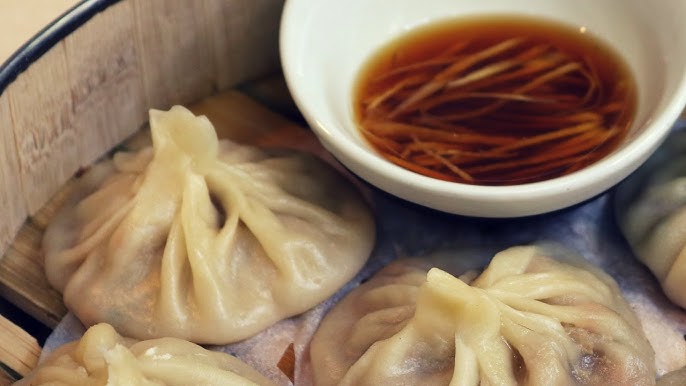
Soup Dumplings Recipe: Soup dumplings, also known as Xiao Long Bao, are a beloved Chinese delicacy originating from the Jiangnan region, most famously associated with Shanghai. These delicate parcels consist of thin dumpling wrappers filled with seasoned pork and a rich, flavorful broth that bursts in your mouth with every bite. What sets soup dumplings apart from other dumplings is the pocket of gelatinous soup that melts during steaming, creating a savory surprise inside.
The charm of soup dumplings lies in the combination of textures and temperatures—the thin skin, juicy meat, and hot soup all meld into a bite-sized culinary adventure. While they may seem complicated at first glance, with the right technique and ingredients, making soup dumplings at home is both rewarding and entirely possible.
Origins and Popularity
Traditionally, soup dumplings were street food served in bamboo steamers and eaten fresh. Over time, they’ve gained international fame, with top-tier restaurants and food stalls worldwide serving up this delicacy. Din Tai Fung, a globally acclaimed restaurant chain, has played a pivotal role in popularizing soup dumplings outside China, turning them into an iconic comfort food for many.
Despite their gourmet reputation, soup dumplings can be recreated at home with patience and precision. This guide will walk you through every step, from ingredients to the final steam, so you can enjoy authentic Xiao Long Bao anytime.
Key Ingredients for Soup Dumplings
Dough Ingredients
To start, let’s focus on the dough. It’s essential to have a supple, elastic dough that can hold the filling and soup without tearing.
- 2 cups all-purpose flour
- ¾ cup hot water
The hot water is crucial—it partially cooks the flour, resulting in a softer and more pliable wrapper. Some recipes use a cold-water dough for firmer skin, but hot-water dough is perfect for beginners because it’s easier to roll and shape.
Filling Ingredients
For a classic soup dumpling, the filling is usually made of ground pork, but you can also use chicken, shrimp, or a mixture.
- 1 pound ground pork (preferably 20% fat)
- 1 tablespoon soy sauce
- 1 tablespoon Shaoxing wine
- 1 teaspoon sugar
- 1 teaspoon sesame oil
- 1 tablespoon grated ginger
- ½ teaspoon white pepper
- 1 chopped green onion (optional)
The fat in the pork is essential—it gives the filling a juicy, tender texture. Don’t use lean meat, or your dumplings may turn out dry.
Soup Gelatin (Aspic) Ingredients
The magic of soup dumplings lies in the soup gelatin, also known as aspic. It’s made from a collagen-rich broth that solidifies when cooled and melts back into liquid when steamed.
- 1½ cups pork or chicken stock (rich and homemade is best)
- 1 tablespoon unflavored gelatin
- 1 tablespoon soy sauce
- 1 slice ginger
- 1 scallion
Simmer the broth with aromatics, then mix in the gelatin and chill until firm. This jelly is diced and folded into the meat filling before wrapping.
Tools You’ll Need
Kitchen Essentials for Dumpling Making
You don’t need a restaurant kitchen to make great soup dumplings, but a few tools make the process smoother:
- Mixing bowls: For dough and filling.
- Rolling pin: A small one is best for shaping the wrappers.
- Steamer basket: Bamboo steamers are traditional, but any steamer works.
- Parchment paper or cabbage leaves: Prevents sticking in the steamer.
- Chopsticks or spoons: For mixing and handling the delicate wrappers.
- Knife or dough cutter: To portion the dough and aspic.
Having a clean, spacious workspace also helps, especially during assembly. Dumplings can be sticky and delicate, so organization is key.
Step-by-Step Instructions
Step 1: Making the Soup Gelatin
Start by preparing the soup gelatin, as it needs time to chill and set before you can use it.
- Simmer 1½ cups of stock with ginger and scallion for 15–20 minutes.
- Strain out the solids and mix in 1 tablespoon of soy sauce.
- While hot, sprinkle in 1 tablespoon of gelatin and whisk until dissolved.
- Pour into a flat dish and refrigerate for at least 2 hours, or until firm.
- Once set, cut the gelatin into small cubes (about ½ inch).
These cubes will later be mixed into your pork filling and will melt into liquid during steaming. This step might sound fancy, but it’s what gives soup dumplings their wow factor.
Step 2: Preparing the Dough
- Place the flour in a bowl and slowly add hot water while stirring with chopsticks.
- When it starts to form a shaggy dough, knead with your hands until smooth—about 10 minutes.
- Cover and rest for at least 30 minutes.
The resting allows the gluten to relax, making the dough easier to roll out later. You want a soft yet elastic texture—not sticky, not dry. If it’s too dry, add a bit more water; too sticky, add flour.
Step 3: Creating the Filling
- In a mixing bowl, combine the ground pork, soy sauce, wine, sugar, sesame oil, ginger, white pepper, and scallion.
- Mix in one direction until the mixture becomes sticky.
- Gently fold in the soup gelatin cubes.
Be careful not to overmix after adding the gelatin—you want those little soup pockets to stay intact.
Step 4: Rolling Out the Wrappers
Now it’s time to shape your dough into the perfect little circles that will hug your filling.
- Divide your rested dough into small pieces (about 1-inch balls).
- Flatten each ball slightly, then use a small rolling pin to roll it into a 3 to 4-inch circle.
- Make the edges thinner than the center — this helps the dumpling hold more filling without tearing.
Aim for consistency here. Uneven wrappers can cause some dumplings to cook faster or leak. If you want to be extra precise, use a round cutter for uniform size, though traditional methods rely on hand-rolling. Stack the rolled-out wrappers under a lightly damp towel to prevent them from drying out.
Step 5: Assembling the Dumplings
Here’s where things get exciting — and a little tricky.
- Place a wrapper in your non-dominant hand and add about 1 tablespoon of the filling in the center.
- Gently gather and pleat the edge of the wrapper, rotating as you go to create a round dumpling with a tight top seal.
- Make sure the dumpling is completely sealed to prevent soup leakage during steaming.
This part takes practice. Don’t worry if your first few look a bit rustic — they’ll still taste amazing. With time, you’ll master the pleating technique. If sealing becomes difficult, dip your fingers in water to moisten the edge of the wrapper slightly.
Place your dumplings on a parchment-lined tray or steamer basket, making sure they don’t touch. They can stick together and tear if placed too close.
Step 6: Steaming the Dumplings
Steaming is the final, most rewarding part of this journey.
- Prepare your steamer by lining it with parchment paper or cabbage leaves to prevent sticking.
- Arrange the dumplings in the steamer, leaving at least an inch of space between each.
- Bring water in a pot to a boil, then set the steamer on top.
- Cover and steam for 8 to 10 minutes over high heat.
Do not open the steamer while cooking, or the steam will escape and affect the cooking time. When done, the wrappers should be translucent and slightly puffed. Carefully remove the dumplings using a spoon or tongs — they’re delicate and can easily break.
Let them rest for a minute before serving to avoid burning your mouth with the hot soup inside.
Serving Suggestions
Best Dipping Sauces
The perfect companion to soup dumplings? A classic dipping sauce that complements their rich flavor. Try this simple combo:
- 2 tablespoons soy sauce
- 1 tablespoon rice vinegar
- Fresh ginger slivers
Some also add chili oil for a kick or a few drops of sesame oil for depth. Serve the sauce in small bowls alongside your dumplings.
How to Serve for Maximum Enjoyment
Soup dumplings are best enjoyed hot and fresh. Serve them directly from the steamer with small soup spoons. To eat, gently lift a dumpling with chopsticks, place it on your spoon, and take a small bite to slurp the broth before eating the rest.
This method helps you savor every layer of flavor — the soup, the meat, the tender wrapper. Add a dab of dipping sauce and enjoy the full sensory experience.
Tips and Tricks for Perfect Soup Dumplings
Common Mistakes and How to Avoid Them
- Too thick wrappers – These can overpower the filling and won’t cook evenly. Always aim for thin, even edges.
- Overfilling – Leads to tears and soup leakage. Stick to about a tablespoon of filling.
- Poor sealing – Results in all the soup escaping. Practice the pleating and make sure each dumpling is tightly closed.
- Using lean meat – Fat is key for juicy, tender filling. Don’t skip it.
Storage and Reheating Tips
- Storing: Uncooked dumplings can be frozen on a tray and then stored in zip-top bags. Don’t let them touch while freezing, or they’ll stick.
- Reheating: Steam directly from frozen for 12–15 minutes. Do not microwave — it’ll ruin the texture and cause the soup to leak out.
If you’re making a big batch, consider doubling the gelatin and freezing portions of it separately. That way, you’ll always have some on hand for future dumpling cravings.
FAQs about Soup Dumplings Recipe
1. Can I make soup dumplings with store-bought wrappers?
Yes, but it’s not recommended. Store-bought wrappers are often too thin or brittle and lack the elasticity needed to hold the soup and filling. Homemade dough works best.
2. What can I use instead of pork for the filling?
You can substitute ground chicken, shrimp, or a mixture of meats. Just ensure there’s enough fat content to keep the filling juicy.
3. Can I freeze soup dumplings?
Absolutely. Freeze them uncooked on a tray first, then transfer to a freezer bag. Steam from frozen without thawing.
4. Why did my dumplings leak soup?
Leaks often happen due to poor sealing, thin wrappers, or oversteaming. Make sure your pleats are tight and wrappers aren’t too thin.
5. How do I make vegetarian soup dumplings?
Use a mix of finely chopped mushrooms, tofu, and vegetables for the filling, and make a rich vegetable stock gelatin using agar-agar instead of gelatin.
Conclusion
Making soup dumplings at home might seem intimidating at first, but with the right approach, it’s a highly rewarding experience. Each bite is a flavorful reward for your effort—delicate, juicy, and deeply satisfying. Whether you’re hosting a dinner party or simply want to enjoy a homemade version of this beloved dim sum treat, following these step-by-step instructions will get you there.
Remember, practice makes perfect. Your first batch might not be restaurant-quality, but with each attempt, your skills will improve. Soon, you’ll be crafting soup dumplings that rival your favorite takeout spot. Now go on—gather your ingredients, roll up your sleeves, and start steaming.