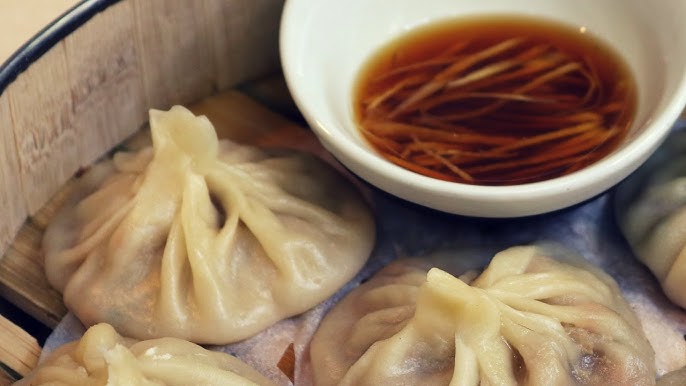
Soup Dumpling Recipe: Soup dumplings, also known as Xiao Long Bao, are a magical culinary creation that encapsulates a warm, savory broth inside a delicate dough wrapper along with a juicy meat filling. Originally hailing from the Jiangnan region of China—most famously from Shanghai—these dumplings have become a beloved dish around the world. What sets soup dumplings apart is the way they burst in your mouth with an explosion of rich, flavorful soup, which perfectly complements the tender meat inside.
What makes these dumplings a true culinary wonder is the method used to trap soup inside: instead of injecting the soup after cooking, the trick lies in incorporating gelatinized broth into the filling, which melts into liquid when steamed. That means every bite is warm, cozy, and deeply satisfying.
Whether you’re trying them at a dim sum restaurant or attempting to recreate them at home, soup dumplings are always a hit. The artistry involved in making them might seem intimidating at first, but once you master the steps, it becomes a joyful kitchen ritual. Let’s walk through a foolproof, step-by-step guide to making the most perfect soup dumplings right in your kitchen.
Ingredients Needed
Before diving into the recipe, make sure you gather everything you need. These dumplings require a few components, but once you’re organized, the process flows smoothly.
For the Dough:
- 2 cups all-purpose flour
- ¾ cup warm water
For the Soup Gelatin:
- 4 cups chicken stock (preferably homemade)
- 2 tablespoons unflavored gelatin
- 1 tablespoon soy sauce
- 1 teaspoon ginger (grated)
- 1 garlic clove (minced)
For the Filling:
- 1 lb ground pork (or chicken)
- 2 teaspoons soy sauce
- 1 teaspoon sesame oil
- ½ teaspoon white pepper
- 1 tablespoon Shaoxing wine (optional)
- 2 green onions (finely chopped)
- 1 teaspoon grated ginger
- 1 cup of the chopped soup gelatin
It’s important to use high-quality chicken stock for the gelatin. This will directly impact the flavor of the soup inside the dumplings. If you want to go the extra mile, simmer chicken bones with aromatics for a few hours to make your own rich broth.
Kitchen Tools You’ll Need
Making soup dumplings isn’t just about the ingredients. The right kitchen tools make the process smoother and more precise.
Essential Tools:
- Rolling pin (preferably a small, tapered one)
- Steamer basket (bamboo or metal)
- Parchment paper or cabbage leaves (to prevent sticking)
- Mixing bowls
- Saucepan
Optional (but Helpful):
- Dumpling press (for beginners)
- Food scale (for consistent wrappers)
- Soup spoon or small scoop (for portioning filling)
- Silicone mat (for kneading and rolling dough)
Having a steamer basket is non-negotiable here. Soup dumplings need gentle steaming to cook through without tearing. If you don’t have one, you can use a colander over a pot with a tight-fitting lid, just be sure to line the bottom well to prevent sticking.
How to Make the Dough
The dough for soup dumplings is slightly different from regular dumplings. It should be soft, yet elastic enough to hold in the soup without tearing.
Step-by-Step:
- In a large bowl, add the flour.
- Gradually pour in the warm water while stirring with chopsticks or a fork.
- Once a shaggy dough forms, knead it by hand for about 10 minutes until smooth.
- Cover the dough with a damp cloth and let it rest for 30–60 minutes.
Resting the dough is essential. It allows the gluten to relax, making it much easier to roll out thin wrappers later. If your dough feels too dry, add a few drops of water. Too sticky? Sprinkle a touch more flour.
The perfect dough should feel like your earlobe—soft, pliable, and not tacky.
Preparing the Soup Gelatin
Here’s where the magic happens. The broth you prepare now will become the soup inside your dumplings.
Steps to Make Gelatin Broth:
- In a saucepan, heat the chicken stock, soy sauce, ginger, and garlic until it’s hot but not boiling.
- Stir in the unflavored gelatin until completely dissolved.
- Pour the mixture into a shallow dish or tray and refrigerate until set (about 2 hours).
- Once firm, chop the gelatin into tiny cubes (pea-sized).
Make sure the gelatin is cold and firm before using it in your filling. If it’s too soft, it’ll melt too early and won’t create the burst of soup you’re aiming for.
Creating the Dumpling Filling
This is the heart of your soup dumpling—the savory, juicy mix that combines with the gelatin to deliver that signature broth burst when you take a bite.
Step-by-Step Instructions:
- In a large mixing bowl, add your ground pork or chicken.
- Mix in soy sauce, sesame oil, white pepper, Shaoxing wine, ginger, and green onions.
- Stir in one direction until the meat becomes sticky and well combined.
- Gently fold in the gelatin cubes—avoid overmixing to prevent melting.
The key here is to mix the filling thoroughly, but not so aggressively that the gelatin starts to dissolve. The gelatin cubes should remain intact until the dumplings are steamed. This ensures that the soup forms inside during cooking instead of leaking out beforehand.
Pro tip: Chill the filling for 20 minutes before wrapping. This helps it firm up and makes assembly easier.
Rolling and Cutting the Dough Wrappers
This is one of the more technique-heavy parts of making soup dumplings. You want wrappers that are thin at the edges and slightly thicker in the center to support the filling and soup.
Steps to Roll Perfect Wrappers:
- Divide the rested dough into small equal pieces (around 20–25).
- Roll each piece into a ball, then flatten slightly.
- Using a small, tapered rolling pin, roll from the edge toward the center, turning the dough after each roll to maintain a circular shape.
- Aim for 3 to 4-inch diameter circles, about 1.5mm thick at the edges.
If your wrappers are too thick, the dumplings will feel doughy. Too thin, and they’ll burst during steaming. It takes a few tries to get it right, so don’t stress—just keep practicing.
Avoid flouring the surface too much. A little stickiness helps the dumpling pleats seal better.
Assembling the Soup Dumplings
This is where everything comes together—and yes, it might take a few tries to perfect, but it’s totally worth it!
Folding and Pleating Tips:
- Place a wrapper in your palm.
- Add about 1 tablespoon of filling in the center.
- Start pleating the edges by pinching and folding small sections toward the center, rotating as you go.
- Seal the top by pinching it tightly and gently twisting.
Each dumpling should have around 12 to 18 pleats. That might sound like a lot, but the more pleats, the better they hold the soup. Don’t worry if your first few look more like blobs than dumplings—every chef starts there.
Be sure the top is fully sealed, or your precious soup will leak out during steaming. Once assembled, place each dumpling on parchment or cabbage leaves to prevent sticking.
Cooking the Dumplings
Once your little soup bombs are assembled, it’s time to cook them just right. Steaming is the method of choice, and doing it correctly ensures your dumplings are tender, juicy, and intact.
How to Steam Dumplings Perfectly:
- Prepare your steamer by lining it with parchment paper or napa cabbage leaves.
- Place dumplings in the steamer, spacing them apart to avoid sticking.
- Bring water in your pot to a boil, then place the steamer on top.
- Steam over medium heat for 8–10 minutes.
Avoid peeking during the steaming process—it drops the temperature and messes with the cooking time. Once done, the wrappers should look slightly translucent, and you’ll see a bit of soup inside each dumpling.
Let them cool for a minute before serving. Trust me, that soup is HOT.
How to Serve Soup Dumplings
Presentation adds to the experience, and the right garnishes and sauces elevate every bite.
Serving Suggestions:
- Dipping Sauce: Mix soy sauce, black vinegar, and fresh ginger slivers for the ultimate dip.
- Garnish: A sprinkle of sesame seeds or scallions adds flavor and flair.
- Utensils: Serve with a small soup spoon to catch any escaping broth.
To eat, gently lift a dumpling with chopsticks, place it on your spoon, bite a small hole to release the steam, sip the soup, then enjoy the rest. It’s like a mini performance with every bite!
Storage and Reheating Tips
Soup dumplings are best eaten fresh, but if you end up with extras (or want to meal-prep a batch), proper storage and reheating are essential to preserve their texture and soupiness.
How to Store Uncooked Dumplings:
- Place dumplings in a single layer on a parchment-lined tray.
- Freeze uncovered for about 2 hours or until solid.
- Transfer to a ziplock bag or airtight container.
Frozen dumplings can last up to 2 months. Freezing them individually first prevents them from sticking together, so you can grab just what you need later.
How to Reheat (Cook) Frozen Dumplings:
- Do not thaw before cooking—steam directly from frozen.
- Steam for 10–12 minutes over medium heat until hot and fully cooked through.
For leftover cooked dumplings, re-steam for 3–5 minutes or microwave covered with a damp paper towel for 30 seconds (though this may compromise the texture).
Avoid pan-frying or baking them—soup dumplings aren’t designed for dry heat methods. Doing so could dry them out or make them burst.
Common Mistakes and How to Avoid Them
Even seasoned home cooks run into issues when making soup dumplings. Here are the most common mistakes and how to fix them:
1. Dough Too Thick or Too Thin
- Problem: Thick dough makes chewy dumplings, while thin dough tears easily.
- Fix: Roll dough consistently with a slightly thicker center for structure.
2. Soup Gelatin Melts Too Early
- Problem: If the gelatin melts during mixing or wrapping, there will be no soup.
- Fix: Keep gelatin cubes chilled and mix them into cold meat filling only.
3. Overfilling the Dumplings
- Problem: Too much filling makes them hard to seal and more prone to bursting.
- Fix: Stick to 1 tablespoon of filling per wrapper.
4. Improper Sealing
- Problem: Unsealed tops leak soup during steaming.
- Fix: Pinch and twist firmly to ensure a tight seal.
5. Steaming on Direct Metal Surface
- Problem: Dumplings stick to the steamer, tearing wrappers.
- Fix: Always line your steamer with parchment paper or cabbage leaves.
Remember: perfection comes with practice. Don’t get discouraged if your first batch isn’t restaurant-quality. Even lumpy dumplings taste delicious!
Nutritional Information
Here’s a rough breakdown of the nutrition per soup dumpling (made with pork and homemade broth):
| Nutrient | Amount (per dumpling) |
|---|---|
| Calories | 65–75 kcal |
| Protein | 4–5g |
| Carbohydrates | 5–6g |
| Fat | 3–4g |
| Sodium | 180–220mg |
Healthier Swaps:
- Use lean ground chicken or turkey instead of pork.
- Opt for low-sodium broth and soy sauce.
- Try whole wheat flour for the dough (slightly nutty taste but firmer texture).
- Add finely chopped mushrooms or cabbage for fiber and volume.
Soup dumplings are rich but portion-controlled. A serving of six dumplings can be a satisfying lunch or dinner without going overboard.
Variations to Try
Once you’ve mastered the classic soup dumpling, don’t stop there—get creative! Here are a few fun and delicious variations to explore:
1. Vegetarian Soup Dumplings
- Use a mushroom broth for the gelatin.
- Swap meat for minced mushrooms, tofu, and cabbage.
- Add miso paste or soy sauce for umami richness.
2. Spicy Soup Dumplings
- Add chili oil or Szechuan peppercorn to the filling.
- Serve with a spicy dipping sauce (chili crisp + vinegar).
3. Seafood Soup Dumplings
- Replace pork with minced shrimp and scallops.
- Use seafood stock for the gelatin.
- Add a dash of fish sauce or lemon zest for brightness.
4. Dessert Soup Dumplings
- Yes, even sweet versions exist! Use sweetened coconut milk gelatin and a sweet bean paste filling. Steam as usual and dust with powdered sugar or drizzle with condensed milk after cooking.
These twists are perfect for customizing your dumplings to suit dietary needs or adventurous tastes. Have fun experimenting!
FAQs about Soup Dumpling Recipe
1. Can I freeze soup dumplings?
Yes! Freeze uncooked dumplings on a tray, then transfer them to a container. Steam directly from frozen for 10–12 minutes.
2. What’s the best meat to use for soup dumplings?
Ground pork is traditional, but you can also use ground chicken or a seafood mix. Just ensure there’s some fat for juiciness.
3. Why did my soup dumplings burst?
This could be from overfilling, thin wrappers, or not sealing properly. Be gentle and practice pleating tightly.
4. Can I use store-bought wrappers?
It’s not ideal—store-bought wrappers are usually too dry and thick. For soup dumplings, homemade dough gives better results.
5. What’s a good vegetarian filling alternative?
Try mushrooms, tofu, and cabbage with a rich veggie broth gelatin. Miso or soy sauce adds extra umami punch.
Conclusion
Soup dumplings are the ultimate comfort food—warm, flavorful, and just a little bit theatrical. Making them from scratch may sound like a daunting task, but once you break it down into steps—making the dough, preparing the gelatin, mixing the filling, folding, and steaming—it becomes a deeply rewarding cooking experience.
With a little patience and practice, you can bring a taste of dim sum magic right into your kitchen. Whether you’re making a classic pork version or getting adventurous with seafood or vegetarian fillings, these soup dumplings are bound to impress anyone lucky enough to try them.
So roll up your sleeves, grab your steamer, and start pleating!