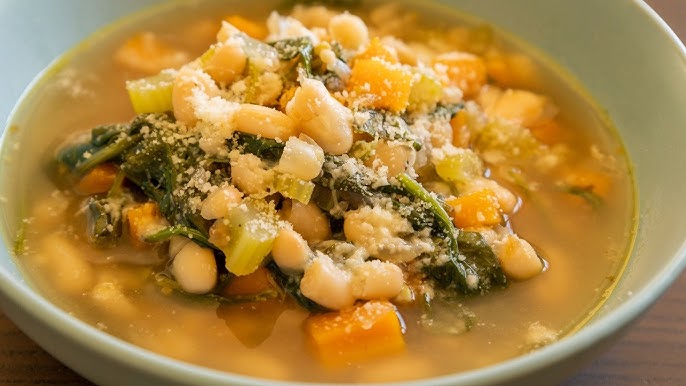
Soup Beans Recipe: Soup beans are more than just beans in broth—they’re a warm hug in a bowl. A staple in Southern and Appalachian cooking, this dish takes humble ingredients and turns them into something hearty, flavorful, and comforting.
Traditionally made with dried beans slowly simmered with onions, seasoning, and maybe a bit of meat, soup beans are economical, healthy, and incredibly satisfying.
Whether you’re cooking up a pot to stretch the grocery bill or just want something soothing on a rainy day, soup beans hit the spot. And the best part? They’re easy to customize to your taste.
Why You’ll Love This Comfort Food Classic
There’s a reason soup beans have stood the test of time. They’re budget-friendly, nutritious, and taste even better the next day. The slow cooking process brings out deep, rich flavors, and you can make a big batch with just a few pantry staples. Add cornbread and some greens, and you’ve got a meal that feeds both the stomach and the soul. If you’re looking for a recipe that’s simple, flexible, and guaranteed to warm you up, this is it.
Ingredients You’ll Need
Getting your ingredients right is the first step to making unforgettable soup beans. Here’s everything you need:
- Dried Beans – Pinto beans are the classic choice, but navy, great northern, or black beans work well too.
- Onion – One medium yellow onion, chopped.
- Garlic – 2–4 cloves, minced.
- Salt & Pepper – Start small and adjust to taste.
- Ham Hock or Bacon (Optional) – Adds smoky, meaty depth.
- Bay Leaves – For an aromatic touch.
- Water or Broth – Use broth for more flavor.
- Optional Add-ins – Carrots, celery, crushed red pepper, or diced tomatoes for extra complexity.
Having these basics on hand gives you a perfect base to build your ideal version of soup beans.
Tools and Equipment
Let’s talk about the gear. The beauty of soup beans is they don’t need fancy equipment.
- Large Pot or Dutch Oven – For stovetop cooking.
- Slow Cooker – Great for low-and-slow cooking without watching the stove.
- Instant Pot – Perfect if you’re short on time.
- Colander – For rinsing and draining beans.
- Ladle – For serving up all that goodness.
- Wooden Spoon – For stirring during the cook.
Whichever method you use, make sure your pot is big enough for the beans to expand and cook evenly.
Before You Cook: Tips for Prepping Beans
A little prep goes a long way. Here’s what to do before cooking:
- Sorting: Spread out your beans on a tray and remove any debris or broken pieces.
- Rinsing: Rinse thoroughly under cold water.
- Soaking:
- Overnight Soak: Cover with water and let sit 8–12 hours.
- Quick Soak: Boil beans for 1–2 minutes, then cover and let sit for 1 hour.
Soaking helps reduce cook time and makes beans easier to digest. It’s not always mandatory but highly recommended for dried beans.
Step-by-Step Guide to Making Soup Beans
Alright, let’s dive into how to actually make these!
Step 1: Prepare Your Beans
Once soaked and rinsed, your beans are ready to go. If you’re using a slow cooker or Instant Pot, no need to soak—just rinse well. If you’re cooking stovetop, a soak helps the beans cook more evenly.
Step 2: Sauté the Aromatics
Heat some oil or bacon grease in your pot. Toss in onions and garlic, and let them soften and become fragrant—this is your flavor base. Don’t skip this step; it makes a difference.
Step 3: Add in Beans, Liquid, and Seasonings
Toss in your beans, pour in enough water or broth to cover them by 2 inches, and throw in your bay leaves, salt, pepper, and any meats (like a ham hock or chopped bacon).
Step 4: Simmer to Perfection
Bring it to a boil, then reduce to a gentle simmer. Cover and let it go for 2–3 hours, checking occasionally. Beans should be soft but not mushy.
Step 5: Add Optional Meat or Veggies
If using sausage, ham, or veggies like carrots and celery, add them in about halfway through cooking so they don’t get mushy.
Step 6: Taste and Adjust Seasoning
Once beans are tender, taste your broth. Add more salt, pepper, or herbs as needed. A splash of apple cider vinegar or hot sauce at the end can brighten up the flavor.
Step 7: Let It Rest Before Serving
Once off the heat, let it sit for 10–15 minutes. This gives the flavors time to settle and deepen.
How to Make Soup Beans in a Slow Cooker
Using a slow cooker for soup beans is one of the easiest methods, especially if you like to “set it and forget it.” This method delivers deep, rich flavor with minimal hands-on effort.
Here’s how to do it:
- Rinse your beans thoroughly (no need to soak if slow cooking).
- Add all ingredients to the slow cooker:
- 1 pound of dried beans
- 1 chopped onion
- 2–3 cloves of garlic
- 1 bay leaf
- Optional meat (ham hock, bacon, or sausage)
- 6–8 cups of broth or water
- Season lightly with salt, pepper, and any other preferred spices.
- Set on low for 8–10 hours or high for 5–6 hours.
- When beans are tender, taste and adjust seasoning. Add vinegar, hot sauce, or herbs as needed.
Tips:
- If your slow cooker runs hot, check at the 6-hour mark.
- Add salt toward the end of cooking to prevent tough beans.
- For thicker soup, mash some of the beans with a fork and stir them back in.
This method is ideal for busy days. Just come home to a pot full of comfort and warmth.
How to Make Soup Beans in an Instant Pot
Pressed for time? The Instant Pot (or any pressure cooker) can turn hours of simmering into a 45-minute miracle. You still get that slow-cooked flavor, but in a fraction of the time.
Instructions:
- Rinse beans (no soaking needed).
- Use the Sauté function to cook onions and garlic in a little oil until soft.
- Add:
- 1 pound dried beans
- 6 cups broth or water
- Bay leaves, optional meat, and seasoning
- Lock the lid, set valve to sealing, and pressure cook on High for 35–40 minutes.
- Let pressure naturally release for 15–20 minutes, then manually release any remaining pressure.
- Open carefully, stir, taste, and adjust seasoning.
Tips:
- The natural release time is important—it allows the beans to finish cooking gently.
- For creamier beans, mash a cup of them and stir back into the pot.
- Add a dash of hot sauce or vinegar for brightness at the end.
Using the Instant Pot saves you hours—perfect for weeknight meals or last-minute meal planning.
What to Serve with Soup Beans
Soup beans are the star, but the right sides take them to the next level.
Here are some classic and cozy options:
Cornbread
Nothing goes better with soup beans than a slice of golden, buttery cornbread. Serve it warm with a pat of butter or drizzle of honey for a sweet contrast.
Collard Greens or Turnip Greens
Add a healthy, earthy side with braised greens. A splash of vinegar on top really makes it pop.
Chopped Onions
Simple but effective. A handful of raw or pickled onions on top of your bowl adds crunch and brightness.
Fried Potatoes
Crispy skillet-fried potatoes or hash browns balance the softness of the beans.
Rice
Serve soup beans over white or brown rice to make the meal even more filling.
Hot Sauce and Vinegar
Let everyone customize their bowl with a splash of flavor boosters.
With these pairings, you’re turning a humble pot of beans into a full, flavorful meal.
How to Store and Reheat Soup Beans
Soup beans are even better the next day—and luckily, they store beautifully.
Storing:
- Let the beans cool to room temperature before refrigerating.
- Transfer to an airtight container.
- Keep in the fridge for up to 5 days.
Freezing:
- Soup beans freeze very well.
- Portion into freezer-safe containers or bags.
- Label with date and freeze for up to 3 months.
- Leave a bit of room in containers for expansion.
Reheating:
- On the stove: Reheat over medium heat, adding a splash of water or broth to loosen the texture.
- In the microwave: Use a microwave-safe bowl, stir occasionally, and heat until steaming hot.
- Frozen beans: Let thaw overnight in the fridge, or reheat directly from frozen on the stovetop over low heat.
Pro tip: Add a bit of fresh seasoning or chopped herbs after reheating to revive the flavor.
Creative Variations of Soup Beans
Soup beans are super adaptable. Whether you’re keeping it vegetarian or going full Southern comfort, here are some ideas to switch things up:
Vegetarian or Vegan Soup Beans
- Skip the meat and use vegetable broth.
- Add smoked paprika or liquid smoke for depth.
- Include hearty veggies like carrots, celery, and tomatoes.
Southern-Style Soup Beans with Ham
- Use a leftover ham bone or ham hock.
- Add collard greens or chopped turnips.
- Serve with skillet cornbread for a true Southern vibe.
Smoky Soup Beans with Bacon
- Fry bacon first, then cook your onions in the bacon grease.
- Add beans and broth.
- Crumble extra crispy bacon on top as a garnish.
Spicy Southwestern Twist
- Use black beans or pinto beans.
- Add cumin, chili powder, corn, and diced green chilies.
- Garnish with avocado, cilantro, and lime juice.
Soup beans are a blank canvas—feel free to add your own creative spin!
Common Mistakes to Avoid
Even though soup beans are simple, a few missteps can mess with the flavor or texture. Here’s what to look out for so your beans come out perfect every time.
1. Overcooking or Undercooking
Beans that are undercooked will be hard and unpleasant, while overcooked beans can turn to mush. The trick is to check them periodically, especially in the last hour of cooking. You’re aiming for tender, not broken.
2. Skipping the Soak (When It Matters)
While not always necessary, especially with pressure cookers or slow cookers, soaking beans can help them cook more evenly and reduce gas-causing compounds. For stovetop cooking, soaking is highly recommended.
3. Not Seasoning Properly
Seasoning soup beans is a balancing act. Add some salt early, but hold off on final seasoning until the end. Beans absorb salt during cooking, so under-salting or over-salting too early can throw things off.
4. Using Too Little Liquid
Beans soak up a lot of liquid. If you don’t add enough water or broth, they’ll dry out or burn. Keep an eye on the liquid level and add more if it gets too low.
5. Adding Acid Too Early
Vinegar, tomatoes, or citrus can slow down bean cooking or make them tough if added too early. Always add acidic ingredients at the very end of cooking.
Avoiding these common pitfalls ensures your soup beans are flavorful, tender, and satisfying every time.
Health Benefits of Beans
Beans aren’t just delicious—they’re incredibly good for you. Adding soup beans to your diet is a great way to eat healthier without sacrificing comfort food vibes.
High in Protein and Fiber
Beans are plant-based protein powerhouses. One cup of cooked beans provides around 15 grams of protein and loads of fiber to keep you full and help with digestion.
Low in Fat and Cholesterol-Free
Beans are naturally low in fat and contain no cholesterol, making them a heart-healthy choice. If you’re watching your cholesterol, soup beans (especially without added meat) are a great option.
Great for Heart and Gut Health
The fiber in beans helps lower cholesterol and regulate blood sugar. They also feed good gut bacteria, improving your overall digestive health.
Affordable and Sustainable
Beans are one of the most cost-effective protein sources and have a low environmental impact. Choosing beans is good for your wallet and the planet.
With soup beans, you get a tasty, comforting dish that also supports your health goals. Win-win!
Tips for Making the Best Soup Beans Every Time
Want to level up your soup bean game? Here are some next-level tips to make your pot of beans legendary:
Use Broth Instead of Water
Broth adds a richer base flavor. Use chicken, beef, or vegetable broth depending on your preference.
Add Aromatics
Bay leaves, thyme, rosemary, or even a cinnamon stick can add layers of flavor. Don’t be afraid to experiment with herbs and spices.
Let the Beans Rest
Once done, let your beans sit off the heat for 10–15 minutes. This gives the flavors time to blend and intensify.
Add a Finishing Touch
Just before serving, stir in a splash of apple cider vinegar or lemon juice. This brightens the flavors and cuts through the richness.
Use a Meaty Add-In (If Not Vegetarian)
A ham hock, smoked turkey leg, or even just some bacon adds amazing depth and makes the broth irresistible.
These little tweaks can take your soup beans from good to unforgettable.
Reader-Approved Tricks for Better Soup Beans
We’ve gathered some of the best community-approved tricks and family secrets to help your soup beans shine:
Add a Parmesan Rind
A little unusual but amazing—throw a Parmesan cheese rind into the pot while it simmers. It adds umami richness and melts into the broth.
Use a Touch of Sweet
Some cooks add a pinch of sugar, molasses, or even a bit of maple syrup to balance out the savory flavors.
Toss in a Dried Chili
Not for heat, but for flavor. A whole dried chili gives a subtle smoky kick without making it spicy.
Finish with Butter
Just a tablespoon of butter stirred in at the end gives your soup beans a silky, luxurious texture.
Leftover Transformation
Use leftover soup beans as a base for chili, tacos, or a rice bowl. They’re even better the next day.
Sometimes, those little tricks passed down from grandma really are the secret to the best pot of beans.
FAQs about Soup Beans Recipe
1. Can I use canned beans instead of dried?
Yes, you can! But keep in mind canned beans are already cooked, so reduce cooking time significantly. Add them during the last 20–30 minutes of simmering, just to heat through and absorb flavor.
2. How long can soup beans last in the fridge?
Properly stored in an airtight container, soup beans will last about 5 days in the refrigerator. Always reheat thoroughly before eating.
3. What type of beans works best?
Pinto beans are the classic choice, but great northern, navy, or black beans also work well. Try different types and see which one you like best!
4. Can I freeze leftover soup beans?
Absolutely. Let them cool completely, then store in freezer-safe containers for up to 3 months. Thaw in the fridge overnight and reheat on the stove.
5. How do I thicken soup beans?
Mash a portion of the beans with the back of a spoon and stir them back into the pot. This creates a creamier texture without adding anything extra.
Conclusion
Soup beans may be simple, but they’re anything but boring. They bring together comfort, flavor, and tradition in one cozy bowl. Whether you’re cooking them low and slow on the stovetop or whipping them up in an Instant Pot after school or work, they deliver every time. They’re affordable, easy to make, and endlessly customizable. Pair them with cornbread and some greens, and you’ve got a meal that satisfies like nothing else.
Try it once, and you’ll understand why soup beans have been a kitchen staple for generations. So grab your beans, your pot, and get cooking—there’s a bowl of comfort just waiting for you.