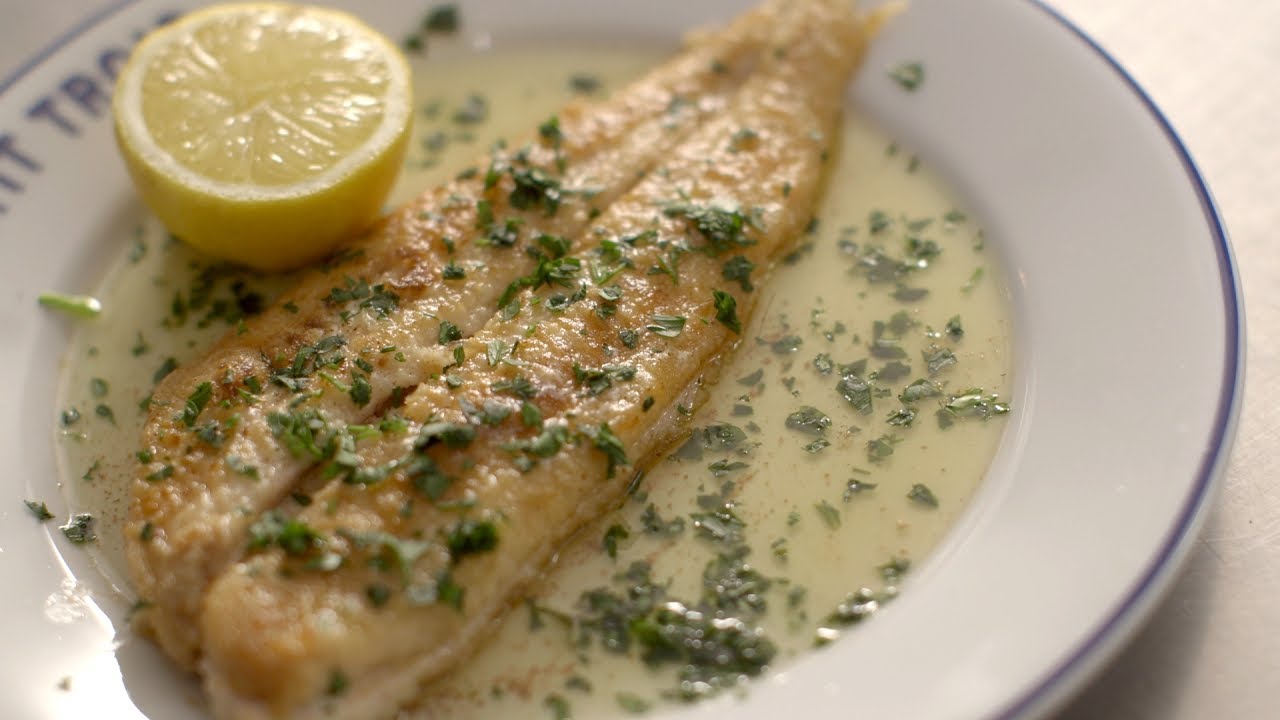
Sole Meunière Recipe: If you’ve ever wondered what dish perfectly captures the simplicity and elegance of French cuisine, look no further than Sole Meunière. This buttery, lemony, and delicately pan-fried fish is one of those dishes that turns heads with its simplicity and melts in your mouth with every bite.
In this guide, I’ll walk you through everything you need to know—from the ingredients list to step-by-step instructions and even some secret tips French chefs swear by.
Ready to cook like you’re in a Parisian bistro? Let’s dive in.
What is Sole Meunière?
Sole Meunière is a classic French dish that highlights the natural flavor of sole, a delicate white fish, by cooking it in a light brown butter sauce, fresh lemon juice, and parsley. The word “Meunière” means “miller’s wife,” referring to the light dredging of flour the fish receives before pan-frying. That thin coating creates a subtle crust that locks in moisture and soaks up the golden butter sauce like a sponge. It’s a dish where simplicity wins, with just a few ingredients coming together to make magic on the plate.
This isn’t just any fish dish—it’s a symbol of French culinary finesse. Served in fine dining restaurants and cherished by home cooks alike, Sole Meunière balances richness and brightness, and once you try it, you’ll see why it’s adored around the world.
History and Origin of Sole Meunière
The roots of Sole Meunière go deep into traditional French cuisine, particularly in coastal regions where fresh fish is abundant. Though its exact origin is hard to pinpoint, the dish gained worldwide fame thanks to Julia Child, who famously said that Sole Meunière was the first French meal she ever had—and the one that changed her life forever.
Historically, the dish emerged from modest cooking practices: coating fish in flour to prevent sticking and frying it in butter for flavor. But its transformation into an iconic meal was fueled by its simplicity and elegance. By the early 20th century, Sole Meunière was a staple in French bistros and upscale restaurants alike.
Why Sole Meunière is a Classic French Dish
French cooking is known for its sauces and techniques, but also for its ability to elevate the ordinary into something extraordinary. That’s exactly what Sole Meunière does. With just a few everyday ingredients, it delivers rich, refined flavor. It showcases the best of French cuisine: balance, technique, and respect for ingredients.
What makes it “classic” isn’t just its history—it’s how it has stood the test of time. It’s been served for over a hundred years and continues to appear on modern menus. It’s simple enough for a weeknight meal, yet elegant enough for a romantic dinner or dinner party.
What Makes Sole Meunière Unique
Unlike many modern seafood dishes, Sole Meunière isn’t buried in heavy sauces or overloaded with spices. It’s all about celebrating the fish itself. The flour gives it a delicate crust, the butter adds richness, and the lemon cuts through with a refreshing brightness. That balance is rare.
Another unique aspect? The sauce is made directly in the pan after the fish is cooked, meaning every drop captures the flavor of the fish, butter, and flour. It’s one of the best examples of how cooking technique alone can unlock deep, layered flavors with minimal ingredients.
Ingredients You’ll Need for Sole Meunière
Here’s a full list of ingredients you’ll need to make this iconic dish:
Fresh Sole Fillets
- Aim for Dover sole if available, but any white, flat fish like lemon sole or flounder works.
- Ensure the fish is cleaned, skinless, and boneless.
All-Purpose Flour
- Used for dredging to give a light crust.
- Don’t overdo it; a thin coat is ideal.
Unsalted Butter
- A key ingredient. You’ll need it for both cooking the fish and making the brown butter sauce.
- Use high-quality European-style butter if you can—it has less water and more flavor.
Fresh Lemon Juice
- Brings brightness and cuts through the richness of the butter.
- Always use fresh lemons, not bottled juice.
Parsley (Chopped)
- Adds freshness and color to finish the dish.
Salt and Black Pepper
- Simple seasoning goes a long way here.
- Use freshly ground black pepper for best results.
How to Choose the Best Sole for Meunière
Selecting the right fish is crucial. Here’s what to look for:
- Freshness: The fish should smell clean, not fishy.
- Appearance: The flesh should be firm and translucent, not dull or mushy.
- Size: Look for fillets around 4 to 6 ounces each for even cooking.
- Skin: Ask your fishmonger to skin the fillets unless you’re comfortable doing it yourself.
If you can’t find fresh sole, opt for a close substitute like flounder, tilapia, or plaice. Avoid thicker cuts like cod—they don’t cook the same way and won’t give you that delicate texture.
Kitchen Tools You’ll Need
To prepare Sole Meunière properly, gather these essential tools:
- Non-stick or stainless steel skillet (12-inch recommended)
- Fish spatula or thin metal spatula
- Mixing plate or shallow dish for flouring
- Paper towels for patting the fish dry
- Citrus juicer (optional but helpful)
- Chopping board and knife
- Small saucepan (for the sauce if needed)
Having these tools ready makes the process smoother and ensures your fish turns out perfectly every time.
Preparation Tips Before Cooking
Before you turn on the stove, do a little prep to make the cooking process seamless:
- Dry the fish completely. Moisture is the enemy of browning. Use paper towels to pat the fish thoroughly.
- Season before flouring. Lightly season with salt and pepper before dredging in flour.
- Pre-measure your ingredients. Once the butter goes in, things move fast—have lemon juice, parsley, and butter all ready to go.
- Use room temperature butter. It melts more evenly and prevents burning.
- Don’t overcrowd the pan. Cook in batches if needed to avoid steaming the fish.
Step-by-Step Guide to Making Sole Meunière
Here’s the fun part: cooking! Follow these steps carefully, and you’ll nail it.
Step 1: Preparing the Fish
Place the sole fillets on a clean surface. Pat them dry thoroughly. Season both sides with salt and pepper. This step is key—excess moisture will make the flour soggy, not crispy.
Once seasoned, lightly dredge the fillets in flour. Shake off any extra—too much flour can burn in the pan.
Step 2: Dredging the Sole in Flour
Set up a shallow plate or dish with about ½ cup of flour. Gently press each fillet into the flour, one at a time, ensuring both sides are lightly coated. Then place them on a clean plate to rest for 5 minutes. This helps the flour adhere better when frying.
Step 3: Heating the Pan
Now, it’s time to bring the heat. Place a large skillet (preferably stainless steel or non-stick) over medium heat. Let it warm up for a minute or two, then add 2 to 3 tablespoons of unsalted butter. Allow the butter to melt gently without browning too fast. The key is to get it to sizzle lightly but not burn.
Tilt the pan to spread the butter evenly, coating the entire bottom. When the butter starts to foam and smell nutty, it’s ready. If the butter turns too dark or starts smoking, reduce the heat and start again—burned butter will ruin the flavor.
Step 4: Cooking the Sole
Carefully place the floured sole fillets in the hot pan, presentation side down first (usually the skinless side). Don’t overcrowd the skillet—if you have more than two fillets, cook them in batches.
- Cook each fillet for 2 to 3 minutes per side.
- Flip gently with a fish spatula.
- The fish should develop a golden brown crust and be fully cooked through, but not dry.
As you cook, feel free to spoon some of the hot butter over the fish (a technique known as basting) to keep it moist and flavorful.
Once done, remove the fillets and place them on a warm plate. Cover loosely with foil to keep warm.
Step 5: Making the Brown Butter Sauce
Without cleaning the pan (yes, you want those leftover bits!), reduce the heat to low and add 3 to 4 more tablespoons of butter. Let it melt and begin to turn golden brown. Watch closely—this only takes a minute or two.
As soon as the butter smells rich and nutty and starts to brown, squeeze in the juice of half a lemon. It will bubble up—don’t worry, that’s normal. Stir gently to combine and loosen up the fond (those delicious brown bits) from the pan.
This sauce is called beurre noisette, and it’s what gives Sole Meunière its signature flavor.
Step 6: Finishing Touches
Turn off the heat. Sprinkle in chopped parsley, give the sauce a final stir, then spoon it generously over the cooked fish.
Want to take it up a notch? Garnish with thin lemon slices or lemon zest for extra brightness.
Serve immediately while the fish is hot, buttery, and crispy.
Tips to Avoid Common Mistakes
Sole Meunière may be simple, but a few small missteps can make or break the dish. Here are some pro tips to help you avoid common cooking blunders:
- Don’t over-flour the fish. You want a light coating, not a batter.
- Always pat the fish dry. Moisture causes sogginess.
- Use a hot pan, but not smoking hot. Medium heat gives you better control and prevents burning.
- Use unsalted butter. Salted butter can get too salty when reduced and browned.
- Don’t rush the sauce. Brown butter takes a minute to develop its nutty flavor—be patient and watch closely.
- Serve immediately. Sole Meunière loses its crispness as it sits.
With these tips, you’ll get restaurant-quality results every time.
How to Serve Sole Meunière
Sole Meunière shines best when plated simply and elegantly. Lay the fillets flat on a warm plate, spoon over the buttery lemon sauce, and garnish with fresh parsley. That’s all you really need.
Want to elevate the presentation?
- Use white plates to make the golden crust and green parsley pop.
- Add a couple of thin lemon slices or wedges for visual appeal and extra zest.
It’s a dish that looks refined but doesn’t require fancy plating techniques.
Perfect Side Dishes for Sole Meunière
Looking for the best companions for this buttery masterpiece? Try one of these classic French-inspired side dishes:
1. Steamed or Roasted Potatoes
- Lightly seasoned new potatoes or fingerlings make a perfect pairing.
- They soak up the sauce without overpowering the fish.
2. Sautéed Green Beans or Haricots Verts
- Adds a crisp, fresh texture to balance the buttery richness.
3. Lemon Rice Pilaf
- A light, citrusy rice pairs beautifully with the lemon-butter sauce.
4. Buttered Asparagus
- Quick, simple, and always a hit with fish dishes.
5. Crusty French Bread
- Ideal for mopping up every last drop of that heavenly sauce.
Pick one or two, and your plate is complete.
Wine Pairings with Sole Meunière
A good wine pairing takes Sole Meunière to the next level. Since the dish is rich but delicate, go for a white wine that is:
- Dry
- Crisp
- Light to medium-bodied
Top wine choices include:
| Wine | Flavor Profile | Why It Works |
|---|---|---|
| Chardonnay (unoaked) | Buttery, citrusy | Mirrors the butter and lemon flavors |
| Sauvignon Blanc | Zesty, herbaceous | Adds a fresh contrast |
| Pinot Grigio | Light, crisp | Doesn’t overpower the fish |
| Chablis | Minerally, clean | Classic French pairing |
Avoid red wines—they’ll overpower the dish.
Nutritional Information
Here’s an approximate breakdown for a single serving of Sole Meunière (1 fillet with sauce):
| Nutrient | Amount |
|---|---|
| Calories | 400–450 kcal |
| Protein | 28–32 g |
| Fat | 30–35 g |
| Carbohydrates | 8–10 g |
| Sodium | 200–300 mg |
Sole Meunière is rich in protein and healthy fats, especially if you use high-quality butter. It’s naturally low in carbs and can be adapted for gluten-free diets with alternative flours.
Variations of the Classic Recipe
Although the traditional Sole Meunière is perfect as is, there’s always room to experiment:
- Gluten-Free: Use almond flour or rice flour instead of all-purpose.
- Herb Butter Twist: Mix chopped tarragon or thyme into the butter.
- Garlic Butter Version: Add minced garlic to the butter as it browns for a savory depth.
- Meunière with Capers: Sprinkle in capers for a briny, tangy kick.
- Use Other Fish: Try flounder, tilapia, or even trout if sole is unavailable.
Get creative but keep it balanced—Sole Meunière is about simplicity and harmony.
Storing and Reheating Leftovers
Although Sole Meunière is best enjoyed fresh, you can store leftovers if needed. Keep in mind the delicate texture of the fish and the butter sauce doesn’t hold up as well over time, but here’s how to do it right:
Storing Leftovers:
- Let the fish cool to room temperature before storing.
- Place in an airtight container, preferably in a single layer to avoid breaking the fillets.
- Store in the refrigerator for up to 2 days.
- Keep any extra sauce in a separate container.
Reheating Instructions:
- Avoid microwaving if possible—it ruins the texture.
- Instead, reheat gently in a non-stick skillet over low heat, adding a touch of butter or a splash of lemon juice to revive the sauce.
- Cover the pan lightly to trap moisture and prevent the fish from drying out.
Tip: Sole Meunière doesn’t freeze well. The sauce can separate and the texture of the fish will change, so it’s best to make only what you can enjoy within a day or two.
FAQs about Sole Meunière Recipe
1. Can I make Sole Meunière without butter?
Technically yes, but it won’t be the same dish. Butter is essential for that rich, nutty flavor. If you must substitute, try clarified butter or a butter-flavored vegan alternative for a similar result.
2. What type of flour is best for dredging?
All-purpose flour works best for a light, even coating. You can also use rice flour for a gluten-free option or semolina flour for a slightly crunchier crust.
3. Is Dover sole the same as regular sole?
Dover sole is a specific species and considered the finest for this dish. It’s firmer and holds together better during cooking. Other types like lemon sole or flounder are milder but still excellent choices.
4. Can I use frozen sole fillets?
Yes, but thaw them completely and pat dry to remove all moisture. Frozen fish tends to retain water, which can prevent proper browning and make the fish soggy.
5. What if my butter burns while cooking?
If your butter starts to smoke or turn too dark, remove it from heat immediately. Discard and start over with fresh butter on lower heat. Burned butter can taste bitter and ruin the sauce.
Conclusion
Sole Meunière is a masterclass in simplicity. With just a handful of fresh ingredients and a few careful steps, you can create a dish that’s both elegant and soul-satisfying. The crispy exterior of the lightly floured fish, the golden brown butter sauce, the brightness of lemon, and the freshness of parsley come together in perfect harmony. Whether you’re a beginner cook or a seasoned foodie, this French classic is easy to love and even easier to make once you know the process.
So next time you’re looking for something sophisticated yet simple, skip the takeout and give Sole Meunière a try. With this step-by-step guide, you’ll be able to recreate a restaurant-quality dish right in your kitchen—and impress anyone lucky enough to join you at the table.
Bon appétit!